
Non-invasive tree inspections reveal essential insightsinto your trees’ health and stability. You can spot hidden issueslike decay, structural weaknesses, and disease without causing any harm. Techniques like visual assessments, ultrasound, and drone technology provide a thorough understanding of your trees’ condition. Regular inspectionsnot only help maintain aesthetic appeal but also safeguard your investment. Discovering these insights can empower you to make informed decisionsabout tree care and preservation. There’s more to learn about their value.
Key Takeaways
- Non-invasive inspections reveal hidden internal issues such as decay, structural weaknesses, and disease without harming the tree.
- Visual assessments and advanced tools like ultrasound and infrared cameras help identify early signs of distress and disease.
- Regular inspections prevent costly problems by identifying potential issues before they escalate, ensuring tree health and longevity.
- Drone technology provides high-resolution images for quick surveys, enhancing the detection of problems from unique perspectives.
- Data collection during inspections supports the development of management plans and informs stakeholders of necessary care actions.
What Are Non-Invasive Tree Inspection Techniques?
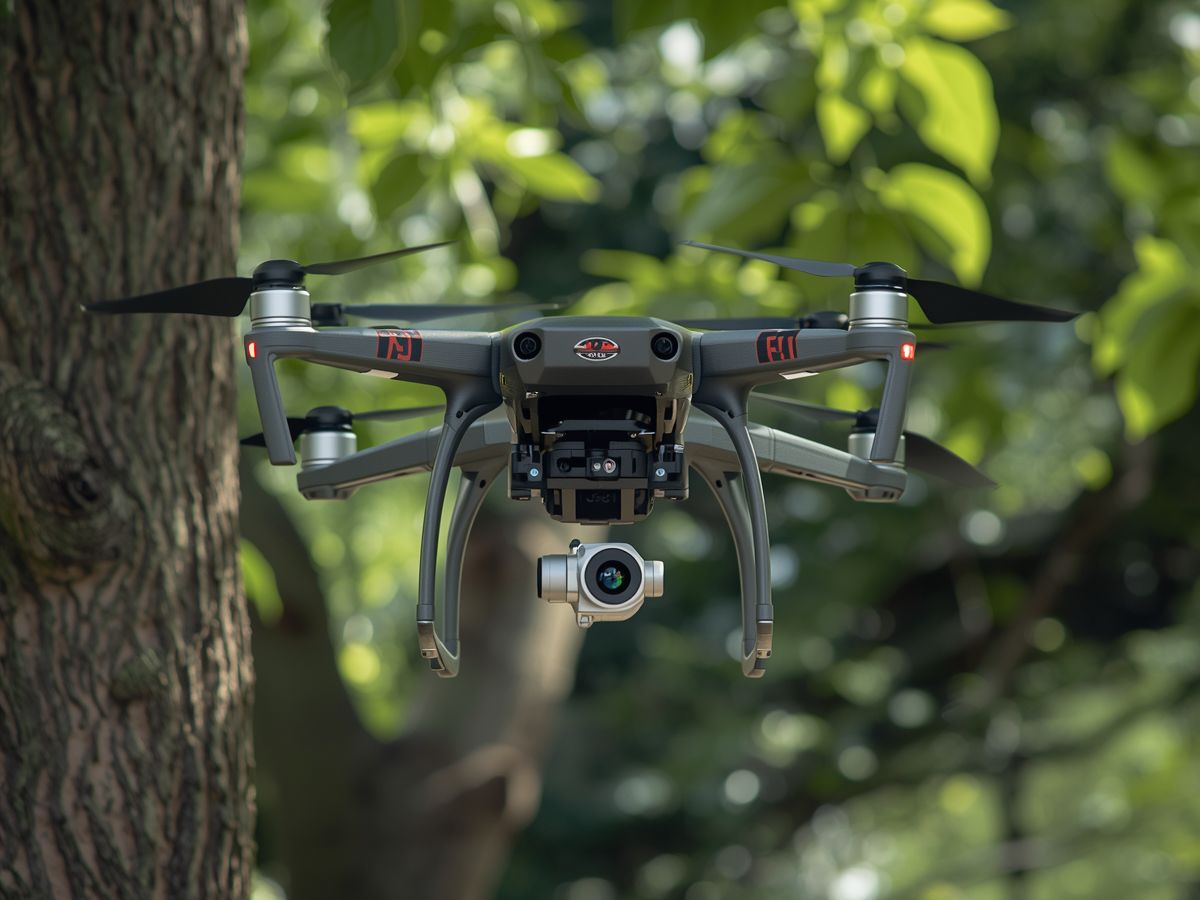
Non-invasive tree inspection techniques offer a modern approach to evaluating tree health without causing any damage.
You can start with a visual assessment, which involves observing the tree’s overall appearance, bark condition, and leaf health. This initial step helps you identify any obvious signs of stress or disease.
Next, you might use various diagnostic tools, like ultrasound or resistograph devices, to assess internal structureswithout cutting into the tree. These tools provide valuable insights into the tree’s integrity and can reveal hidden issues, such as decay or structural weaknesses.
How Do Non-Invasive Inspections Identify Tree Diseases?
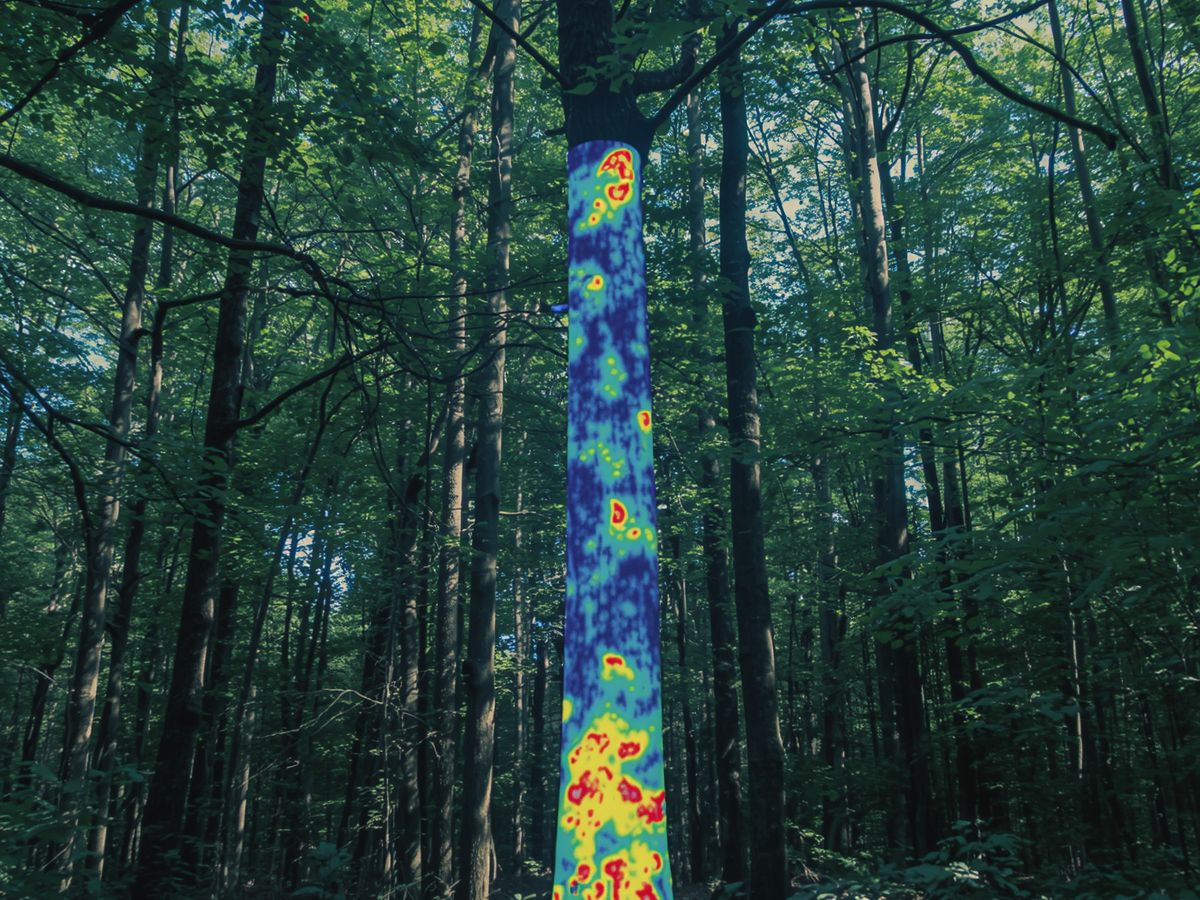
Visual assessments and advanced diagnostic toolsplay a pivotal role in spotting tree diseaseswithout causing harm. By closely examining leaves, bark, and overall tree health, you can often identify early signs of distress.
Inspection tools like infrared camerasand acoustic sensors enable precise disease diagnosis, revealing internal issues that aren’t visible to the naked eye. These methods help detect fungal infections, bacterial issues, or nutrient deficiencies before they escalate.
Inspection tools like infrared cameras and acoustic sensors reveal hidden tree health issues, allowing for early detection and intervention.
You’ll also appreciate that non-invasive techniquesminimize stress on the tree, allowing for a more accurate assessment. By utilizing these tools, you not only safeguard the tree’s healthbut also enhance its longevity and aesthetic appeal.
Keeping a watchful eye can make all the difference in maintaining a vibrant landscape.
Identifying Structural Weaknesses in Trees Through Inspection
When inspecting trees, you should look for visual signsof weakness, like cracks or dead branches.
Evaluating the root system is essential, as a compromised foundation can lead to instability.
Don’t forget to assess the canopy health, since it often reflects the overall well-being of the tree.
Visual Signs of Weakness
Identifying structural weaknesses in trees requires a keen eye for various visual signs that can indicate underlying issues. One critical aspect to observe is leaf discoloration patterns. If you notice yellowing or browning leaves, it could signal stress or disease affecting the tree’s health.
Additionally, bark fissure analysisis essential. Cracks or splits in the bark may suggest internal decayor structural instability. Examine these fissures closely; they can reveal whether the tree is compromised.
Pay attention to any unusual growths or cankers, as these can also point to weaknesses. By actively engaging with these visual indicators, you can better assess a tree’s overall stability and health, ensuring it thrives for years to come.
Root System Assessment
To evaluate a tree’s structural integrity, examining its root systemis essential, as roots anchor the tree and provide critical nutrients. By analyzing root growth, you can identify potential weaknesses that may compromise stability.
Non-invasive techniques allow you to inspect the root system without disturbing the soil, making it easier to spot issues like decay or inadequate development. Conducting a soil analysisfurther enhances your understanding of the tree’s health.
Canopy Health Evaluation
Evaluating a tree’s canopy healthis crucial for spotting structural weaknessesthat could jeopardize its stability. Through canopy analysis, you can assess the overall vigor of the tree, focusing on factors like leaf density and coloration.
A thorough leaf evaluationhelps you identify any signs of stress, disease, or pest infestations that may weaken the tree’s structure. Pay attention to uneven growth patterns and limb distribution, as these can indicate potential issues.
By regularly inspecting the canopy, you can catch problems early, allowing for timely interventions. This proactive approach not only enhances the tree’s health but also guarantees safety in your surroundings.
Prioritizing canopy health is key to maintaining strong, stable trees.
How Technology Enhances Non-Invasive Tree Inspections
As advancements in technology continue to emerge, non-invasive tree inspectionshave become more efficient and accurate. You can now leverage drone technologyto survey large areas quickly, capturing high-resolution imagesthat reveal tree health and structural issues from above.
Drones provide a unique perspective, helping you spot problems that might be missed from the ground. Additionally, acoustic sensorsallow you to assess the internal condition of trees without causing any damage. By measuring sound waves traveling through the wood, these sensors can indicate decay or structural weaknesses.
Together, these technologies enhance your ability to make informed decisions about tree care, ensuring the health and safety of both trees and the surrounding environment.
How to Spot Hazards in Trees Through Non-Invasive Methods?
What’s the best way to identify hazards in trees without causing damage? Non-invasive methods can help you conduct a thorough risk assessment while minimizing environmental impact. Start by visually inspecting for signs of decay, cracks, or pests. Use tools like sonic tomography or resistography to reveal hidden issues without harming the tree.
| Method | Description | Benefit |
| Visual Inspection | Check for visible cracks, wounds | Quick and easy assessment |
| Sonic Tomography | Sound waves to detect decay | Non-invasive and accurate |
| Resistography | Measures wood resistance | Identifies internal issues |
| Thermal Imaging | Detects temperature variations | Reveals moisture issues |
| Arborist Consultation | Expert advice on tree health | Extensive risk analysis |
Benefits of Regular Non-Invasive Tree Inspections for Property Owners
Regular non-invasive tree inspectionsoffer significant benefits for property owners, ensuring the health and safetyof your landscape without putting your trees at risk.
These inspections help identify potential issuesearly, allowing you to address them before they escalate into costly problems. By maintaining your trees’ health, you enhance their longevity, ensuring they thrive for years to come.
Regular inspections can catch potential issues early, helping maintain tree health and longevity for a thriving landscape.
Healthy trees not only contribute to the beauty of your property but also increase its overall value. Additionally, regular assessments can help you make informed decisions about landscaping, ultimately protecting your investment.
Prioritizing these inspections means investing in the safetyof your home and the long-term health of your trees, creating a thriving environment for both you and your property.
Making Informed Decisions Based on Inspection Results
When you receive the results of a non-invasive tree inspection, you can make informed decisionsthat directly impact your landscape’s health and aesthetics.
Understanding the findings helps you prioritize actions for effective risk management and maintenance planning. Here’s how you can approach it:
- Identify any potential hazards: Determine if trees pose risks to structures or people.
- Plan necessary treatments: Decide if remedial actions, like pruning or cabling, are needed.
- Schedule routine inspections: Establish a timeline for future checks to monitor tree health.
- Budget for maintenance: Allocate funds for professional care based on the inspection insights.
Frequently Asked Questions
How Often Should Non-Invasive Tree Inspections Be Conducted?
You should conduct non-invasive tree inspections at least once a year to monitor tree health. Depending on your area’s climate and the tree species, more frequent inspections might be necessary to catch potential issues early.
Are Non-Invasive Methods Suitable for All Tree Species?
Non-invasive methods aren’t suitable for all tree species due to species sensitivity. However, when used correctly, they can enhance inspection accuracy, helping you better assess the health of various tree types without causing harm.
Can Non-Invasive Inspections Replace Invasive Methods Entirely?
Non-invasive inspections can’t completely replace invasive methods, but they offer significant benefits. By using advanced inspection technology, you can assess tree health without damaging them, providing valuable insights while preserving their integrity.
What Qualifications Should an Inspector Have for Non-Invasive Techniques?
An inspector should have relevant certifications and substantial experience in non-invasive techniques. Look for professionals trained in arboriculture, equipped with knowledge of tree biology, and skilled in using the latest diagnostic tools for accurate assessments.
How Much Do Non-Invasive Tree Inspections Typically Cost?
Non-invasive tree inspections usually cost between $100 and $500, depending on factors like tree size and location. You’ll benefit from early problem detection, potentially saving money on future treatments and enhancing your tree’s health.
Final Thoughts
Non-invasive tree inspections give us a clear picture of your trees’ health, stability, and long-term care needs without causing unnecessary damage. By identifying hidden decay, disease, and structural concerns early, we can help you protect your property, preserve your landscape, and avoid more serious problems down the road.
AtPrime Tree Care, we believe proactive tree care is the best way to keep your property safe and your trees looking their best. Whether you need help withtree trimming,tree pruning,tree removal, or fast response for urgent situations through ouremergency tree service, our team is here to provide reliable, professional support.
If you are noticing signs of tree stress or simply want peace of mind,contact ustoday to schedule an inspection and let us help you make the right decision for your trees and your property.