To achieve quality tree crown reduction, you’ll want to prune during late winter when your tree is dormant and can heal efficiently. Before cutting, assess your tree’s health by checking for decay, cracks, or fungal growth. Always use the three-cut method and preserve the branch collar for proper wound closure. Never remove more than 25% of the canopy, and keep your tools sharp and clean. These essential techniques will help you maintain healthy, structurally sound trees.
Key Takeaways
- Schedule crown reduction during late winter dormancy to maximize energy storage for healing and minimize tree stress.
- Preserve the branch collar when cutting and use the three-cut method for larger branches to ensure proper wound closure.
- Inspect trees for cracks, decay, fungal growth, and leaf discoloration before pruning to assess overall health.
- Maintain sharp, clean cutting tools including hand pruners, loppers, and pruning saws to achieve clean, precise cuts.
- Consult a certified arborist for weakened trees, complex branch structures, or signs of disease requiring professional evaluation.
Understand the Difference Between Crown Reduction and Topping

When you’re looking to reduce your tree’s size, understanding the key distinction between crown reduction and topping can save your tree’s life.
Crown reduction involves selectively pruning branches back to lateral growth points, maintaining the tree’s natural shape and structural integrity. Topping, however, removes large sections of the crown indiscriminately, leaving stubs that can’t heal properly.
The crown reduction benefits are significant. You’ll preserve your tree’s health while achieving the desired size decrease. The technique encourages proper wound closure and reduces stress on the tree. Your tree maintains its natural appearance and continues thriving for years.
The topping drawbacks are severe. You’re fundamentally wounding your tree, inviting decay, disease, and pest infestations. Topped trees produce weak, rapidly growing sprouts that become hazardous.
They also require more frequent maintenance and often die prematurely. Choose crown reduction to protect your investment and your tree’s longevity.
Choose the Right Time of Year for Pruning
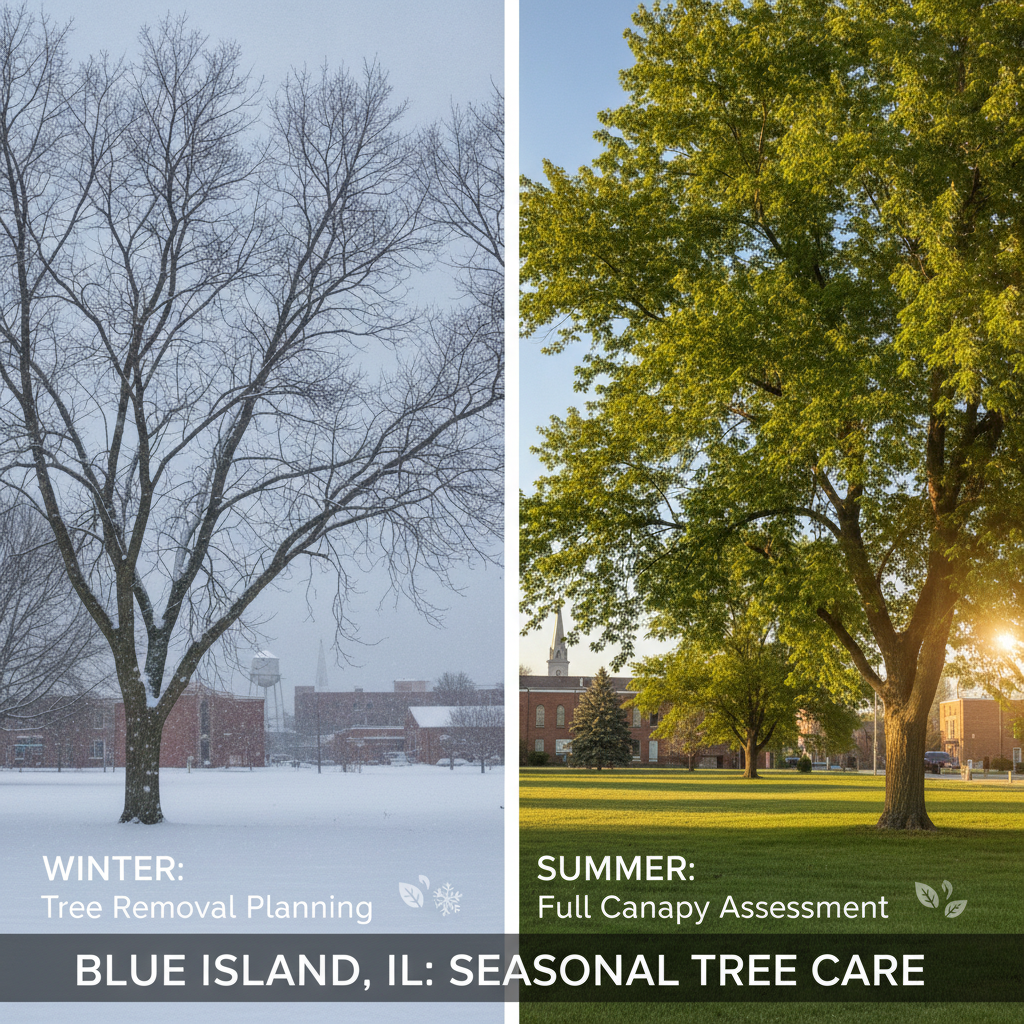
Although you might feel tempted to prune your trees whenever you notice overgrowth, timing your crown reduction correctly makes a substantial difference in your tree’s recovery. Seasonal factors directly impact how well your tree heals and achieves peak growth after cutting.
| Season | Pruning Suitability | Key Considerations |
| Late Winter | Ideal | Trees are dormant; wounds heal quickly in spring |
| Early Spring | Good | Prune before new growth emerges |
| Summer | Limited | Only for minor corrections; stresses trees |
| Fall | Avoid | Decay fungi spread easily; slow healing |
You’ll get the best results by scheduling crown reduction during late winter dormancy. During this period, your tree stores energy in its roots and won’t expend resources fighting infections. When spring arrives, the tree channels that stored energy into healing pruning wounds and producing vigorous new growth.
Assess Your Tree’s Health Before Cutting

Three critical factors determine whether your tree can handle crown reduction: structural integrity, disease presence, and overall vigor.
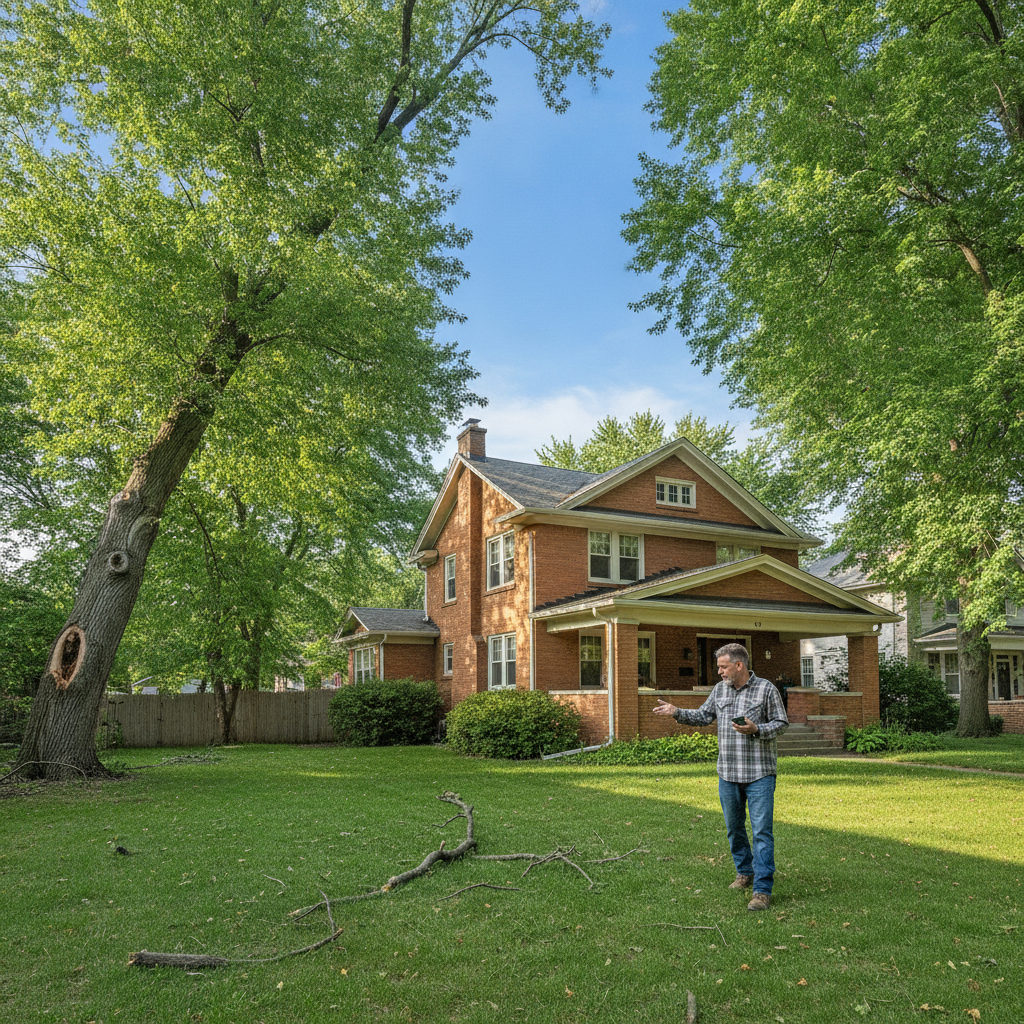
You’ll want to examine the trunk and major branches for cracks, cavities, or decay that could worsen after pruning. Look for fungal growth, which indicates internal rot that compromises stability.
Check for pruning signs that reveal past damage or improper cuts. Old wounds that haven’t healed properly suggest your tree struggles to recover from stress.
Unhealed pruning wounds reveal a tree’s struggle to recover—a warning sign before attempting crown reduction.
Evaluate tree health by inspecting leaf color, density, and new growth patterns. Healthy trees display vibrant foliage and strong seasonal development.
If you notice dead branches, sparse canopy sections, or bark abnormalities, consult a certified arborist before proceeding. Weakened trees may not tolerate significant crown reduction. They need time to recover their strength first.
Your assessment protects the tree’s long-term survival and prevents costly mistakes during the pruning process.
Use Proper Cutting Techniques at Branch Collars
Once you’ve confirmed your tree can withstand crown reduction, your cutting technique becomes the deciding factor in successful healing. The branch collar—that slightly swollen area where a branch meets the trunk—contains specialized cells that seal wounds naturally. You’ll want to preserve this tissue completely.
Position your saw just outside the branch collar, never flush against the trunk. Your cutting angles should slope slightly away from the trunk, typically matching the collar’s natural angle. This prevents water from pooling on the wound surface and reduces decay risk.
For larger branches, use the three-cut method to maintain branch stability during removal. Make your first cut underneath the branch about a foot from the trunk. Your second cut goes on top, slightly farther out, allowing the branch to fall cleanly.
Finally, remove the remaining stub at the proper angle outside the collar.
Never Remove More Than 25% of the Canopy
The 25% rule exists for good reason—your tree’s leaves are its food factories. When you remove too much foliage, you’re fundamentally cutting off your tree’s ability to produce energy through photosynthesis. This stress can trigger rapid, weak growth called water sprouts or leave your tree vulnerable to disease and pests.
Maintaining proper canopy balance guarantees your tree continues thriving after crown reduction work. You’ll want to step back periodically during pruning to assess how much you’ve already removed. It’s easy to get carried away when you’re focused on individual branches.
Professional pruning techniques emphasize gradual reduction over multiple seasons rather than dramatic single-session cuts. If your tree needs more than 25% removed, plan to spread the work across two to three years. This approach lets your tree recover between sessions while you still achieve your desired shape and size.
Invest in Quality Tools and Safety Equipment
You’ll need the right cutting tools to make clean, precise cuts that promote healthy tree recovery.
Beyond your saws and loppers, you must prioritize proper safety gear like helmets, eye protection, and harnesses when working at height.
Regular equipment maintenance guarantees your tools perform reliably and reduces the risk of accidents during crown reduction work.
Essential Cutting Tool Selection
Sharp, well-maintained cutting tools make the difference between clean cuts that heal quickly and ragged wounds that invite disease and decay.
You’ll need three essential cutting tools for effective crown reduction: hand pruners for branches under one inch, loppers for branches up to two inches, and a pruning saw for larger limbs.
Select bypass-style pruners and loppers rather than anvil types, as they produce cleaner cuts on living wood.
Choose a curved pruning saw with aggressive teeth for efficient cutting through green wood.
Tool maintenance directly impacts your results. Clean blades after each use to prevent disease transmission between trees.
Sharpen cutting edges regularly and oil pivot points to guarantee smooth operation.
Replace worn or damaged tools immediately—dull equipment forces you to work harder while producing inferior cuts.
Proper Safety Gear Requirements
Safety equipment protects you from the inherent dangers of crown reduction work—falling branches, flying debris, and sharp tools demand respect.
You’ll need safety goggles to shield your eyes from sawdust, wood chips, and small particles that become airborne during cutting. Never compromise on eye protection—even minor debris can cause serious injury.
Protective gloves give you grip while guarding against blisters, splinters, and blade contact. Choose gloves that balance dexterity with durability so you maintain control of your tools.
Beyond these essentials, wear a hard hat when working beneath the canopy, sturdy boots with non-slip soles, and long sleeves to protect your arms.
If you’re using chainsaws, add hearing protection and chainsaw-resistant chaps to your gear checklist.
Equipment Maintenance Best Practices
Well-maintained tools make crown reduction safer and more efficient, so establish a regular maintenance routine before problems develop.
You’ll extend the lifespan of your equipment while ensuring peak cutting performance on every job.
Conduct thorough equipment inspection before and after each use. Check chains for proper tension, examine handles for cracks, and verify all safety mechanisms function correctly.
Don’t overlook worn parts that could fail during critical moments.
Tool cleaning should happen immediately after work. Remove sap, debris, and moisture from cutting surfaces to prevent rust and buildup.
Apply appropriate lubricants to moving parts and store everything in dry conditions.
Sharpen blades regularly since dull tools require more force and create jagged cuts that harm tree health.
Replace damaged components promptly rather than risking equipment failure.
Know When to Hire a Certified Arborist
You should call a certified arborist when your tree has complex branch structures that make safe pruning difficult to assess on your own.
These professionals can evaluate whether crossing limbs, included bark, or unusual growth patterns require specialized cutting techniques beyond standard crown reduction.
They’ll also determine if your tree’s health issues—like disease, pest damage, or structural weakness—need treatment before or instead of pruning.
Complex Branch Structure Issues
When branches grow in unusual patterns—crossing over each other, forming tight V-shaped unions, or developing included bark—you’re dealing with structural issues that require expert evaluation. Poor branch alignment creates weak points that can fail during storms, potentially causing property damage or injury.
A certified arborist understands how to assess structural stability and determine which branches pose genuine risks. They’ll identify problems you might miss and recommend appropriate solutions.
| Warning Sign | Why It Matters |
| Crossing branches | Creates wounds and decay entry points |
| V-shaped crotches | Weak attachment prone to splitting |
| Included bark | Prevents proper branch union formation |
Don’t attempt complex structural corrections yourself. These situations demand professional knowledge of tree biology and proper cutting techniques.
Tree Health Assessment Needed
How can you tell whether your tree’s struggling with a minor issue or facing a serious health crisis? You’ll need to conduct a thorough tree inspection to evaluate key health indicators.
Look for warning signs like extensive dead branches, fungal growth at the base, bark splitting, or significant leaf discoloration.
When these symptoms appear across multiple areas of your tree, it’s time to call a certified arborist. These professionals possess specialized training to diagnose diseases, identify pest infestations, and assess structural integrity that untrained eyes often miss.
Don’t attempt crown reduction on a compromised tree without professional guidance.
An arborist can determine whether reduction will help your tree recover or accelerate its decline. Their expertise guarantees you’re making informed decisions about your tree’s future.
Frequently Asked Questions
How Much Does Professional Crown Reduction Typically Cost for Mature Trees?
You’ll typically pay $300 to $1,500 for professional crown reduction on mature trees. Cost factors include tree species, size, accessibility, and location. Hardwoods often cost more than softwoods due to their denser wood structure.
Will Crown Reduction Affect My Tree’s Fruit or Flower Production?
Yes, crown reduction can temporarily affect your tree’s fruit yield and flowering patterns. You’ll likely notice reduced production for one to two seasons while your tree redirects energy toward healing and new growth.
How Long Does It Take for a Tree to Recover After Crown Reduction?
Your tree’s recovery time typically ranges from one to three years, depending on the species and overall tree health. You’ll notice new growth within months, but full structural recovery takes longer for complete healing.
Can Crown Reduction Help Prevent Storm Damage to My Property?
Yes, crown reduction can greatly improve your storm preparedness. By reducing wind resistance and removing weak branches, you’re enhancing property safety and minimizing the risk of falling limbs during severe weather events.
Do I Need a Permit From My City Before Performing Crown Reduction?
You’ll likely need to check your city’s permit requirements before starting crown reduction work. Local regulations vary greatly—some municipalities require permits for any tree work, while others only regulate protected species. Contact your city’s planning department first.
Final Thoughts
Mastering quality tree crown reduction starts with understanding proper pruning techniques, choosing the right timing, and recognizing when a tree needs more care than simple cuts can provide. By keeping reductions conservative, preserving branch collars, and maintaining sharp, clean tools, you protect both the tree’s structure and long-term health. Just as importantly, knowing when to pause and call a professional ensures your tree remains safe, balanced, and thriving for years to come.
If you want expert support, Prime Tree Care, Inc. is here to help. Our certified arborists specialize in safe, precise reduction work and complete tree care—from corrective tree pruning and seasonal tree trimming to hazardous tree removal and urgent emergency tree service. Explore our full list of professional services on our Services page and learn more about our experience and commitment to safety on our About Us page.
For a professional crown reduction assessment or a free estimate, contact Prime Tree Care, Inc. at (312) 498-3984. Our team is ready to help you maintain safe, healthy, and beautiful trees year-round.