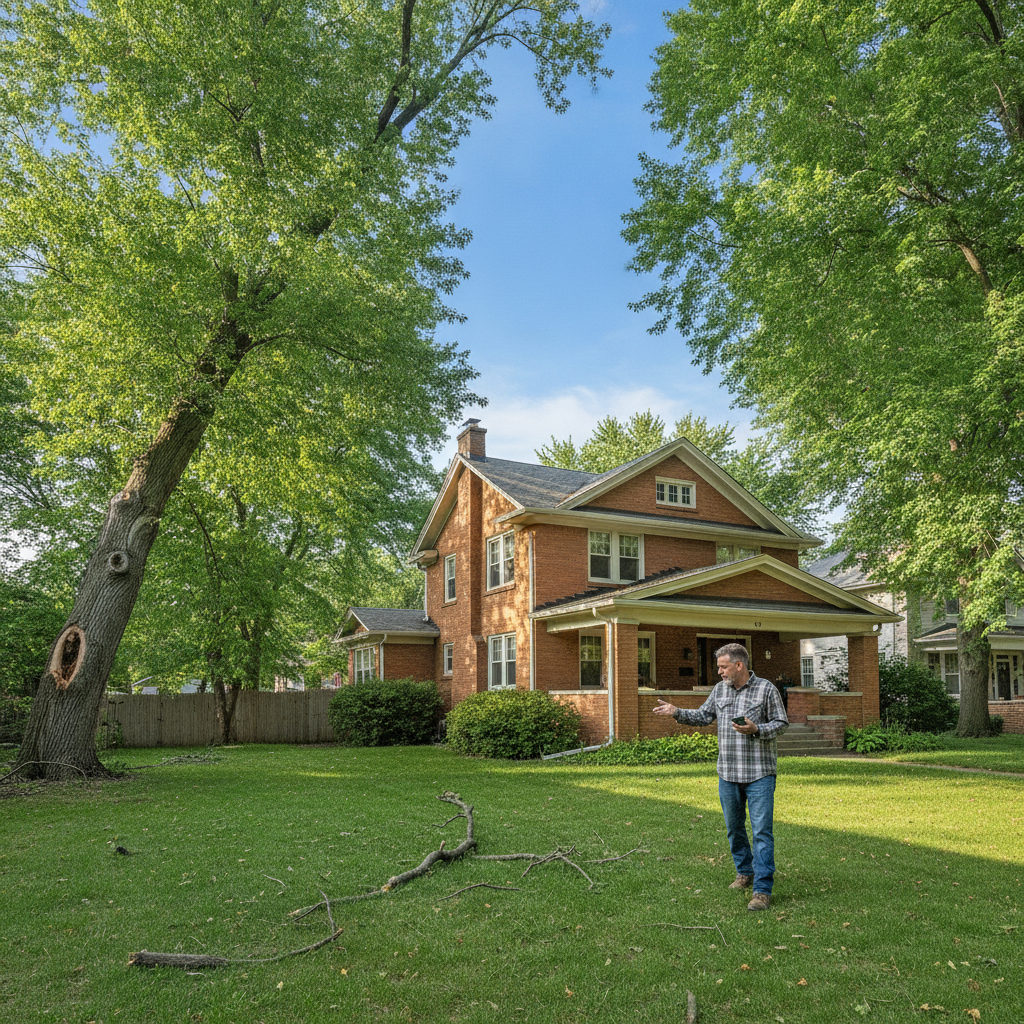
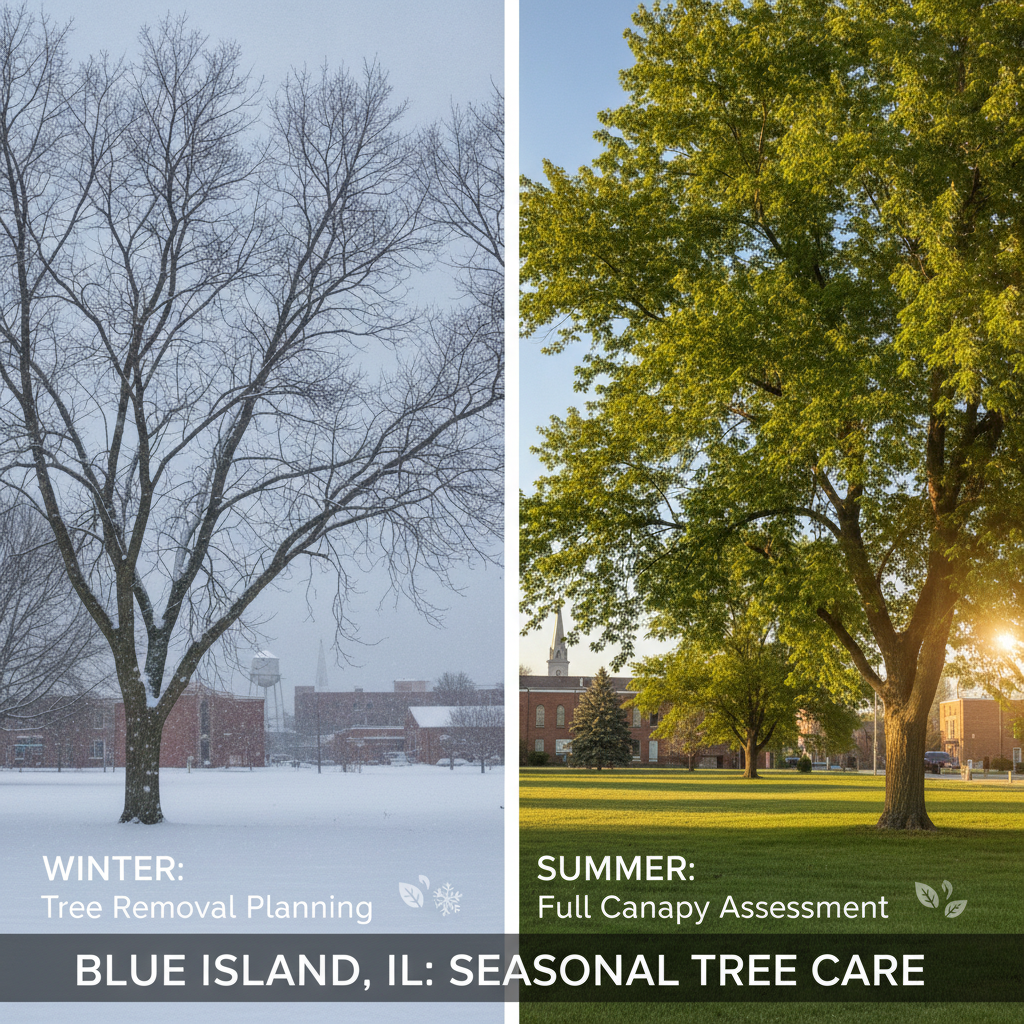
You’re taking a vital step towards maintaining your trees’ health and safety by considering professional crown reduction. It reduces property damage and injury risk by up to 90% when done correctly. You’ll learn how to transform your trees safely, and by exploring further, you’ll discover the importance of proper techniques and maintenance to guarantee your trees thrive.
Key Takeaways
- Hire a professional for safe crown reduction.
- Reduce tree size for insurance and clearance compliance.
- Prevent damage with proper pruning techniques.
- Maintain tree health with regular monitoring.
- Ensure safety with protective gear and equipment.
The Importance of Crown Reduction

Crown reduction is an essential pruning technique that requires careful consideration, as it directly impacts the tree’s structural integrity and overall health. You’ll want to contemplate it if you’re dealing with insurance requirements or need to make certain easement clearance.
When you reduce a tree’s crown, you’re altering its shape and size, which can be beneficial for maintaining a safe distance from power lines or neighboring properties. It’s important to hire a professional to perform the reduction, as improper pruning can lead to further damage or even tree removal.
Understanding Tree Biology
By examining the inner workings of trees, you’ll gain a deeper understanding of how they function, which is essential for making informed decisions about their care.
Examining trees’ inner workings informs care decisions
You’ll learn about the xylem function, which transports water and nutrients from roots to leaves.
The phloem transport system, on the other hand, moves sugars and other organic compounds produced by photosynthesis.
Consider the following key aspects of tree biology:
- Xylem and phloem tissues work together
- Roots absorb water and nutrients from soil
- Leaves produce energy through photosynthesis
- Tree growth is influenced by internal and external factors. Understanding these concepts will help you appreciate the complexity of tree care and make better decisions for your trees’ health.
Benefits of Professional Crown Reduction

As you consider ways to maintain your trees’ health, reducing their crown can be a highly effective method, since it allows you to control their size and promote a more balanced structure.
You’ll notice improvements in your trees’ overall appearance, which can boost your property’s Aesthetic Appeal.
By hiring a professional to reduce your trees’ crowns, you’re investing in your Property Value. A well-maintained tree can increase your property’s value and make it more attractive to potential buyers.
You’ll also enjoy the benefits of a safer outdoor space, as reduced crowns can minimize the risk of branch failure. This, in turn, can give you peace of mind and protect your investment.
Professional crown reduction is a worthwhile investment for any homeowner looking to enhance their property.
Assessing Tree Health and Structure
You’ve decided to reduce your trees’ crowns to maintain their health and enhance your property’s value.
Now, it’s crucial to assess their health and structure.
You’ll need to inspect your trees for signs of damage or disease.
Inspect your trees for signs of damage or disease to ensure their optimal health and longevity.
Consider the following factors:
- Pest identification to detect infestations
- Soil compaction that can affect root growth
- Branch structure to identify potential hazards
- Overall tree condition to determine the best course of action.
By evaluating these aspects, you’ll be able to identify areas that require attention and make informed decisions about your trees’ care.
This assessment will help you address potential issues before they become major problems, ensuring your trees remain healthy and thrive.
Customized Crown Reduction Plans
You’ll consider the size of the tree when creating a customized crown reduction plan, as it affects the pruning techniques you’ll use.
You’re looking to balance the tree’s aesthetic appeal with its structural integrity, and that requires careful planning.
Tree Size
Tree size plays a crucial role in determining the best approach for a customized crown reduction plan.
You’ll need to account for size regulations and how they impact your landscape scaling.
Key factors to think about include:
- Tree height and width
- Branch structure and density
- Surrounding obstacles and clearance
- Aesthetic goals for your landscape.
You should assess your tree’s size to create an effective plan,
ensuring it complements your yard while adhering to size regulations and scaling considerations.
Pruning Techniques
Now that the importance of tree size is clear, it’s time to put that knowledge into action with customized pruning techniques.
You’ll use Heading cuts to reduce the length of branches, promoting healthy growth.
When removing branches, you’ll make Flush cuts, cutting just outside the branch collar to prevent damage.
This technique helps the tree heal quickly and reduces the risk of disease or pest issues. By applying these pruning techniques, you’ll be able to transform your trees safely and effectively, achieving the desired size and shape while maintaining their overall health. You’ll see noticeable results.
Safety Considerations and Precautions
Because safety should always be the top priority when performing tree crown reduction, it’s essential that you take necessary precautions to minimize risks.
You’ll want to confirm Utility Clearance by checking for power lines and other obstacles.
Consider the following:
- Wear protective gear
- Inspect equipment regularly
- Establish Emergency Procedures
- Communicate with your team.
By taking these steps, you can reduce the risk of accidents and maintain a safe working environment.
You’re responsible for keeping yourself and others safe, so don’t hesitate to take extra precautions when needed.
This will help you complete the job safely and effectively.
Maintenance and Aftercare for Reduced Trees
You’ll need to monitor the tree’s response to reduction and adjust your pruning techniques as it grows.
You’re aiming to promote a strong, balanced structure, so it’s vital to inspect the tree regularly and make targeted cuts to maintain its health.
Pruning Techniques
When a tree’s crown is reduced, it’s essential that you prune it correctly to maintain its health and structure.
You’ll want to use techniques like Espalier training or Cane pruning.
Some key pruning methods include:
- Pruning diseased branches
- Removing crossing branches
- Reducing water sprouts
- Thinning the canopy
You’re aiming to promote a strong, balanced tree that thrives after reduction.
Tree Care
Pruning a tree’s crown is just the first step – maintaining it afterwards is essential for its ongoing health. You’re ensuring your tree thrives by considering Mulching Practices and Species Selection.
| Care | Frequency | Benefits |
| Water | Daily | Hydration |
| Prune | Monthly | Shape |
| Mulch | Quarterly | Retain |
| Inspect | Weekly | Detect issues |
Frequently Asked Questions
Can I Reduce My Own Tree’s Crown?
You can’t safely reduce your tree’s crown alone, as you’ll face liability concerns and must check local permit requirements before attempting any major tree work, it’s recommended you don’t.
How Often Is Pruning Necessary?
You’ll prune your tree periodically, considering seasonal timing and growth cycles, typically every 2-3 years, to maintain shape and promote healthy development, adjusting frequency based on your tree’s specific needs.
What Tools Are Used for Reduction?
You’ll use chain saws for thicker branches and pole pruners for higher, smaller ones, allowing you to reach and safely cut limbs during the reduction process, don’t you see, it’s pretty straightforward.
Will Reduction Harm My Tree?
You won’t harm your tree if done correctly, as it’ll trigger a stress response, but with proper care, it’ll aid in long term recovery, allowing it to thrive again over time.
Can All Trees Be Reduced?
You can’t reduce all trees, as it depends on species suitability and structural limitations, so you’ll assess each tree’s condition before deciding if reduction is possible and safe for it.
Final Thoughts
Professional crown reduction is one of the safest, most effective ways to improve tree health, reduce risk, and keep your landscape looking its best—especially when trees have become overgrown, unbalanced, or too close to structures and utilities. With the right techniques and a customized plan, crown reduction can minimize hazards, support stronger structure, and help trees recover and thrive over time. The key is doing it correctly: precise cuts, species-aware decisions, and ongoing aftercare that protects long-term vitality. To maintain healthy tree structures, consider various tree crown reduction techniques you can use, as they can greatly enhance light penetration and airflow. Additionally, implementing these strategies can prevent future overcrowding and promote balanced growth among neighboring plants. Always consult with an expert to tailor the approach to the specific needs of each tree species for optimal results.
If you’re ready to transform your trees safely, Prime Tree Care, Inc. is here to help. Our certified arborists provide expert crown reduction and full-service tree care, including professional tree pruning, careful tree trimming, and safe tree removal when a tree becomes too hazardous to preserve. For urgent risks after storms or sudden limb failure, our rapid-response emergency tree service is available to restore safety quickly. You can view all services on our Services page and learn more about our safety-first approach on our About Us page.
Ready for a professional crown reduction assessment or a free estimate?
Call Prime Tree Care, Inc. at (312) 498-3984 to schedule your consultation.