
You should prune your oaks in late winter to very early spring, while the tree’s still dormant, buds haven’t begun to swell, and insects that spread diseases like oak wilt are inactive. This timing lets wounds close more safely and protects the tree’s stored energy. In colder regions, aim for deep winter; in mild climates, shift slightly later but stay before bud break. Once you know your local climate and oak species, you can time cuts even better.
Key Takeaways
- The best overall time to prune oaks is late winter to very early spring, while trees are dormant and insects are least active.
- In cold northern regions, target deep winter dormancy; in milder climates, prune later in winter but before buds swell.
- Avoid pruning in early to mid‑spring when sap flow and insect activity peak, greatly increasing disease and stress risk.
- Limit pruning in late spring and summer to true emergencies, such as hazardous limbs or utility conflicts.
- In fall, restrict work to light pruning only; save major structural cuts for the cool late fall–late winter window.
Understanding Oak Tree Growth and Seasonal Cycles
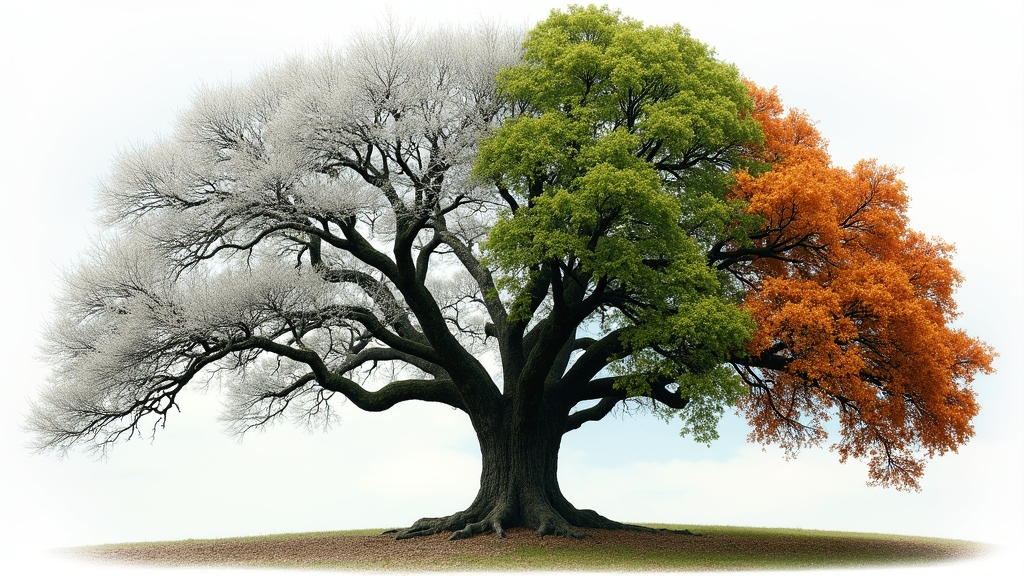
Knowing how oak trees grow through the year helps you choose the safest and most effective time to prune.
Understanding an oak’s yearly growth rhythm guides safer, smarter pruning that protects health and long‑term strength
You’re not just cutting branches; you’re working with a living system that changes month by month.
In early spring, buds swell and energy moves upward, while in summer the canopy drives photosynthesis and thickens new wood.
Belowground, root dynamics stay active longer than you might expect, often into late fall and even mild winters.
Roots store carbohydrates, anchor the tree, and support recovery after pruning.
Mycorrhizal partnerships—beneficial fungi connected to the roots—expand the tree’s reach for water and nutrients.
When you align pruning with these growth and storage phases, you reduce stress on the tree and support long‑term vigor.
Why Timing Matters: Disease Risk and Tree Health
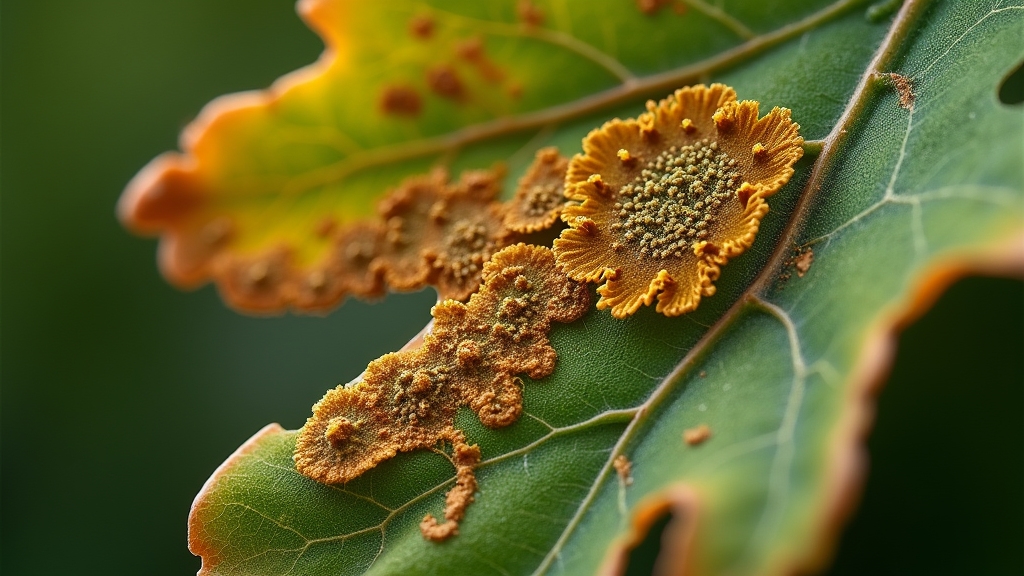
Because pruning cuts expose fresh wood and living tissue, the timing of those cuts strongly affects how vulnerable your oak becomes to disease and decline.
Each cut changes the tree’s wound physiology: cells around the cut reorganize, form barriers, and compartmentalize damage.
Pathogens and insects respond to timing too.
Many fungi and bacteria increase microbial colonization when temperature and moisture suit them, and fresh pruning wounds offer ideal entry points.
If you cut during periods of high pathogen activity, you dramatically raise the odds of infection spreading through the vascular system, weakening structure, shortening lifespan, and forcing more corrective pruning later.
Best Time of Year to Prune Oaks for Most Climates
In most regions, the safest and most effective time to prune oak trees is during late winter to very early spring, when the tree is still dormant and insect activity is low. You’re working with a tree that’s conserving energy, so cuts close faster and disease risk drops.
Think of the year in three simple windows:
| Season Window | Pruning Priority | Notes |
| Late Winter–Early Spring | Structural and safety cuts | Ideal overall timing |
| Late Spring–Summer | Only urgent hazards | Higher pest and disease risk |
| Fall | Light touch, if at all | Avoid heavy pruning here |
Before you prune, confirm Local Ordinances; some areas restrict oak work during high-risk disease periods. Pair that with solid Tool Maintenance so clean, sharp blades protect every cut.
Seasonal Timing by Region and Oak Species
Where you live and which oak you’re pruning both shift the “right” season on the calendar. In cold northern regions, you’ll usually target deep winter dormancy, when wounds close slowly but insect and disease pressure stay lowest.
In mild coastal climates, you might shift slightly later, into late winter, as long as buds haven’t begun to swell.
Different oak groups respond to light and temperature in their own ways. White oaks often break dormancy earlier, so you’ll prune them sooner than red oaks in the same yard.
Pay attention to photoperiod sensitivity: local day‑length patterns influence bud activity. Microclimate mapping—observing shade, wind, and frost pockets on your property—helps you fine‑tune timing tree by tree, rather than relying only on regional calendars.
Situations When You Should Never Prune Oaks
You also need to know when you should never touch your oak with pruning tools.
You’ll want to avoid pruning during spring, cutting any wood that shows signs of disease, and working on the tree during storms or high winds. Respecting these off-limits situations protects both the tree’s health and your safety.
Avoid Pruning During Spring
Although oaks benefit from periodic pruning, early to mid-spring is the one season you should almost always avoid cutting them.
During this time, the tree’s energy surges into new growth, and any cuts you make can stress the tree and invite problems.
You’re also more likely to disturb wildlife, including bird nesting and emerging bee colonies using cavities or loose bark.
Here’s why you should wait:
- Spring cuts bleed more sap, weakening the tree.
- Fresh wounds can attract insects that spread diseases.
- You may harm hidden nests or developing pollinators.
- New shoots from spring pruning are often weak and poorly attached.
Never Cut Infected Wood
Even if a branch looks ugly or “beyond saving,” never rush to cut obviously infected wood from an oak without a clear diagnosis and plan.
When you cut diseased tissue at the wrong time or in the wrong way, you can spread pathogens deeper into the tree or onto nearby oaks.
Before pruning, confirm what you’re dealing with—oak wilt, root rot, canker, or insect damage—because each problem has different management rules and potential legal restrictions.
Some regions regulate pruning dates, tool sterilization, and even how you handle material disposal.
Infected limbs, chips, and firewood might need burning, chipping, or sealed transport to prevent disease movement.
When in doubt, contact a certified arborist or your local extension service.
Don’T Prune in Storms
During high winds, lightning, or heavy rain, pruning an oak turns a simple task into a serious safety hazard.
Storms make branches unpredictable, tools harder to control, and footing less stable.
You’re not just risking the tree; you’re risking yourself and others nearby.
When storms roll in, you should:
- Pause pruning immediately and move away from the tree, especially if you hear thunder or see lightning.
- Shut down and secure tools, then return them to safe equipment storage so blades and cords don’t become flying debris.
- Avoid ladders and metal tools, which can conduct electricity and slip on wet surfaces.
- Document any storm damage and contact professionals; proper reports can support future insurance claims and expert repairs.
How to Recognize Safe Windows for Emergency Pruning
You can’t always wait for the perfect season when a damaged branch threatens people or property, so you need to know what qualifies as a true emergency.
In these moments, you’ll quickly assess whether a limb’s failure risk outweighs the added danger of pruning during a higher-risk period for oak wilt. By pairing clear emergency criteria with a basic seasonal risk check, you’ll recognize the safest possible window to act.
Identifying True Emergencies
Although timing matters for oak tree health, some situations demand immediate action, and recognizing those true emergencies helps you balance safety with disease risk.
You’ll sometimes need to prune outside the ideal season to prevent harm to people, property, or the tree itself.
Use this quick guide to decide when emergency pruning is justified:
- Imminent failure – Large cracked or hanging limbs that could fall on people, homes, or vehicles.
- Utility contact – Branches rubbing or arcing against power lines; call the utility first.
- Blocked access – Fallen limbs trapping vehicles or blocking driveways or doors needed for emergency escape.
- Wildlife entanglement – Animals caught in broken limbs or dangling wire; contact wildlife rehab and prune only as directed.
Seasonal Risk Assessment
Emergencies don’t wait for perfect timing, but some seasons make emergency pruning far safer for oaks than others. You’re aiming to cut when disease pressure and tree stress are lowest.
In most regions, late fall through winter offers the safest window, because sap flow slows and beetles that spread oak wilt stay inactive.
Still, you shouldn’t rely on the calendar alone. Use simple microclimate mapping: note low, cold pockets where frost lingers, warm south-facing slopes, or dense urban areas that stay milder.
Cooler, drier microclimates usually mean lower pathogen activity. Also factor in wind exposure.
Strong, frequent winds increase branch failure risk but also dry fresh cuts faster. Balance both: prune when winds calm yet temperatures remain cool.
Post-Pruning Care and Long-Term Oak Management
Once the pruning cuts are made, the way you care for an oak in the following months largely determines how well it recovers and thrives long-term.
Focus on root health, moisture balance, and steady growth rather than rapid changes.
- Refine Mulch Practices
Apply 2–4 inches of organic mulch in a wide ring, keeping it a few inches away from the trunk to prevent rot and pests.
- Schedule Soil Testing
Test soil every few years to check pH and nutrient levels, then adjust with slow, balanced amendments.
- Water Deeply, Not Often
Irrigate during droughts with slow, deep soaking rather than frequent light watering.
- Monitor Structure and Health
Inspect annually for deadwood, decay, or crossing branches and plan light follow-up pruning every few years.
Frequently Asked Questions
Can I Prune My Oak to Improve Shade Without Harming the Tree?
Yes, you can. First, perform a Health Assessment to identify dead or crossing branches. Then prune selectively to thin the canopy for Shade Optimization, keeping major limbs, using clean cuts, and avoiding excessive removal in one season.
How Does Oak Pruning Timing Affect Wildlife and Nesting Birds?
Oak pruning timing directly affects wildlife: if you cut during breeding season, you increase nesting disturbance and reduce fledgling survival. You should prune in non‑breeding months so birds keep safe shelter, food sources, and stable territories.
What Tools Are Best for Clean, Safe Oak Pruning Cuts?
You’ll get clean, safe cuts using sharp bypass hand pruners, loppers, and a pruning saw for thicker limbs. Prioritize regular blade sharpening and careful tool sterilization between trees to reduce disease spread and tearing.
Can I Shape a Young Oak for Aesthetics Without Weakening It?
You can, if you prioritize structure over decoration. Focus on leader selection, maintain good branch spacing, remove crossing or weak branches, keep cuts small, and avoid over-thinning the canopy so the tree keeps strong energy reserves.
How Do I Hire a Certified Arborist for Oak Pruning?
You hire a certified arborist by checking ISA certification, requesting references, and demanding written estimates. You then perform credential verification, confirm oak-pruning experience, require insurance confirmation, and compare bids, communication style, and safety practices before signing.
Final Thoughts
Timing your oak pruning correctly safeguards your trees from disease, stress, and long-term decline. Always schedule major cuts during the dormant season—late winter through early spring—when pests are inactive and the tree can heal efficiently. Avoid spring and summer pruning unless addressing immediate safety hazards, and use sharp, sterilized tools to maintain clean, healthy cuts.
For best results, trust the certified arborists at Prime Tree Care, Inc.. Our experts specialize in safe, seasonal tree trimming, oak pruning, and emergency tree services that protect your property and promote long-term tree vitality.
Keep your oaks healthy, strong, and stunning all year round—contact Prime Tree Care, Inc. today at (312) 498-3984 or email estimates@primetreecare.com for a free consultation and expert care plan tailored to your trees.