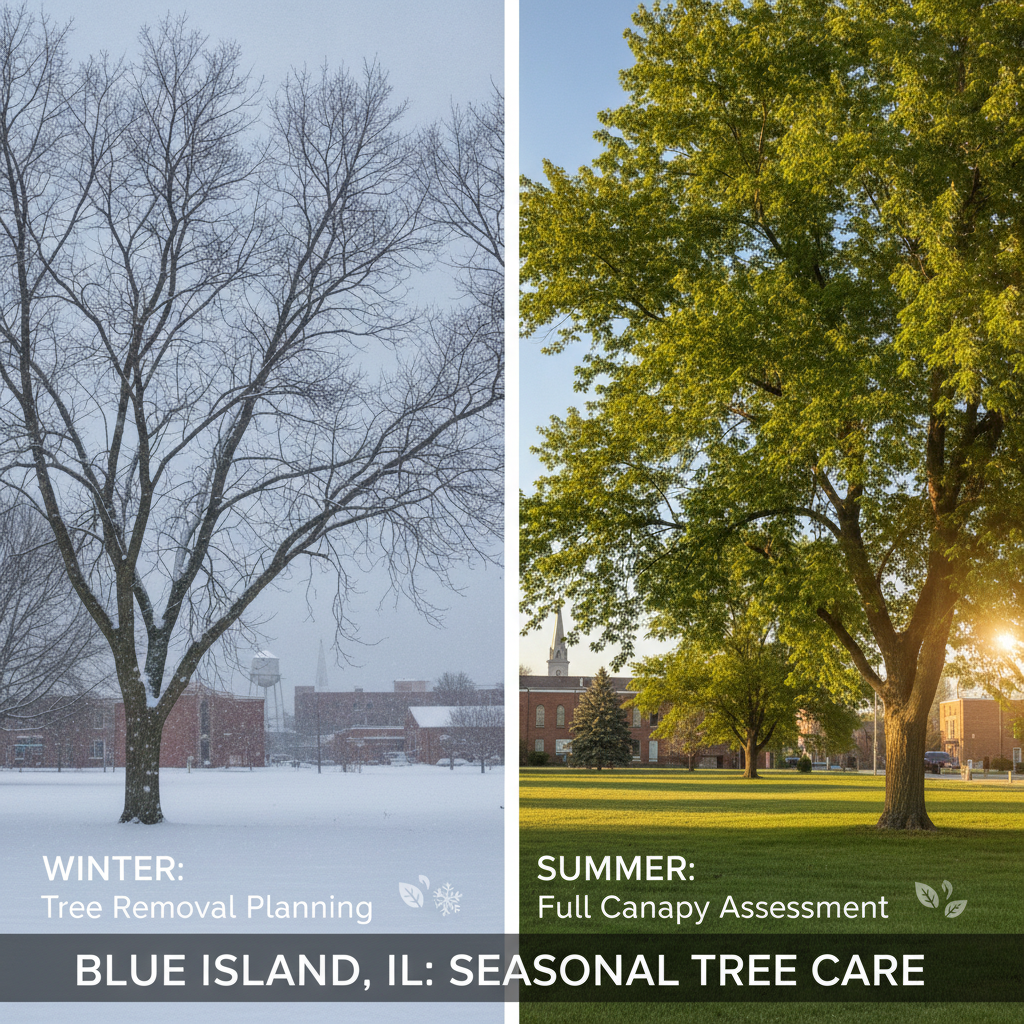
Crown reduction is a trusted, time-tested solution for tree care, enhancing both health and beauty. By selectively trimming branches, you guarantee better light penetration and air circulation, promoting vigorous growth while reducing storm damage risks. This technique maintains a natural shape, unlike topping, which can harm trees. If you want to know more about how crown reduction can benefit your landscape and the best practices for implementation, keep exploring further.
Key Takeaways
- Crown reduction maintains natural tree shape while promoting health and longevity, making it a reliable tree care solution.
- This technique enhances light penetration and air circulation, crucial for tree vitality and growth.
- Crown reduction reduces wind resistance, improving structural stability and minimizing storm damage risks.
- Professional arborists employ proper techniques and tools, ensuring effective crown reduction without harming the tree.
- Regular assessment of tree health before crown reduction prevents vulnerabilities and promotes sustainable growth.
What Is Crown Reduction and Why Is It Important?

Crown reduction is an essential tree care technique that involves selectively trimming the branches of a tree to reduce its overall size while maintaining its natural shape.
You might wonder why this is important. Utilizing effective crown reduction techniques guarantees that your tree remains healthy and aesthetically pleasing. By carefully removing specific branches, you can improve light penetration and air circulation, which are critical for a tree’s growth.
Additionally, tree pruning benefits extend beyond aesthetics; it can help prevent damage during storms by reducing wind resistance. This proactive approach to tree care not only promotes safety but also enhances the longevity of your tree, guaranteeing it thrives for years to come.
Tree pruning not only enhances beauty but also safeguards against storm damage and promotes long-term tree health.
Taking these steps is fundamental for any responsible tree owner.
The Benefits of Crown Reduction for Tree Health

Crown reduction can greatly enhance your tree’s health by allowing more light to penetrate its canopy.
This increased light, combined with improved air circulation, helps reduce the risk of disease.
Plus, a well-structured tree gains stability, making it less prone to damage from harsh weather conditions.
Enhanced Light Penetration
When it comes to maintaining tree health, enhanced light penetration plays a crucial role, especially after crown reduction. By allowing increased sunlight exposure, you improve the light quality that reaches the inner branches and foliage. This encourages healthier growth and can even boost flowering or fruiting, making your tree more vibrant.
Here’s a quick overview of the benefits:
| Benefit | Description |
| Improved Growth | More sunlight leads to stronger, healthier growth. |
| Enhanced Photosynthesis | Increased light quality boosts energy production. |
| Better Fruit Quality | Adequate sunlight exposure improves flavor and yield. |
Taking these factors into account, crown reduction not only enhances light penetration but also greatly contributes to your tree’s overall vitality.
Improved Air Circulation
Improving air circulation around your trees is another significant advantage of crown reduction. By carefully trimming the upper branches, you enhance airflow improvement, allowing fresh air to reach all parts of the tree.
This increased airflow helps prevent moisture buildup, which can lead to fungal diseases and pests that threaten tree health. With better circulation, your trees can breathe, making them healthier and more resilient.
Additionally, improved air movement encourages faster drying after rain, reducing the risk of rot. You’ll notice that your trees not only look better but also thrive under these ideal conditions.
Ultimately, crown reduction fosters a balanced environment that supports overall tree health and longevity.
Structural Stability Boost
One of the key benefits of crown reduction is the boost it provides to a tree’s structural stability. By carefully trimming the crown, you enhance the tree’s structural integrity, allowing it to better withstand environmental stressors.
This process not only promotes tree resilience but also helps in maintaining a balanced shape. Here are a few advantages of crown reduction for structural stability:
- Reduces wind resistance, minimizing the risk of breakage.
- Promotes even weight distribution across branches.
- Encourages healthy growth by eliminating weak or dead limbs.
- Increases light penetration to lower branches, supporting overall health.
When Should You Consider Crown Reduction?
Have you noticed your tree becoming too large or unruly for its surroundings? If so, it might be time to reflect on crown reduction. Proper crown reduction timing is vital, as it helps maintain your tree’s health and aesthetics. Additionally, different tree species have varying growth patterns, which can influence how and when to proceed with crown reduction.
Here’s a quick overview to help you decide:
| Consideration | Details |
| Tree Size | When branches interfere with structures |
| Health of the Tree | If the tree shows signs of decline |
| Species Type | Some species require specific timing |
| Seasonal Timing | Late winter or early spring is ideal |
Key Differences Between Crown Reduction and Other Pruning Techniques
While many people may confuse crown reduction with other pruning techniques, understanding the distinctions is essential for effective tree care. Here are some key differences to evaluate:
- Crown Reduction vs. Topping: Crown reduction reduces the tree’s height and size while preserving its natural shape; topping indiscriminately cuts branches, leading to poor growth.
- Health Impact: Crown reduction benefits the tree’s health by maintaining its structure, whereas topping can cause stress and attract pests.
- Aesthetic Value: Crown reduction enhances the tree’s appearance, while topping often results in an unattractive, bushy look.
- Long-term Growth: Crown reduction promotes sustainable growth patterns, unlike topping, which can lead to rapid, unhealthy regrowth.
Understanding these differences will help you choose the right approach for your trees.
How Crown Reduction Enhances Landscape Aesthetics
Crown reduction not only promotes the health of your trees but also greatly enhances the aesthetics of your landscape.
By carefully trimming the upper branches, you create a balanced and pleasing silhouette that complements your outdoor space. This technique encourages aesthetic improvements, allowing your trees to maintain their natural beauty without overpowering your garden or home.
A well-executed crown reduction fosters landscape harmony, ensuring your trees fit seamlessly into the overall design. The result is a polished look that enhances curb appeal and draws attention to your property’s best features.
You’ll find that, with crown reduction, your landscape becomes a more inviting and visually appealing environment for you and your guests to enjoy.
How to Implement Crown Reduction: A Step-By-Step Process
Before you start crown reduction, you need to assess the tree’s health to guarantee it’s strong enough for the process.
Once you’ve confirmed its robustness, you can use proper pruning techniques to achieve the desired results.
Let’s walk through the steps to get your tree looking its best.
Assess Tree Health First
To guarantee a successful crown reduction, you need to assess the tree’s health first.
Conducting a thorough tree health assessment and pruning readiness evaluation helps confirm you’re making the right decision.
Follow these steps:
- Inspect the trunk for signs of decay or damage.
- Check the branches for any dead or diseased wood.
- Evaluate the foliage to determine overall health and nutrient levels.
- Assess the roots for stability and health, as they’re crucial for the tree’s support.
Use Proper Pruning Techniques
After confirming your tree is healthy and ready for pruning, it’s time to implement proper techniques for crown reduction.
Start by familiarizing yourself with basic tree anatomy—especially the branches, leaves, and trunk. Use appropriate pruning methods, like the three-cut technique, to reduce the crown without damaging the tree.
First, make an undercut about one-third of the way through the branch, then cut down from the top to remove it. This minimizes tearing and promotes healing. Always cut back to a lateral branch to maintain the tree’s natural shape and health.
Tools You Need for Effective Crown Reduction
Effective crown reduction requires the right set of tools to guarantee precision and safety.
Effective crown reduction demands the proper tools to ensure both precision and safety in your tree care efforts.
Using the appropriate crown tools and pruning equipment not only enhances your efficiency but also assures the health of the tree.
Here’s a list of essential tools you’ll need:
- Hand Pruners – Ideal for small branches, ensuring clean cuts.
- Loppers – Great for reaching and cutting thicker branches with ease.
- Pole Saw – Perfect for high branches, allowing you to work safely from the ground.
- Safety Gear – Always wear gloves, goggles, and a hard hat to protect yourself while working.
Equipped with these tools, you’ll be prepared to perform effective crown reduction while maintaining safety and tree health. Additionally, understanding various crown reduction techniques for trees is essential for achieving the desired shape and size without compromising the overall structure. By employing these methods thoughtfully, you can enhance the aesthetic appeal of your landscape while ensuring that the trees remain healthy and vibrant. Remember to monitor the trees’ responses post-treatment to adapt your strategies as needed.
Top 5 Mistakes to Avoid in Crown Reduction
When it comes to crown reduction, avoiding mistakes is essential for your tree’s health.
You mightn’t realize how incorrect cutting techniques, neglecting tree health, and over-pruning can lead to serious issues.
Let’s explore these common pitfalls so you can guarantee your crown reduction is successful.
Incorrect Cutting Techniques
Crown reduction can transform the shape and health of your trees, but using incorrect cutting techniques can lead to disastrous results.
To avoid tree stress and promote healthy growth, remember these top mistakes:
- Topping: Cutting off the top of the tree indiscriminately can create severe health issues.
- Over-pruning: Removing too many branches can weaken the tree and hinder its ability to thrive.
- Incorrect Pruning Angle: Cutting at the wrong angle can damage the bark and lead to infection.
- Ignoring Growth Patterns: Not considering the tree’s natural shape may result in uneven, unsightly growth.
Ignoring Tree Health
Ignoring the health of your trees during crown reduction can lead to significant problems. When you focus solely on aesthetics, you risk tree neglect, which can weaken your trees in the long run.
Before undertaking any crown reduction, it’s essential to conduct a thorough health assessment. This helps you understand the tree’s condition and identify any underlying issues that might need attention. Neglecting these aspects can cause stress, making your trees more susceptible to pests and diseases.
Always remember that healthy trees require a balanced approach to trimming. By prioritizing their health, you guarantee that your crown reduction efforts promote growth rather than harm, ultimately enhancing the beauty and longevity of your trees.
Over-Pruning Risks
Over-pruning can seriously jeopardize your trees’ health and aesthetics. Understanding the over-pruning consequences is essential to maintaining your trees.
Here are four common mistakes to avoid that can lead to negative tree health impacts:
- Removing Too Much Foliage: Cutting off more than 25% of a tree’s leaves can stress it.
- Neglecting Branch Structure: Pruning without considering the tree’s natural shape can create weak points.
- Improper Timing: Pruning during the wrong season can hinder growth and health.
- Using Dull Tools: Jagged cuts from dull tools can invite disease and pests.
How to Assess Tree Health Before Crown Reduction
How can you guarantee your tree is healthy enough for crown reduction? Start with a thorough tree health assessment.
Look for signs of disease, such as discolored leaves or dead branches. A foliage inspection is essential—healthy leaves indicate good overall health, while wilting or browning can signal issues.
Check the trunk and roots for any visible damage or decay. Confirm the tree has a strong structure and isn’t leaning, as this can affect its resilience.
If you notice any pests or fungal growth, it’s best to address these concerns before considering crown reduction.
How Crown Reduction Helps Prevent Storm Damage
When you prioritize crown reduction for your trees, you not only enhance their appearance but also bolster their resilience against storm damage.
By implementing effective storm preparedness strategies, you can guarantee your trees withstand harsh weather. Here’s how crown reduction contributes to tree strength:
Implementing storm preparedness strategies ensures your trees remain strong and resilient against harsh weather conditions.
- Weight Distribution: Reducing the crown helps evenly distribute weight, minimizing the risk of breakage.
- Wind Resistance: A balanced shape reduces wind resistance, lowering the chance of uprooting.
- Health Improvement: Removing excess foliage promotes better air circulation and sunlight exposure, improving overall health.
- Tree Resilience Evaluation: Regularly evaluating your trees’ resilience allows you to identify and address vulnerabilities.
Prioritizing crown reduction not only protects your investment but also enhances the safety of your property during storms.
Hiring a Professional Arborist for Crown Reduction: Essential Tips
Confirming your trees are storm-ready often leads to the decision to hire a professional arborist for crown reduction. Before you choose, it’s essential to check their certification verification. This guarantees they’re trained and knowledgeable about tree care practices.
Next, consider the consultation importance; a good arborist will assess your trees’ specific needs and explain their approach. During the consultation, ask questions about their experience with crown reduction and any safety measures they take.
It’s also wise to request references or reviews from previous clients. By taking these steps, you can feel confident in your choice, knowing that your trees will be managed by a qualified professional dedicated to their health and safety.
Maintenance Tips After Crown Reduction
After crown reduction, maintaining your trees properly is essential for their health and longevity.
Implementing effective post-pruning care and regular tree health monitoring will guarantee your trees thrive.
Here are some maintenance tips to follow:
- Watering: Keep the soil consistently moist but not soggy, especially during dry spells.
- Mulching: Apply a layer of mulch around the base to retain moisture and suppress weeds.
- Pruning: Monitor for any dead or diseased branches and prune as needed to promote healthy growth.
- Fertilizing: Use a balanced fertilizer to support new growth, but avoid over-fertilization.
Common Questions About Crown Reduction Answered
Have you ever wondered about the intricacies of crown reduction and its impact on your trees? Many people are confused by crown reduction myths, believing it to be harmful.
In reality, when done correctly, it promotes healthier growth and improves tree aesthetics. One common misconception is that it stunts growth; however, this technique is designed to manage size and shape, ensuring your tree can thrive.
Another myth is that it creates weak branches, but proper crown reduction strengthens the remaining structure.
It’s essential to hire a professional who understands these principles, ensuring your trees stay healthy and beautiful.
Frequently Asked Questions
How Often Should Crown Reduction Be Performed on Trees?
You should perform crown reduction every few years, depending on your tree’s growth and health. Regular tree health assessments help determine the right crown maintenance frequency, ensuring your trees remain healthy and aesthetically pleasing.
Can Crown Reduction Be Done on All Tree Species?
Not all tree species benefit from crown reduction. Some trees may suffer from stress or reduced crown health if improperly pruned. Always consult an expert to determine the best approach for your specific tree species.
What Is the Average Cost of Crown Reduction Services?
The average cost of crown reduction services varies, typically ranging from $200 to $1,500. Factors like tree size, location, and service comparison can influence pricing, so it’s wise to get multiple quotes for the best value.
Will Crown Reduction Affect the Tree’s Growth Rate?
Yes, crown reduction can affect a tree’s growth rate. When you use proper pruning techniques, it encourages healthy growth by directing energy to remaining limbs, ultimately enhancing the tree’s structure and vigor over time.
Is Crown Reduction Safe for Mature Trees?
Yes, crown reduction can be safe for mature trees when done using proper pruning techniques. It helps maintain tree health by reducing weight and improving air circulation, but always consult an expert to guarantee correct methods.
Final Thoughts
Crown reduction remains one of the most effective, time-tested methods for improving tree health, stability, and overall landscape aesthetics. By choosing this targeted approach over harmful practices like topping, you help your trees maintain their natural form while reducing the risk of storm damage and structural failure. When paired with consistent care and expert evaluation, crown reduction ensures your trees continue to thrive and contribute to a safer, more beautiful outdoor environment.
If you’re looking to strengthen your property’s tree health beyond crown reduction, consider exploring additional professional services such as tree removal, tree pruning, or even emergency solutions through Prime Tree Care’s dedicated 24/7 emergency tree service. For broader insights that support informed tree care decisions, you may also find value in learning about related processes such as stump removal and the differences between stump grinding and removal here: Stump Grinding vs. Tree Removal.
If you’re ready to improve your landscape with expert, reliable, and safety-focused tree care, Prime Tree Care, Inc. is here to help. Visit our full list of professional tree services or contact our team today to schedule an assessment tailored to your property’s needs.
For prompt assistance or to request a consultation, reach out through our Contact Us page. Prime Tree Care, Inc. is committed to delivering trusted, high-quality solutions that keep your trees healthy, beautiful, and storm-resilient for years to come.