
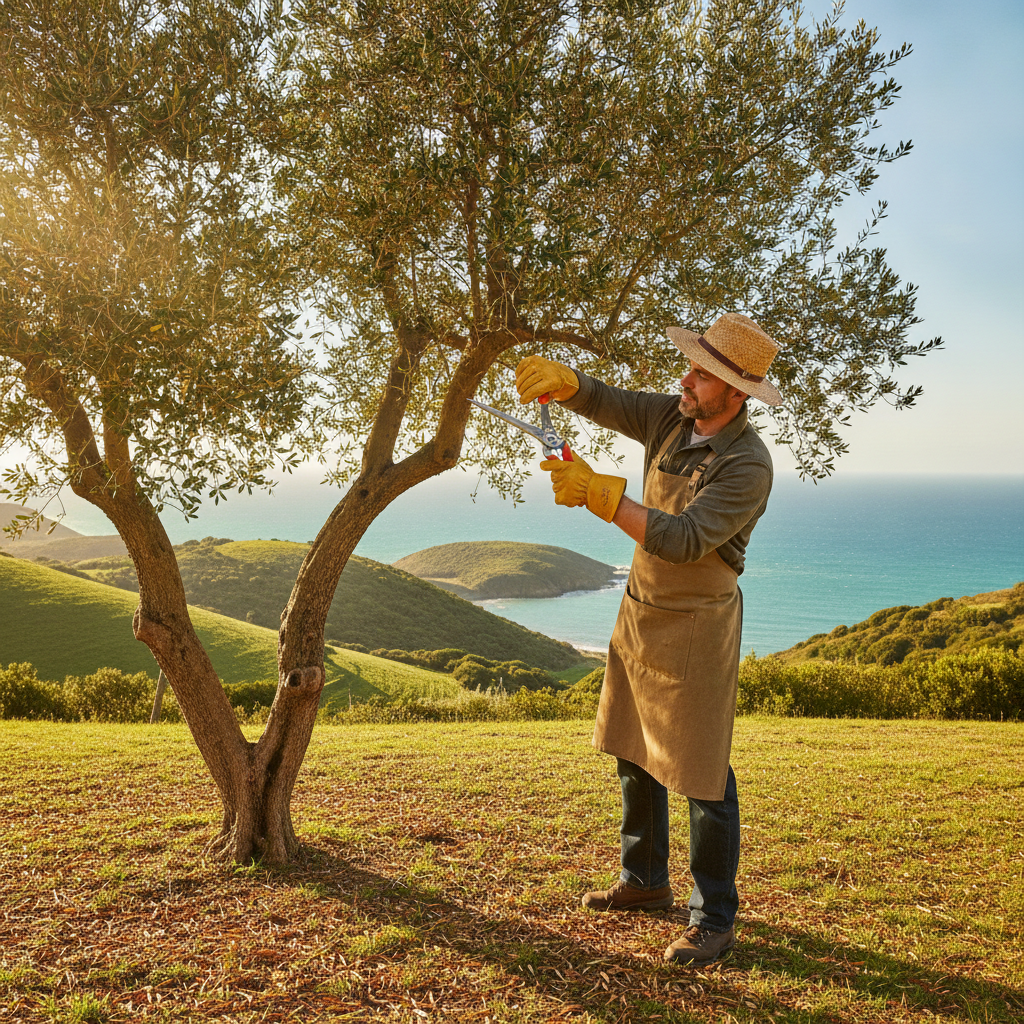
A healthy tree does not happen by accident. Behind every shady maple, tidy oak, or flowering crabapple on your property is a history of smart, well-timed cuts that shaped its growth and protected its structure. If you have ever typed professional tree pruning Blue Island near me into a search bar, you already know the stakes: a poorly pruned tree can become a hazard, while a well-pruned one adds beauty, shade, and real value to your property. This guide walks you through everything you need to know, from why pruning matters to when to do it, how it is done, what it costs, and how to choose the right crew. Whether you manage a storefront with a few landscape trees, own a rental property, or simply love your backyard, you will find practical, plain-spoken advice here. We will cover the science behind proper cuts, the warning signs that a tree needs attention, the seasonal calendar that works best for Midwest weather, and the common mistakes that cost homeowners thousands. By the end, you will feel confident making decisions about the trees you are responsible for, and you will know exactly what to ask before anyone climbs a ladder or fires up a chainsaw on your property.
Professional Tree Pruning in Blue Island: Why It Matters
Pruning is far more than a cosmetic chore. Every cut you make signals the tree to redirect energy, seal wounds, and grow in a new direction. Done correctly, it removes dead or diseased wood, reduces the risk of limbs failing in storms, and lets sunlight and air move through the canopy. Done poorly, it opens the door to rot, pests, and structural weakness that can shorten a tree’s life by decades. For related information, see Prime Tree Care, Inc.
Local conditions make the difference even sharper. Lake-effect winds, heavy spring rains, and freezing winters put real stress on trees in this region. A crew like Prime Tree Care, Inc understands how these pressures affect different species and can tailor cuts to the way trees actually grow here. Professional tree pruning near you also protects power lines, roofs, and sidewalks, which matters for businesses worried about liability as much as for homeowners worried about curb appeal.
Professional Tree Pruning Blue Island, IL: Signs Your Trees Need Attention
Trees rarely fail without warning. Learning to read the signals lets you act before a small problem becomes an expensive emergency. Walk your property a couple of times a year and look closely at each tree from the base to the crown. For related information, see expert tree pruning services in Blue Island.
- Dead, brittle, or leafless branches in an otherwise leafy canopy
- Branches rubbing against each other or growing toward the house
- Cracks, cavities, or fungus growing on the trunk or major limbs
- Limbs hanging over roofs, driveways, or utility lines
- Sudden leaning or exposed roots after a storm
Any one of these deserves a closer look. Several together usually mean it is time to bring in a certified arborist for an assessment. Catching problems early almost always means a smaller job and a smaller bill, and it keeps the tree healthy enough to recover quickly after the work is done.
Finding Professional Tree Pruning Near Me in Blue Island, Illinois
When you search for professional tree pruning Blue Island near me, you will see a long list of results, and not all of them are equal. Look for a company with verifiable insurance, certified arborists on staff, and a track record you can check. Reviews, photos of completed work, and clear written estimates are all good signs. A reputable business will happily explain what they plan to cut and why.
Ask whether they follow ANSI A300 pruning standards, which guide proper cutting practices across the industry. It also helps to choose a provider with a real local presence, such as Prime Tree Care, Inc, where you can read customer feedback and confirm the business address before booking. Beware of door-knockers who show up after storms with no credentials, since topping a tree or leaving ragged cuts can cause damage no one can undo.
The Best Time of Year to Prune
Timing shapes how well a tree responds to pruning. For most deciduous trees in the Midwest, late winter is the sweet spot. The tree is dormant, the branch structure is easy to see without leaves, and fresh cuts have time to start sealing as growth resumes in spring. Pests and diseases are also less active in cold weather, which lowers the risk of infection at the wound site.
There are exceptions. Spring-flowering trees such as lilacs and dogwoods should be pruned right after they bloom, or you will cut off next year’s flowers. Oaks should generally be pruned in the dormant season to avoid attracting beetles that spread oak wilt. Dead or hazardous limbs can come off at any time of year, because safety always outranks the calendar. If you are unsure about a specific species, a quick consult with a local arborist will save you from guessing wrong.
Common Pruning Techniques Explained
Professionals use several distinct techniques, and each serves a different purpose. Crown cleaning removes dead, diseased, and weak branches. Crown thinning selectively reduces density so wind passes through the canopy instead of pushing against it. Crown raising lifts the lower branches to clear walkways, signs, and vehicles. Crown reduction shortens the overall size of a tree when it has outgrown its space, using proper cuts to lateral branches rather than blunt chops.
Every technique relies on the same basic rule: cut just outside the branch collar, the slightly swollen area where a branch meets the trunk. This lets the tree seal the wound naturally. Flush cuts and stubs both invite decay. Good arborists also avoid removing more than about a quarter of the live canopy in a single season, because heavy removal stresses the tree and triggers weak, fast-growing shoots called water sprouts.
Pruning Schedule by Tree Type
Different trees want different care. The table below offers a quick reference for common landscape species in the region, though your arborist may adjust it based on the health and age of your specific trees.
| Tree Type | Best Pruning Window | Notes |
|---|---|---|
| Maple | Late summer or fall | Heavy sap flow in spring |
| Oak | Dormant season | Avoid spring and early summer |
| Crabapple | Late winter | Watch for fire blight |
| Dogwood | After blooming | Protects next year’s flowers |
| Evergreens | Late winter to early spring | Light shaping only |
DIY Pruning Versus Hiring a Pro
Small jobs, like snipping a low branch on a young tree with hand pruners, are perfectly reasonable weekend tasks. The trouble starts when the work involves height, heavy limbs, or proximity to power lines. Falls from ladders and chainsaw kickback send thousands of people to emergency rooms every year, and no landscape improvement is worth that risk.
Beyond safety, there is the question of tree health. An untrained cutter often removes the wrong branches, leaves stubs, or tops the tree, which creates weak regrowth and invites decay. A skilled crew brings climbing gear, rigging, and the knowledge to lower heavy limbs without damaging your roof or lawn. Professional tree pruning also typically comes with liability insurance, so if something goes wrong, you are not the one paying for it. For anything above head height, professional help is the smarter and safer investment.
What Professional Tree Pruning Costs
Pricing varies widely, and understanding the factors helps you judge whether a quote is fair. The biggest drivers are tree height, canopy spread, species, and how accessible the tree is. A small ornamental tree might cost a few hundred dollars to prune, while a large mature oak near structures can run well into four figures.
Other factors include the number of trees, the amount of cleanup and hauling you want, and whether the work involves hazards like nearby wires or fragile structures. Get at least two or three written estimates, and make sure each one describes the scope of work in detail. The cheapest bid is not always the best value. Underpriced work often means uninsured crews, rushed cuts, or leftover debris. Paying fairly for skilled work usually costs less over time than repairing the damage caused by a bad pruning job.
Questions to Ask Before You Hire
A few smart questions can separate real professionals from risky shortcuts. Before agreeing to any job, ask these:
- Are you insured for both liability and workers’ compensation?
- Do you have ISA certified arborists on your team?
- Will you follow ANSI A300 pruning standards?
- What exactly will you cut, and how much of the canopy will remain?
- Is cleanup and debris removal included in the quote?
A confident contractor answers these without hesitation. Be wary of anyone who recommends topping, pressures you to decide on the spot, or refuses to put terms in writing. If a tree is beyond saving, a reliable company will tell you honestly and discuss options such as expert tree pruning services in Blue Island alongside removal when it is truly necessary.
Aftercare for Freshly Pruned Trees
What happens after the cut matters just as much as the cut itself. Contrary to old advice, wound paint and sealants are generally unnecessary and can trap moisture against the tree. Healthy trees close their own wounds over time. Your best support is good overall care.
Water deeply during dry stretches, especially for younger trees, since pruning triggers new growth that needs moisture. Spread two to four inches of mulch around the base, keeping it a few inches away from the trunk to prevent rot. Hold off on heavy fertilizing right after pruning unless a soil test shows a deficiency. Watch for signs of stress, such as wilting leaves, oozing sap, or unusual sprouting, and call your arborist if anything looks off. Consistent, light follow-up care will help the tree rebound strongly and grow into the shape you planned.
Final Thoughts
Trees are long-term investments. They take years to mature, they raise property values, and they shape the feel of every yard and commercial lot they grace. Proper pruning protects that investment by keeping trees strong, safe, and beautiful through every season. The key points are simple: watch for warning signs, prune at the right time of year, use the correct technique for each species, and bring in qualified help when the job involves height, heavy limbs, or any kind of risk.
When you search for professional tree pruning Blue Island near me, take your time and compare more than price. Check credentials, read reviews, request written estimates, and ask the tough questions covered in this guide. A good arborist acts as a partner in the long-term health of your landscape, not just a one-time contractor. Remember that aftercare, steady watering, and regular inspections keep your trees thriving long after the saw is put away. Treat your trees well now, and they will reward you with shade, privacy, curb appeal, and peace of mind for decades to come. Start with a walkthrough of your property this week, note any concerns, and reach out to a trusted local professional to build a plan that fits your trees and your budget.