
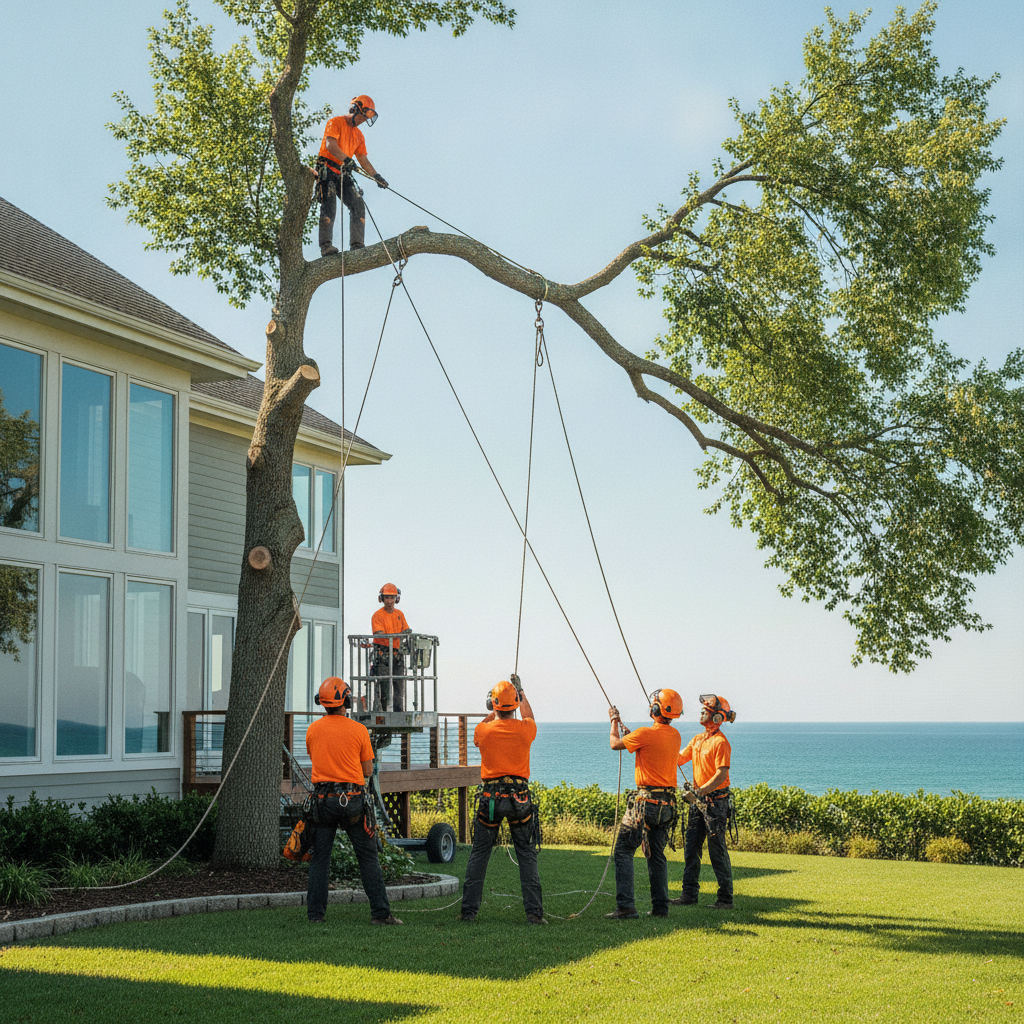
Every property owner eventually faces the same question: what do you do when a big, aging, or damaged tree stops being an asset and becomes a threat? Branches hang over rooftops, roots lift driveways, and storm season keeps everyone on edge. Hiring a professional tree removal company Blue Island residents can trust is not a luxury at that point. It is a safety decision, a financial decision, and often a legal one. Tree work looks simple from the ground, yet it is one of the most dangerous jobs in home and commercial maintenance. Heavy limbs fall in unpredictable directions, power lines hide in the canopy, and a single wrong cut can send thousands of pounds of wood onto a home or a neighbor’s fence. In this guide, we walk through why trained crews matter, what separates a pro from a risky shortcut, how costs and permits work, and how small business owners, developers, and homeowners can protect their property while keeping the local landscape healthy. Whether you are clearing a lot for construction, managing storm damage, or dealing with a dying oak, you will find practical, plain-spoken advice below to help you decide with confidence.
Why Blue Island Needs Professional Tree Removal Companies
Mature trees define the character of older neighborhoods, but age brings risk. Many trees in this part of the Chicago suburbs were planted decades ago, and they now tower over homes, garages, storefronts, and power lines. Clay-heavy soil, harsh winters, and fast-moving summer storms all stress root systems and weaken limbs. When a tree fails, the result is rarely small. A split trunk can crush a vehicle, a roof, or a commercial sign in seconds. That is why a professional tree removal crew is so valuable. They arrive with rigging, climbing gear, chippers, and the experience to dismantle a tree piece by piece rather than gambling on a single dramatic fall. They also carry insurance that protects you if something goes wrong. For small business owners, a single uninsured accident can mean lawsuits and weeks of lost revenue. Pros assess lean, rot, and surrounding structures before a saw ever starts, which keeps people and property safe. For related information, see tree removal.
Professional Tree Removal Company Blue Island, IL: What You Get
When you hire a professional tree removal company Blue Island, IL property owners gain far more than a worker with a chainsaw. You get a trained team that understands local soil conditions, common species, and municipal requirements. A reputable crew starts with a site walk, identifies hazards, and explains the plan in plain language. They protect lawns, irrigation lines, and hardscaping with mats and careful routing. They also bring commercial-grade equipment, including bucket trucks, cranes for tight spaces, and stump grinders that handle roots without tearing up your yard. For businesses and developers, the benefit is predictability. A professional provides a written estimate, a clear timeline, and proof of coverage before work begins. Larger projects such as professional tree removal company Blue Island lot clearing jobs also require coordination with grading, utilities, and construction schedules, which seasoned crews handle routinely. That reliability keeps projects on budget and avoids the expensive delays that come with improvised, do-it-yourself solutions. For related information, see professional tree removal company Blue Island.
Professional Tree Removal Company in Blue Island, Illinois: Local Expertise
Local knowledge matters more than most people realize. A professional tree removal company in Blue Island, Illinois understands which species thrive here, which ones struggle, and which pests are active this year. Emerald ash borer, for example, has devastated ash trees across the Chicago region, leaving countless dead or dying specimens that are brittle and dangerous to climb. A local crew recognizes the warning signs quickly: thinning crowns, woodpecker damage, and bark splitting in vertical lines. They also know how to work around the tight lots, overhead utilities, and close-set buildings common in older neighborhoods. Established teams stay connected to the community, so a reputation built over years is on the line with every job. If you want to verify a provider, check recent reviews, look at Prime Tree Care, Inc listings for real customer feedback, and ask how long they have served the area. Trust is earned through consistent, safe work on neighbors’ properties.
The Real Dangers of DIY Tree Removal
Social media is full of confident weekend warriors dropping trees, and just as full of videos that end badly. Tree felling is physics under pressure. A trunk under tension can barber-chair, splitting upward and kicking back toward the cutter. A limb that looks light can weigh several hundred pounds, and gravity does not negotiate. Ladders and chainsaws are a notorious combination, and emergency rooms see the results every spring and fall. Beyond personal injury, there is property risk. A misjudged fall can flatten a fence, shatter a window, or strike a utility line, which creates both a safety emergency and a repair bill. Homeowner insurance may also deny claims when damage results from untrained work. Professionals use controlled lowering techniques, spotters, and redundant ropes so that every piece goes exactly where it is meant to go. Saving a few hundred dollars is not worth risking a catastrophic outcome, especially when the cost of one mistake can exceed the price of hiring qualified help many times over.
Warning Signs a Tree Should Come Down
Not every unhealthy tree needs removal, but some signals should never be ignored. Knowing them helps you act before an emergency forces your hand.
- A noticeable lean that has worsened recently, especially after storms or soil disturbance.
- Large dead branches or a canopy with sparse, brown leaves during the growing season.
- Cracks, deep cavities, or fungal growth such as mushrooms at the base of the trunk.
- Roots lifting sidewalks or foundations, or exposed roots that appear damaged.
- Branches growing into power lines or pressing against the roof.
If you notice two or more of these signs, schedule an assessment. A certified crew can tell you whether pruning, cabling, or full removal is the smarter path. Early evaluation often costs far less than waiting until a limb has already fallen.
Understanding Tree Removal Costs
Pricing varies because every tree and every site is different. Height, trunk diameter, species, condition, and access all influence the estimate. A tall tree near a house and power lines demands more labor, more equipment, and more caution than a small tree in an open yard. Stump grinding, debris hauling, and wood chip disposal can be bundled or priced separately, so always ask what is included. Emergency calls after storms typically cost more because crews work at odd hours under hazardous conditions. Be wary of unusually low quotes. They often signal missing insurance, unsafe practices, or hidden fees that appear later. A trustworthy company provides a written estimate that spells out the scope, cleanup, and payment terms. Comparing two or three itemized quotes gives you a realistic picture of fair market pricing. Remember that you are paying for expertise, liability coverage, and peace of mind, not just the physical removal of wood. The table below summarizes common cost factors.
| Cost Factor | Why It Matters | Typical Impact |
|---|---|---|
| Tree height and diameter | Larger trees need more time, rigging, and equipment | High |
| Access and obstacles | Tight yards, fences, and utility lines slow the work | Medium to high |
| Tree condition | Dead or decayed wood is unpredictable and riskier | Medium |
| Stump grinding | Removes the remaining base and major roots | Low to medium |
| Debris hauling | Disposal and cleanup labor and fees | Low to medium |
Permits, Regulations, and Liability
Many municipalities regulate tree removal, particularly for large or protected trees, trees in public right-of-way, and trees on commercial development sites. Rules differ, and fines for violations can be steep. A knowledgeable professional tree removal company Blue Island property owners rely on will know when a permit is required and can guide you through the paperwork. Developers in particular need clarity, since clearing land without proper authorization can halt a project and trigger penalties. Liability is the other half of the equation. Always request proof of general liability insurance and workers’ compensation before work starts. If an uninsured worker is hurt on your property, you could be held responsible for medical costs. If a falling limb damages a neighbor’s building, your policy may not cover negligence by an unlicensed contractor. Verified coverage protects everyone involved and signals that the company operates professionally. Asking for documents is not rude. It is standard practice, and reputable companies expect and welcome the question.
Emergency Storm Response Matters
Illinois weather can turn on a dime. Straight-line winds, ice storms, and summer thunderstorms regularly topple trees or leave dangerous hanging limbs. After a storm, the instinct is to start cleaning up immediately, but that is when injuries spike. Downed trees can hide energized power lines, and trunks under tension can shift suddenly when cut. Professional crews arrive with the right equipment and training to evaluate hazards before touching a single branch. They can clear driveways, free trapped vehicles, and tarp damaged roofs while coordinating with utilities when lines are involved. For businesses, fast response means fewer lost customers and a quicker reopening. Keep a trusted company’s number saved before storm season so you are not scrambling during a crisis. If you have a damaged tree and are unsure whether it is stable, stay clear, keep children and pets away, and call a professional. A quick assessment now can prevent a second, worse failure later.
Lot Clearing for Developers and Businesses
Developers and commercial owners face a different set of challenges than homeowners. Clearing a site for construction means removing multiple trees, brush, and stumps efficiently while meeting environmental and municipal requirements. Time is money, so delays from poor planning or unreliable contractors can ripple through an entire build schedule. Experienced crews coordinate with surveyors, excavators, and site managers so that clearing happens in the right sequence. They also handle wood waste responsibly, whether through chipping, milling, or hauling. Selective clearing is another valuable service, preserving healthy specimen trees that add value and curb appeal while removing hazardous or obstructive ones. A thoughtful plan can boost property value and reduce future maintenance liabilities. For small business owners expanding a parking lot or adding a building, professional clearing prevents surprises like buried roots, hidden utilities, or unstable trees along the property line. Hiring specialists at the start of the project is almost always cheaper than fixing mistakes later.
How to Choose the Right Tree Service
Choosing well takes a little homework, but the payoff is significant. Start by confirming insurance and asking whether crews include certified arborists, who understand tree biology as well as cutting technique. Request a written estimate, and compare scope rather than just price. Ask how the company handles cleanup, stump removal, and property protection. Read recent reviews across multiple platforms, and look for patterns in comments about punctuality, communication, and tidiness. Beware of door-to-door solicitors who appear right after a storm, pressure you to decide immediately, or ask for large upfront payments. A reliable provider welcomes questions, explains risks honestly, and will tell you when removal is not necessary. Check how long they have operated locally and whether they offer emergency service. Finally, trust your instincts. If communication feels sloppy before the job begins, it rarely improves during it. A professional tree removal company Blue Island residents recommend will earn that reputation through transparency and consistent results.
Final Thoughts
Trees are valuable, but only when they are healthy and stable. When one becomes a hazard, the safest and smartest move is to bring in trained experts. A qualified crew protects your family, your employees, your customers, and your property while handling the physical work, the cleanup, and the paperwork that most people would rather avoid. Throughout this guide, we have seen why professional crews matter: they reduce injury risk, carry insurance, understand local conditions, and complete projects faster and cleaner than any weekend attempt. We also covered warning signs to watch for, the factors that shape pricing, the importance of permits and liability coverage, and how emergency response and lot clearing fit into the bigger picture. The common thread is simple. Planning ahead costs less than reacting to a crisis. Schedule an inspection before storm season, ask for itemized estimates, and verify credentials before any saw is started. If a tree on your property looks questionable today, do not wait for the next windstorm to answer the question for you. Reaching out to a professional tree removal company Blue Island owners trust is a small step that can prevent a very large and very expensive problem down the road.