Trimming your fruit trees is essential for their health and fruit production. Start by using the right tools like pruning shears and loppers to make clean cuts. Focus on pruning in late winter or summer, depending on the type of tree you have. Identify and remove dead or crossing branches to encourage growth. After trimming, care for your trees with consistent watering and mulch. There’s plenty more to explore on ensuring your trees thrive post-trimming.
Key Takeaways
- Use quality pruning tools like shears, loppers, and saws, and always wear protective gear for safety.
- Trim during optimal times: late winter for dormant trees and summer for shaping and thinning.
- Identify and remove dead, damaged, or crossing branches to improve tree health and airflow.
- Apply specific pruning techniques based on tree type, ensuring clean cuts for better recovery.
- After trimming, maintain moisture, monitor for pests, and add mulch to support growth.
Essential Tools for Fruit Tree Trimming

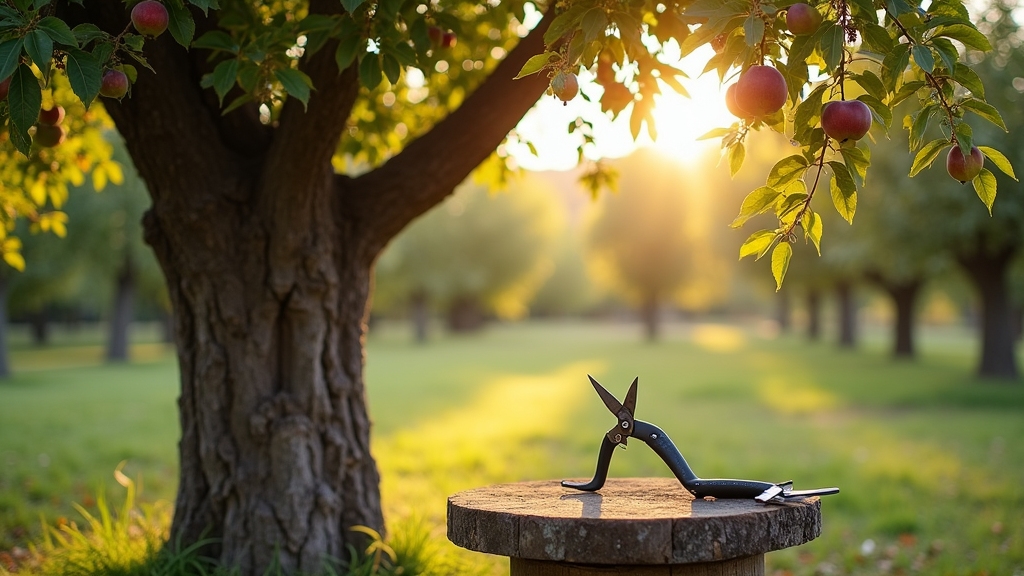
When you’re ready to trim your fruit trees, having the right tools can make all the difference. First, invest in a good pair of pruning shears. They’re essential for making clean cuts on smaller branches, ensuring your trees heal properly.
For thicker branches, you’ll need loppers; they give you more leverage and reach. Don’t forget a pruning saw for those larger limbs—you want to maintain trimming safety while working efficiently.
Additionally, wearing protective gear, like gloves and goggles, can help you stay safe during seasonal pruning. A sturdy ladder is also important for reaching higher branches without risking a fall.
Finally, consider a pole pruner for those hard-to-reach spots. With the right tools, you’ll not only make your trimming easier but also promote healthier growth in your fruit trees. So, gear up and get ready to enjoy the fruits of your labor!
Best Times to Trim Your Fruit Trees

Knowing the best times to trim your fruit trees can greatly enhance their health and productivity. For most varieties, winter pruning is ideal. During this dormant season, trees focus their energy on recovery, making it easier for you to shape them and remove dead or diseased branches.
Aim for late winter, just before spring starts, to encourage vigorous growth.
On the other hand, summer shaping is beneficial for managing growth and improving air circulation. It’s the perfect time to remove excess shoots and thin out dense areas.
This not only helps the tree stay healthy but also improves fruit quality by allowing more sunlight to reach the remaining branches.
Identifying Branches to Trim: Best Practices
To maintain a healthy fruit tree, it’s essential to identify which branches to trim. Start by evaluating branch health; look for any dead, damaged, or diseased branches that can hinder growth. These branches not only sap energy but also invite pests and diseases.
Next, observe the tree’s growth patterns. Identify branches that cross or rub against each other, as they can create wounds and lead to infections.
Additionally, focus on branches growing inward or downward, as these can crowd the center of the tree, limiting air circulation and light penetration. Ideally, you want to encourage an open canopy that promotes healthy growth.
Remember to stand back and visualize the tree’s overall shape; this can help you decide which branches to remove for maximum fruit production. Following these guidelines will guarantee your tree thrives and yields delicious fruit for years to come.
Techniques for Pruning Different Types of Fruit Trees
Pruning fruit trees can vary considerably based on the type of tree you’re working with, and mastering a few key techniques will make all the difference.
For apple and pear trees, focus on thinning out crowded branches during late winter or early spring. This encourages better airflow and sunlight penetration.
When dealing with stone fruits like cherries and peaches, prune in late summer after harvesting, as this helps reduce the risk of disease.
For citrus trees, aim to prune lightly in early spring, removing only dead or crossing branches.
Remember, seasonal considerations are essential; each type of tree has its ideal pruning time. Always use sharp tools and make clean cuts to promote healing.
How to Care for Your Trees After Trimming
After trimming your fruit trees, it’s important to give them the care they need to recover and thrive.
Proper post trim care is essential for healthy growth. Here are some tips to guarantee your trees bounce back:
– Watering Techniques: Guarantee your trees receive consistent moisture, especially in the weeks following trimming.
Deep watering helps roots re-establish.
– Fertilization Tips: Apply a balanced fertilizer a few weeks after trimming.
This can provide the nutrients needed for new growth.
– Pest Management: Keep an eye out for pests.
Apply organic treatments if you notice any signs of infestation, as trimmed trees can be more vulnerable.
– Mulching: Spread mulch around the base to retain moisture and suppress weeds.
Frequently Asked Questions
How Often Should I Trim My Fruit Trees?
You should trim your fruit trees annually during late winter or early spring. This promotes healthy tree growth and allows you to apply effective trimming techniques, ensuring better fruit production and overall tree health.
What Is the Best Way to Dispose of Trimmed Branches?
You can dispose of trimmed branches by composting them or using a wood chipper. Composting breaks them down naturally, while a wood chipper transforms them into mulch, both helping your garden thrive.
Can I Trim Fruit Trees in Winter?
Yes, you can trim fruit trees in winter during their dormancy. Winter pruning helps shape the tree and encourages healthy growth when spring arrives. Just guarantee temperatures aren’t too cold to avoid damaging the branches.
Are There Specific Pests to Watch for After Trimming?
Yes, after trimming, watch for pests like aphids and scale. Focus on pest identification to protect your tree health. Regular inspections and prompt action can help prevent infestations and guarantee your fruit trees thrive.
How Do I Know if My Tree Needs Trimming?
You’ll know your tree needs trimming if you notice poor tree health or irregular growth patterns. Look for overcrowded branches, dead limbs, or stunted growth, which indicate it’s time to give your tree some attention.
Final Thoughts
Proper fruit tree trimming is one of the most effective ways to encourage healthy growth, improve fruit quality, and extend the life of your trees. By using the right tools, trimming at the correct time, and following up with attentive aftercare, you set your trees up for consistent and productive harvests year after year. Regular maintenance also helps prevent disease, overcrowding, and structural issues that can limit fruit production over time.
If you’d prefer expert support or want to ensure your trees are pruned correctly for long-term success, Prime Tree Care, Inc offers professional solutions tailored to your needs. Our team provides precise tree pruning and reliable tree trimming services designed to promote healthier fruit trees and safer landscapes. You can also explore our full range of tree care services for ongoing maintenance or specialized support.
Ready to give your fruit trees the care they deserve? Contact Prime Tree Care, Inc today through our Contact Us page to schedule a professional trimming consultation and keep your trees productive for seasons to come.