
To identify and fix root rot, start by looking for yellowing leavesor foul odors. Check your roots; healthy ones are white and firm, while rotting roots are black and slimy. Overwatering is a common cause, so guarantee your pot has drainage holes. Water less frequently and test soil moisture before watering. Trim any damaged roots and use nutrient-rich, well-draining soilfor recovery. Stick around to uncover more tips for maintaining long-term root health.
Key Takeaways
- Inspect roots for signs of rot: healthy roots are firm and white, while rotten roots appear black and slimy.
- Trim affected roots with sterilized scissors to prevent further spread of rot.
- Ensure proper drainage by using pots with holes and avoiding overwatering practices.
- Monitor soil moisture regularly; wait until the top inch of soil dries before watering.
- Maintain a nutrient-rich soil environment and check pH levels for optimal root health.
Recognizing Root Rot: Signs You Can’t Ignore
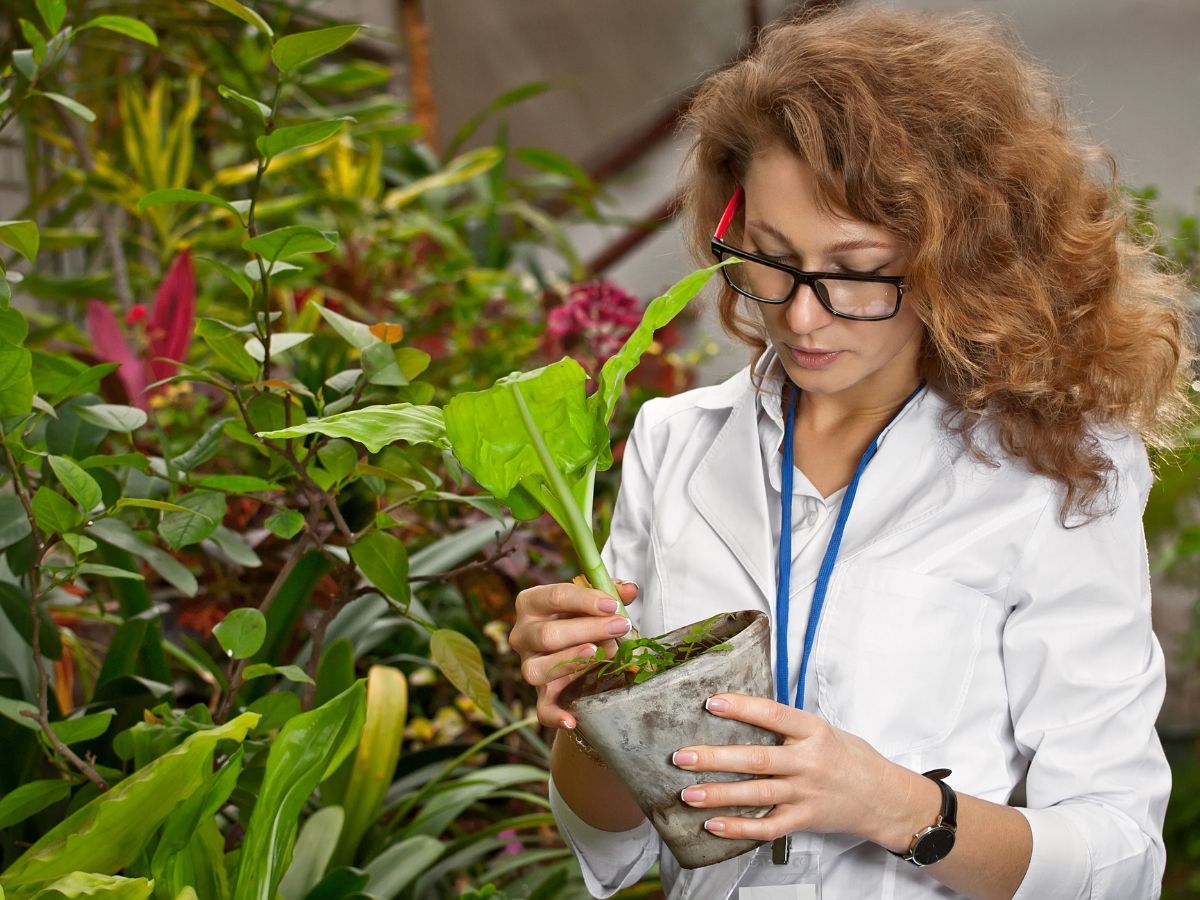
Recognizing root rotis crucial, especially since early intervention can save your plants. Start by checking your plant’s leaves; yellowing or wiltingoften signals trouble.
Use a symptom checklist to identify other key signs, like a foul odoror mushy roots when you gently remove the plant from its pot. If you notice stunted growthor persistent drooping, that’s an early warning you shouldn’t ignore.
Healthy roots should be firm and white, while rotting ones appear black and slimy. Pay attention to these indicators, and don’t wait too long to act. The sooner you recognize root rot, the better chance you have to revive your plants and restore their health.
Understanding the Causes of Root Rot
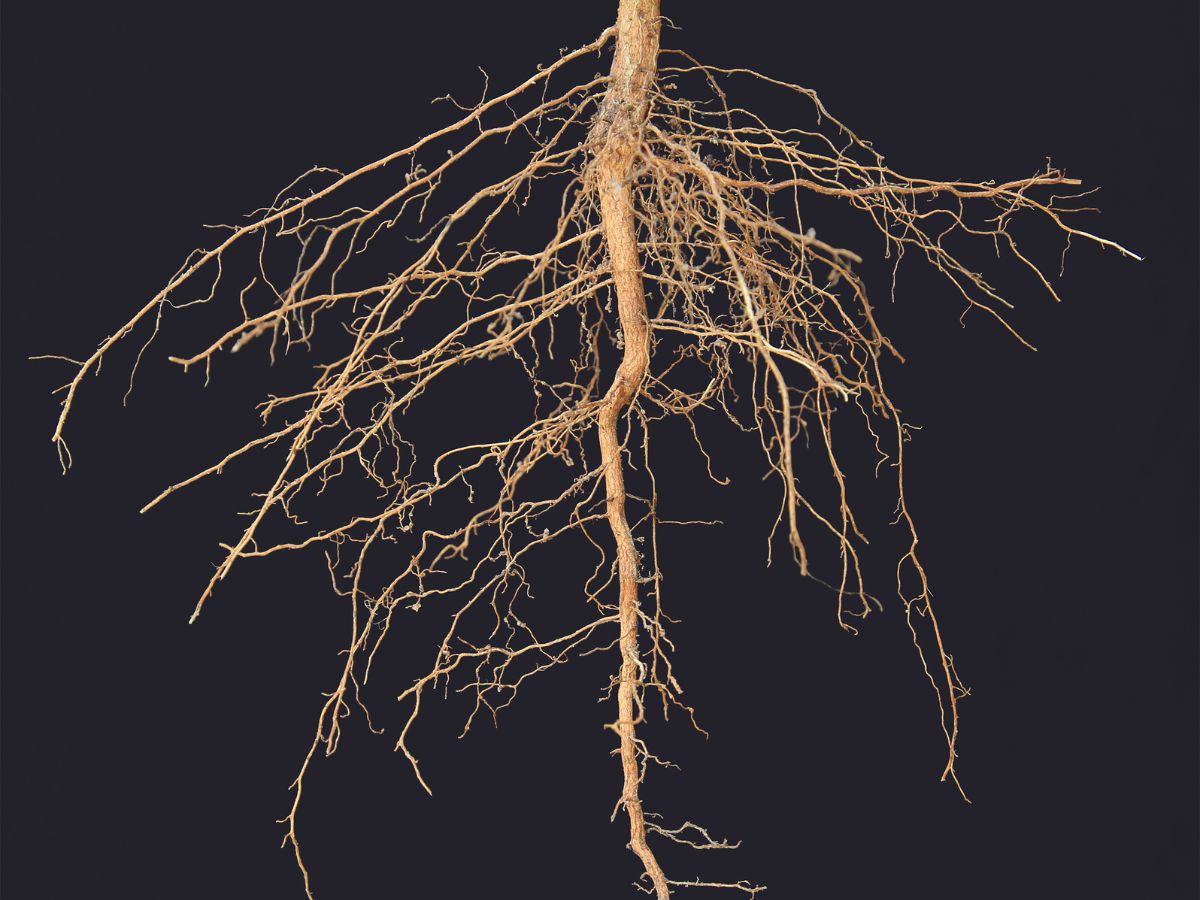
While root rot can seem like a mysterious problem, understanding its causes can help you prevent it. Several factors contribute to this issue:
Understanding root rot is key to prevention; knowing its causes can make all the difference for your plants.
- Overwatering Symptoms: Too much water leads to high moisture levels, creating a perfect environment for root pathogens.
- Drainage Issues: Poor drainage prevents excess water from escaping, suffocating roots and hindering soil aeration.
- Environmental Stress: Factors like temperature changes or pests can weaken plant resilience, making it more susceptible to disease.
Assessing Your Plant’s Health and Roots
After identifying the causes of root rot, it’s important to assess your plant’s health and roots to determine the extent of the damage.
Start with a thorough root inspection. Gently remove the plant from its pot and check the roots. Healthy rootsare firm and white, while rotting roots appear brown or mushy. If you see signs of rot, trim away the affected roots with sterilized scissors.
Next, examine the leaves and stems for yellowing or wilting, which can indicate stress.
Consider the overall growth pattern—stunted growth can also signal deeper issues. By closely monitoring these signs, you can make informed decisions in your plant care routine, ensuring your plant has the best chance for recovery.
Best Watering Practices to Prevent Root Rot
To prevent root rot, it’s essential to adopt the right watering practices that keep your plants healthy and thriving. Here are some effective strategies to guarantee proper moisture control and drainage techniques:
- Watering Schedule: Stick to a regular schedule, allowing the top inch of soil to dry out before watering again. This helps avoid over-saturation.
- Check Drainage: Always use pots with drainage holes. This guarantees excess water can escape, preventing stagnant moisture that leads to root rot.
- Watering Method: Water deeply but less frequently. This encourages roots to grow deeper and helps maintain a balanced moisture level.
Choosing the Right Soil and Pot for Drainage
Choosing the right soil and pot is essential for preventing root rot.
You’ll want a soil mix that offers good drainage, and the pot size should accommodate your plant’s growth without holding too much moisture.
Let’s explore how these factors can make a significant difference in your plant’s health.
Soil Composition Matters
While many factors contribute to root rot, the right soil and pot can make all the difference in preventing it.
To choose the best soil, consider these key aspects:
- Soil Types: Opt for a mix that includes organic matter like peat or compost to enhance nutrient balance and moisture retention.
- Drainage Properties: Make sure your soil drains well; look for coarse materials like perlite or sand to prevent waterlogging.
- pH Levels: Check the pH levels of your soil, aiming for a range that suits your plant’s needs, typically between 6.0 and 7.0 for most houseplants.
Pot Size Selection
The right pot sizeplays a significant role in preventing root rot, complementing the soil’s drainage capabilities. When selecting a pot, consider both pot depth and the container material.
A pot that’s too deep can hold excess moisture, while a shallow one mightn’t provide enough space for root growth. Choose a container made from breathable materialslike terracotta or wood, as they allow for better air circulation and moisture evaporation.
Make sure the pot has drainage holesto prevent water buildup, which is essential for healthy roots.
Step-by-Step Treatment for Root Rot
To effectively tackle root rot, you can follow a straightforward step-by-step treatment process. Start by evaluating the extent of the damage and taking immediate action to restore root health. Here’s how you can proceed:
- Remove the Plant: Gently take the plant out of its pot and inspect the roots. Trim away any dark, mushy roots with sterilized scissors.
- Clean the Pot: Wash the container thoroughly with soap and water to eliminate any lingering pathogens.
- Replant with Care: Use fresh, well-draining soil and make sure the new pot has adequate drainage holes. This promotes recovery methods that support healthy root growth.
Best Practices for Long-Term Root Health Maintenance
To keep your plant roots healthy long-term, you need to adopt proper watering techniquesand regularly assess soil quality.
Overwatering can lead to root rot, so finding that sweet spot is essential.
Additionally, ensuring your soil is nutrient-richand well-draining will support robust root growth.
Proper Watering Techniques
When you water your plants, remember that consistency is key for maintaining healthy roots.
To guarantee your plants thrive, follow these best practices for proper watering techniques:
- Check moisture levels: Use your finger to test the soil. If it’s dry an inch below the surface, it’s time to water.
- Implement drainage solutions: Confirm your pots have drainage holes to prevent water from pooling, which can lead to root rot.
- Water thoroughly: When you do water, do it slowly and evenly until excess moisture drains from the bottom, ensuring the roots receive adequate hydration.
Soil Quality Assessment
Healthy roots rely not just on proper watering, but also on the quality of soil they grow in.
Start by examining soil texture; a mix of sand, silt, and clay promotes healthy drainage and moisture retention.
Make sure your nutrient balanceis right, as plants need various elements to thrive.
Check pH levels; most plants prefer a range of 6.0 to 7.5 for ideal growth.
Incorporate organic matterto enhance microbial activity, which aids in nutrient breakdown.
Watch for compaction issues that hinder root expansion and water flow.
Finally, evaluate drainage capacity; poorly draining soil can lead to root rot.
Frequently Asked Questions
Can Root Rot Affect Multiple Plants in the Same Pot?
Yes, root rot can affect multiple plants in the same pot. Poor pot selection and inadequate drainage compromise root health, allowing rot to spread. It’s essential to choose pots that promote proper airflow and drainage.
Is Root Rot Contagious Between Different Plant Species?
Root rot isn’t contagious between different plant species, but plant pathogens thrive in overly moist soil. Keep soil moisture balanced to prevent the spread of harmful fungi and protect your plants from potential damage.
How Can I Tell if My Plant Is Recovering From Root Rot?
You’ll notice plant recovery signs like new, healthy growth, vibrant leaves, and improved overall vigor. Check root health indicators, such as firm, white roots without a foul smell, signaling your plant’s comeback from root rot.
What Types of Plants Are Most Susceptible to Root Rot?
Certain plants, like succulents and ferns, are more prone to root rot. Common symptoms include yellowing leaves and a mushy stem. To prevent issues, guarantee proper drainage and avoid overwatering your plants.
Can Environmental Factors Cause Root Rot Even With Proper Care?
Yes, environmental factors can cause root rot despite your care. Soil moisture, drainage issues, temperature fluctuations, humidity levels, and pot size all influence your plant’s health. Keep these in check to prevent problems.
Final Thoughts
Knowing how to identify and fix root rot early can make a big difference in protecting the health, stability, and long-term growth of your trees and plants. AtPrime Tree Care, we believe the best results come from catching problems early, improving soil and drainage conditions, and giving damaged roots the professional attention they need before the issue spreads. Whether you need help protecting tree health through experttree pruning, improving overall structure with professionaltree trimming, or removing a severely affected tree with safetree removal, our team is here to help. To keep your property safe and your landscape in the best possible condition, explore our fullservicesorcontact ustoday.