
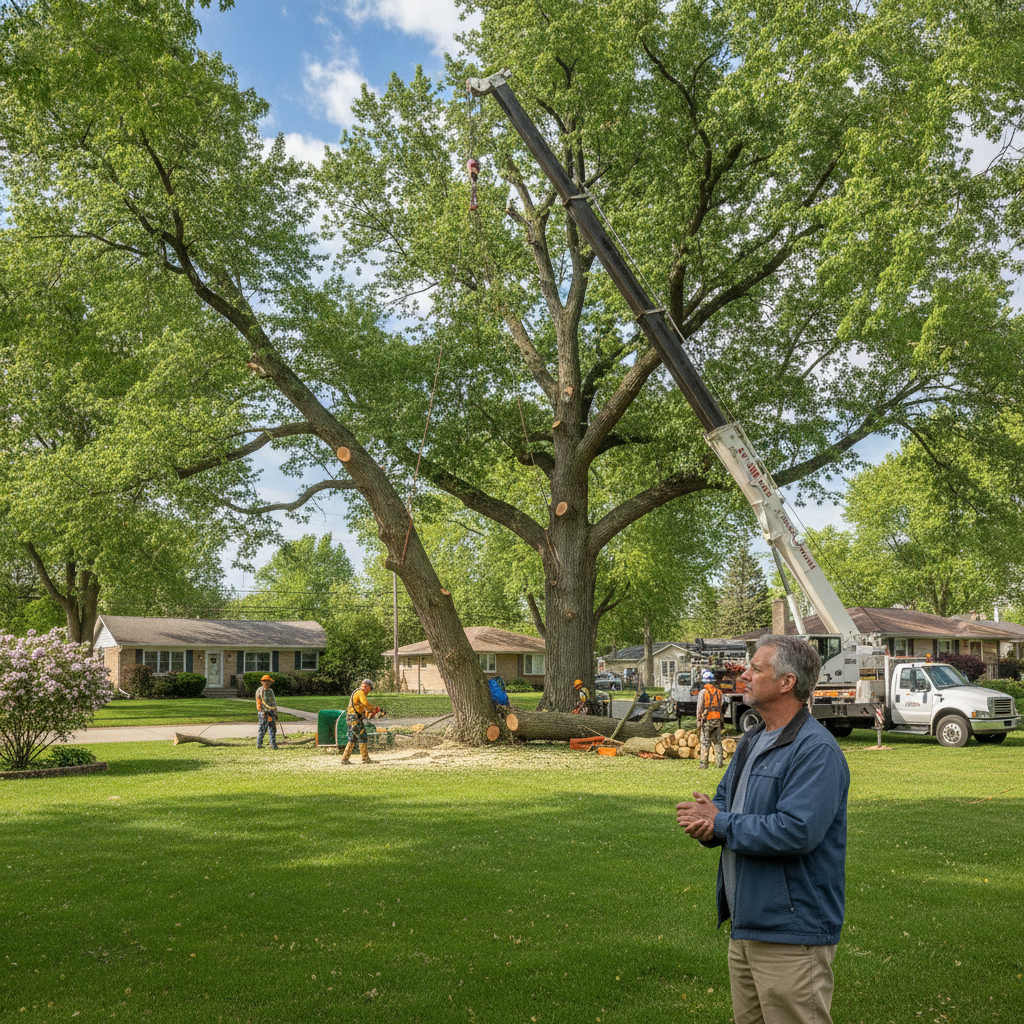
When it comes to removing trees, understanding what drives the cost is key for property owners and business managers alike. Whether you’re a developer planning a new project or a local resident dealing with a hazardous tree, the price of tree removal can vary dramatically. Factors such as tree size, location, accessibility, and even the time of year all play a part. If you’re searching for a reliable Tree Removal Company Blue Island IL property owners trust, it’s important to know what goes into the pricing before you make any decisions. This guide breaks down the most influential cost factors, highlights what makes each job unique, and offers practical insights to help you budget smartly for your next tree removal project. Let’s explore what truly changes the price and how you can make informed choices for your property’s safety and value.
Tree Size and Species: The Starting Point
The size and species of a tree are usually the first things professionals consider when estimating removal costs. Larger trees require more time, labor, and specialized equipment to bring down safely. For example, removing a mature oak or maple can be far more complex than handling a small ornamental tree. Additionally, certain species have denser wood or more extensive root systems, which can increase the effort required. Some trees, like cottonwoods, are notorious for their size and sprawling branches, while others, such as pines, may be easier to manage but still present unique challenges. When contacting a Tree Removal Company Blue Island IL residents rely on, be prepared to provide details about your tree’s type and dimensions. This information helps ensure you get an accurate quote and understand why size and species matter so much in the overall cost equation.
Accessibility: How Location Impacts Price
Not all trees are equally easy to reach. Accessibility is a major factor in determining the final price of removal. Trees located in tight backyards, close to buildings, or near power lines require careful maneuvering and sometimes even specialized equipment. This can mean additional labor hours and potentially higher costs. On the other hand, a tree in an open field or with clear access for trucks and cranes is typically less expensive to remove. Urban properties often present more logistical challenges than rural sites, especially when there are fences, landscaping features, or narrow driveways involved. When you reach out to Prime Tree Care, Inc, providing photos or a site visit can help the team assess accessibility and give you a more precise estimate. Remember, the easier it is to get to the tree, the less you’re likely to pay.
Health and Condition: Assessing Tree Stability
The health and condition of a tree can significantly impact removal costs. Diseased, dead, or structurally compromised trees may be more dangerous to remove, requiring additional safety measures. For instance, a tree with a hollow trunk or extensive rot might be at risk of collapsing unexpectedly during removal, which calls for extra caution and potentially more manpower. Conversely, healthy trees, while still requiring skill to remove, often present fewer unpredictable hazards. Local professionals offering Tree Service in Blue Island, IL will typically conduct an assessment before providing a quote, looking for signs of decay, pest infestation, or storm damage. Addressing these issues early can sometimes reduce costs, as waiting until a tree is in poor condition may increase both the risk and the price of removal.
Equipment and Crew Requirements
Every tree removal job is unique, and the type of equipment and size of the crew required can have a big influence on the final bill. Large or hazardous trees may demand cranes, bucket trucks, or even rigging systems to ensure safe removal. Smaller trees might only need chainsaws and a two-person crew. The need for specialized machinery, such as stump grinders or wood chippers, can also add to the cost. If the tree is near structures or power lines, additional safety gear and more experienced crew members may be necessary. For those interested in learning more about specific techniques, check out How to Prune Mature Shade Trees in Blue Island IL Without Weakening Their Structure. Ultimately, the more complex the job, the more resources are required, and that is reflected in the price you pay.
Permits, Local Codes, and Insurance Considerations
Before any tree removal project begins, it’s crucial to consider the need for permits and compliance with local codes. Many municipalities require property owners to obtain permits for tree removal, especially for large or protected species. These regulations are designed to preserve the urban canopy and ensure public safety. Failing to secure proper documentation can lead to fines or delays. Additionally, reputable companies carry liability insurance to protect both their crew and your property in case of accidents. Insurance coverage is a cost factor often built into the price, offering peace of mind for clients. To understand how inspections can uncover hidden risks and help you stay compliant, see How Tree Service Inspections Help Blue Island IL Property Owners Catch Hidden Hazards Early. Always confirm that your chosen provider is fully licensed and insured before proceeding with any removal work.
Seasonal Demand and Scheduling
The time of year can have a surprising impact on tree removal costs. During peak seasons, typically late spring through early fall, demand for professional tree services tends to surge. This can lead to longer wait times and, in some cases, higher prices due to increased workload. Conversely, scheduling removal during the off-season, such as winter, may yield more competitive rates and faster service. Weather conditions also play a role; frozen ground can make access easier for heavy equipment, while wet or muddy conditions may complicate the process. Property owners who plan ahead and book services during less busy periods can often benefit from discounts or more flexible scheduling. By understanding how seasonal trends affect availability and pricing, you can better time your project for maximum value and convenience.
Disposal and Cleanup: What Happens After the Tree Is Down
Tree removal is only part of the process, disposing of the wood, branches, and debris is another significant factor in the overall cost. Some companies include basic cleanup in their estimates, while others may charge extra for hauling away large logs, grinding stumps, or removing wood chips. If you want the area left spotless or need the stump fully removed, expect to pay a premium. Conversely, if you’re willing to handle some of the cleanup yourself, you might be able to save on costs. Be sure to clarify with your provider what is included in their service and what might incur additional fees. Proper disposal is essential for safety and aesthetics, and a thorough cleanup ensures your property is ready for its next phase, whether that’s landscaping, construction, or simply enjoying a clear, open space.
Emergency Removals and After-Hours Service
Emergencies, such as storm-damaged or fallen trees, often require immediate attention. Emergency tree removal typically comes at a premium due to the urgency, potential hazards, and the need for rapid response. Crews may need to work after hours, in adverse weather, or under challenging conditions to restore safety and access. These situations often involve additional risks and may require specialized equipment or extra personnel, which is reflected in the price. If you find yourself needing urgent service, it’s helpful to have a trusted local provider on speed dial. While emergency removals are more costly, the peace of mind and quick resolution they provide are well worth the investment, especially when property or personal safety is at stake. Always ask about emergency service policies and fees before disaster strikes.
Stump Removal and Root System Complexity
Stump removal is often a separate service from tree felling and can significantly affect the total project cost. The complexity of the root system, the size of the stump, and the desired outcome (surface-level grinding versus full root extraction) all play a role. Some property owners opt to leave the stump in place to save money, but this can lead to issues like regrowth, pest infestations, or obstacles for future landscaping. Grinding is the most common method, but deeper removal may be necessary for construction or replanting. The type of tree also matters, hardwoods tend to have more extensive root systems than softwoods. When budgeting for tree removal, be sure to discuss stump options with your provider so you can make an informed decision that aligns with your long-term plans for the property.
Comparing Estimates: What to Look For
When you receive estimates from different tree removal companies, it’s important to compare more than just the bottom line. Look closely at what each quote includes, such as cleanup, stump grinding, and disposal, as well as the company’s credentials and insurance coverage. Some providers may offer a lower price but exclude essential services, leading to unexpected expenses later. Others may have higher upfront costs but deliver comprehensive, hassle-free results. Ask for itemized quotes and don’t hesitate to request clarification on any unclear charges. Reviewing references and checking for proper licensing can also help you identify reputable professionals. By evaluating all aspects of the estimate, you can choose a provider who offers both value and peace of mind, ensuring your tree removal project goes smoothly from start to finish.
Sample Cost Comparison Table
| Factor | Typical Impact on Cost | Notes |
|---|---|---|
| Tree Size | High | Larger trees require more labor and equipment. |
| Accessibility | Moderate to High | Difficult locations increase costs. |
| Tree Health | Moderate | Unstable or diseased trees may need extra precautions. |
| Equipment Needed | Varies | Specialized gear adds to cost. |
| Permits/Insurance | Low to Moderate | Required for compliance and safety. |
| Cleanup/Disposal | Moderate | Full cleanup services increase price. |
Final Thoughts
Tree removal costs are shaped by a variety of factors, from the size and health of the tree to the complexity of the site and local regulations. By understanding these elements, property owners, business managers, and developers in this community can make smarter decisions and avoid surprises when it’s time to clear a tree. Always seek detailed estimates, ask questions about what’s included, and work with fully licensed and insured professionals. Remember, investing in quality service not only protects your property but also ensures the job is done safely and efficiently. Whether you’re planning ahead or facing an urgent removal, knowing what changes the price puts you in control of your project and your budget. Take the time to evaluate your options, and you’ll be well prepared for a smooth, successful tree removal experience.