
When a storm drops a massive limb across your driveway or a cracked trunk leans toward your roof, you do not have time to browse for options. Knowing who to call before disaster strikes is what separates a manageable cleanup from a costly nightmare. This guide walks through everything you need to know about finding and hiring emergency tree providers Blue Island residents and business owners can trust when seconds count.
Whether you run a small business with a parking lot lined with mature trees, manage a development site, or simply own a home with a few oaks in the backyard, emergency tree work affects you. Fast response matters, but so does safety, licensing, insurance, and fair pricing. Too many property owners rush into a handshake deal with the first truck that rolls by after a storm, only to discover the crew had no insurance and no proper equipment.
In the sections below, we cover what qualifies as a true tree emergency, how to evaluate providers, what questions to ask, what costs to expect, and how to prepare your property so you are never caught off guard. We also explain what happens after the tree is down, including stump work, debris cleanup, and insurance paperwork. Read on, bookmark this page, and make a plan today so the next severe weather event does not catch you unprepared.
Emergency Tree Providers Blue Island: What to Know First
Before you can choose the right company, you need to understand what an emergency tree provider actually does. These are specialized crews equipped to respond around the clock when a tree or large limb creates immediate danger to people, property, or utilities. Unlike a routine trimming appointment scheduled weeks in advance, emergency work is reactive, urgent, and often performed in difficult conditions such as high winds, heavy rain, or darkness. For related information, see Prime Tree Care, Inc.
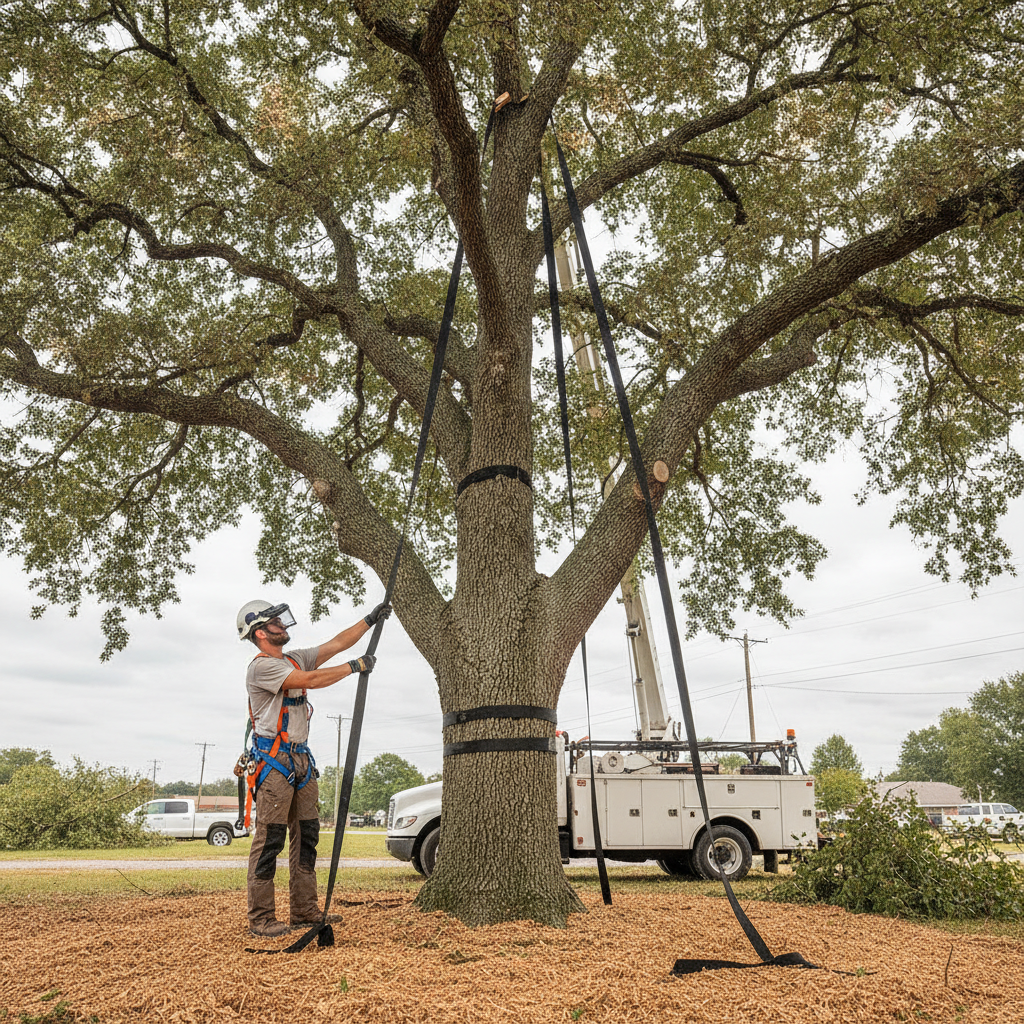
A qualified provider brings cranes, bucket trucks, rigging gear, chainsaws rated for heavy loads, and trained climbers who understand tension, weight distribution, and safe drop zones. One established local option is Prime Tree Care, Inc, a company that handles removals and urgent hazard situations for homeowners and commercial clients alike.
The key takeaway is simple: do not treat emergency tree work like a casual landscaping job. The stakes involve power lines, structural damage, and personal injury. Start by learning the basics so you can recognize a legitimate professional from a storm chaser.
Blue Island, IL Tree Emergencies: Common Situations
Not every unsightly tree problem is a true emergency, but several situations absolutely demand a rapid response. The most obvious is a tree or large branch that has fallen onto a house, garage, vehicle, fence, or business storefront. Another is a tree that has partially uprooted and is leaning at a dangerous angle, especially toward a structure or a walkway. For related information, see Blue Island emergency tree service.
Trees tangled with power lines are another critical scenario. If you see sparks, hear buzzing, or notice a downed line, stay far away and call the utility company first. Once the lines are cleared or de-energized, a professional crew can safely remove the tree.
Other warning signs include large split trunks, hanging limbs often called widowmakers, and trees blocking roads or driveways so that emergency vehicles cannot pass. Even a seemingly stable tree can become hazardous after saturated soil loosens its roots. When in doubt, treat it as urgent. Keeping everyone away from the danger zone and documenting the damage with photos protects both safety and any future insurance claim.
Emergency Tree Service in Blue Island, Illinois: How Response Works
Understanding the typical response process helps you stay calm and make smart decisions. It usually begins with a phone call where the dispatcher asks about the location, tree size, what it is touching, and whether anyone is in danger. Be ready to describe the situation clearly and share photos if possible. For related information, see tree removal services.
Next, a crew is dispatched to assess the site. A trained arborist evaluates the hazards, determines the safest removal strategy, and gives you a quote before work begins. Reputable teams will never start cutting without explaining the plan and the price. For fast help from a local team, you can reach a Blue Island emergency tree service directly to describe your situation and request a rapid assessment.
After agreement, the crew secures the area, sets up safety zones, and begins the removal using ropes, cranes, or lifts as needed. Cleanup typically follows, including hauling away debris or chipping smaller material on site. Expect clear communication throughout the process.
Why Licensing and Insurance Matter
Tree work ranks among the most dangerous jobs in the country, and the consequences of hiring an uninsured crew can be devastating. If a worker is injured on your property and the company lacks workers compensation coverage, you could be held financially responsible. If the crew drops a limb through your neighbor’s roof without liability insurance, the repair bill may land on you.
Always ask for proof of general liability insurance and workers compensation, and verify it by contacting the insurer directly. Ask about certifications such as ISA certified arborist credentials, which show formal training in tree biology and safe practices. Companies that invest in credentials tend to invest in equipment and safety too.
Established firms like tree removal services providers with a visible local presence are easier to hold accountable than out of town crews that appear after a storm and vanish. A permanent address, reviews, and a track record are all signs of a business that plans to be around next year.
Spotting Storm Chasers and Red Flags
After every major storm, opportunistic operators knock on doors offering immediate service at suspiciously low prices. Some are legitimate, but many lack insurance, proper training, and the equipment to work safely. Learning the warning signs protects your wallet and your property.
- Demands for full payment in cash before any work begins.
- No written estimate or reluctance to put pricing in writing.
- Pressure tactics such as claiming the price is only good today.
- Unmarked trucks, no company name, and no local address.
- Inability or refusal to provide proof of insurance.
- Recommending topping, which cuts a tree’s crown and harms its health.
A professional will welcome your questions and never rush you into a decision that compromises safety. If something feels off, step back and call a second provider for comparison, even during an urgent situation.
Questions to Ask Before You Hire
A short checklist of questions can reveal a great deal about a provider in just a few minutes. Start with how quickly they can arrive and whether they offer true twenty four hour availability. Ask who will be on site, how many crew members are assigned, and whether a certified arborist supervises the work.
Next, request a detailed written estimate that separates removal, cleanup, hauling, and any stump grinding. Clarify whether debris removal is included or billed separately, since this is a common source of surprise charges. Ask about the equipment they plan to use and whether they will protect lawns, driveways, and nearby structures.
Finally, ask for references or recent reviews from comparable jobs. A confident company will happily share examples. Also confirm how they handle insurance documentation if you plan to file a claim, because proper invoices and photos make the process far smoother for you and your adjuster.
What Emergency Tree Work Typically Costs
Pricing for urgent tree work varies widely based on tree size, location, access, hazards, and time of day. Night, weekend, and holiday calls usually carry a premium because crews are mobilizing outside normal hours. Complex jobs involving cranes or power line proximity cost more than a simple limb removal in an open yard.
| Situation | Typical Factors | Relative Cost |
|---|---|---|
| Single fallen limb in open yard | Easy access, small crew | Lower |
| Tree on roof or garage | Rigging, crane, tarping | Higher |
| Tree near power lines | Utility coordination, specialized gear | Highest |
| Blocked driveway or road | Fast clearing, hauling | Moderate |
Always get the estimate in writing. A fair price reflects the risk and labor involved, not the desperation of the moment.
Insurance Claims and Documentation
Homeowners and business policies often cover storm damage from fallen trees, but coverage depends on the cause and the specific damage. Generally, if a tree hits a covered structure, the policy may pay for removal and repairs, subject to your deductible. A tree that falls without hitting anything may have limited coverage for removal alone.
Start documenting before cleanup begins. Take wide shots and close ups of the tree, the damage, and the surrounding area. Keep every receipt, estimate, and invoice. Notify your insurer promptly and ask whether they require an adjuster visit before removal, though urgent safety hazards can usually be addressed immediately.
Choose a provider who understands this process and supplies itemized invoices. Clear paperwork speeds reimbursement and reduces disputes. For small business owners, thorough records also support any claim for lost income tied to a blocked entrance or damaged property.
Stump Grinding and Post Storm Cleanup
Removing the tree is only part of the recovery. The stump left behind can be a trip hazard, an eyesore, and a magnet for pests and fungal growth. Stump grinding uses a specialized machine to reduce the stump below grade, allowing you to replant, lay sod, or pave over the area.
Ask whether the provider offers stump grinding as part of the same visit, since bundling services often saves money and time. Also clarify how debris will be handled. Some companies chip branches into mulch you can keep, while others haul everything away.
Do not forget to inspect surrounding trees after the event. A storm that topples one tree may have weakened others through root disturbance or limb damage. A quick follow up assessment can identify hidden hazards before they become the next emergency, saving you stress and expense down the road.
Preventive Care That Reduces Emergencies
The best emergency is the one that never happens. Regular inspections by a certified arborist catch problems such as dead branches, decay, root issues, and structural weaknesses long before a storm exposes them. Most professionals recommend an annual check, especially for mature trees near buildings or high traffic areas.
Proper pruning improves structure and reduces wind resistance. Removing dead or crossing branches, maintaining healthy soil, mulching correctly, and avoiding root damage from construction all extend a tree’s life. For developers and business owners, factoring tree health into site planning protects both investments and liability exposure.
Keep a simple property tree log with photos, dates, and notes on any concerns. If a tree looks questionable, schedule an assessment rather than waiting. Prevention costs a fraction of emergency response and keeps your property safer through every season.
Build Your Emergency Plan Today
Preparation turns panic into a calm, step by step response. Save the number of a trusted provider in your phone now, along with your insurance agent and utility company contacts. Know where the shutoffs for gas, water, and electricity are located, and share that information with everyone who lives or works on the property.
Walk your property and note which trees pose the greatest risk to structures, vehicles, and walkways. Prioritize those for inspection or pruning. Businesses should also create a simple communication plan so employees and customers know what to do if a tree falls during operating hours.
When you are ready to compare options or confirm a provider’s reputation, you can review customer feedback and location details for Prime Tree Care, Inc before you ever need to make that urgent call.
Final Thoughts
Tree emergencies are stressful, but they do not have to be chaotic. The property owners who fare best are the ones who prepared in advance, asked the right questions, and chose a provider based on safety and credentials rather than speed alone. Remember the essentials: verify insurance, insist on written estimates, watch for storm chasers, and document everything for your insurer.
Locating dependable emergency tree providers Blue Island homeowners, developers, and small business owners can count on is far easier when you do it before the storm arrives. A few minutes of research today can save thousands of dollars and prevent serious injury tomorrow. Pair that with routine inspections and smart pruning, and you dramatically lower the odds of a crisis in the first place.
Take action this week. Save your trusted contact, walk your property, and schedule an inspection for any tree that worries you. When severe weather does hit, you will know exactly who to call, what to expect, and how to protect your people and your property. Preparation is the most powerful tool you have, and it costs far less than the alternative.