
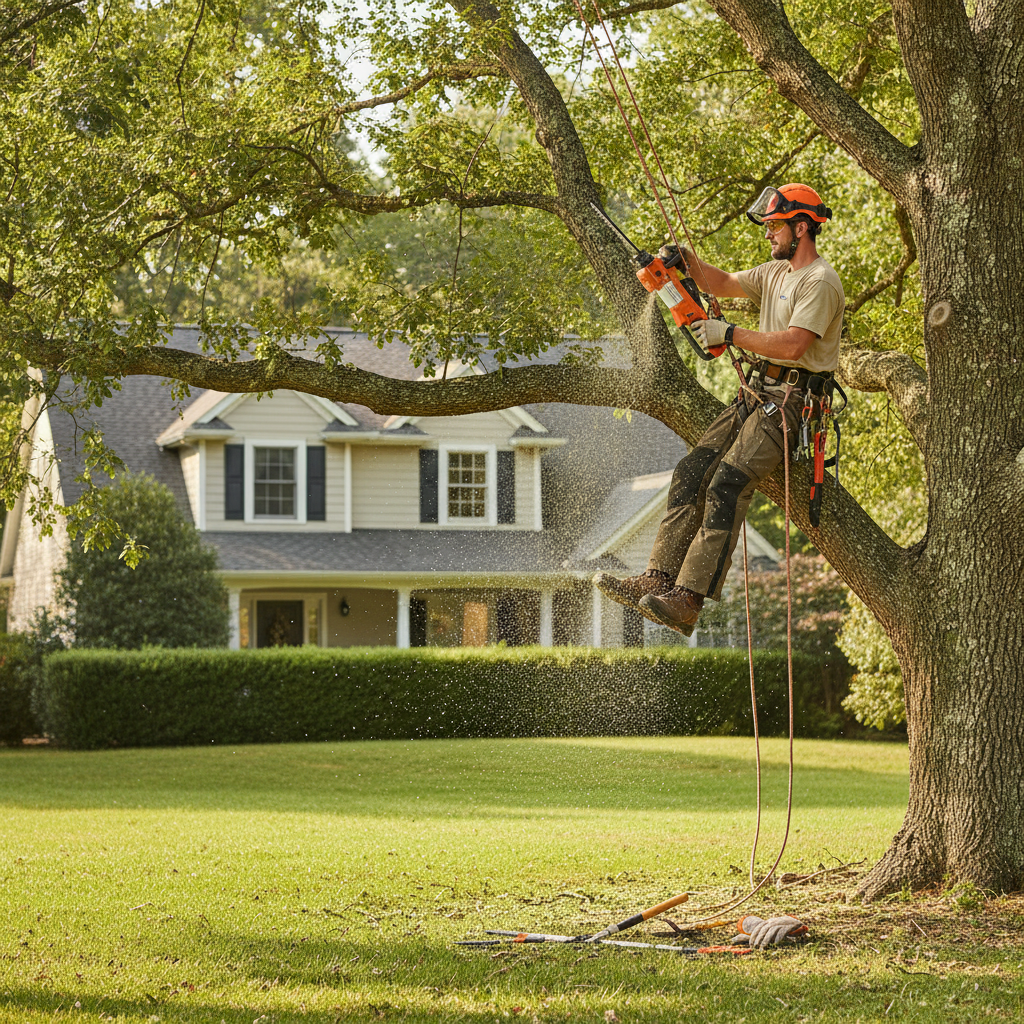
Every property owner eventually faces the same question: who do I trust with the big trees on my land? Hiring the wrong crew can mean damaged roofs, scarred trunks, and a bill that keeps growing. Hiring the right one means healthier trees, safer yards, and a property that looks sharp year round. If you have been searching for the best tree pruning Blue Island has to offer, this guide walks you through exactly how to separate real professionals from the rest.
Whether you manage a storefront with overhanging branches, own a development parcel with overgrown lots, or simply want your backyard oak to survive the next storm season, pruning is one of the most important maintenance jobs you will ever schedule. It is also one of the easiest to get wrong. Cut too much and you stress the tree. Cut too little and the hazard remains. Cut at the wrong time and you invite disease.
In the sections below, we cover what proper pruning actually involves, the credentials to look for, the questions to ask before signing anything, realistic pricing factors, seasonal timing, and the red flags that should send you looking elsewhere. We keep things practical and conversational, so by the end you will feel confident comparing contractors and making a smart, informed decision for your property and your budget.
Best Tree Pruning Blue Island: What Quality Work Looks Like
Quality pruning is not about hacking branches until a tree looks smaller. It is a deliberate process guided by tree biology. A skilled arborist studies the species, the age, the structure, and the surrounding hazards before a single cut is made. The goal is to remove dead, diseased, or crossing limbs while preserving the natural shape and the tree’s ability to heal. For related information, see Prime Tree Care, Inc.
When you evaluate the best tree pruning Blue Island contractors can deliver, look for clean cuts made just outside the branch collar, no flush cuts against the trunk, and no stubs left behind. Crews that follow established standards avoid topping, which is the practice of chopping main leaders to arbitrary heights. Topping weakens trees and triggers fast, fragile regrowth.
An established local option like Prime Tree Care, Inc is the kind of company worth comparing against others, because experienced crews understand both the science and the safety requirements of this work. Always ask to see examples of previous jobs so you can judge the finished results yourself.
Tree Pruning Blue Island IL: Why It Matters for Property Owners
Pruning protects more than the tree. Overgrown branches can scrape siding, clog gutters, block signage, and drop heavy limbs on parked cars during storms. For businesses, a single falling branch can create liability headaches that cost far more than routine maintenance ever would. Regular pruning keeps those risks under control. For related information, see tree pruning services in Blue Island.
Healthy pruning also improves curb appeal. Buyers and customers notice well kept trees, and landscaping consistently ranks among the top factors that shape first impressions of a property. A balanced canopy lets sunlight reach lawns and gardens, which keeps grass thicker and plantings healthier beneath the shade.
There is a health benefit as well. Removing dead wood and diseased limbs stops problems from spreading through the canopy. Thinning dense crowns improves airflow, which reduces fungal issues after wet springs. Think of pruning as preventive medicine for your landscape. A modest investment every few years is almost always cheaper than emergency removal after a tree fails.
Choosing the Best Tree Pruning in Blue Island, Illinois
Start your search with credentials. Ask whether the company carries liability insurance and workers’ compensation coverage, and request proof in writing. A contractor without proper coverage leaves you exposed if a worker is injured on your property or a limb crashes through your roof. Reputable companies hand over certificates without hesitation. For related information, see tree care solutions.
Next, look for professional certifications. Credentials from recognized arboriculture organizations show that a crew has studied tree biology, safe climbing techniques, and proper pruning standards. Experience matters too, so ask how long the company has served the community and how many crews it fields.
If you want a full range of tree pruning services in Blue Island, choose a provider that can handle everything from delicate ornamental work to large scale canopy reduction and clearing. Versatile companies carry the right equipment, from climbing gear to aerial lifts, and they will recommend the safest method for each job instead of forcing every tree into one approach.
Questions to Ask Before You Hire a Tree Pruning Company
A short interview can save you a long headache. Treat every estimate as a conversation, not a sales pitch. The answers you receive reveal how a company operates, and the way they respond often tells you as much as the answers themselves.
- Are you fully insured, and can you provide current certificates?
- Will a certified arborist assess the trees, or only a general laborer?
- What pruning method will you use, and why is it right for this species?
- Does the quote include cleanup, debris hauling, and wood chipping?
- Do you offer a written estimate with a clear scope of work?
- Can you share references or recent examples of similar jobs?
Pay attention to whether the contractor explains the plan in plain language. Good professionals welcome questions and describe exactly which branches will go and which will stay. Vague answers or pressure to sign immediately are signals to keep shopping.
Understanding Pruning Costs and What Drives Them
Pricing varies widely because no two trees are alike. The biggest cost drivers are tree height, trunk diameter, access, and condition. A small ornamental tree in an open yard is a quick job. A tall hardwood hovering over power lines and a house is a complex operation that demands more crew members and specialized equipment.
Beware of the cheapest bid in the stack. Rock bottom prices often mean skipped insurance, untrained workers, or cleanup left for you to handle. The best tree pruning Blue Island property owners can buy is rarely the lowest quote, but it should always be fair, itemized, and transparent.
Gather at least three written estimates and compare them line by line. Confirm what is included, how long the work will take, and whether stump grinding or hauling carries extra charges. A clear estimate protects both sides and keeps surprises off the final invoice.
Common Pruning Methods Explained
Different goals call for different techniques. Knowing the basic vocabulary helps you understand estimates and confirm that the crew is recommending the right approach for your trees instead of defaulting to whatever is fastest.
| Method | Purpose | Best For |
|---|---|---|
| Crown cleaning | Removes dead, diseased, or broken limbs | Mature shade trees |
| Crown thinning | Improves light and airflow | Dense canopies |
| Crown raising | Lifts lower branches for clearance | Sidewalks, driveways, signage |
| Crown reduction | Reduces overall size safely | Trees near structures or lines |
| Structural pruning | Builds strong form in young trees | Newly planted trees |
The Best Time of Year to Prune Your Trees
Timing affects how well a tree recovers. For most species, late winter and early spring before new growth begins is ideal. Trees are dormant, wounds seal quickly once the season turns, and bare branches make it easier for the crew to see structure and plan accurate cuts.
Some trees need special handling. Oaks, for example, are best pruned during colder months to reduce the risk of oak wilt spreading through fresh wounds. Spring flowering trees are usually pruned right after they bloom so you do not sacrifice next year’s flowers. A knowledgeable arborist will adjust the schedule to fit each species.
Hazardous limbs are the exception to every calendar rule. If a branch is cracked, hanging, or leaning toward a structure, do not wait for the perfect season. Safety always comes first, and a professional can often stabilize the problem quickly and recommend follow up work for the proper time of year.
Red Flags That Signal a Bad Contractor
Some warning signs show up before work even begins. Door to door solicitors who appear right after a storm and demand cash upfront are a classic example. Legitimate companies provide estimates, contracts, and receipts, and they do not pressure you into immediate decisions.
Be cautious of anyone who recommends topping as a solution. Reputable arborists avoid it because it damages trees long term. Likewise, climbers who use spikes on trees that are meant to stay healthy can cause unnecessary wounds. Ask about climbing methods and equipment if you are unsure.
Other red flags include no physical business address, unmarked vehicles, refusal to show insurance, and a quote that arrives with no written details. If a crew cannot explain what they plan to do and why, they probably do not know. Trust your instincts and keep looking until you find a team that earns your confidence.
Preparing Your Property for a Pruning Appointment
A little preparation helps the crew work faster and keeps your costs predictable. Move vehicles, patio furniture, and decorations away from the work zone. Make sure gates are unlocked and pets are secured indoors. Clear access paths so equipment can reach the trees without obstruction.
Walk the property with the arborist before work starts and point out any concerns, such as branches that rub against the roof or limbs that block views. Confirm which trees are included and which should be left alone. Taking a few photos beforehand can also help settle any questions later.
If neighbors share a tree line or fence, give them a friendly heads up. Debris, noise, and temporary access needs are easier to manage when everyone knows what to expect. For commercial sites, schedule work during slower hours so customers are not inconvenienced or put at risk.
Maintaining Your Trees After Pruning
Pruning is only the first step in long term tree health. After the cuts are made, give trees consistent care. Water deeply during dry spells, spread a few inches of mulch around the base (kept clear of the trunk), and avoid heavy fertilizing unless a soil test shows a deficiency.
Inspect your trees every season. Look for new cracks, fungal growth, peeling bark, or sudden leaf drop. Catching issues early makes treatment simpler and cheaper. A modern approach to tree care solutions combines scheduled pruning with regular inspections so problems never grow into emergencies.
Plan on professional pruning every three to five years for most mature trees, and more often for fast growers or young trees still developing structure. Keep a simple record of dates and work performed. That history helps your arborist make smarter decisions and shows prospective buyers that the property has been well cared for.
Why Local Experience Makes a Difference
Local knowledge matters more than many people realize. Crews that work in the area every day understand the common species, the soil conditions, the storm patterns, and the municipal rules that govern tree work. That familiarity translates into better recommendations and fewer mistakes.
Community reputation is another advantage. Established companies depend on word of mouth, so they work hard to protect it. You can check online reviews, ask neighbors for referrals, and see how a business responds when something goes wrong. Strong feedback over many years is difficult to fake.
You can read customer feedback and confirm business details for Prime Tree Care, Inc before making a call. Taking ten minutes to review ratings, photos, and recent comments gives you a realistic picture of what working with a company is actually like.
Your Next Steps
Choosing the best tree pruning Blue Island has available comes down to a handful of smart habits. Verify insurance and credentials, ask direct questions, collect written estimates, and insist on proper techniques instead of shortcuts like topping. Pay attention to how a company communicates, because clear communication usually reflects clear, careful work.
Remember that timing, preparation, and aftercare all influence results. Scheduling work during the right season, readying your property, and following up with watering and inspections will help your trees recover quickly and stay strong for decades. Healthy trees raise property value, reduce storm risk, and make outdoor spaces more enjoyable for everyone who uses them.
Do not wait for a damaging storm to expose a weak limb. Walk your property this week, note any branches that worry you, and start collecting estimates. A little attention now prevents expensive repairs later. With the guidance above, you can hire with confidence, protect your investment, and enjoy a safer, greener, better looking landscape for years to come.