
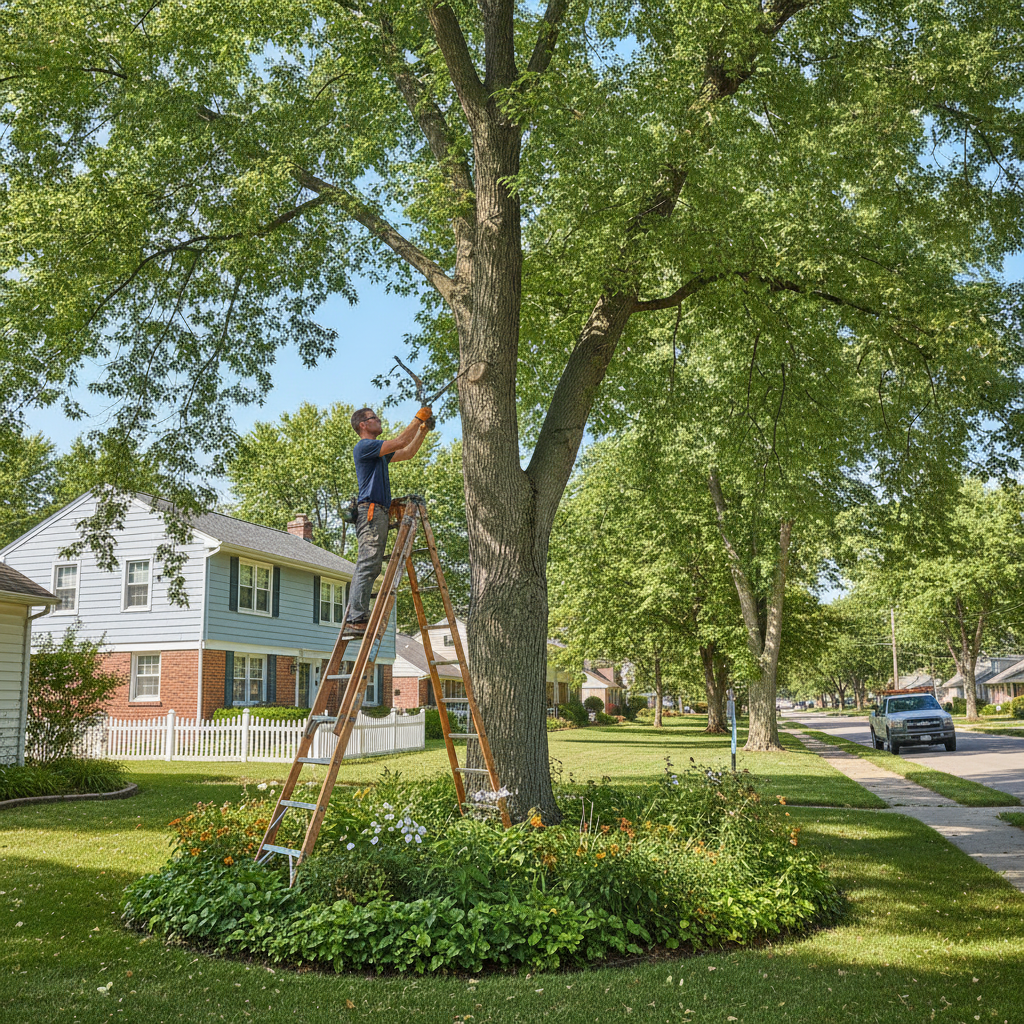
Mature shade trees are a defining feature of many landscapes, offering beauty, cooling shade, and a sense of permanence to properties across the area. For business owners, developers, and residents alike, these trees are valuable assets that deserve thoughtful care. Yet, as trees age, their pruning needs become more complex. Pruning mature shade trees is not just about aesthetics or removing deadwood, it’s about preserving their structural integrity and long-term health. If you’re considering tree pruning Blue Island IL professionals recommend, it’s crucial to approach the process with knowledge and caution. Improper cuts or over-pruning can weaken a tree’s structure, making it vulnerable to disease, decay, or storm damage. In this guide, we’ll explore the art and science of pruning mature shade trees without compromising their strength, so you can maintain a healthy, beautiful canopy for years to come. Whether you manage a commercial property, oversee development projects, or simply care about the trees in your neighborhood, these insights will help you make informed decisions about tree care and maintenance.
Understanding the Structure of Mature Shade Trees
Before making any cuts, it’s essential to understand how mature shade trees grow and support themselves. Unlike young trees, mature specimens have established branch patterns, thicker trunks, and wider canopies. Their limbs are often heavy, and the way these branches attach to the trunk determines the tree’s stability. Pruning should always respect the natural architecture of the tree, focusing on preserving strong branch unions and avoiding cuts that could destabilize the canopy. Recognizing the difference between a healthy, load-bearing limb and a weak, poorly attached branch is key. For those seeking expert tree care and maintenance, understanding these structural fundamentals is the first step toward safe and effective pruning.
Why Timing Matters for Pruning Mature Trees
The timing of pruning can greatly affect the health and resilience of mature shade trees. Pruning during the dormant season, typically late winter to early spring, is often recommended because trees are less susceptible to stress and pest infestations. This period allows wounds to heal before the flush of new growth. However, emergency situations, such as broken limbs after a storm, may require immediate attention regardless of the season. For property owners facing urgent needs, professional pruning mature trees services can help mitigate risks while minimizing harm to the tree. Always avoid heavy pruning during periods of active growth or extreme heat, as these conditions can stress mature trees and slow recovery.
Selecting Branches to Remove Without Weakening the Tree
One of the most critical decisions in pruning mature shade trees is choosing which branches to remove. The goal is to eliminate hazards and improve airflow without disrupting the tree’s natural balance. Start by identifying dead, diseased, or damaged branches, as these pose the greatest risk. Next, look for limbs that cross or rub against each other, as friction can cause wounds and invite decay. Avoid removing large, healthy limbs unless absolutely necessary, as this can create large wounds and destabilize the canopy. Consulting a Tree Service in Blue Island, IL can help ensure that only the right branches are pruned, preserving the tree’s strength and longevity.
Essential Tools and Equipment for Safe Pruning
Having the right tools is fundamental to effective and safe pruning, especially for mature shade trees. Sharp, clean pruning shears, loppers, and saws are essential for making precise cuts that heal quickly. For larger branches, specialized equipment like pole pruners or chainsaws may be needed. Safety gear, including gloves, helmets, and eye protection, is also crucial. In challenging environments or tight spaces, selecting appropriate machinery can make a significant difference. For guidance on specialized gear, see Choosing the Right Tree Service Equipment in Blue Island IL for Tight Yards and Difficult Access. Proper tools not only protect the tree but also ensure the safety of those performing the work.
Recognizing When a Tree Is Too Compromised to Prune
Sometimes, mature shade trees are simply too compromised for pruning to be effective. Extensive decay, large cavities, or severe structural defects can make a tree hazardous, even after careful pruning. In such cases, removal may be the safest option to protect people and property. Warning signs include significant trunk cracks, fungi at the base, or branches that move independently from the rest of the canopy. For more details on how to spot these critical issues, review Signs a Tree in Blue Island IL Is Beyond Saving and Needs Full Removal. Recognizing these red flags early can prevent accidents and costly damage.
Best Practices for Making Clean, Safe Pruning Cuts
Making clean cuts is vital for the health of mature shade trees. Always cut just outside the branch collar, the swollen area where the branch meets the trunk or parent limb. This allows the tree to naturally seal the wound and reduces the risk of infection. Avoid leaving stubs, as they can become entry points for pests and disease. For large branches, use the three-cut method: make an undercut, a top cut, and then remove the stub. This technique prevents bark tearing and minimizes stress on the tree. By following these best practices, you help the tree recover quickly and maintain its structural integrity for years to come.
How to Avoid Over-Pruning and Its Risks
Over-pruning is a common mistake that can seriously weaken mature shade trees. Removing too much foliage at once reduces the tree’s ability to photosynthesize and store energy, leading to stress and vulnerability. A good rule of thumb is to never remove more than 25% of the live canopy in a single season. Excessive pruning can also trigger rapid, weak regrowth known as water sprouts, which are prone to breakage. To avoid these risks, focus on gradual, selective pruning over several years. This approach maintains the tree’s health, stability, and natural appearance while addressing safety and clearance needs.
The Role of Professional Arborists in Mature Tree Pruning
While some pruning tasks can be handled by property owners, mature shade trees often require the expertise of a certified arborist. Professionals are trained to assess tree health, identify structural weaknesses, and execute precise cuts that promote longevity. Arborists also have access to specialized equipment and safety protocols for working at height or in challenging conditions. Their experience is especially valuable when dealing with large, historic trees or those near buildings and utilities. Investing in professional care can prevent costly mistakes and ensure your trees remain a safe, beautiful feature of the landscape.
Aftercare Tips to Support Recovery and Growth
Pruning is just one part of mature tree care. After pruning, it’s important to monitor the tree for signs of stress or disease. Keep the area around the base free from debris and mulch, and water during dry spells to support recovery. Avoid fertilizing immediately after heavy pruning, as this can stimulate excessive, weak growth. Instead, focus on maintaining healthy soil and monitoring for pests. Regular inspections will help you catch any issues early and ensure your mature shade tree recovers well, providing shade and beauty for years to come.
Comparing Pruning Approaches for Different Tree Species
Not all mature shade trees respond to pruning in the same way. Species such as oaks, maples, and elms each have unique growth habits and vulnerabilities. For example, oaks are particularly sensitive to pruning wounds in spring and early summer, as this can increase the risk of oak wilt disease. Maples may bleed sap if pruned late winter, while elms require careful timing to prevent Dutch elm disease. Understanding the specific needs of your tree species helps tailor your pruning approach for optimal health and structure. Consulting local experts can provide valuable guidance for the diverse trees found throughout this community.
| Pruning Task | Recommended Timing | Best Practice |
|---|---|---|
| Remove Deadwood | Anytime | Cut back to healthy tissue |
| Structural Pruning | Late winter/early spring | Remove weak/competing limbs |
| Canopy Thinning | Dormant season | Limit to 10-20% of canopy |
| Hazard Limb Removal | As needed | Prioritize safety, use proper cuts |
Final Thoughts
Pruning mature shade trees is both an art and a science, requiring a careful balance between safety, health, and aesthetics. By understanding tree structure, choosing the right timing, and using proper techniques, you can help your trees thrive for decades. Remember, every mature tree is unique, and what works for one may not suit another. When in doubt, consult a professional arborist to ensure your trees receive the best possible care. With thoughtful pruning and ongoing attention, the shade trees in this city will continue to provide beauty, comfort, and value to properties and public spaces alike. Protecting these living landmarks is an investment in the future of our community and environment.