
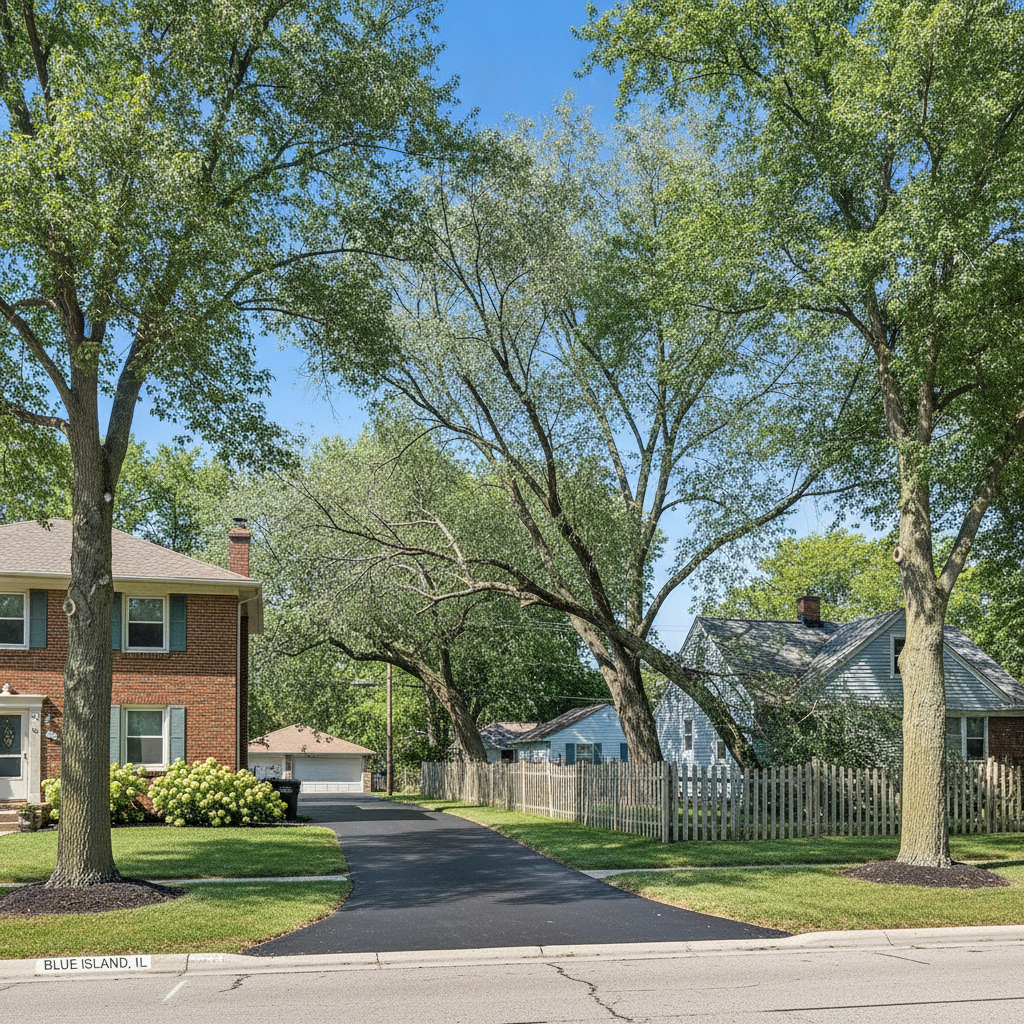
Tree hazards can appear almost anywhere on a property, but when they threaten driveways, rooflines, and fences, the risks multiply quickly. For small business owners, developers, and local residents, understanding the urgency and complexity of emergency tree service in Blue Island IL is essential for protecting people, property, and daily operations. Whether it’s a large branch hanging precariously over a parking area or roots undermining a fence, these scenarios call for rapid, informed action. In this article, we’ll explore what makes trees near these critical zones so hazardous, how to spot warning signs before disaster strikes, and why professional intervention is often the safest route. We’ll also look at the unique challenges faced by property owners in this community, from unpredictable Midwest weather to dense urban layouts. By the end, you’ll have a clear roadmap for managing tree emergencies and safeguarding your investments, no matter the season or situation.
Why Trees Near Driveways Pose Unique Risks
Driveways are high-traffic areas, making any tree hazard nearby a significant safety concern. Overhanging limbs can suddenly snap, especially after storms or heavy winds, damaging vehicles or injuring people below. Root systems may also push up pavement, creating tripping hazards and costly repairs. In commercial settings, a blocked driveway can disrupt business operations or deliveries. For these reasons, property owners should regularly assess trees lining their driveways for signs of decay, leaning, or root upheaval. If you notice cracks in the pavement or dead branches above, it’s time to visit our site for guidance on proactive tree care. Early intervention can prevent emergencies, keep access clear, and maintain a safe environment for everyone who enters your property.
Understanding Roofline Hazards From Overhanging Trees
Trees that grow too close to rooflines can create a host of problems, from direct physical damage to long-term structural issues. Branches brushing against shingles can wear away protective layers, while falling limbs may puncture roofs or gutters. Accumulated leaves and debris can clog drainage systems, leading to water infiltration and mold growth. In some cases, wildlife uses overhanging branches as a bridge to access attics or upper floors. The urgency of Emergency Tree Service Blue Island IL becomes clear when storms or ice accumulation threaten to bring heavy limbs crashing down. Regular inspection and timely pruning are critical for preventing these costly repairs and maintaining the integrity of your building’s envelope. Don’t wait for visible damage, address potential hazards before they escalate.
Fences and Boundary Lines: When Trees Threaten Property Lines
Fences serve as both a physical and legal boundary, but trees growing too close can compromise their function. Roots may push up posts or panels, while branches can lean or fall onto fencing, causing warping or collapse. In densely built neighborhoods, a fallen tree can quickly become a source of dispute between neighbors. Timely intervention is key to preventing property damage and maintaining good relations. Professional Tree Service in Blue Island, IL can help assess which trees are at risk and recommend solutions, from selective pruning to full removal. By addressing these hazards early, property owners can avoid repair costs and legal headaches, ensuring that fences do their job for years to come.
Spotting Early Warning Signs of Tree Instability
Recognizing the subtle signs of a hazardous tree can make the difference between a manageable situation and a full-blown emergency. Look for cracks or splits in the trunk, mushrooms or fungal growth at the base, and sudden leaf loss out of season. Leaning trees, exposed roots, and branches with no foliage are also red flags. For trees near driveways, roofs, or fences, even minor symptoms should prompt a closer look. Consulting resources like How to Prune Mature Shade Trees in Blue Island IL Without Weakening Their Structure can help you understand what to watch for. When in doubt, a professional assessment is always the safest choice, especially if the tree is large or situated in a high-risk area.
The Role of Routine Inspections in Preventing Emergencies
Routine tree inspections are a property owner’s best defense against unexpected hazards. By scheduling regular checkups, you can catch early signs of disease, decay, or structural weakness that might otherwise go unnoticed. Inspections are especially important for trees near critical areas like driveways, rooflines, and fences, where failure can lead to significant damage or liability. Professionals use specialized tools and techniques to assess risk, from visual surveys to advanced decay detection. For those interested in a deeper understanding, How Tree Service Inspections Help Blue Island IL Property Owners Catch Hidden Hazards Early offers valuable insights. Investing in regular inspections not only protects your property but can also save money by preventing costly emergency interventions down the line.
Weather Patterns and Their Impact on Tree Hazards
The region’s weather can be unpredictable, with sudden storms, heavy winds, and periods of drought all affecting tree stability. Trees weakened by previous weather events may become ticking time bombs near driveways, roofs, and fences. Saturated soil after heavy rain can loosen root systems, while ice accumulation adds weight to branches, increasing the risk of breakage. It’s important to monitor trees after major weather events and address any visible changes promptly. Proactive care, such as pruning and cabling, can help trees withstand local climate extremes. Understanding the connection between weather and tree health empowers property owners to act before minor issues become major emergencies, keeping people and property safe through every season.
Urban Development and Tree Placement Challenges
Urban environments often force trees into tight spaces, increasing the likelihood of conflicts with driveways, roofs, and fences. Limited soil volume, compacted ground, and proximity to buildings can stress trees and accelerate decline. Developers and property owners must balance the benefits of mature trees with the need for safe, accessible infrastructure. When planning new construction or renovations, consider the long-term growth of nearby trees and their potential impact on surrounding structures. Consulting with arborists during the design phase can help prevent future emergencies by ensuring adequate clearance and proper species selection. Thoughtful planning today can reduce the risk of costly interventions tomorrow, preserving both urban greenery and property value.
Emergency Response: What to Do When a Tree Threatens
When a tree poses an immediate threat to driveways, roofs, or fences, swift action is vital. The first step is to keep people and vehicles away from the danger zone. Avoid attempting to remove large limbs or entire trees yourself, as this can be extremely hazardous without the proper equipment and training. Instead, contact a professional emergency tree service with experience handling urgent situations in the area. Document the hazard with photos for insurance purposes and keep records of any communications with neighbors or contractors. Quick, coordinated action can minimize property damage and reduce downtime for businesses. Remember, safety should always come first when dealing with unstable trees near critical property features.
Tree Species and Their Varying Risk Profiles
Not all trees present the same level of risk when planted near driveways, rooflines, or fences. Some species are more prone to limb drop, root upheaval, or disease. For example, fast-growing softwoods may shed branches more easily, while certain hardwoods develop aggressive root systems that can undermine pavement and structures. Understanding which species are present on your property helps inform maintenance strategies and risk assessments. When considering new plantings, choose varieties known for strong wood, manageable roots, and resistance to local pests. Consulting with a certified arborist can help you make informed choices that reduce future hazards and enhance the safety and beauty of your landscape.
Cost Considerations for Emergency Tree Services
The cost of emergency tree service can vary widely depending on the size of the tree, its location, and the complexity of the removal. Trees threatening driveways, roofs, or fences often require specialized equipment and additional safety precautions, which can increase expenses. Factors such as accessibility, proximity to power lines, and the presence of multiple hazards also play a role. While the initial investment may seem high, prompt professional intervention can prevent much greater costs associated with property damage, liability, or business interruption. Many property owners find that regular maintenance and inspections help spread costs over time, reducing the likelihood of expensive emergencies. Always request a detailed estimate and confirm that the service provider is properly insured and certified.
Comparing Common Tree Hazards Near Key Property Features
| Hazard Location | Typical Risks | Recommended Actions |
|---|---|---|
| Driveways | Falling limbs, root upheaval, blocked access | Regular pruning, root monitoring, quick debris removal |
| Rooflines | Branch impact, clogged gutters, water damage | Crown thinning, debris clearing, structural assessment |
| Fences | Fallen branches, root intrusion, property disputes | Boundary inspections, neighbor communication, selective removal |
Final Thoughts
Managing tree hazards near driveways, rooflines, and fences requires a proactive approach and a keen eye for early warning signs. For property owners in this city, the stakes are high, safety, property value, and business continuity all depend on timely, informed action. By understanding the unique risks posed by trees in these critical zones and investing in regular inspections, you can prevent emergencies before they start. Remember, not all hazards are visible to the untrained eye, and professional help is often the best safeguard against costly surprises. Whether you’re a small business owner, developer, or resident, staying vigilant and working with trusted experts will help you protect your property and those who depend on it. Take the time to assess your landscape today, and you’ll be better prepared for whatever challenges tomorrow may bring.