
When local trees fall ill, you should first observe for symptoms like wilting leaves, discoloration, or bark damage. Inspect for pests such as holes or sawdust around the base. Treat any identified issues with the right solutions, like insecticidal soaps or soil amendments. Regular watering and proper mulching can help too. Stay proactive with preventive measures to maintain tree health. There’s plenty more to discover about nurturing your trees to keep them thriving.
Key Takeaways
- Conduct regular inspections to identify symptoms of disease or pest infestations early on, such as wilting leaves and discoloration.
- Consult with local arborists or tree care specialists for professional advice on diagnosing and treating affected trees.
- Implement appropriate treatment options, such as using insecticidal soaps or improving soil health to support tree resilience.
- Foster community involvement in tree care through educational workshops to raise awareness about tree health and maintenance.
- Adopt preventive measures like proper watering techniques and mulching to enhance tree health and reduce stress factors.
Common Tree Diseases and Their Symptoms
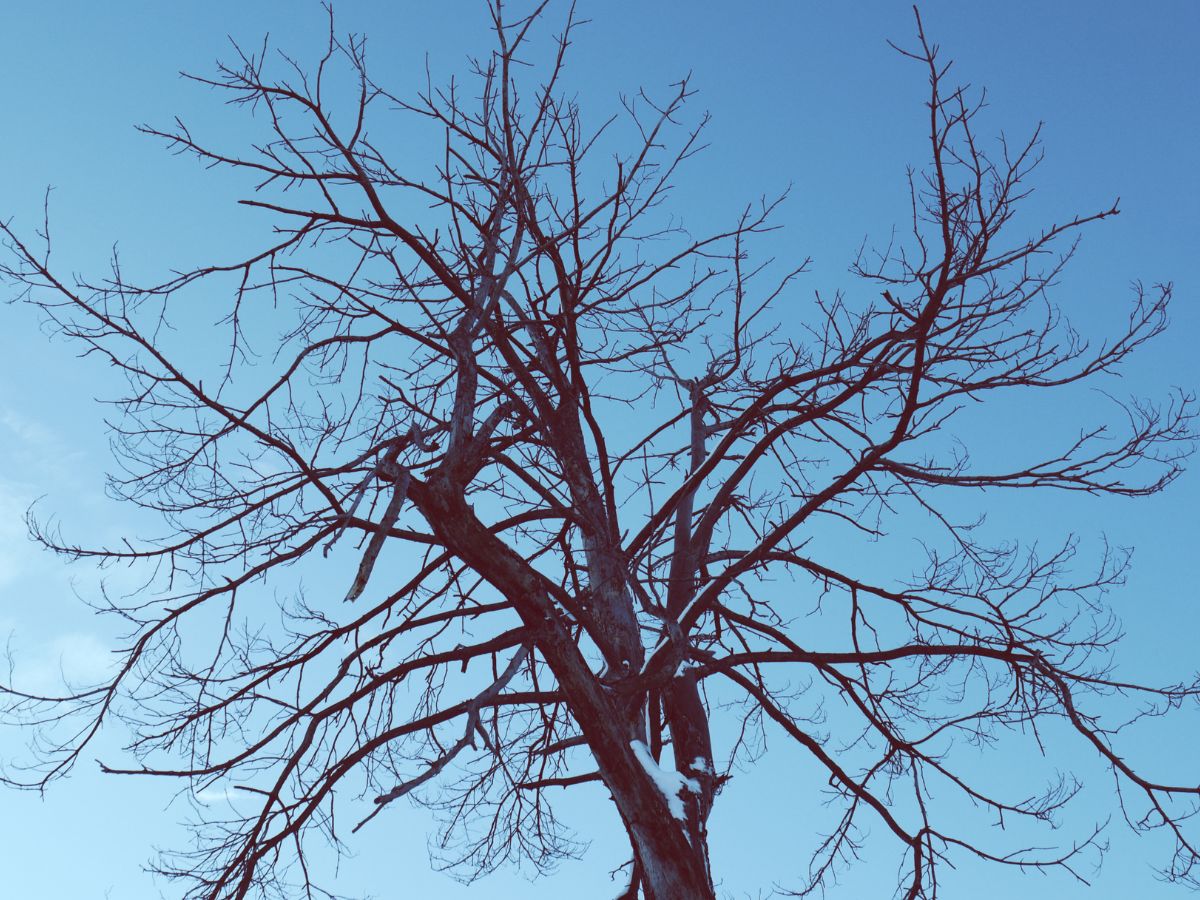
When you’re caring for your trees, it’s vital to recognize common diseases and their symptoms early on. This awareness plays an important role in disease prevention and effective tree maintenance.
Look out for signs like wilting leaves, unusual spots, or discolored bark. Fungal infections might manifest as white, powdery surfaces or cankers on the trunk.
If you notice leaf drop or stunted growth, your tree could be struggling with root rot or other issues. Catching these symptoms early allows you to take action before the problem spreads.
Regular inspections and maintaining proper watering and soil conditions can greatly help in keeping your trees healthy.
Signs Your Trees Are Unwell
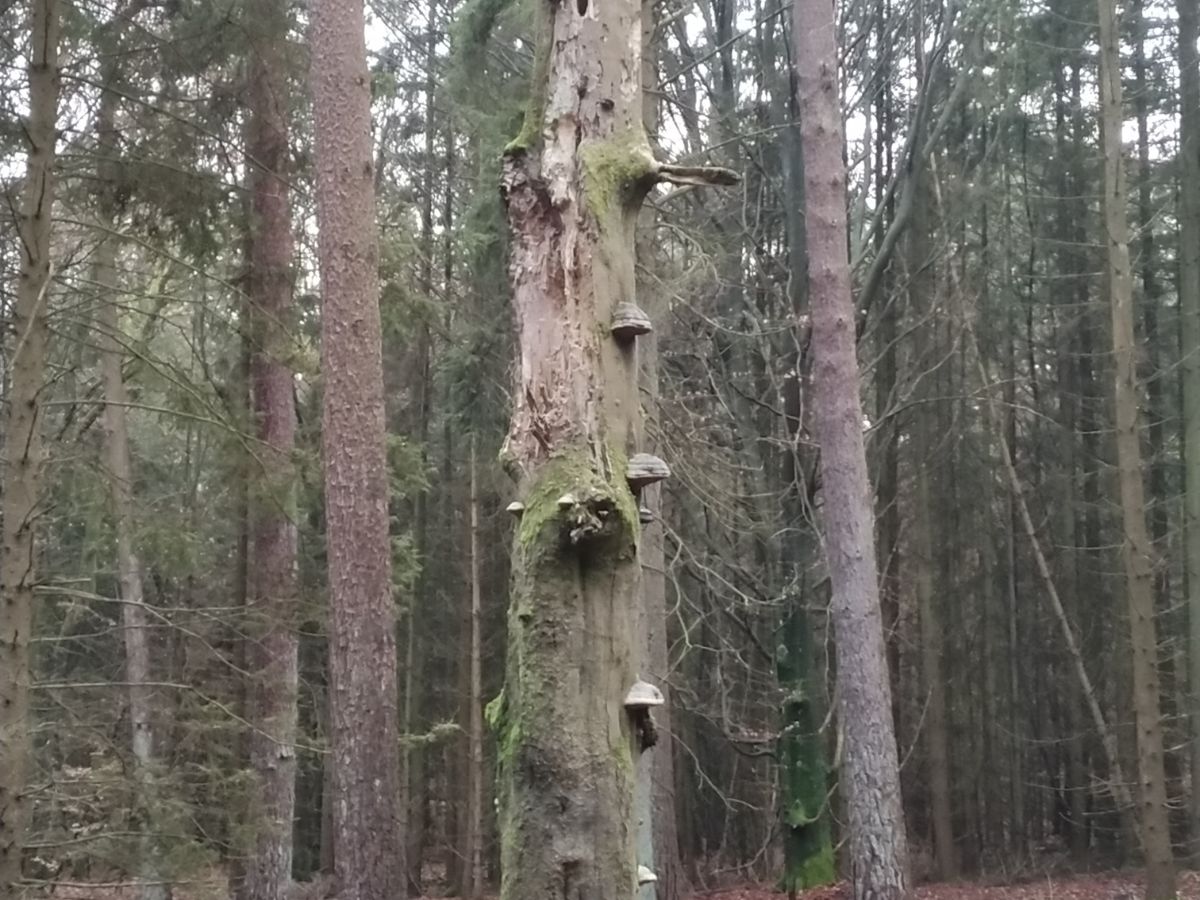
As you tend to your trees, it’s crucial to be aware of any signs that indicate they’re unwell. Look for tree discoloration issues, like yellowing leaves or faded bark, which can signal nutrient deficiency symptoms.
If you notice excessive leaf drop, examine potential leaf drop causes, such as environmental stress signs or improper watering. Bark damage signs, like cracks or peeling, also point to underlying problems.
Pay attention to root health indicators; unhealthy roots can lead to abnormal growth patterns. Seasonal tree changes are normal, but if your tree isn’t thriving, it’s time to investigate.
Identifying Pests That Harm Trees
When it comes to keeping your trees healthy, identifying pests is essential.
You’ll want to learn about common tree pests, recognize the symptoms of their infestation, and explore treatment options to protect your trees.
Let’s get started on how to spot these harmful intruders and safeguard your greenery.
Common Tree Pests
Identifying common tree pests is essential for maintaining the health of your local trees. These pests can damage tree anatomy, leading to long-term issues if not addressed quickly.
Look out for bark beetles, which bore into trunks, or aphids, which suck sap and weaken your trees. Caterpillars can defoliate leaves, reducing photosynthesis, while scale insects can cover branches with a sticky residue.
Effective pest management starts with regular inspections to spot these invaders early. By understanding the types of pests that threaten your trees, you can take proactive steps to protect them.
Symptoms of Infestation
After spotting common tree pests, recognizing the symptoms of infestation is key to protecting your trees. Early detection helps maintain tree health and aids in pest prevention. Look for these signs:
| Symptom | Description |
| Wilting Leaves | Leaves lose firmness, curling or drooping. |
| Discoloration | Yellowing or browning suggests stress. |
| Holes in Bark | Small or large holes can indicate boring pests. |
| Sawdust Accumulation | Fine sawdust near the base signals wood-boring insects. |
| Leaf Drop | Unexplained shedding may point to infestation. |
If you notice any of these symptoms, act quickly. The sooner you identify an issue, the better chance you have of restoring your trees’ health and ensuring their long-term well-being.
Treatment Options Available
Understanding the specific pests harming your trees is essential for effective treatment. Identifying these pests early allows for better tree care and disease management.
Here are a few common pests you might encounter:
- Bark beetles: Tiny insects that tunnel beneath the bark, disrupting nutrient flow.
- Aphids: Small pests that suck sap, leading to wilting and leaf drop.
- Caterpillars: Larvae that munch on leaves, often leaving behind skeletonized foliage.
Once you’ve identified the culprits, you can choose appropriate treatment options, like insecticidal soaps or natural predators.
Regular monitoring and prompt action can save your trees and guarantee they thrive.
Prioritize your tree health, and they’ll reward you with beauty for years to come!
How Weather and Soil Impact Tree Health
Weather and soil play essential roles in determining the health of trees in your area. Variations in weather patterns can create environmental stressors that affect tree resilience, especially under climate change.
For instance, extreme temperatures can impact moisture levels and nutrient availability, vital for healthy growth. Soil composition and drainage directly influence root systems, determining how well trees can absorb water and nutrients. Poor drainage can lead to root rot, while sandy soils may dry out too quickly.
Seasonal effects, like prolonged droughts or heavy rains, further challenge trees. Understanding how these factors interact helps you recognize when your trees need extra care, ensuring they thrive despite the changing conditions around them.
How to Diagnose Tree Problems
How can you tell if your tree is in trouble? Start by observing changes in its growth patterns and overall appearance. Look for signs of tree stress, like discolored leaves or stunted growth.
Consider these factors:
- Soil health: Poor soil can lead to nutrient deficiencies, affecting your tree’s health.
- Environmental factors: Seasonal changes, such as drought or excessive rain, can impact well-being.
- Root problems: Signs like lifted soil or fungal infections indicate underlying issues.
Using proper pruning techniques can also enhance tree resilience.
If you notice these issues, it’s essential to act quickly to restore balance and help your tree thrive. Understanding these elements will empower you to diagnose and address your tree’s problems effectively.
Signs You Need a Professional Arborist?
Recognizing when to call in a professional arborist can save your tree and enhance your landscape. Look for signs like unusual leaf discoloration, excessive wilting, or bark peeling—these might indicate deeper issues.
If you notice mushrooms growing at the base or cracks in the trunk, don’t wait. A professional assessment can uncover hidden problems that mightn’t be visible to you.
Additionally, if your tree leans considerably or has dead branches, it’s time to seek help. Regular tree care is essential, and knowing when to call in an expert guarantees your trees remain healthy and vibrant.
Effective Treatments for Common Tree Ailments
When you spot signs of tree ailments, it’s essential to identify the specific diseases affecting your trees.
Understanding these common issues will help you choose the right treatment methods.
Let’s explore some effective solutions to keep your trees healthy and thriving.
Identifying Common Tree Diseases
Tree diseases can impact the health of your landscape, and identifying them early is essential. Pay attention to the signs your trees might be struggling with issues like tree fungi or root rot.
Look for:
- Wilting leaves that signal nutrient deficiency
- Leaf spots caused by fungal infections
- Bark beetles infesting the trunk
Other signs include tree cankers, wood decay, and crown dieback, which indicate serious stress.
Environmental stress can also manifest in drooping branches or discolored foliage.
By being vigilant and observing these symptoms, you’ll be better equipped to understand your trees’ needs and take action before problems escalate.
Early identification is key to maintaining a thriving landscape.
Recommended Treatment Methods
Taking swift action can make all the difference in treating common tree ailments effectively.
Start with proper tree care by evaluating soil health; healthy soil supports robust roots, which can prevent root problems. If you notice signs of nutrient deficiencies, consider adding organic fertilizers.
Implementing effective pest management strategies is essential for controlling infestations before they escalate. Use disease prevention techniques, like removing infected limbs through proper pruning techniques, to maintain tree vitality.
Keep an eye on environmental factors that may stress your trees, such as drought or pollution.
Home Remedies to Help Sick Trees
If you notice your trees showing signs of distress, don’t fret—there are effective home remedies to restore their health. Start by focusing on tree nutrition and applying compost benefits to enrich the soil.
Use these natural remedies to boost your trees:
- Mulching techniques: Add a layer of organic mulch to retain moisture and reduce stress.
- Soil amendments: Incorporate nutrients to help your trees thrive.
- Tree pruning: Remove dead or diseased branches to improve airflow and promote healing.
Consider companion planting nearby to enhance soil quality and provide natural pest control.
When applying organic pesticides, aim for seasonal care to minimize impact.
With a little effort, you can help your trees bounce back!
Preventive Measures for Healthy Trees
To keep your trees healthy, regular inspections are key.
You’ll want to check for any signs of pests or diseases before they become serious issues.
Plus, mastering proper watering techniques guarantees your trees get the right amount of moisture they need to thrive.
Regular Tree Inspections
Consider these key aspects during your inspections:
- Leaf color and texture: Look for any discoloration or unusual textures.
- Bark condition: Check for cracks, peeling, or signs of pests.
- Root health: Observe the soil around the base for any signs of decay or instability.
Proper Watering Techniques
While maintaining healthy trees requires various care techniques, proper watering stands out as a crucial element. You need to guarantee your trees get the right amount of water, especially during dry spells.
Deep watering promotes strong root growth, so it’s better to water less frequently but more deeply. Incorporating mulching techniques helps retain soil moisture and regulate temperature, making sure your trees stay hydrated.
Don’t forget to make seasonal adjustments; trees have different water needs in spring and summer compared to fall and winter. Monitor rainfall and adjust your watering schedule accordingly.
Why Community Tree Care Matters
Community tree care matters not just for the environment but also for the health and well-being of everyone who lives there. When you engage in tree care, you foster community involvement and create a shared sense of responsibility.
Consider how:
- Vibrant green canopies provide shade on hot days.
- The sound of rustling leaves offers a calming backdrop.
- The sight of blooming flowers invites pollinators, enhancing local biodiversity.
Participating in educational workshops deepens your understanding of trees and their needs, empowering you to make informed decisions.
Together, you and your neighbors can nurture these essential resources, ensuring a healthier community for future generations. By caring for local trees, you’re not just improving your surroundings; you’re enhancing your quality of life.
Frequently Asked Questions
Can Trees Recover From Severe Illness on Their Own?
Yes, trees can recover from severe illness on their own, thanks to their remarkable tree resilience and self-healing mechanisms. However, their recovery often depends on the extent of the damage and environmental conditions.
How Do I Choose the Right Fertilizer for My Trees?
To choose the right fertilizer, assess your tree’s nutrient needs. Look for organic fertilizers that match those requirements, ensuring they provide essential nutrients like nitrogen, phosphorus, and potassium for healthy growth and vigor.
What Are the Best Tree Species for My Local Climate?
To choose the best tree species for your climate, focus on native tree selection. These species thrive through climate adaptation, ensuring resilience and minimal care. Research local options to find the perfect fit for your area.
How Often Should I Water My Trees?
You should water your trees deeply once a week during dry spells, making seasonal adjustments based on rainfall. Tree watering helps establish strong roots, ensuring your trees thrive in various climate conditions.
Can Tree Diseases Spread to Other Plants in My Garden?
Yes, tree diseases can spread to other plants in your garden. You should practice disease prevention by monitoring plant interactions, removing infected specimens, and maintaining healthy soil to minimize risks and protect your entire garden.
Final Thoughts
When local trees start showing signs of illness, acting early can make all the difference. By catching problems such as disease, pest activity, or environmental stress before they worsen, we can protect your trees, preserve your landscape, and help prevent costly damage to your property.
At Prime Tree Care, we provide dependable solutions to keep your trees healthy and your property safe, from expert tree trimming and tree pruning to safe tree removal when a tree can no longer be saved. If a sudden issue puts your home or yard at risk, our emergency tree service team is ready to respond.
If your trees look unhealthy or you want a professional assessment before the problem gets worse, contact us today. We’re here to help you restore tree health, protect your property, and keep your landscape looking its best.