
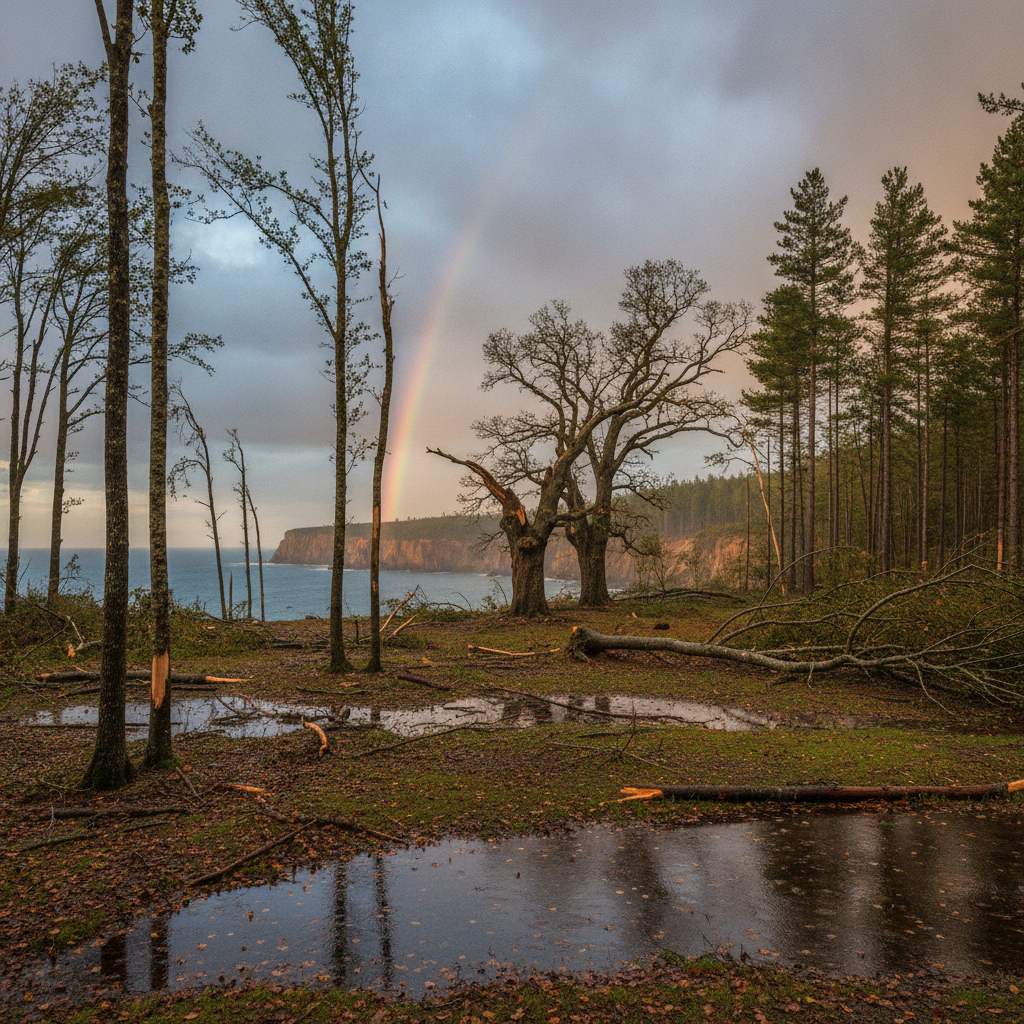
When powerful storms sweep through our neighborhoods, the aftermath can be both visually striking and emotionally unsettling. Fallen branches, uprooted trunks, and damaged canopies are common sights, leaving property owners, small business managers, and developers wondering what comes next. Understanding what happens to trees after a storm is crucial for ensuring safety, maintaining property value, and preserving the natural beauty of the area. This is where the expertise of a professional tree removal company Blue Island becomes invaluable. In this article, we’ll explore the journey of storm-damaged trees, how to assess their condition, and why timely intervention matters for residents and businesses alike. Whether you’re a homeowner, a local entrepreneur, or a developer planning your next project, these insights will help you make informed decisions about tree care and recovery after severe weather.
Storm-Damaged Trees and Recovery in Blue Island
After a major storm, trees in the area often display a range of damage, from minor limb loss to complete uprooting. The initial hours and days following a storm are critical for assessing the safety of your property and the health of your trees. Many business owners and residents may feel overwhelmed by the debris and potential hazards, making it difficult to know where to start. This is when reaching out to an expert tree removal service in Blue Island can make all the difference. These professionals are equipped to handle hazardous situations, such as hanging branches or leaning trunks, which can pose risks to people and structures.
The first step in storm recovery is a thorough inspection. Trained arborists look for signs of internal decay, root instability, and structural weaknesses that may not be visible to the untrained eye. For small businesses, this is especially important, as damaged trees near parking lots or walkways can endanger customers and employees. Developers, too, must ensure that lots are cleared safely before construction resumes.
Tree recovery is not just about removal. In many cases, trees can be saved with proper pruning and support. However, when a tree poses an immediate threat, swift removal is necessary to prevent further property damage or injury. By acting quickly and consulting with professionals, property owners can minimize risk and begin the process of restoring their landscape to its former beauty.
Understanding the immediate steps to take after a storm can help residents and business owners protect their investments and promote a safer, greener community. The right approach ensures that tree hazards are addressed efficiently, setting the stage for long-term recovery and growth.
How a Professional Tree Removal Company Blue Island, IL Responds
When a storm hits, time is of the essence. A professional tree removal company Blue Island is trained to respond rapidly, prioritizing safety and property protection. Their teams arrive equipped with specialized tools and safety gear, ready to assess the full extent of tree damage and determine the best course of action. For small business owners, this quick response can mean the difference between a minor inconvenience and a costly interruption to operations.
The process begins with a comprehensive safety check. Experts identify hazardous limbs, split trunks, and trees at risk of falling. They also take into account nearby power lines, buildings, and pedestrian areas. Using industry-standard techniques, they remove dangerous branches and clear debris, ensuring that the area is safe for people and vehicles. This level of expertise is crucial for developers who need to clear lots quickly and safely, as well as for residents concerned about the safety of their homes and families.
In addition to removal, these professionals provide guidance on tree preservation whenever possible. They can recommend cabling, bracing, or selective pruning to save partially damaged trees, helping to maintain the character and shade of the neighborhood. Their knowledge of local tree species and storm patterns allows them to offer tailored solutions for each unique situation.
Choosing a professional tree removal company Blue Island, IL ensures that storm recovery is handled efficiently and responsibly. Their services not only restore safety but also contribute to the long-term health and aesthetics of the community’s green spaces.
For those seeking immediate help after a storm, turning to experienced professionals is the smartest move, ensuring peace of mind and a swift return to normalcy.
The Role of a Professional Tree Removal Company Blue Island Illinois
A professional tree removal company Blue Island Illinois plays a vital role in the aftermath of severe weather. Their expertise goes far beyond simply cutting down damaged trees. These teams are trained to assess the structural integrity of trees, identify hidden hazards, and implement solutions that balance safety with environmental stewardship. For business owners, this means less downtime and reduced liability, as hazardous trees are dealt with promptly and professionally.
One of the key services provided is emergency response. When trees block driveways, damage roofs, or threaten power lines, a professional crew can quickly clear the way, minimizing disruption to daily life. They also offer advice on whether a tree can be saved or if removal is the best option. This decision is based on factors such as the extent of root damage, the presence of disease, and the tree’s overall health.
For developers, working with a professional tree removal company Blue Island Illinois ensures that construction sites are safe and compliant with local regulations. These experts can clear lots efficiently, remove stumps, and even help with replanting efforts to restore the landscape after development. Their understanding of local ordinances and best practices makes them valuable partners for any project.
Ultimately, the role of a professional tree removal company Blue Island Illinois is to provide peace of mind. Their comprehensive services protect people, property, and the environment, making them an essential resource for anyone dealing with storm-damaged trees.
Why Tree Care Matters After a Storm
Proper tree care following a storm is crucial for the health and longevity of your landscape. Storms can leave trees with broken limbs, exposed roots, and open wounds that invite pests and disease. If left untreated, these issues can lead to further decline or even death of the tree, resulting in costly removals or replacements down the line.
For business owners, maintaining healthy trees is not just about aesthetics. Well-cared-for trees provide shade, improve curb appeal, and create a welcoming environment for customers and employees. Neglected storm damage, on the other hand, can make properties look unkempt and unsafe, potentially deterring business. Developers also benefit from proactive tree care, as healthy trees can increase property values and attract buyers or tenants to new developments.
Post-storm tree care involves more than just pruning. It includes monitoring for signs of stress, applying treatments to prevent disease, and ensuring that trees receive adequate water and nutrients during recovery. Consulting with a professional tree removal company Blue Island can help property owners develop a tailored care plan that addresses both immediate and long-term needs.
Taking the time to invest in tree care after a storm pays dividends for years to come, preserving the beauty and safety of the community while protecting your investment.
Assessing Tree Damage and Deciding Next Steps
After severe weather, assessing the extent of tree damage is essential for determining the best course of action. Not all damage is immediately visible, and what may appear to be a minor issue could hide deeper structural problems. For property owners, the first priority should always be safety. If a tree is leaning dangerously or large branches are hanging precariously, keep people and vehicles away until a professional can evaluate the situation.
Begin by examining the tree’s trunk for cracks, splits, or cavities. Check the roots for signs of upheaval or exposure, which can indicate instability. Look for branches that have lost their bark or are hanging by a thread. If more than half of the tree’s canopy is gone, or if the trunk is severely split, removal may be necessary. However, trees with minor limb loss or superficial wounds can often recover with proper care.
Consulting with a professional tree removal company Blue Island ensures that you receive expert advice tailored to your specific situation. They can help you weigh the pros and cons of removal versus restoration, taking into account the tree’s species, age, and location. For businesses and developers, this assessment is critical for managing liability and planning for future growth.
By taking a methodical approach to damage assessment, property owners can make informed decisions that balance safety, aesthetics, and environmental responsibility.
Storm Damage Clean-Up Services for Businesses and Developers
For small business owners and developers, storm damage can disrupt operations, delay projects, and create safety hazards. Quick and efficient storm damage clean-up services are essential for getting back to business as usual. Professional crews are trained to handle large-scale debris removal, stump grinding, and site clearing, ensuring that properties are safe and ready for use.
These services go beyond simple branch removal. Teams use specialized equipment to clear fallen trees, grind stumps, and remove hazardous debris from rooftops, parking lots, and construction sites. This level of thoroughness reduces the risk of accidents and helps prevent further damage to structures and landscaping. For developers, prompt clean-up is critical for keeping projects on schedule and maintaining compliance with local regulations.
Business owners also benefit from professional storm damage clean-up services, as they help restore curb appeal and create a safe environment for customers and staff. By partnering with a reputable professional tree removal company Blue Island, businesses can minimize downtime and focus on serving their clients.
Investing in professional clean-up services is a smart move for anyone looking to protect their property and ensure a swift recovery after severe weather.
Common Types of Storm Damage to Trees
Storms can inflict a wide range of damage on trees, from minor to catastrophic. Understanding the most common types of storm damage helps property owners and managers recognize hazards and prioritize recovery efforts. The following table summarizes typical storm-related tree injuries and their implications for safety and recovery.
| Type of Damage | Description | Recommended Action |
|---|---|---|
| Broken Limbs | Large or small branches snapped or hanging | Prune or remove as needed |
| Uprooted Trees | Roots exposed, tree leaning or toppled | Remove or attempt replanting if feasible |
| Split Trunks | Trunk cracked or split lengthwise | Remove if severe, brace if minor |
| Defoliation | Leaves stripped from branches | Monitor, usually recovers |
| Root Damage | Roots broken or exposed | Assess stability, remove if unsafe |
Recognizing these types of damage helps property owners make informed decisions about whether to prune, support, or remove affected trees. When in doubt, consult with a professional tree removal company Blue Island to ensure the safest and most effective recovery plan.
Long-Term Effects of Storms on Trees
The impact of a storm on trees doesn’t end once the winds die down and the rain stops. In many cases, the long-term effects can linger for months or even years. Trees that survive the initial onslaught may continue to decline due to hidden injuries, root damage, or increased vulnerability to pests and disease. For property owners, understanding these long-term risks is essential for proactive management and prevention of future hazards.
One common issue is reduced structural integrity. Trees with split trunks or major limb loss may become unstable over time, posing a risk of falling during future storms. Root damage can lead to slow decline, as the tree struggles to absorb water and nutrients. In some cases, trees that appear healthy immediately after a storm may begin to show signs of stress weeks or months later, such as wilting leaves, dieback, or fungal growth.
Regular inspections and maintenance are key to mitigating these risks. A professional tree removal company Blue Island can provide ongoing monitoring and care, helping to identify problems early and recommend corrective actions. For businesses and developers, investing in long-term tree health not only protects property but also enhances the value and appeal of the landscape.
By staying vigilant and addressing issues as they arise, property owners can ensure that their trees remain healthy, safe, and beautiful for years to come.
Preventing Storm Damage: Proactive Tree Management
While it’s impossible to prevent all storm damage, proactive tree management can significantly reduce the risk of serious injury to trees and property. Regular inspections, strategic pruning, and timely removal of weak or diseased trees are all effective strategies for minimizing storm-related hazards. For small business owners and developers, proactive management is an investment in safety and long-term property value.
Start by scheduling annual assessments with a certified arborist. They can identify structural weaknesses, such as codominant stems or included bark, that make trees more susceptible to storm damage. Pruning to remove dead or overextended branches helps reduce wind resistance and the likelihood of breakage. In some cases, cabling or bracing may be recommended to support vulnerable limbs or trunks.
For properties with mature trees, soil management is also important. Compacted or poorly drained soils can weaken root systems, making trees more likely to topple during storms. Aerating soil, mulching, and ensuring adequate irrigation all contribute to stronger, healthier trees.
By taking these proactive steps, property owners can reduce the likelihood of severe storm damage and enjoy the many benefits that healthy, well-maintained trees provide.
Choosing the Right Tree Service Partner
Selecting a reliable tree service provider is crucial for effective storm recovery and long-term tree health. Not all companies offer the same level of expertise, equipment, or customer service. For residents, business owners, and developers, choosing a partner with a proven track record ensures that your property is in safe hands.
Look for companies with certified arborists, comprehensive insurance, and positive local reviews. Experience in handling storm damage is a must, as is a commitment to safety and environmental responsibility. A reputable company will provide detailed assessments, transparent pricing, and clear communication throughout the process.
For those in the area, Prime Tree Care, Inc has built a reputation for professionalism, responsiveness, and quality workmanship. Their team is equipped to handle everything from emergency removals to long-term maintenance, making them a trusted resource for property owners facing storm-related challenges.
By partnering with a skilled and reputable tree service, you can ensure that your landscape recovers quickly and remains healthy for years to come.
Restoring Your Landscape After Storm Damage
Once the immediate hazards have been addressed, the focus shifts to restoring the landscape and enhancing its resilience. This process may involve replanting lost trees, repairing damaged turf, and implementing new landscaping features that are better suited to withstand future storms. For business owners, a well-restored landscape can boost curb appeal and attract customers. Developers can use this opportunity to incorporate native species and sustainable designs that require less maintenance and are more resistant to local weather patterns.
Work with a professional tree removal company Blue Island to develop a restoration plan that fits your property’s unique needs. This may include soil testing, selecting appropriate tree species, and installing protective barriers or windbreaks. Regular follow-up care, such as watering, mulching, and monitoring for pests or disease, is essential for ensuring the success of new plantings.
Restoring your landscape after a storm is an investment in the long-term beauty, safety, and value of your property. With the right approach and professional support, you can create a thriving outdoor space that will weather future storms with greater resilience.
Final Thoughts
Storms are a fact of life in this region, but their impact on trees and landscapes doesn’t have to be permanent. By understanding what happens to trees after a storm and partnering with a professional tree removal company Blue Island, property owners can protect their investments, enhance safety, and restore the natural beauty of their surroundings. Whether you’re a small business owner, developer, or resident, taking proactive steps before and after storms ensures that your trees remain a valuable asset for years to come. Stay prepared, seek expert guidance, and invest in the long-term health of your landscape to enjoy all the benefits that healthy trees provide to the community.