
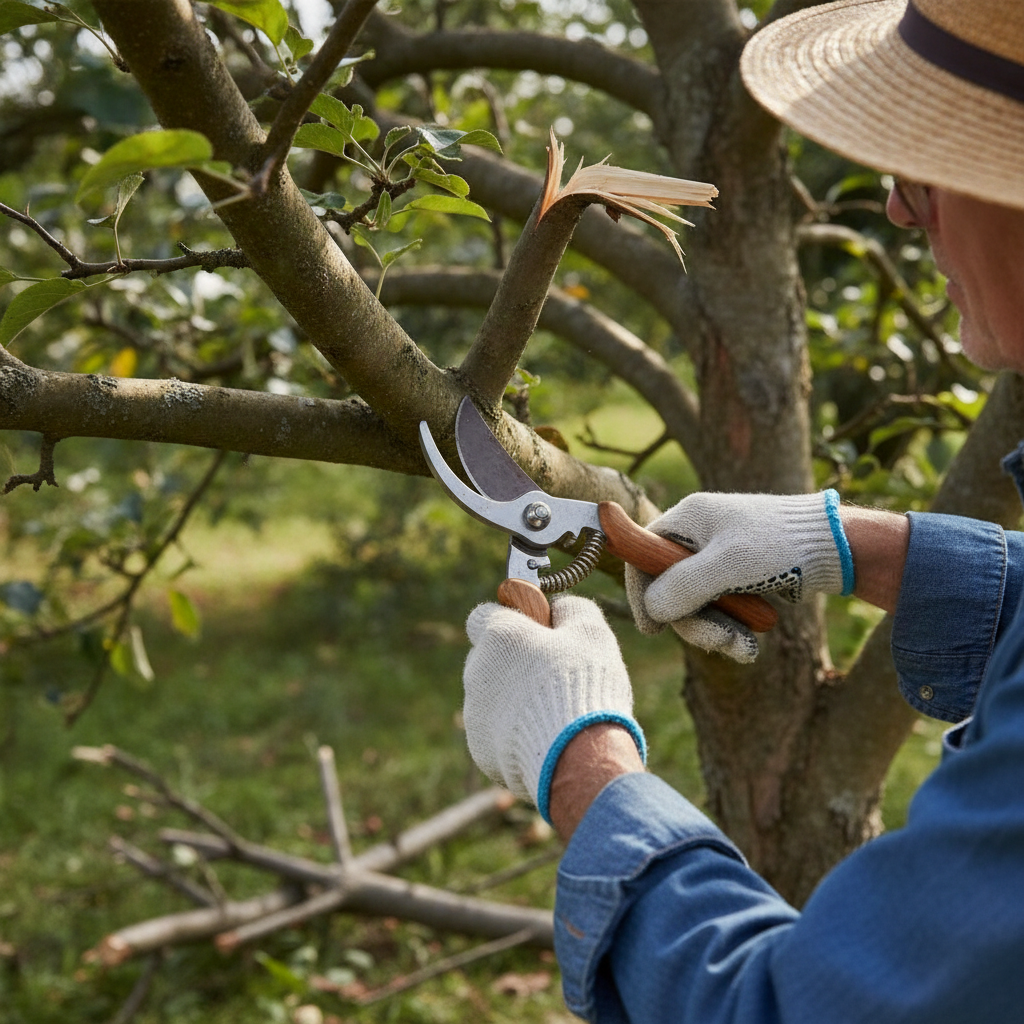
Tree pruning is more than just a seasonal chore, it’s an investment in the health, safety, and beauty of your landscape. Whether you own a small business, oversee property development, or simply care about your home’s curb appeal, understanding the right approach to tree care is essential. Many property owners make the mistake of viewing pruning as a simple task, but improper techniques can lead to lasting damage, safety hazards, and costly repairs. That’s why working with experts in professional tree pruning Blue Island is so important. In this comprehensive guide, we’ll uncover the most common tree pruning mistakes, explain why they matter, and show you how to avoid them. By learning the best practices and pitfalls, you’ll be better equipped to maintain healthy, attractive trees that enhance your property and protect your investment for years to come.
Professional Tree Pruning Blue Island: Local Pitfalls to Avoid
When it comes to professional tree pruning Blue Island, one of the most common mistakes is underestimating the complexity of the job. Many property owners believe that pruning is a straightforward process, but the reality is far more nuanced. Pruning at the wrong time of year, using improper tools, or removing too much foliage can stress trees, making them vulnerable to disease and structural weakness. In this area, where weather conditions can be unpredictable, trees face additional stresses that make proper care even more critical.
One of the most frequent errors is over-pruning, sometimes called “topping.” This involves removing large sections of a tree’s canopy, which can disrupt the tree’s natural growth patterns and expose it to sunscald and pests. Conversely, neglecting to prune dead or diseased branches can create safety hazards, especially during storms. The balance between too much and too little pruning is delicate, and that’s where the expertise of a professional comes in.
Another local pitfall is ignoring the specific needs of different tree species. Each type of tree has unique requirements for timing, technique, and frequency of pruning. For example, some flowering trees should only be pruned after they bloom, while others benefit from late winter trimming. Failing to recognize these distinctions can result in poor flowering, stunted growth, or even tree death.
If you’re unsure about the best practices for tree pruning, consulting with professionals ensures that your trees receive the care they need. Expert arborists understand local climate challenges and can tailor their approach to suit each tree’s unique needs, helping you avoid costly mistakes and keep your landscape thriving.
Professional Tree Pruning Blue Island, IL: Timing and Technique
Timing is everything when it comes to professional tree pruning Blue Island, IL. Pruning at the wrong time can expose trees to disease, inhibit growth, or even kill certain species. For most deciduous trees, late winter or early spring is the ideal period for pruning, as it allows wounds to heal quickly before the growing season. However, some trees, such as oaks, are best pruned in mid-winter to avoid the risk of oak wilt, a deadly fungal disease.
Technique is equally important. Using dull or dirty tools can introduce pathogens into pruning wounds, while making improper cuts can leave stubs that invite decay. Always use sharp, clean tools and make cuts just outside the branch collar, the swollen area where the branch meets the trunk. This promotes faster healing and reduces the risk of infection.
Another common mistake is removing too much of the tree at once. As a rule of thumb, never remove more than 25% of a tree’s canopy in a single season. Over-pruning can shock the tree, leading to weak regrowth and increased susceptibility to pests and diseases. For flowering trees, improper timing can reduce blooms for the entire year, affecting both aesthetics and pollinator support.
If you want to ensure your trees are pruned correctly and at the right time, visit our site for expert advice and services tailored to your property’s unique needs. Professional arborists will assess each tree individually, taking into account species, age, and health to create a pruning plan that promotes long-term vitality.
Professional Tree Pruning Blue Island Illinois: Safety and Liability Concerns
Safety should always be a top priority when considering professional tree pruning Blue Island Illinois. Pruning large trees can be dangerous, especially when working at heights or near power lines. One of the most significant mistakes property owners make is attempting to prune tall or hazardous trees without the proper equipment or training. Falls, electrical shocks, and falling branches can result in serious injury or property damage.
Another overlooked aspect is liability. If an accident occurs during a DIY pruning job, you may be held responsible for injuries or damages. Professional arborists carry insurance and have the necessary training to minimize risks. They also understand local regulations regarding tree work, which can vary depending on the location and type of tree. Failing to comply with these regulations can result in fines or legal complications.
In addition to personal safety, improper pruning can create hazards for others. Weak or poorly cut branches are more likely to break during storms, posing a threat to pedestrians, vehicles, and structures in the neighborhood. Ensuring that pruning is done correctly protects not only your property but also the wider community.
For peace of mind and professional results, consider reaching out to Prime Tree Care, Inc. Their team is equipped to handle complex pruning jobs safely and efficiently, reducing your liability and ensuring the health of your trees.
Understanding Tree Biology: Why Proper Pruning Matters
To appreciate the importance of professional tree pruning Blue Island, it helps to understand basic tree biology. Trees rely on their leaves for photosynthesis, which is essential for growth and energy production. When too many branches or leaves are removed, the tree’s ability to produce food is compromised, leading to stress and reduced vitality. Pruning also creates wounds that must heal, and improper cuts can leave trees vulnerable to disease and decay.
Proper pruning focuses on removing dead, diseased, or crossing branches while preserving the tree’s natural structure. This approach not only enhances the tree’s appearance but also improves air circulation and light penetration, reducing the risk of fungal diseases. Over time, well-pruned trees develop stronger limbs and a more balanced canopy, making them more resilient to storms and environmental stressors.
Ignoring the science behind pruning can have long-term consequences. Trees that are topped or excessively thinned may never recover their original form, and repeated improper cuts can shorten a tree’s lifespan. By understanding how trees respond to pruning, property owners can make informed decisions that support both immediate needs and future growth.
Common Pruning Mistakes and Their Consequences
Even well-intentioned property owners can make mistakes that harm their trees. Some of the most common errors include:
- Topping: Removing the top of the tree, which leads to weak, spindly regrowth and increased vulnerability to pests.
- Flush cuts: Cutting branches too close to the trunk, damaging the branch collar and slowing healing.
- Leaving stubs: Not cutting close enough, which can invite decay and disease.
- Over-pruning: Removing too much foliage, stressing the tree and reducing its energy reserves.
- Improper timing: Pruning during active growth or extreme weather, which can shock the tree and increase disease risk.
The consequences of these mistakes range from poor aesthetics to serious health problems. Weak regrowth, increased susceptibility to pests, and shortened lifespan are all potential outcomes. In severe cases, improper pruning can kill a tree, resulting in the loss of valuable landscape assets and costly removal expenses.
Avoiding these pitfalls requires knowledge, skill, and attention to detail. Professional tree pruning Blue Island services are equipped to recognize and correct these errors, ensuring your trees remain healthy and attractive for years to come.
The Role of Equipment in Professional Tree Pruning
Using the right equipment is vital for effective and safe tree pruning. Professional arborists rely on a variety of tools, including hand pruners, loppers, pole saws, and chainsaws, each suited to different types of cuts and branch sizes. Sharp, clean tools make precise cuts that heal quickly, while dull or dirty blades can tear bark and introduce disease.
Personal protective equipment (PPE) is equally important. Hard hats, safety glasses, gloves, and harnesses protect workers from falling branches and other hazards. Attempting to prune large trees without proper safety gear can result in serious injuries. Professionals are trained to use ladders, ropes, and climbing gear safely, minimizing risks to themselves and others.
For property owners, investing in professional tree pruning Blue Island services means access to specialized equipment and expertise. This not only ensures better results but also protects your investment by reducing the risk of accidents and tree damage.
Table: Tree Pruning Mistakes vs. Best Practices
| Common Mistake | Consequence | Best Practice |
|---|---|---|
| Topping | Weak regrowth, pest vulnerability | Selective thinning, maintain natural shape |
| Flush cuts | Slow healing, decay | Cut outside branch collar |
| Over-pruning | Tree stress, reduced growth | Remove no more than 25% canopy |
| Improper timing | Disease, poor regrowth | Prune during dormant season |
| Leaving stubs | Decay, pest entry | Make clean, close cuts |
This table summarizes the most frequent pruning mistakes, their consequences, and the recommended best practices. By following these guidelines, you can ensure your trees remain healthy, safe, and visually appealing.
Pruning for Health vs. Pruning for Aesthetics
There are two primary reasons for tree pruning: promoting health and enhancing aesthetics. While these goals often overlap, they require different approaches. Pruning for health involves removing dead, diseased, or crossing branches to improve air flow and reduce the risk of infection. This type of pruning is essential for maintaining the structural integrity and longevity of your trees.
Aesthetic pruning, on the other hand, focuses on shaping the tree to fit the landscape design or to clear space around buildings and walkways. While it’s tempting to prioritize appearance, excessive shaping can harm the tree’s health if not done correctly. Professional tree pruning Blue Island services strike a balance between these objectives, ensuring that trees remain both beautiful and robust.
Understanding the difference between health and aesthetic pruning helps property owners set realistic expectations and avoid unnecessary risks. Consulting with professionals ensures that each cut serves a clear purpose, supporting both the tree’s well-being and the overall look of your property.
Recognizing When to Call a Professional
Not all pruning jobs are suitable for DIY. Large trees, those near power lines, or trees showing signs of disease or structural weakness should always be handled by professionals. Attempting to prune these trees without the proper training and equipment can lead to accidents, property damage, and further harm to the tree.
Professional tree pruning Blue Island experts have the knowledge and tools to assess tree health, identify hazards, and execute precise cuts. They can also provide guidance on long-term care, pest management, and disease prevention. Investing in professional services not only protects your property but also supports the health and longevity of your trees.
If you notice dead or hanging branches, signs of disease, or rapid changes in a tree’s appearance, it’s time to call an arborist. Early intervention can prevent minor issues from becoming major problems, saving you time and money in the long run.
How Professional Tree Pruning Supports Property Value
Well-maintained trees are a valuable asset for any property, contributing to curb appeal, shade, and energy efficiency. Regular, professional tree pruning Blue Island services help ensure that your trees remain healthy and attractive, increasing the overall value of your property. Healthy trees are less likely to drop branches or suffer from disease, reducing maintenance costs and liability risks.
In commercial settings, attractive landscaping can enhance your business’s image and attract more customers. For developers, maintaining mature trees adds character and value to new projects. Even in residential neighborhoods, well-pruned trees contribute to a sense of pride and community, making the area more desirable for current and future residents.
Investing in professional tree care is a smart decision for anyone looking to protect and enhance their property. By avoiding common pruning mistakes and relying on expert guidance, you can enjoy the many benefits that healthy, beautiful trees provide.
Key Takeaways
Tree pruning is a critical aspect of property maintenance that requires knowledge, skill, and attention to detail. Avoiding common mistakes, such as improper timing, over-pruning, and using the wrong equipment, can make the difference between thriving trees and costly problems. By investing in professional tree pruning Blue Island services, you protect your landscape, enhance property value, and contribute to the safety and beauty of your community. Remember, healthy trees are an asset that pays dividends for years to come. Take the time to care for them properly, and when in doubt, consult with local experts to ensure the best results for your property.