
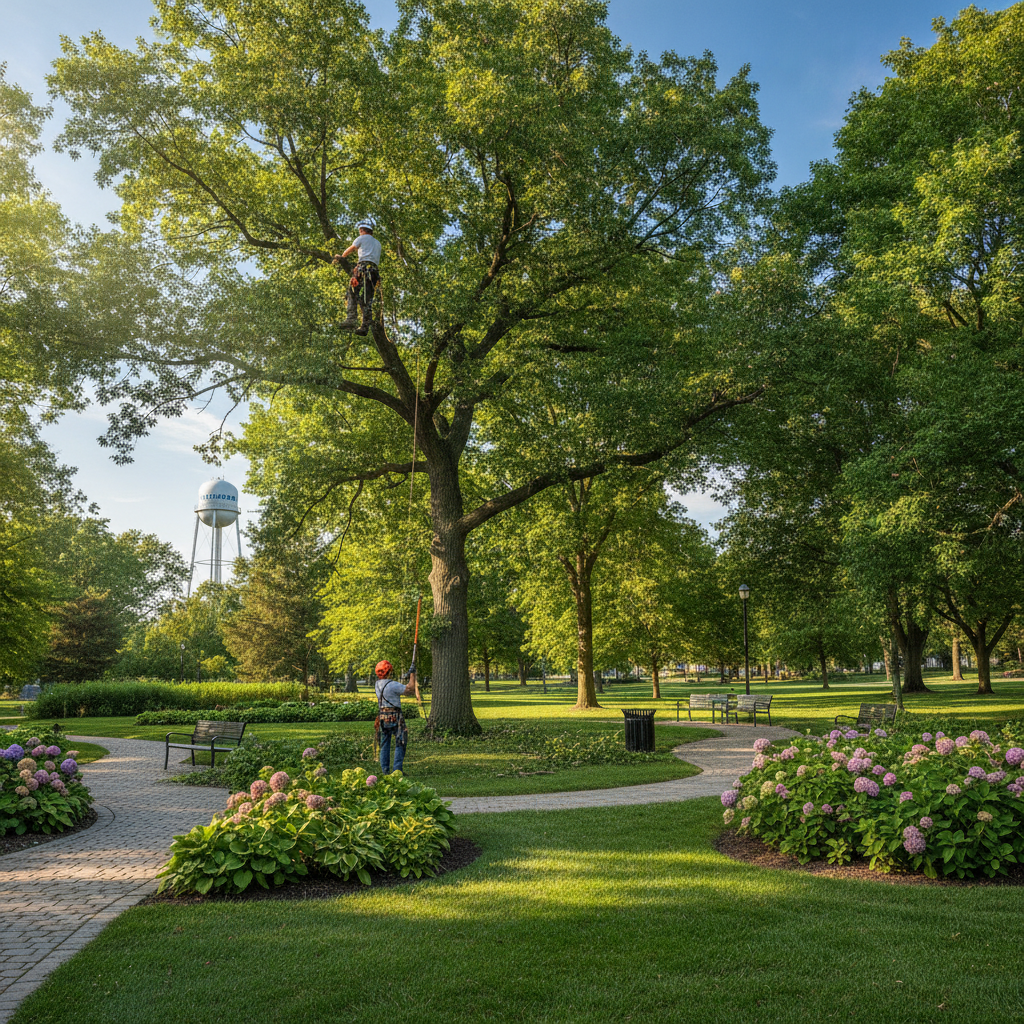
Trees are an essential part of any thriving community, providing shade, beauty, and environmental benefits. For business owners, developers, and residents alike, ensuring healthy trees is a smart investment that pays dividends for years to come. Pruning is one of the most effective ways to maintain healthy trees, but it requires knowledge, timing, and the right techniques. In this comprehensive guide, we’ll explore practical tips for keeping your trees in top shape through proper pruning. Whether you’re looking to enhance curb appeal, prevent property damage, or simply want to create a more inviting atmosphere, you’ll find actionable advice tailored to the needs of this city and its surrounding neighborhoods. Discover how to make the most of your green assets, avoid common mistakes, and promote vigorous growth by following best practices for healthy trees Blue Island property owners can trust.
Pruning for Healthy Trees in the Area
Pruning is a crucial step in caring for healthy trees Blue Island residents value. By removing dead, diseased, or overcrowded branches, you help trees direct energy toward strong, healthy growth. The right pruning techniques can prevent structural problems, improve air circulation, and reduce the risk of storm damage. Timing matters: late winter or early spring is often ideal, as trees are dormant and wounds heal quickly. Always use sharp, clean tools to make precise cuts, and avoid removing more than 25% of a tree’s canopy in a single season. If you’re unsure about which branches to cut, focus on those that cross, rub, or show signs of decay. For emergencies or complex pruning jobs, visit our site for professional help. Prioritizing regular pruning ensures your trees remain vibrant, resilient, and a lasting asset to your property. For additional service details and local availability, readers can visit our site.
Best Practices for Healthy Trees Blue Island, IL
Maintaining healthy trees Blue Island is about more than just aesthetics; it’s about safety and sustainability. Start by inspecting trees regularly for signs of disease, pest infestations, or structural weaknesses. When pruning, always make cuts just outside the branch collar to promote proper healing. Avoid leaving stubs, as they can invite decay and pests. For young trees, formative pruning helps establish a strong structure early on, reducing the need for major corrections later. Mulching around the base of trees conserves moisture and protects roots, but keep mulch away from the trunk to prevent rot. If you’re managing a commercial property or development, schedule annual assessments with certified arborists. For more comprehensive guidance on maintaining Healthy Trees Blue Island, rely on local experts who understand the unique needs of the region. Consistent care leads to healthier, longer-living trees that benefit everyone. For related information, see Healthy Trees Blue Island.
Tree Pruning Tips for Healthy Trees in Blue Island Illinois
Tree pruning is both an art and a science, especially in this community where diverse species thrive. Begin by identifying the specific needs of each tree: some require light thinning, while others may need corrective pruning to remove hazardous limbs. Always prioritize safety, never attempt to prune large branches near power lines or structures without professional assistance. Use the three-cut method for larger limbs to prevent bark tearing. Sanitize your tools between trees to avoid spreading disease. After pruning, monitor trees for signs of stress, such as wilting or excessive sap flow. Regularly scheduled pruning encourages robust growth, enhances flowering, and minimizes the risk of falling branches. For property owners seeking expert advice or mapping out a long-term tree care plan, consider consulting with Prime Tree Care, Inc for local expertise and tailored solutions.
Understanding the Benefits of Regular Pruning
Regular pruning is a proactive approach to keeping healthy trees Blue Island property owners can rely on. By removing weak or damaged branches, you reduce the risk of property damage during storms and improve overall tree stability. Pruning also helps increase sunlight penetration and air flow within the canopy, which can decrease the likelihood of fungal diseases. For businesses, well-maintained trees create a welcoming environment for customers and employees. In residential settings, pruning enhances curb appeal and can even increase property value. Additionally, removing hazardous limbs protects pedestrians and vehicles, reducing liability concerns. Pruned trees are more likely to recover from stress and adapt to changing environmental conditions. By making pruning a regular part of your landscape maintenance routine, you ensure your trees remain healthy, safe, and beautiful for years to come.
Common Pruning Mistakes to Avoid
Even with the best intentions, improper pruning can harm healthy trees Blue Island residents care about. One common mistake is topping, or drastically cutting back the main branches, which weakens the tree and encourages weak regrowth. Over-pruning, especially removing too much foliage at once, can stress the tree and make it susceptible to pests and disease. Cutting too close to the trunk or leaving large stubs prevents proper healing and may lead to decay. Using dull or dirty tools increases the risk of infection. Timing is also critical, pruning at the wrong time of year can disrupt growth cycles or expose trees to weather-related stress. To avoid these pitfalls, educate yourself on species-specific pruning needs and consult with professionals when in doubt. Proper technique and timing are essential for supporting long-term tree health and vitality in the region.
When to Prune for Optimal Tree Health
Knowing when to prune is just as important as knowing how. For most healthy trees Blue Island property owners manage, late winter or early spring is the best time. During dormancy, trees experience less stress and wounds heal more efficiently. Pruning in late winter also allows you to see the tree’s structure clearly, making it easier to identify problematic branches. However, some flowering trees should be pruned immediately after blooming to avoid removing next season’s buds. Avoid pruning in late summer or fall, as this can stimulate new growth that may not harden before winter. Emergency pruning, such as removing storm-damaged limbs, can be done any time safety is a concern. By aligning your pruning schedule with the tree’s natural growth cycles, you maximize health benefits and minimize potential harm.
Essential Tools for Effective Pruning
Having the right tools makes pruning safer and more efficient. For small branches, hand pruners or bypass pruners are ideal. Loppers provide extra leverage for thicker limbs, while pruning saws handle larger branches. Pole pruners allow you to reach higher limbs without a ladder. Always keep blades sharp and clean to ensure smooth cuts and reduce the risk of disease transmission. Wear gloves and safety glasses to protect yourself from debris. For major pruning tasks or when working near power lines, hire certified professionals equipped with specialized gear. Investing in quality tools and maintaining them regularly ensures you can care for healthy trees Blue Island property owners are proud of. Proper equipment not only improves results but also helps you work more safely and efficiently.
How to Identify Trees That Need Pruning
Recognizing when a tree needs pruning is key to maintaining healthy trees Blue Island residents enjoy. Look for dead or broken branches, crossing limbs, or branches growing toward structures or power lines. Trees with dense canopies may benefit from thinning to improve light and air flow. Signs of disease, such as discolored leaves or fungal growth, often indicate a need for selective pruning. If a tree shows rapid, uneven growth or has branches that obstruct walkways, it’s time for maintenance. Regular inspections, especially after storms or high winds, help catch problems early. For commercial properties, scheduling routine assessments ensures safety and compliance with local regulations. By staying vigilant and addressing issues promptly, you support the long-term health and beauty of your landscape.
Tree Pruning Frequency and Scheduling
How often you prune depends on the species, age, and condition of your trees. Most healthy trees Blue Island property owners manage benefit from annual or biennial pruning. Young trees may require more frequent shaping to establish strong structure, while mature trees often need less intervention. Monitor trees throughout the year and address issues such as deadwood or storm damage as they arise. For commercial landscapes or large properties, develop a pruning schedule that aligns with your maintenance goals and budget. Keep records of pruning dates and observations to track progress and anticipate future needs. Consistent, well-timed pruning supports vigorous growth, reduces risk, and maintains the value of your green assets. By making pruning a regular part of your landscape care routine, you ensure lasting benefits for your property and the broader community.
Tree Pruning Methods: A Quick Comparison
| Pruning Method | Purpose | Best For |
|---|---|---|
| Thinning | Removes select branches to improve light and air flow | Dense canopies, disease prevention |
| Crown Raising | Removes lower branches for clearance | Walkways, driveways, visibility |
| Crown Reduction | Reduces overall size of tree | Storm-prone areas, size management |
| Deadwooding | Removes dead or dying branches | Safety, aesthetics, disease control |
Understanding different pruning methods helps you choose the right approach for each tree. Thinning improves air flow, while crown raising provides clearance for vehicles or pedestrians. Crown reduction is useful for managing tree size, and deadwooding enhances safety and appearance. Matching the method to the tree’s needs ensures healthy trees Blue Island property owners can depend on. Regularly applying these techniques keeps your landscape vibrant and safe.
Professional vs DIY Pruning: What to Consider
Deciding between professional and DIY pruning depends on the size, location, and condition of your trees. For small, accessible branches, homeowners with the right tools can often handle routine maintenance. However, large trees, limbs near power lines, or trees showing signs of disease require professional expertise. Certified arborists have the training and equipment to prune safely and effectively, minimizing risk to people and property. Professionals are also familiar with local regulations and best practices for healthy trees Blue Island property owners want to preserve. While DIY pruning can save money, improper cuts or unsafe practices may result in costly damage or injury. For complex jobs or when in doubt, investing in professional services ensures your trees receive the care they need to thrive.
Bringing It Together
Caring for healthy trees Blue Island property owners cherish is a commitment that pays off in beauty, safety, and environmental value. By understanding the principles of proper pruning, using the right tools, and recognizing when to seek professional help, you can ensure your trees remain assets for years to come. Regular inspections, timely interventions, and a focus on best practices help prevent problems before they start. Whether you manage a business, oversee a development, or simply want your home to stand out, investing in tree health is a smart choice. Remember, every cut you make shapes the future of your landscape. Stay proactive, stay informed, and enjoy the lasting rewards of vibrant, healthy trees throughout the community.