
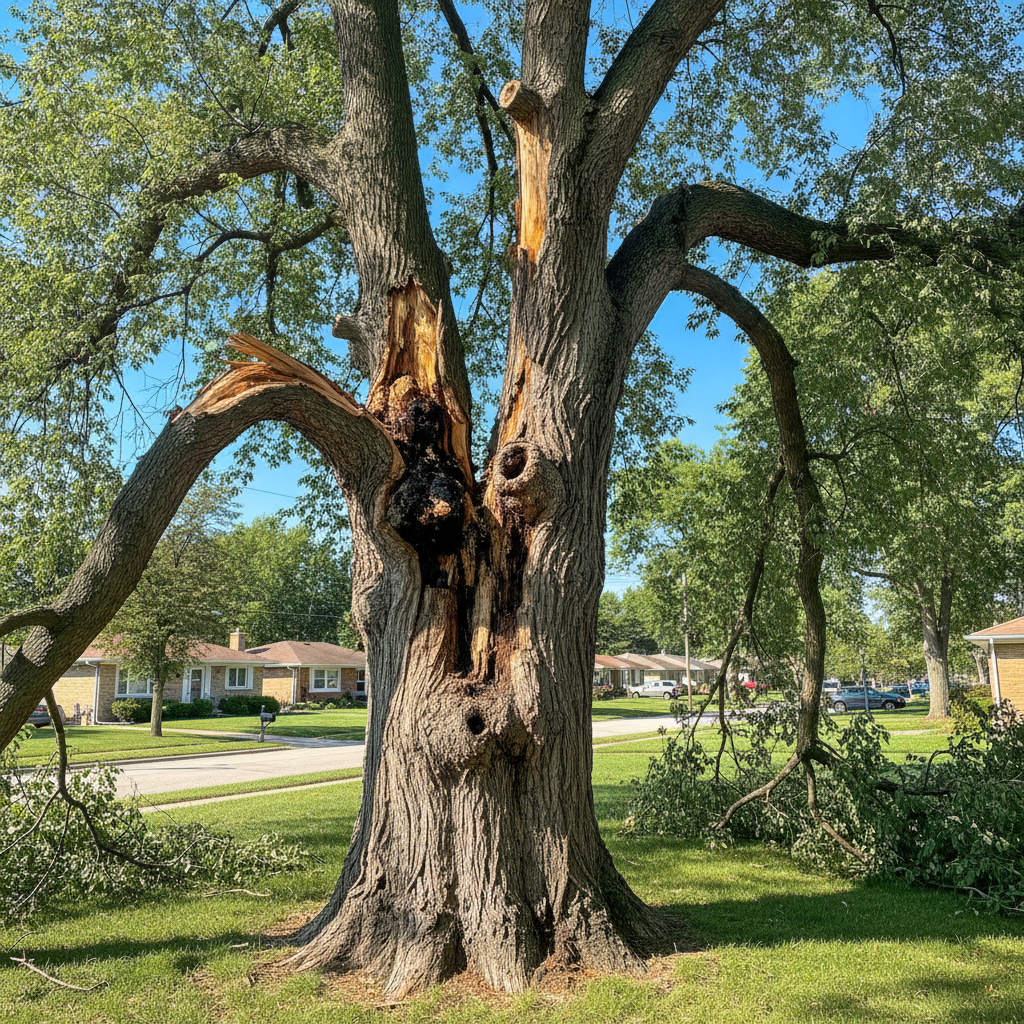
Trees add beauty, shade, and value to any property, but when trouble strikes, they can quickly become a hazard. Whether you own a small business, manage a property, or simply care for your home, recognizing when to call for Tree Emergency Services Blue Island is crucial for safety and peace of mind. Many property owners overlook early warning signs, only to face costly damage or dangerous situations later. Acting quickly can prevent property loss, injury, and disruption to your business or daily life. This comprehensive guide will help you spot the top signs that your tree may need immediate attention, understand the risks involved, and know exactly what steps to take when an emergency arises. By learning what to watch for and how to respond, you can protect your investment and keep your community safe. Let’s explore the most important indicators and expert advice on handling urgent tree issues effectively.
Tree Emergency Services Blue Island: Key Warning Signs
When it comes to Tree Emergency Services Blue Island, knowing the most common warning signs can make all the difference. Look for large, dead branches that hang precariously over buildings, walkways, or parking lots. These limbs can fall without warning, especially during storms or high winds, posing a serious threat to people and property. Another red flag is visible cracks or splits in the trunk or major limbs. These structural weaknesses indicate that the tree may fail soon. Leaning trees, especially those that have recently changed angle, should never be ignored. A sudden lean often signals root damage or soil instability. If you notice mushrooms or fungal growth at the base of a tree, this can mean internal decay, which weakens the structure from within. If you spot any of these signs, do not wait, contact Prime Tree Care, Inc for a prompt assessment and emergency response. Early intervention can save you from bigger problems down the road. For related information, see Prime Tree Care, Inc.
Tree Emergency Services Blue Island, IL: Storm Damage and Immediate Risks
Severe weather is one of the leading causes of tree emergencies in the area. Heavy winds, ice, and lightning can snap branches, split trunks, or even uproot entire trees. After a storm, inspect your property for hanging limbs, exposed roots, or trees that have shifted position. Pay close attention to power lines, if a tree is leaning on or has brought down a line, stay clear and call professionals immediately. Waterlogged soil can also destabilize roots, making trees more likely to topple. If you see soil heaving or roots pulling up, this is a clear sign of imminent danger. For urgent help, reach out for Blue Island tree emergency assistance to handle hazardous situations safely and efficiently. Remember, never attempt to remove large branches or downed trees yourself, as this can be extremely dangerous without the right equipment and expertise. For related information, see Blue Island tree emergency assistance.
Tree Emergency Services Blue Island Illinois: Signs of Disease and Decay
Diseased or decaying trees are a hidden threat to properties throughout this region. While some symptoms are obvious, like peeling bark or extensive deadwood, others are more subtle. Watch for discolored leaves, early leaf drop, or oozing sap, which can signal internal rot or pest infestations. Cankers, sunken, dead areas on the trunk or branches, often indicate fungal or bacterial infections. If you notice a hollow sound when tapping the trunk, the tree may be rotting from the inside. These issues weaken the tree’s structure, increasing the risk of sudden failure. If you suspect disease or decay, don’t delay, Tree Emergency Services Blue Island can assess the health of your trees and recommend safe removal or treatment. For expert help, check out Tree Emergency Services Blue Island to prevent further damage and restore safety to your property. For related information, see Tree Emergency Services Blue Island.
Root Problems and Soil Instability
Roots are the foundation of any healthy tree, but when they are compromised, the entire tree is at risk. Signs of root problems include visible roots lifting above the soil, cracks in the ground near the base, or a tree that suddenly leans after heavy rain. Construction activities, soil compaction, or changes in drainage can all damage roots without immediate visible symptoms. Trees with root rot often show thinning foliage or stunted growth. If you notice mushrooms or unusual growths near the base, it’s time for a professional inspection. Unstable soil, especially after flooding or landscaping changes, can cause trees to shift or fall unexpectedly. For local expertise, consider contacting Prime Tree Care, Inc for a thorough root and soil assessment. Addressing these issues quickly can prevent costly emergencies and protect your landscape investment.
Recognizing Hazardous Tree Structures
Some trees naturally develop weak structures that make them more susceptible to failure. Look for trees with multiple trunks, V-shaped branch unions, or included bark, which are all signs of potential weakness. These structural issues can cause limbs or entire sections to split apart during storms or under the weight of snow and ice. Trees with heavy, unbalanced canopies are also at greater risk, especially if they have not been pruned regularly. If you see large branches extending far from the trunk, or if the canopy appears lopsided, it’s time for a professional evaluation. Regular inspections and maintenance can help identify and correct these problems before they lead to emergencies. Consulting with Tree Emergency Services Blue Island ensures that hazardous structures are managed safely, reducing risks for everyone in the neighborhood.
Power Lines and Utility Hazards
Trees growing near power lines present unique dangers that require immediate attention. Even healthy trees can cause outages or fires if branches come into contact with electrical wires. During storms, broken limbs or entire trees can bring down lines, creating life-threatening hazards. If you notice any tree or limb touching or hanging close to utility lines, keep your distance and call the appropriate utility company or emergency tree service. Never attempt to trim or remove branches near power lines yourself. Specialized crews have the training and equipment to handle these situations safely. Proactive trimming and regular monitoring are essential for preventing outages and ensuring public safety. Tree Emergency Services Blue Island professionals can coordinate with local utilities to resolve these hazards quickly and efficiently, keeping your property and the community safe.
Aftermath of Storms: What to Inspect
Once a major storm passes, it’s vital to inspect your property for signs of tree damage. Start by looking for broken or hanging limbs, cracks in trunks, and trees that have shifted or leaned. Check for exposed roots or soil upheaval, which may indicate instability. Fallen branches or debris should be removed promptly, but only if it is safe to do so. If you notice any trees that appear unstable or pose a risk to structures, vehicles, or pedestrians, contact a professional immediately. Document any damage with photos for insurance purposes. Tree Emergency Services Blue Island can provide a thorough post-storm assessment and recommend the best course of action for hazardous trees. Quick response not only protects your property but also helps restore normalcy to your business or home life after severe weather events.
Common Tree Emergencies and Their Solutions
Tree emergencies can take many forms, from fallen limbs blocking driveways to entire trees threatening to collapse on buildings. The most common situations include storm-damaged trees, sudden leaning, and trees with large, dead branches. Each scenario requires a tailored approach. For example, cabling and bracing can sometimes stabilize a tree with structural weaknesses, while others may need complete removal to eliminate hazards. Stump grinding and debris cleanup are often necessary after emergency removals. Professional crews use specialized equipment to handle these situations safely and efficiently. Tree Emergency Services Blue Island offers rapid response and expert solutions for all types of tree emergencies, ensuring minimal disruption to your property and daily routine. Knowing who to call and what steps to take can make all the difference in a crisis.
How to Prepare for Tree Emergencies
Preparation is the best defense against unexpected tree emergencies. Start by scheduling regular inspections with certified arborists to identify risks before they become urgent. Keep trees healthy with proper pruning, watering, and fertilization. Remove dead or weak branches promptly, and address signs of disease or decay early. Maintain a safe distance between trees and structures, especially power lines. Create an emergency plan that includes contact information for local tree services and utility companies. Educate employees or family members on what to do if a tree falls or blocks access. By staying proactive, you can reduce the likelihood of emergencies and ensure a swift, effective response when issues arise. Tree Emergency Services Blue Island can help you develop a customized maintenance and emergency plan tailored to your property’s needs.
Table: Quick Reference for Tree Emergency Signs
| Sign | What It Means | Recommended Action |
|---|---|---|
| Large dead branches | Risk of falling, property damage | Call emergency tree service |
| Leaning tree | Possible root or soil problem | Professional assessment needed |
| Cracks in trunk | Structural weakness | Immediate inspection |
| Fungal growth at base | Potential decay or rot | Consult arborist |
| Branches near power lines | Electrical hazard | Contact utility or emergency service |
Why Professional Tree Emergency Services Matter
Handling tree emergencies is not a DIY job. Professional crews are trained to assess risks, use specialized equipment, and remove hazards safely. Attempting to cut or remove large limbs without proper knowledge can lead to injury or further property damage. Certified arborists understand how to stabilize or remove trees while minimizing impact on surrounding structures and landscapes. They can also identify underlying issues that may not be obvious to the untrained eye. Tree Emergency Services Blue Island provides rapid response and expert care, ensuring your property is protected and hazards are eliminated quickly. By trusting professionals, you safeguard your investment and maintain the safety of everyone who visits or lives on your property. Always choose licensed, insured services for your peace of mind and legal protection.
The Bottom Line
Recognizing the warning signs and acting quickly can make a significant difference when it comes to tree emergencies. Whether you are a business owner, developer, or homeowner in this community, keeping an eye out for dead branches, leaning trunks, storm damage, and signs of disease is essential. Tree Emergency Services Blue Island offers the expertise and rapid response needed to address urgent situations safely. Remember, professional assessment and intervention are always the best choices for protecting your property and those around you. By staying proactive with regular inspections and maintenance, you can prevent many emergencies before they happen. If you ever notice a potential hazard, do not hesitate to contact a trusted local service for help. Your safety and peace of mind are worth the investment in expert care.