Most people think about trees from the trunk up. They notice the leaves, the shape of the canopy, and the branches that hang a little too close to the roof. What rarely gets attention is the ground the tree stands on, and that is a problem, because the soil is where a tree does most of its living. Roots take in water and oxygen, form partnerships with beneficial fungi, and anchor tens of thousands of pounds of wood against Midwest wind. When the soil is compacted, starved, or smothered, no amount of pruning above ground can fully compensate. That is why mulch and soil care deserve a place near the top of any serious tree health plan, and why a professional Tree Service Blue Island IL residents rely on will usually look down before looking up.
Mulch is often treated as a decoration, something you spread in spring so the beds look tidy. Done correctly, it is far more than that. It moderates soil temperature, holds moisture through dry spells, suppresses competing weeds, and slowly feeds the soil as it breaks down. Done incorrectly, it can invite rot, pests, and root problems that take years to show up. In this guide, we walk through how mulch actually works, how to apply it, what to avoid, and how soil care fits into the bigger picture of keeping your trees strong. Whether you manage a small commercial lot, a rental property, or your own backyard, these practices are simple, affordable, and surprisingly powerful.
Why the Soil Matters More Than Most People Realize
A tree is only as healthy as the environment around its roots. In a forest, that environment builds itself: fallen leaves pile up, decompose, and return nutrients to the ground, while the soil stays loose, cool, and full of life. A residential yard is the opposite. Leaves get raked away, grass competes with roots, foot traffic and mowers compact the surface, and construction or paving can change drainage for good.
Most of a tree’s feeder roots sit in the top foot or so of soil, and they spread far wider than the canopy. That shallow zone is exactly where lawn care, parking, and foot traffic cause the most harm. If you want a reliable Tree Service Blue Island IL property owners can call when something goes wrong, it helps to prevent the problem first. A thoughtful soil plan often prevents the decline that leads to a removal call years later. Think of mulch and soil care as the foundation work that makes every other tree service more effective.
What Mulch Actually Does for a Tree
Mulch performs several jobs at once, which is why arborists recommend it so consistently. First, it acts as insulation. A layer of organic material keeps soil cooler in summer heat and buffers roots against the freeze and thaw swings that are common in northern Illinois winters. Second, it slows evaporation, so the ground holds moisture longer between rains or waterings.
Third, mulch suppresses weeds and turf grass that would otherwise compete for water and nutrients right where the tree needs them. Fourth, it creates a physical barrier that keeps mowers and string trimmers away from the trunk, which prevents one of the most common and avoidable injuries young and mature trees suffer. Finally, as organic mulch breaks down, it improves soil structure and feeds the microbes that help roots absorb nutrients. None of these benefits require expensive products or special equipment. They simply require the right material, the right depth, and a little consistency from season to season.
Choosing the Right Mulch Material
Not all mulch is equal, and the best choice depends on what you want the material to do. Organic options such as shredded hardwood bark, wood chips, and composted leaves are generally the best for trees because they improve the soil as they decompose. Arborist wood chips, often available from tree crews, are especially valuable since they contain a mix of bark, wood, and leaves that mimics the natural forest floor.
Inorganic mulches like river stone, gravel, and rubber nuggets have a place in certain landscape designs, but they do not feed the soil, and stone can hold heat that stresses roots in summer. Dyed mulches vary in quality, so look for products made from clean wood rather than recycled scrap of unknown origin. Avoid fresh, uncomposted material piled with a strong sour smell, since that can indicate it has gone anaerobic. Fine, finished mulch that smells earthy is what you want. When in doubt, ask a local arborist what has worked well on similar soils nearby.
How to Apply Mulch the Right Way
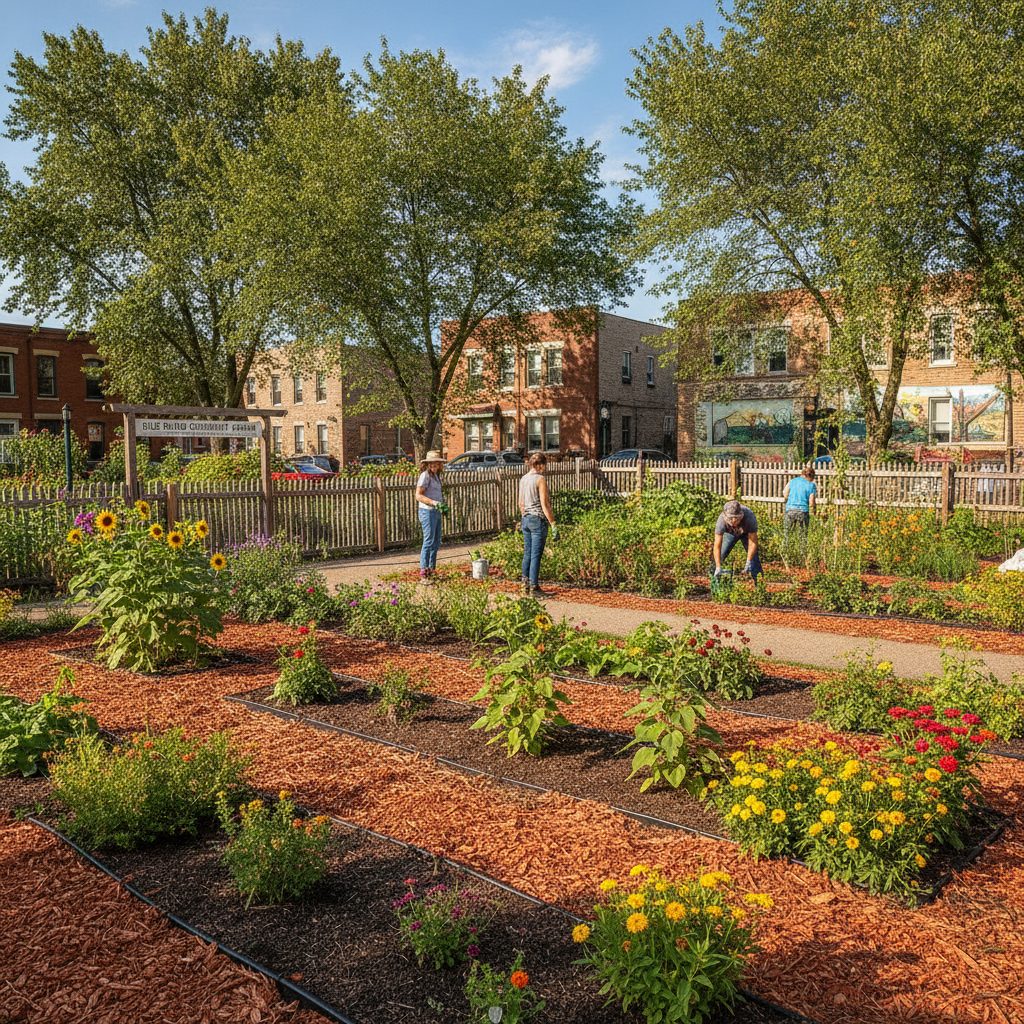
Technique matters as much as material. The goal is a wide, shallow, doughnut-shaped layer, not a tall cone. Start by clearing grass and weeds from the area, then spread mulch two to four inches deep. Extend the ring as far from the trunk as practical, ideally to the edge of the canopy or at least several feet out, because the roots reach well beyond the trunk flare.
The single most important rule is to keep mulch away from the bark. Leave a gap of a few inches around the base so the trunk flare stays visible and dry. If you need help planning a mulch ring while also addressing structural issues in the canopy, you can click here to see how pruning and ground care work together. A simple checklist helps:
- Clear turf and weeds from the planting ring first.
- Spread two to four inches of mulch, no more.
- Keep a few inches of open space around the trunk.
- Widen the ring as the tree grows.
The Problem With Mulch Volcanoes
Drive through almost any neighborhood and you will spot them: trees surrounded by tall mounds of mulch piled high against the trunk like little volcanoes. They look tidy, and they are one of the most damaging habits in residential landscaping. Mulch stacked against bark holds constant moisture, which softens the protective outer layer and invites fungal decay, insects, and rodents that chew on tender tissue.
Deep piles can also encourage roots to grow upward into the mulch itself, forming circling or girdling roots that slowly strangle the trunk over the years. These problems develop quietly, and by the time the canopy thins or the bark cracks, the damage is advanced. If you suspect past mulching mistakes, pull the material back, expose the root flare, and look for soft spots or wrapped roots. Local Blue Island IL tree care services can assess whether a tree has been harmed and recommend corrective steps, including whether fast intervention is needed if a weakened tree becomes unstable after storms.
Understanding Compaction and Aeration
Compacted soil is one of the leading hidden stressors for urban and suburban trees. When soil particles are pressed tightly together, air pockets disappear, water runs off instead of soaking in, and roots struggle to push through. Roots need oxygen to function, so a tree growing in hard-packed clay can show drought symptoms even when the lawn around it is watered regularly.
Compaction commonly comes from construction equipment, repeated foot traffic, parked vehicles, and even heavy rain on bare ground. Signs include shallow puddling, thin canopies, small leaves, and surface roots that look dry and exposed. Fixes include keeping vehicles and heavy loads off the root zone, adding a mulch layer that protects the surface, and in more serious cases, using professional air tools to loosen the soil without cutting roots. Aeration works best when combined with organic matter and mulch afterward, so the improved structure is not lost the next time it rains or someone walks across the area.
Watering, Drainage, and Soil Moisture
Mulch and moisture management go hand in hand. In dry stretches, a deep, slow soaking a few times a month does more good than frequent shallow sprinkling, since it encourages roots to grow downward instead of hovering near the surface. A soaker hose or slow trickle placed under the mulch layer delivers water right where it is needed with very little waste.
Drainage deserves equal attention. Heavy clay soils common across the Chicago region can hold water for days after a storm, and trees sitting in saturated ground suffer root rot and oxygen starvation. If you notice standing water around a trunk, a mulch layer that is too thick may be making things worse. Check moisture by pushing a screwdriver or probe a few inches into the ground: it should slide in easily and come out slightly damp, not soggy and not dusty. Adjust your watering to the weather rather than a rigid calendar, and remember that mature trees need far less supplemental water than newly planted ones.
Feeding the Soil Without Overdoing It
Many people reach for fertilizer the moment a tree looks tired, but adding nutrients without knowing what the soil lacks can backfire. Too much nitrogen can push soft, leafy growth at the expense of root strength, and excess salts can burn fine roots. The smarter approach is to start with a soil test, which reveals pH, organic matter, and nutrient levels so you can correct only what is actually off.
Organic matter is often the missing piece. A yearly top-up of mulch, a light topdressing of compost, and leaving some fallen leaves in the planting bed all build soil life naturally. Healthy soil biology releases nutrients slowly and steadily, which suits a tree’s long timeline far better than a quick chemical boost. If a tree shows persistent yellowing, early leaf drop, or dieback, an arborist can help determine whether the cause is nutritional, structural, or tied to disease. That diagnosis saves money, because it keeps you from treating the wrong problem.
A Quick Seasonal Soil Care Calendar
Consistency beats intensity when it comes to soil care, and a simple seasonal rhythm keeps things manageable. The table below outlines a practical schedule that fits most Midwest yards. Adjust the timing slightly based on weather and the age of your trees.
| Season | Soil and Mulch Task | Why It Helps |
|---|---|---|
| Early Spring | Refresh mulch, pull it back from the trunk | Resets moisture control before growth begins |
| Summer | Deep water during dry spells | Reduces drought stress on roots |
| Fall | Leave some leaf litter, add compost | Feeds soil life over winter |
| Winter | Check for heaving and salt exposure | Protects roots from freeze damage |
Protecting Roots From Salt, Construction, and Foot Traffic
Winter road salt is a quiet threat to trees planted near driveways, sidewalks, and streets. As snow melts, salty runoff soaks into the soil and draws moisture away from roots, causing browning, stunted growth, and eventual decline. A thick mulch buffer, careful snow piling away from the root zone, and rinsing the soil in spring can reduce the damage considerably.
Construction is even harder on soil. Trenching for utilities, adding a patio, or driving heavy equipment over the root zone can sever roots and compact the ground in a single afternoon. Before any project starts, mark a protection zone around valuable trees and keep materials and machinery outside it. Business owners with parking lots and walkways should plan trees into the layout from the start, leaving generous planting areas rather than squeezing roots into narrow strips of dirt. Cost and timing questions often come up during these projects, and it helps to understand Tree Removal Cost Factors in Blue Island IL: What Changes the Price before deciding whether a stressed tree can be saved.
When Soil Problems Call for a Professional
Plenty of mulch and soil work is well within reach for any homeowner, but some situations deserve expert eyes. Warning signs include mushrooms growing directly from the base of the trunk, soft or crumbling wood near the soil line, sudden leaning, heaved soil on one side, or a canopy that thins from the top down. These can point to root decay or structural failure that is not visible from above.
A credentialed arborist can excavate carefully around the root collar, measure soil conditions, and recommend targeted treatment, whether that means radial trenching, soil amendment, cabling, or in worst cases, removal. Working with someone who is properly trained also protects you from costly guesswork and well-meaning but harmful treatments. It is worth reading Why Licensed Arborist Oversight Matters for Tree Work in Blue Island IL to understand what qualified oversight looks like and why it makes a measurable difference in outcomes for both trees and property owners.
Your Next Steps for Healthier Trees
Healthy trees begin with healthy ground, and the good news is that the most valuable habits cost very little. Pull mulch away from the trunk, keep the layer two to four inches deep, widen the ring as your tree grows, and choose organic materials that feed the soil over time. Water deeply instead of often, protect roots from compaction, salt, and construction, and test your soil before adding anything that comes in a bag.
Start this week with a simple walk around your property. Look for volcano mulch, bare compacted patches, standing water, and trunks wrapped by turf or weeds. Fix the easy problems right away and note anything unusual to ask a professional about. Small adjustments made consistently will do more for your trees than any dramatic one-time fix, and they will pay off in shade, curb appeal, and property value for decades.
If you are unsure what your trees need, a local expert can read the signs quickly and prioritize the work that matters most. Treat the soil as part of the tree, and the tree will reward you by standing stronger through every storm, drought, and winter that comes its way.