
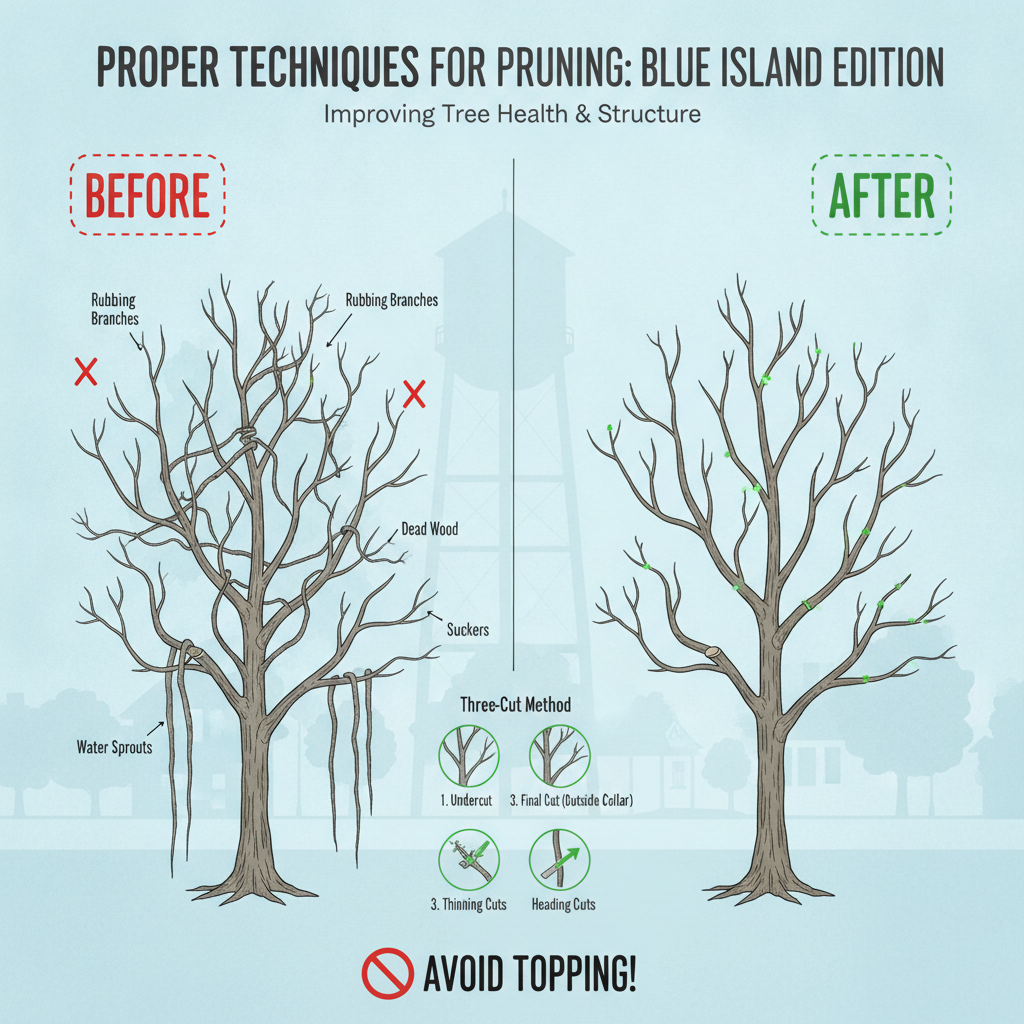
Proper tree care is essential for maintaining the health, safety, and beauty of your property. Whether you’re a small business owner looking to enhance your storefront, a developer planning a new project, or a resident who values the curb appeal of your home, understanding the proper techniques for pruning different types of trees is crucial. Tree Pruning Blue Island IL is not just about aesthetics; it’s about ensuring the longevity and vitality of your trees while keeping your surroundings safe and attractive. In this comprehensive guide, we’ll explore the best practices for pruning various tree species, the timing and tools required, and why professional expertise can make all the difference. By the end, you’ll be equipped with actionable insights to keep your local landscape thriving year-round.
Tree Pruning Techniques in the Area
Tree Pruning Blue Island IL is a specialized process that requires knowledge of local tree species, climate conditions, and urban landscaping needs. In the area, trees face unique challenges such as fluctuating weather, urban pollution, and limited root space. Proper pruning techniques help mitigate these issues by removing dead or diseased branches, improving air circulation, and shaping trees for optimal growth. For small business owners, well-pruned trees can enhance the appearance of storefronts and create a welcoming atmosphere for customers. Developers benefit from healthy trees that add value to new projects and comply with municipal regulations.
One of the most important aspects of tree pruning is timing. Different species require pruning at different times of the year to minimize stress and promote healthy regrowth. Deciduous trees, for example, are best pruned during dormancy in late winter or early spring, while evergreens can be pruned in late spring or early summer. Using the correct tools, such as sharp bypass pruners, loppers, and pruning saws, ensures clean cuts that heal quickly and reduce the risk of disease. For more complex jobs, hiring a professional service like Prime Tree Care ensures that pruning is done safely and effectively, preserving both the health of your trees and the safety of your property.
Safety is a top priority when pruning trees in urban environments. Always inspect trees for hazards such as power lines, weak branches, or signs of decay before starting any work. Proper pruning not only enhances the appearance of your landscape but also prevents costly damage from falling limbs during storms. By following best practices and seeking expert guidance when needed, you can maintain a vibrant and resilient urban forest that benefits everyone in the community.
Tree Pruning Blue Island IL: Timing and Tools
When it comes to Tree Pruning Blue Island IL, timing is everything. Pruning at the right time of year can mean the difference between a thriving tree and one that struggles to recover. For most deciduous trees, late winter or early spring is ideal, as the trees are dormant and less susceptible to stress. This timing allows wounds to heal quickly as new growth emerges. Flowering trees, however, may require pruning immediately after blooming to preserve next year’s blossoms.
Evergreen trees, such as pines and spruces, benefit from pruning in late spring or early summer, once new growth has matured. Pruning too late in the season can leave trees vulnerable to winter injury. Fruit trees require a more nuanced approach, with annual pruning to encourage fruit production and maintain shape. Understanding the growth habits and needs of each tree species is key to successful pruning.
The right tools make all the difference. Sharp, clean pruners prevent tearing and reduce the risk of disease transmission. Bypass pruners are best for small branches, while loppers handle medium-sized limbs. For larger branches, a pruning saw is essential. Always disinfect tools between cuts, especially when working with diseased trees, to prevent the spread of pathogens. Wearing gloves, safety goggles, and a hard hat is recommended, especially when working with mature or tall trees.
For those unsure about the best timing or tools, consulting with a local arborist or tree care service ensures that pruning is done correctly and safely. Proper planning and execution not only protect your investment but also contribute to the overall health and beauty of the neighborhood’s landscape.
Tree Pruning Blue Island Illinois: Deciduous vs. Evergreen
Tree Pruning Blue Island IL requires an understanding of the differences between deciduous and evergreen trees. Deciduous trees, such as maples, oaks, and elms, lose their leaves annually and enter a dormant period during the colder months. This dormancy is the optimal time for pruning, as it minimizes sap loss and reduces the risk of disease. Pruning during dormancy also allows for better visibility of the tree’s structure, making it easier to identify and remove problematic branches.
Evergreen trees, on the other hand, retain their foliage year-round and have different pruning requirements. Pines, spruces, and firs should be pruned in late spring or early summer, after new growth has matured. Over-pruning evergreens can lead to sparse foliage and poor growth, so it’s important to remove only what is necessary. Focus on removing dead, diseased, or damaged branches, and avoid cutting into the main trunk or removing too much green growth at once.
Both types of trees benefit from regular maintenance, but the techniques and timing must be tailored to their unique characteristics. Understanding these differences ensures that each tree receives the care it needs to thrive, contributing to a healthier and more attractive urban forest for everyone in the region.
Pruning Flowering Trees for Maximum Blooms
Flowering trees are a highlight of any landscape, providing vibrant color and seasonal interest. Proper pruning techniques are essential for maximizing blooms and maintaining healthy growth. The key is to understand the blooming cycle of each species. Trees that flower in spring, such as dogwoods and cherries, set their buds in the previous year. Pruning these trees immediately after flowering ensures that you don’t remove next season’s buds. Summer-flowering trees, like crape myrtle, can be pruned in late winter or early spring before new growth begins.
When pruning flowering trees, remove dead, diseased, or crossing branches first. Thin out crowded areas to improve air circulation and light penetration, which helps prevent disease and encourages more prolific blooming. Avoid heavy pruning, as this can reduce the number of flowers and stress the tree. Instead, focus on light, selective cuts that maintain the tree’s natural shape.
Regular maintenance not only enhances the beauty of your property but also extends the lifespan of your trees. By following these guidelines, you can enjoy a stunning display of blooms year after year, adding value and curb appeal to your home or business.
Fruit Tree Pruning for Health and Productivity
Fruit trees require specialized pruning techniques to ensure healthy growth and abundant harvests. The primary goals are to maintain a strong structure, remove diseased or damaged wood, and encourage the development of fruit-bearing branches. Pruning should be done annually, typically in late winter or early spring before new growth starts.
Start by removing any dead, diseased, or broken branches. Next, thin out crowded areas to improve air circulation and sunlight exposure, which helps prevent fungal diseases and promotes even ripening of fruit. Focus on creating an open canopy with well-spaced branches, as this allows for easier harvesting and reduces the risk of limb breakage under the weight of fruit.
Different fruit tree species may require specific techniques. For example, apple and pear trees benefit from central leader pruning, while stone fruits like peaches and plums do well with an open center or vase shape. Consult local resources or a professional arborist for guidance on the best approach for your trees. Proper pruning not only increases fruit yield but also extends the life and productivity of your orchard.
Safety Tips for Tree Pruning
Safety should always be the top priority when pruning trees, especially in urban environments with overhead power lines, nearby buildings, and pedestrian traffic. Before starting any pruning work, inspect the tree for hazards such as weak branches, signs of decay, or nests of stinging insects. Use appropriate personal protective equipment, including gloves, safety goggles, and a hard hat.
When working with tall trees or large branches, use a sturdy ladder and ensure it is placed on stable ground. Never attempt to prune branches near power lines, this is a job for professionals with specialized training and equipment. Keep bystanders and pets at a safe distance from the work area to prevent accidents.
Proper tool maintenance is also essential for safety. Keep blades sharp and clean to ensure smooth cuts and reduce the risk of injury. Disinfect tools between uses, especially when moving between different trees, to prevent the spread of disease. If you are unsure about the safety of a particular pruning job, it’s best to consult a certified arborist or tree care service. Investing in professional help can prevent costly accidents and ensure the health of your trees.
Common Mistakes to Avoid When Pruning
Even with the best intentions, it’s easy to make mistakes when pruning trees. One of the most common errors is over-pruning, which can stress the tree and lead to weak growth or even death. Removing more than 25% of a tree’s canopy in a single season can leave it vulnerable to pests, disease, and environmental stress.
Another frequent mistake is making improper cuts. Flush cuts, which remove the branch collar, can delay healing and increase the risk of decay. Always make cuts just outside the branch collar to promote rapid recovery. Topping, or cutting back large branches to stubs, is another harmful practice that should be avoided. It leads to weak, poorly attached regrowth and can ruin the natural shape of the tree.
Using dull or dirty tools can also cause problems, as ragged cuts are slower to heal and more susceptible to infection. Take the time to learn proper pruning techniques and invest in quality tools. When in doubt, seek advice from a professional to avoid costly mistakes and ensure the long-term health of your trees.
Table: Pruning Guidelines for Common Tree Types
| Tree Type | Best Pruning Time | Key Tips |
|---|---|---|
| Maple, Oak, Elm (Deciduous) | Late Winter/Early Spring | Prune during dormancy; remove deadwood and shape structure. |
| Pine, Spruce, Fir (Evergreen) | Late Spring/Early Summer | Avoid heavy cuts; focus on dead or damaged branches. |
| Flowering Trees | After Bloom (Spring/Summer) | Prune after flowering to preserve buds; thin crowded areas. |
| Fruit Trees | Late Winter/Early Spring | Annual pruning for shape and productivity; remove diseased wood. |
This table provides a quick reference for the best times and techniques for pruning common tree types found in this community. Adhering to these guidelines helps ensure healthy, attractive trees that enhance local landscapes.
Choosing Between DIY and Professional Pruning
Deciding whether to prune trees yourself or hire a professional depends on several factors, including the size and type of tree, your experience level, and the complexity of the job. Small trees and minor pruning tasks can often be handled by homeowners with the right tools and knowledge. However, large or mature trees, trees near power lines or buildings, and those with significant structural issues are best left to professionals.
Professional tree care services have the expertise, equipment, and insurance to handle complex pruning safely and efficiently. They can identify potential hazards, diagnose diseases, and recommend the best course of action for each tree. While DIY pruning can save money, improper techniques can lead to long-term damage, safety risks, and increased costs down the road.
When choosing a tree care provider, look for certified arborists with a strong reputation in the region. Ask for references, proof of insurance, and a detailed estimate before starting any work. Investing in professional pruning not only protects your property but also contributes to the health and beauty of the local urban forest.
Benefits of Regular Tree Pruning
Regular tree pruning offers numerous benefits for property owners, businesses, and the wider community. Properly pruned trees are healthier, more resilient to storms and disease, and less likely to pose safety hazards. Pruning removes weak or damaged branches, reducing the risk of falling limbs that can cause property damage or injury.
Aesthetically, well-maintained trees enhance curb appeal and create a welcoming environment for customers and visitors. For developers, mature, healthy trees add significant value to new projects and help meet local landscaping requirements. Pruning also encourages new growth, improves air circulation, and allows more sunlight to reach lawns and gardens below.
In addition to these practical benefits, regular pruning supports the overall health of the urban forest, contributing to cleaner air, reduced noise, and increased property values. By making tree care a priority, you invest in the long-term well-being of your property and your community.
Final Thoughts
Proper tree pruning is both an art and a science, requiring knowledge, skill, and attention to detail. Whether you’re caring for a single ornamental tree or managing a larger landscape, following best practices for Tree Pruning Blue Island IL ensures that your trees remain healthy, safe, and beautiful for years to come. By understanding the unique needs of different tree species, using the right tools, and knowing when to seek professional help, you can avoid common mistakes and maximize the benefits of regular maintenance.
Remember, healthy trees are an asset to any property, providing shade, beauty, and environmental benefits that enhance the quality of life for everyone in the neighborhood. Make tree care a priority, and your landscape will reward you with lasting value and enjoyment.