
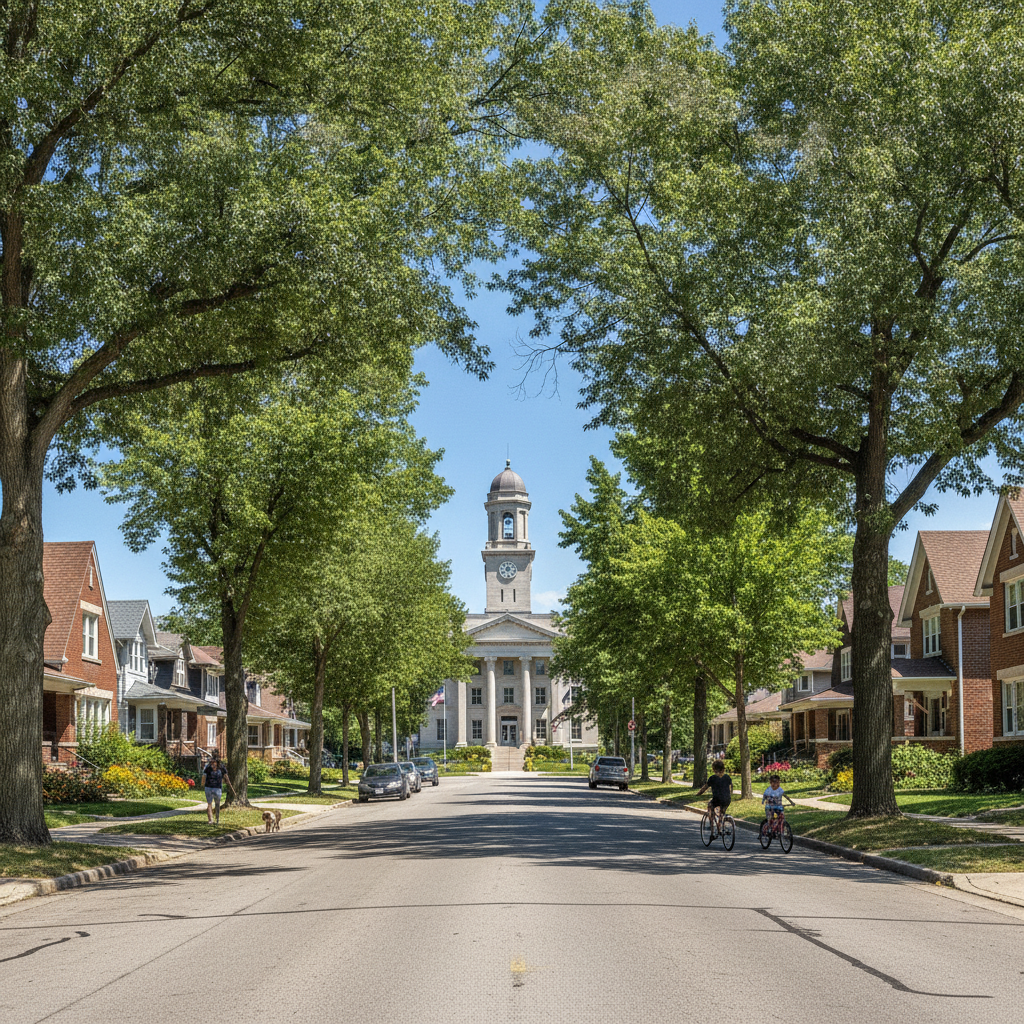
Navigating the world of tree removal can be a daunting task, especially when local regulations, permits, and community standards come into play. For small business owners, developers, and residents alike, understanding the ins and outs of tree removal rules is crucial to avoid costly fines and delays. Whether you’re planning a new construction project or simply want to enhance your property’s safety and appearance, knowing when and how to remove a tree is essential. Working with a professional tree removal company Blue Island ensures compliance and peace of mind, but it’s important to be informed about the process yourself. This comprehensive guide breaks down everything you need to know about tree removal regulations in the area, offering practical advice, local insights, and step-by-step guidance to help you navigate the process smoothly and responsibly. By the end, you’ll feel empowered to make well-informed decisions for your property and your community.
Tree Removal Rules in Blue Island
Understanding tree removal rules is the first step for anyone looking to modify their landscape or start a new project in this city. The local government has established clear guidelines to protect the environment while allowing for responsible development. These rules often specify which trees can be removed, under what circumstances, and the necessary steps for obtaining approval. For example, certain heritage or protected species may require special permits, while diseased or hazardous trees might be eligible for expedited removal. Working with a professional tree removal company Blue Island can help ensure that all procedures are followed correctly. It’s important to note that unauthorized tree removal can result in significant fines and even legal action. By familiarizing yourself with these regulations, you can avoid unnecessary complications and contribute to the area’s sustainability. Always check with local authorities before starting any tree removal project to stay compliant and avoid setbacks. For related information, see professional tree removal company Blue Island.
Tree Removal Permits in Blue Island, IL
Obtaining a tree removal permit is a key requirement for most projects in the region. The permit process is designed to balance property rights with environmental stewardship. Typically, applicants must submit a detailed request outlining the reason for removal, the species and size of the tree, and any plans for replanting or site restoration. The city reviews these applications to ensure that removal is justified and that any negative impact is minimized. In some cases, an inspection by a certified arborist may be required before a permit is granted. Utilizing tree services in Blue Island can streamline this process, as experienced professionals are familiar with local protocols and can help gather the necessary documentation. Remember, starting work without the proper permit can lead to project delays and penalties. Always verify permit requirements before proceeding with any tree removal work. For related information, see tree services in Blue Island.
Understanding Tree Removal Laws in Blue Island, Illinois
Tree removal laws in this part of Illinois are designed to protect both private and public interests. These laws often distinguish between trees on private property, public land, and those located near utility lines or roadways. For instance, removing a tree that poses a risk to public safety may be prioritized, while cutting down healthy, mature trees could require additional justification. Local ordinances may also address issues such as replacement planting, mitigation fees, and preservation of green spaces. Staying informed about tree removal regulations not only helps you stay compliant but also supports the community’s long-term ecological health. Consulting with local experts or municipal offices before starting any project is always a wise move. By understanding the specific laws that apply to your situation, you can plan more effectively and avoid unexpected legal hurdles. For related information, see tree removal regulations.
Who Is Responsible for Tree Removal?
Determining responsibility for tree removal depends on the tree’s location and the nature of the issue. Generally, property owners are responsible for trees located entirely within their boundaries. However, if a tree straddles a property line, both neighbors may share responsibility, and mutual agreement is typically required before removal. For trees located near sidewalks or public spaces, the local municipality may assume responsibility, especially if the tree poses a risk to public safety. It’s important to clarify ownership and responsibility before beginning any work, as unauthorized removal can lead to disputes or legal consequences. Consulting with a reputable company like Prime Tree Care, Inc can help property owners navigate these complexities and ensure all parties are informed and in agreement. Always document any agreements in writing to prevent misunderstandings.
Protected and Heritage Trees
Many communities place special protections on certain trees, often referred to as heritage or landmark trees. These are typically older, larger, or rare species that contribute significantly to the local ecosystem and cultural heritage. Removing a protected tree usually requires a thorough review process, including an assessment by an arborist and approval from local authorities. In some cases, removal may be denied unless the tree poses a direct threat to safety or property. Property owners may also be required to plant replacement trees or pay mitigation fees to offset the loss. Understanding which trees are protected in your area is vital before planning any removal. This not only helps preserve the natural beauty of the neighborhood but also ensures compliance with local regulations. Always consult the local tree ordinance or speak with municipal staff to identify protected species and understand the necessary steps for removal.
Common Reasons for Tree Removal
There are several legitimate reasons why property owners may seek to remove a tree. Safety is often the primary concern, especially if a tree is dead, diseased, or structurally unsound. Such trees can pose a significant risk to people, buildings, and vehicles. Other common reasons include construction or development projects that require clearing space, improving curb appeal, or eliminating invasive species that threaten native plants. In some cases, trees may interfere with utility lines or obstruct visibility for drivers and pedestrians. Regardless of the reason, it is essential to document the justification for removal, as this information is often required during the permit application process. Consulting with a certified arborist can help determine whether removal is necessary or if alternative solutions, such as pruning or cabling, might be more appropriate. Always prioritize safety and compliance when making decisions about tree removal.
The Permit Application Process Explained
Applying for a tree removal permit involves several key steps. First, gather all relevant information about the tree, including its species, size, and location. Next, complete the official permit application form, which may be available online or at the local municipal office. Be prepared to provide a detailed explanation for the removal request and, if necessary, an arborist’s report. Once submitted, the application will be reviewed by city staff, who may conduct a site inspection to assess the situation. Approval times can vary depending on the complexity of the request and the workload of the reviewing department. After receiving approval, ensure that all work is carried out by licensed professionals who adhere to local safety standards. Keep copies of all permits and correspondence for your records. Following the correct application process helps avoid delays and ensures that your project proceeds smoothly and legally.
Penalties for Unauthorized Tree Removal
Unauthorized tree removal can result in significant penalties, including hefty fines, mandatory replacement planting, and even legal action. Local authorities take violations seriously to protect the region’s green spaces and maintain community standards. In addition to financial penalties, property owners may be required to restore the site or participate in community service related to environmental restoration. Repeat offenders or those who remove protected or heritage trees without permission may face even harsher consequences. To avoid these issues, always verify permit requirements and consult with local officials before starting any removal project. Keeping thorough documentation and working with licensed professionals can further reduce the risk of violations. Remember, compliance not only protects you from penalties but also supports the long-term health and beauty of the community.
Choosing the Right Tree Removal Service
Selecting a qualified tree removal service is essential for ensuring safety, efficiency, and regulatory compliance. Look for companies with proper licensing, insurance, and a strong track record in the community. Ask for references and check online reviews to gauge customer satisfaction. It’s also important to verify that the company is familiar with local tree removal regulations and permit processes. A reputable service will provide a detailed estimate, outline the steps involved, and answer any questions you may have. Avoid companies that offer unusually low prices or pressure you to proceed without the necessary permits. Investing in a professional, experienced team not only protects your property but also ensures that all work is completed according to local standards. By choosing the right partner, you can navigate the complexities of tree removal with confidence and peace of mind.
Tree Removal Permit Process Table
| Step | Description | Who Is Responsible? |
|---|---|---|
| Identify Tree | Determine species, size, and location | Property Owner |
| Consult Local Ordinance | Review regulations and protected species list | Property Owner/Arborist |
| Submit Application | Complete and submit permit form | Property Owner |
| Site Inspection | Inspection by city staff or arborist | City/Arborist |
| Approval/Denial | Decision on permit application | City |
| Tree Removal | Removal by licensed professionals | Tree Service Company |
Tips for a Smooth Tree Removal Experience
To ensure a smooth and stress-free tree removal process, start by conducting thorough research on local regulations and requirements. Gather all necessary documentation, including property surveys, arborist reports, and photographs of the tree. Communicate openly with neighbors and local officials to address any concerns or questions. Schedule removal work during appropriate times to minimize disruption to the community. Always hire a professional tree removal company Blue Island to handle the job safely and efficiently. Keep detailed records of permits, correspondence, and invoices for future reference. By staying organized and proactive, you can avoid common pitfalls and ensure that your project is completed on time and within budget. Remember, following the proper procedures not only protects your interests but also contributes to the well-being of the entire neighborhood.
Environmental Impact and Replanting
Tree removal can have a significant impact on the local environment, affecting air quality, wildlife habitats, and stormwater management. Many municipalities encourage or require property owners to plant new trees to offset these effects. Replanting native species helps restore ecological balance and supports biodiversity. When planning a removal, consider the long-term environmental consequences and explore opportunities for replanting or landscaping improvements. Some local programs may offer incentives or guidance for planting and maintaining new trees. By taking a responsible approach, property owners can help preserve the natural beauty and health of the community for future generations. Always consult with landscape professionals or local environmental groups for advice on selecting appropriate species and ensuring successful replanting efforts.
Final Thoughts
Navigating tree removal regulations requires a careful balance of property rights, environmental responsibility, and community standards. By understanding the rules, securing the necessary permits, and working with a professional tree removal company Blue Island, property owners and developers can ensure that their projects proceed smoothly and legally. Staying informed about local laws, protected species, and best practices helps avoid costly mistakes and supports the region’s long-term sustainability. Remember, every tree removed should be a thoughtful decision, weighed against its impact on the landscape and community. Whether you’re a business owner, developer, or resident, taking a proactive and informed approach to tree removal benefits everyone involved. With the right knowledge and resources, you can confidently manage your property while contributing to a greener, safer, and more vibrant neighborhood.