
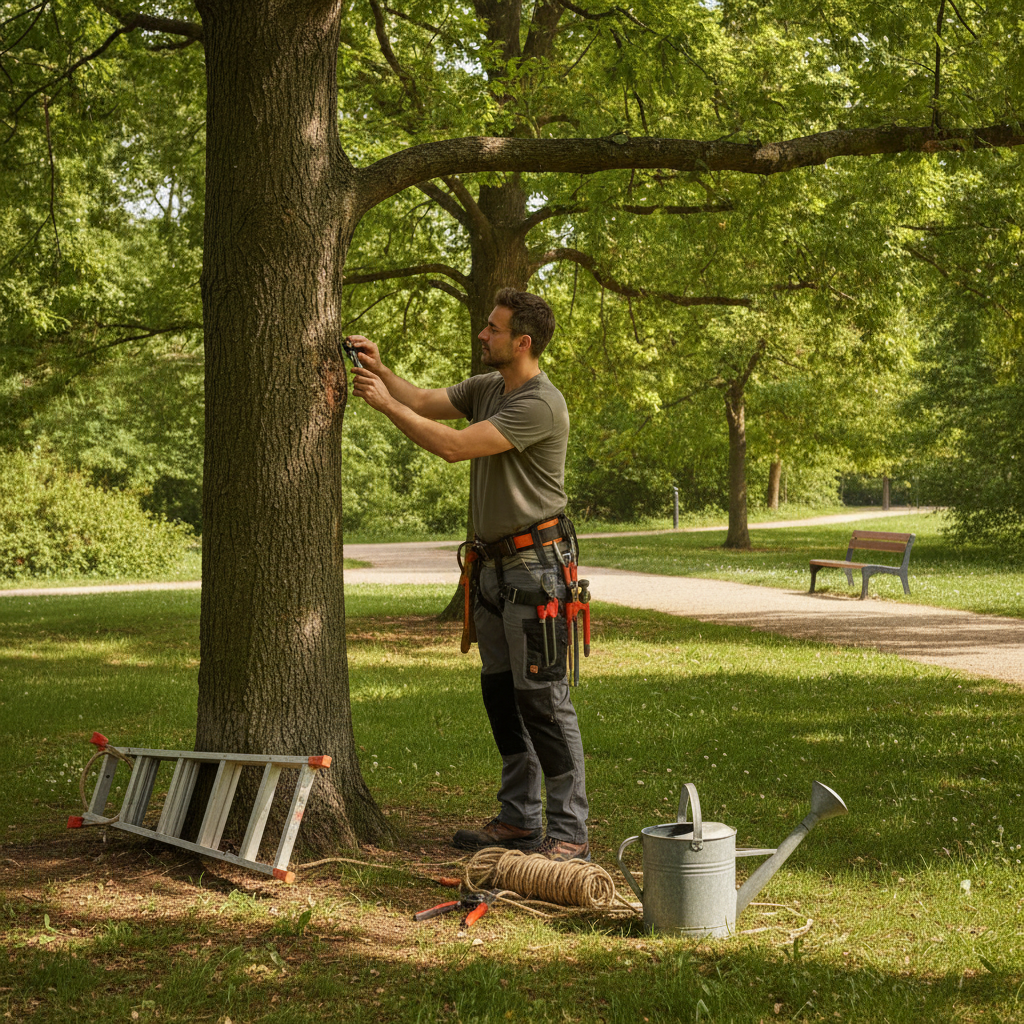
Trees are more than just beautiful additions to the landscape, they are vital for the health, safety, and value of any property. Whether you are a small business owner, a developer, or a homeowner, understanding the best practices for tree maintenance is essential to keep your outdoor spaces thriving. With unpredictable weather and the constant need for property upkeep, having access to a reliable 24 Hour Emergency Tree Service Blue Island Illinois can make all the difference when urgent issues arise. In this article, we dive deep into expert strategies, local insights, and actionable tips for maintaining healthy, resilient trees. From seasonal pruning to emergency response, you’ll discover how to protect your investment, enhance curb appeal, and foster a safer environment for everyone in the community. Let’s explore how you can make the most of professional tree care services and what you need to know to keep your landscape in top shape all year round.
Tree Maintenance Tips for the Area
Caring for trees in this community requires a blend of proactive planning, regular inspection, and timely intervention. The region’s climate brings both opportunities and challenges for tree health, making it crucial to adopt best practices tailored to local conditions. One of the most important steps is establishing a routine for tree maintenance. This ensures that trees remain healthy, safe, and visually appealing throughout the year.
Start by scheduling seasonal inspections. Early spring is ideal for checking for winter damage, while late fall is perfect for preparing trees for colder months. Look for signs of disease, pest infestations, or structural weaknesses such as cracks or dead branches. Addressing these issues early can prevent larger, costlier problems down the road.
Mulching is another key practice. Applying a layer of organic mulch around the base of trees helps retain soil moisture, regulate temperature, and suppress weeds. Be sure not to pile mulch against the trunk, as this can lead to rot and pest issues. Instead, create a donut-shaped ring that extends to the tree’s drip line.
Watering is equally important, especially during dry spells. Young and newly planted trees need consistent moisture, while established trees benefit from deep, infrequent watering. Avoid shallow, frequent watering, which can encourage weak root systems. Use a soaker hose or drip irrigation to deliver water directly to the roots.
Finally, always use proper pruning techniques. Remove dead, diseased, or crossing branches to promote healthy growth and reduce the risk of storm damage. If you’re unsure about the best approach, consult a professional arborist who understands the unique needs of trees in the region. By following these local best practices, you can ensure your trees remain a valuable asset to your property for years to come.
24 Hour Emergency Tree Service Blue Island, IL
Emergencies can strike at any time, and when it comes to trees, immediate action is often necessary to prevent property damage or personal injury. That’s where a 24 Hour Emergency Tree Service Blue Island Illinois becomes invaluable. Whether a storm brings down limbs or a tree is suddenly leaning dangerously close to a building, having a trusted service on call gives peace of mind to business owners, developers, and residents alike.
The most common emergencies include storm-damaged trees, fallen branches blocking driveways or roads, and trees that have become hazardous due to disease or decay. In these situations, time is of the essence. A professional emergency service is equipped with the right tools and expertise to handle urgent situations safely and efficiently, minimizing the risk to people and property.
When selecting an emergency tree service, look for companies that offer rapid response times and are fully insured. Experience in handling local tree species and knowledge of municipal regulations is also crucial. Many reputable providers offer 24/7 hotlines, ensuring help is available whenever you need it. This is especially important for businesses that can’t afford downtime or homeowners concerned about safety.
In addition to immediate removal or stabilization, emergency services often include assessments to determine if other trees on your property are at risk. Preventative maintenance can reduce the likelihood of future emergencies, saving you time and money in the long run. Remember, prompt action is key, never attempt to remove large branches or fallen trees yourself, as this can be extremely dangerous.
For those in need of expert assistance, Prime Tree Care, Inc offers reliable emergency tree services and professional advice to keep your landscape safe and healthy year-round.
24 Hour Emergency Tree Service Blue Island Illinois
The value of a 24 Hour Emergency Tree Service Blue Island Illinois cannot be overstated for property owners who want to protect their investments and ensure public safety. Trees can become hazardous due to severe weather, disease, or unforeseen accidents, and having an emergency plan in place is a smart move for anyone responsible for property management.
Local emergency tree services are equipped to handle a wide range of scenarios, from removing storm-damaged limbs to clearing trees that pose an immediate risk to buildings, vehicles, or utility lines. These professionals use specialized equipment and follow industry safety standards, ensuring that even the most complex situations are resolved without unnecessary risk.
One of the key benefits of working with a local provider is their familiarity with the unique tree species and environmental factors in this city. They can quickly assess the situation and recommend the best course of action, whether it’s removal, cabling, or pruning. Additionally, they often work closely with municipal authorities to ensure compliance with local ordinances and regulations.
Beyond emergency response, these services often provide valuable guidance on preventative care. Regular inspections, strategic pruning, and proactive removal of at-risk trees can significantly reduce the likelihood of emergencies. This approach not only protects your property but also contributes to the overall health and beauty of the neighborhood.
For trusted, professional help in urgent situations, you can count on Prime Tree Care, Inc to deliver prompt, effective solutions tailored to the needs of the local community.
Seasonal Tree Care Strategies
A successful tree maintenance plan adapts to the changing seasons. Each time of year brings unique challenges and opportunities for tree health, and understanding these cycles is key to keeping your landscape vibrant and resilient. In early spring, focus on inspecting trees for winter damage and removing any dead or broken branches. This is also the best time to fertilize, as trees are coming out of dormancy and preparing for new growth.
Summer brings heat and potential drought, so prioritize deep watering and monitor for signs of stress, such as wilting leaves or premature leaf drop. Mulching helps retain soil moisture and keeps roots cool. Be vigilant for pests, as many insects are most active during the warmer months. If you notice unusual leaf discoloration or holes, consult a professional for diagnosis and treatment.
In autumn, prepare trees for the coming cold by pruning lightly and removing fallen leaves that can harbor disease. This is also a good time to plant new trees, as cooler temperatures and increased rainfall help young roots establish. Winter is generally a period of rest for trees, but it’s important to monitor for ice accumulation and heavy snow, which can cause branches to break. Gently brush off snow from limbs and avoid using salt near tree roots, as it can damage the soil and harm the tree.
By tailoring your care routine to each season, you can prevent many common problems and ensure your trees remain healthy and attractive all year long. Consistent attention and timely interventions are the foundation of effective tree maintenance in any region.
Common Tree Issues and Solutions
Trees in this neighborhood face a variety of challenges, from pests and diseases to environmental stressors like drought and pollution. Recognizing the early signs of trouble is the first step in effective tree maintenance. Common issues include leaf discoloration, dieback, fungal growth, and the presence of boring insects or caterpillars.
To address these problems, start with a thorough inspection. Look for cankers or lesions on the trunk, oozing sap, or unusual patterns of leaf loss. Early intervention is crucial, removing infected branches or applying targeted treatments can often save a tree from decline. For pest infestations, integrated pest management (IPM) strategies are recommended. This approach combines cultural, biological, and chemical controls to minimize harm to the environment while effectively managing pests.
Soil health is another critical factor. Compacted or nutrient-poor soil can stunt growth and make trees more susceptible to disease. Aerate the soil around tree roots, add organic matter, and test for pH imbalances. Addressing soil issues can dramatically improve tree vitality and resilience.
For more complex problems, such as structural weaknesses or root damage, consult a certified arborist. These professionals have the expertise to diagnose issues accurately and recommend the best solutions, whether it’s bracing, cabling, or selective removal. Investing in professional advice can save you time, money, and the heartache of losing a valued tree.
The Importance of Professional Tree Services
While many aspects of tree maintenance can be handled by property owners, certain tasks require the expertise and equipment of trained professionals. Tree removal, large-scale pruning, and emergency response all pose significant risks if attempted without proper knowledge and tools. Professional tree services are equipped to handle these challenges safely and efficiently, ensuring the health of your landscape and the safety of everyone on the property.
Certified arborists bring a wealth of knowledge to the table, from identifying diseases and pests to recommending the best species for your site. They understand local regulations and can help with permitting, especially for protected or heritage trees. Additionally, professionals have access to specialized equipment such as aerial lifts, chippers, and stump grinders, making even the most daunting tasks manageable.
Hiring a reputable tree service also provides peace of mind. Look for companies that are licensed, insured, and have positive reviews from other residents. Ask about their safety protocols and experience with local tree species. A good provider will offer transparent pricing, detailed assessments, and clear communication throughout the process.
Ultimately, investing in professional tree care is an investment in the long-term health and value of your property. Whether you need routine maintenance or urgent assistance, partnering with experts ensures your trees receive the best possible care.
DIY Tree Maintenance: What You Can Do
While some tree care tasks are best left to the professionals, there are many steps property owners can take to support healthy growth and prevent problems. Regular observation is key, walk your property frequently and look for changes in leaf color, branch structure, or overall appearance. Early detection of issues can make a big difference in outcomes.
Pruning small branches and removing deadwood can be done safely with the right tools. Use sharp, clean pruning shears or saws, and make cuts at the branch collar to promote proper healing. Avoid topping trees, as this can lead to weak regrowth and increased vulnerability to pests and disease.
Watering is another important task. Young trees need about one inch of water per week, either from rainfall or supplemental irrigation. Check soil moisture regularly and adjust your watering schedule based on weather conditions. Mulching, as mentioned earlier, helps retain moisture and suppress weeds, but be careful not to over-mulch.
Fertilizing can give trees a boost, especially if soil tests indicate nutrient deficiencies. Use slow-release, balanced fertilizers and follow label instructions to avoid overfeeding. Remember, healthy soil is the foundation of healthy trees.
Finally, protect tree trunks from lawn equipment and animal damage by installing guards or barriers. Simple steps taken throughout the year can significantly enhance the longevity and beauty of your trees.
Table: Seasonal Tree Maintenance Checklist
| Season | Key Tasks | Tips |
|---|---|---|
| Spring | Inspect for winter damage, prune dead branches, fertilize | Start mulching, check for pests |
| Summer | Deep watering, monitor for drought stress, pest control | Water early morning or evening |
| Autumn | Light pruning, remove fallen leaves, plant new trees | Prepare trees for winter |
| Winter | Monitor for ice/snow damage, avoid salt near roots | Brush snow off branches gently |
Tree Pruning Techniques for Optimal Health
Pruning is a cornerstone of effective tree maintenance. Proper pruning not only shapes trees for aesthetic appeal but also removes hazardous limbs and encourages strong, healthy growth. There are several techniques to consider, each suited to different tree species and desired outcomes.
Crown cleaning involves removing dead, diseased, or broken branches from the canopy. This reduces the risk of falling limbs and improves air circulation. Crown thinning selectively removes branches to increase light penetration and reduce wind resistance, which is especially important in areas prone to storms.
Crown raising lifts the lower branches to provide clearance for pedestrians, vehicles, or structures. This is often necessary for street trees or those near buildings. Crown reduction reduces the overall size of the tree, typically to minimize risk or maintain a desired shape. However, this should be done carefully to avoid stressing the tree.
When pruning, always use sharp, clean tools and make cuts just outside the branch collar. Avoid leaving stubs or making flush cuts, as these can invite disease. For large or high branches, it’s best to hire a professional to ensure safety and proper technique. Regular pruning as part of your 24 Hour Emergency Tree Service Blue Island Illinois plan can extend the life of your trees and keep your property looking its best.
Tree Removal: When and Why
Sometimes, despite your best efforts, a tree may need to be removed for safety or health reasons. Common indicators include severe disease, extensive root damage, or structural instability. Trees that lean dangerously, have large dead sections, or are too close to buildings or power lines may pose significant risks.
Before proceeding with removal, consult a certified arborist to assess the situation. They can determine whether the tree can be saved through cabling, bracing, or targeted pruning. If removal is necessary, professionals will handle the process safely, using specialized equipment to minimize impact on surrounding structures and landscaping.
In some cases, local regulations may require permits or notifications before removing certain trees, especially those considered heritage or protected species. Always check with municipal authorities to ensure compliance. After removal, consider planting a new tree in its place to maintain the environmental and aesthetic benefits for your property and the community.
Tree removal is a last resort, but when done thoughtfully, it can improve safety and open up new possibilities for landscaping and development.
Sustainable Tree Care Practices
Sustainability is becoming increasingly important in tree maintenance. Adopting eco-friendly practices not only benefits your property but also supports the broader environment. Start by selecting native tree species for new plantings, as these are better adapted to local conditions and require less water and maintenance.
Compost yard waste and fallen leaves instead of sending them to the landfill. This returns valuable nutrients to the soil and reduces your environmental footprint. Use organic mulches and avoid chemical fertilizers and pesticides whenever possible. Integrated pest management strategies can help control pests with minimal impact on beneficial insects and wildlife.
Water conservation is another key aspect. Install rain barrels or use drip irrigation systems to minimize water use. Group trees and shrubs with similar water needs together to maximize efficiency. Regularly check for leaks or overwatering, which can waste resources and harm tree roots.
By embracing sustainable practices, you contribute to a healthier landscape and a more resilient community. These small changes add up over time, creating a positive impact for future generations.
Final Thoughts
Maintaining healthy, beautiful trees is a responsibility that pays dividends for property owners, businesses, and the entire community. By following best practices, staying vigilant for signs of trouble, and partnering with trusted professionals when needed, you can ensure your landscape remains safe, attractive, and valuable. Remember, a proactive approach to tree care, supported by a reliable 24 Hour Emergency Tree Service Blue Island Illinois, is the key to long-term success. Whether you’re managing a single tree or an entire property, the right knowledge and resources make all the difference. Invest in your trees today, and enjoy the benefits for years to come.