
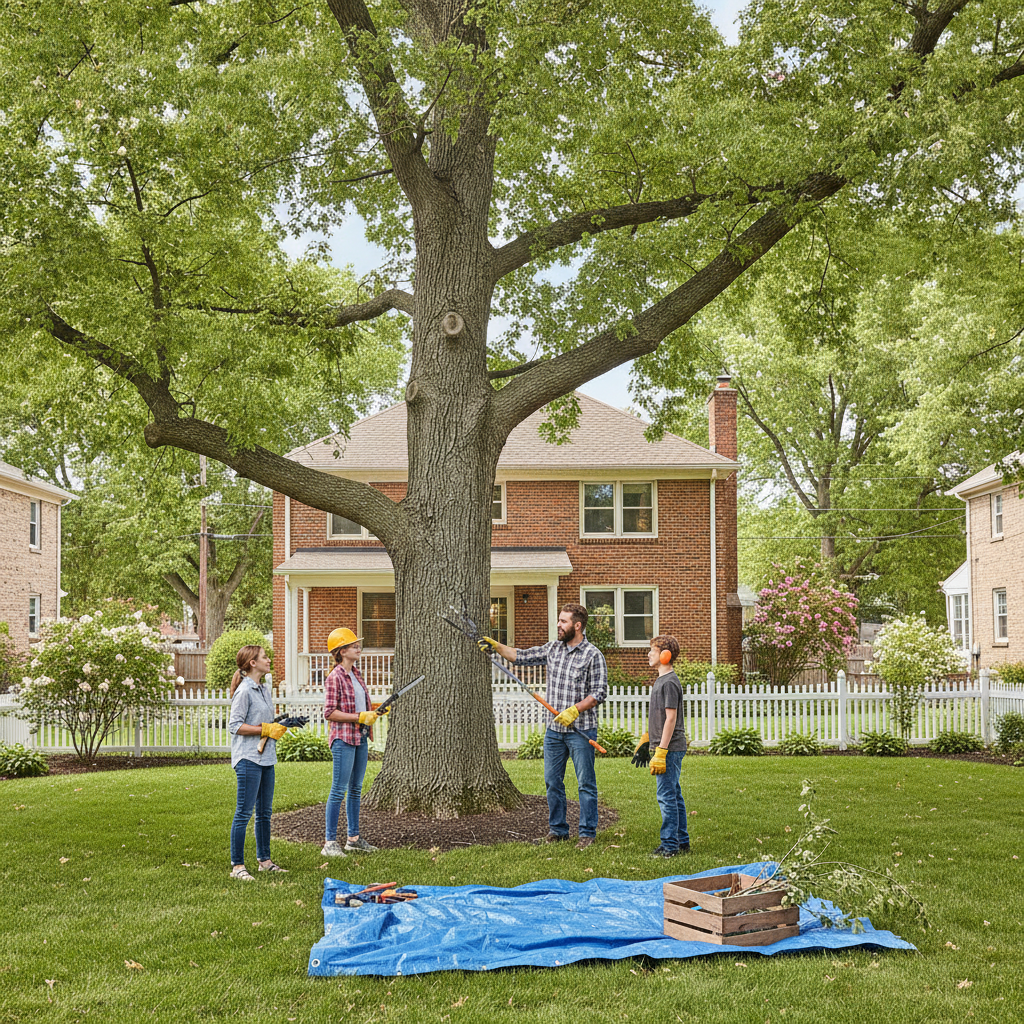
Preparing for tree removal in your home or property can feel overwhelming, but with the right approach, it becomes a smooth, manageable process. Whether you are a small business owner, a developer, or a local resident, understanding how to get ready for this significant task is crucial. Tree removal Blue Island is a service that requires careful planning, attention to detail, and coordination with professionals. From evaluating safety concerns to ensuring compliance with local regulations, each step plays a vital role in protecting your property and the surrounding environment. In this guide, we will walk you through everything you need to know before, during, and after the removal process. By following these expert tips, you can make informed decisions, avoid common pitfalls, and ensure your project is completed safely and efficiently. Let’s dive into the essentials of preparing for tree removal so you can feel confident every step of the way.
Tree Removal Blue Island: Essential First Steps
When considering tree removal Blue Island, the first step is to assess why the tree needs to be removed. Is it diseased, dead, or posing a safety hazard? Understanding the reason helps determine the urgency and the best approach. Next, check local ordinances regarding tree removal, as some communities require permits or have restrictions on removing certain species. Ignoring these rules can lead to fines or delays. It’s also important to consult with neighbors if the tree is near property lines, as disputes can arise if boundaries are unclear. Once you have clarity, start researching reputable tree removal companies in the area. Look for those with proper licensing, insurance, and positive reviews. Finally, schedule a consultation to get a professional assessment and a detailed estimate. By taking these initial steps, you set the foundation for a safe and efficient removal process. For more information or to schedule an assessment, consider reaching out to tree maintenance experts. For related information, see tree maintenance.
Tree Removal Blue Island, IL: Permits and Regulations
Before any work begins, it’s crucial to understand the permits and regulations that apply to tree removal Blue Island. Many municipalities require property owners to obtain a permit before removing a tree, especially if it is large or considered protected. Start by contacting your local city or township office to inquire about specific requirements. This step ensures you avoid legal issues and potential fines. Additionally, review any homeowner association rules if you live in a managed community, as they may have their own guidelines. Some areas also require an inspection by an arborist to determine if removal is necessary. Gathering this information early in the process prevents delays and helps you plan your project timeline effectively. Once you have the required permits, keep them accessible for the removal crew. If you need help understanding the paperwork or navigating the process, companies like Prime Tree Care, Inc can offer guidance and support throughout the permitting stage. For related information, see Prime Tree Care, Inc.
Tree Removal Blue Island Illinois: Choosing the Right Professionals
Selecting the right team for tree removal Blue Island is key to a successful outcome. Start by researching companies with strong reputations for safety, reliability, and customer service. Ask for proof of insurance and licensing to protect yourself from liability in case of accidents. Request references or read online reviews to gauge previous customer satisfaction. It’s also wise to compare estimates from several providers to ensure you receive fair pricing for the work. During your consultation, ask about their process, equipment, and safety protocols. A trustworthy company will be transparent and willing to answer your questions. Communication is vital, so choose a provider who listens to your needs and offers clear explanations. If you want a professional touch and peace of mind, consider scheduling tree care in Blue Island with an experienced local team. Their expertise can make all the difference in the safety and efficiency of your project. For related information, see tree care in Blue Island.
Site Preparation and Safety Measures
Proper site preparation is essential for a smooth tree removal process. Begin by clearing the area around the tree of any outdoor furniture, vehicles, or valuables that could be damaged. Mark off the work zone with cones or caution tape to keep bystanders and pets at a safe distance. Notify neighbors about the scheduled work, especially if the tree is near property lines or shared spaces. Check for overhead wires or underground utilities that could be affected during removal, and inform the professionals so they can take necessary precautions. The removal team will likely bring their own safety gear, but you can assist by providing clear access to the site and ensuring gates or fences are unlocked. Taking these steps minimizes risks and helps the crew work efficiently. For location-specific expertise, you can find Prime Tree Care, Inc in your neighborhood, ensuring local knowledge and compliance with all safety standards.
Assessing Tree Health and Structural Risks
Before removal, it’s important to evaluate the health and structural stability of the tree. Signs of disease, decay, or pest infestation can make a tree more hazardous to remove, requiring specialized equipment or techniques. Look for visible symptoms such as fungal growth, large dead branches, or cracks in the trunk. If you are unsure, request a professional arborist assessment. They can determine whether the tree poses an immediate risk to people, property, or nearby structures. Understanding these risks allows the removal team to plan the safest approach, possibly using cranes or sectional dismantling for compromised trees. This assessment also helps you decide if the entire tree must be removed or if selective pruning could address the issue. Accurate evaluation is key to avoiding accidents and ensuring a safe work environment for everyone involved.
What to Expect on Removal Day
On the day of tree removal, expect the crew to arrive with specialized equipment such as chainsaws, wood chippers, and possibly cranes for large trees. The team will review the plan, confirm safety procedures, and set up barriers to protect nearby structures. Noise and debris are normal, so prepare for some disruption. The process usually starts with removing branches, followed by cutting the trunk into manageable sections. The team will haul away debris or leave wood behind if you request it. After the tree is down, the crew will clean up the site, ensuring your property is left tidy. If you have pets or children, keep them indoors until the work is completed. Good communication with the crew ensures your expectations are met and any concerns are addressed promptly.
Dealing with Stumps and Roots
After the tree is removed, you are left with a stump and possibly extensive root systems. Stump removal is often a separate service, so discuss this with your provider in advance. Options include grinding the stump below ground level or complete extraction, depending on your landscaping plans. Grinding is less invasive and leaves the area ready for replanting or lawn restoration. Roots may continue to grow or decay, potentially affecting nearby plants or structures. Ask your removal team about the best approach for your property. Removing stumps and roots not only improves aesthetics but also prevents pest infestations and tripping hazards. If you plan to build or plant in the area, thorough root removal is recommended for a clean slate.
Protecting Your Property and Landscaping
Tree removal can impact your lawn, garden beds, and hardscaping. To minimize damage, discuss protective measures with your contractor. They may use plywood sheets to shield grass and walkways from heavy equipment. Move delicate plants, garden decorations, and outdoor furniture out of the work zone before removal day. After the job, inspect your property for any accidental damage and address repairs promptly. Consider reseeding grass or adding mulch to restore the area. If you have irrigation systems or underground utilities, mark their locations and inform the crew to prevent accidental breaks. Taking these precautions ensures your landscaping remains intact and your property value is preserved after the tree is gone.
Post-Removal Cleanup and Waste Disposal
Once the tree is removed, proper cleanup and waste disposal are essential. Most professional crews will chip branches, haul away logs, and rake the area to remove debris. Ask if wood chips or mulch can be left for your use, as these can benefit your garden. For larger projects, you may need to arrange for a dumpster or special pickup. Some municipalities offer green waste recycling or curbside collection for yard debris. Ensure all waste is disposed of according to local regulations to avoid fines. If you prefer a hands-off approach, confirm that your contractor includes full cleanup in their service. A thorough cleanup leaves your property safe, attractive, and ready for new landscaping or construction projects.
Cost Factors and Budget Planning
The cost of tree removal Blue Island depends on several factors, including tree size, location, accessibility, and additional services like stump grinding. Large or hazardous trees require more labor and specialized equipment, increasing the price. If the tree is near buildings or power lines, extra precautions add to the cost. Request a detailed written estimate that outlines all charges, from labor to disposal fees. Some companies offer package deals for multiple trees or combined services. Budget for unexpected expenses, such as repairing landscaping or removing difficult roots. Planning ahead and comparing quotes helps you avoid surprises and ensures you get the best value for your investment in tree removal services.
Tree Removal Preparation Checklist
| Step | Details |
|---|---|
| Assess Tree Condition | Check for disease, damage, or safety risks. Consult an arborist if unsure. |
| Check Local Regulations | Contact city or HOA for permit requirements and compliance guidelines. |
| Hire Professionals | Research, compare quotes, and verify insurance and credentials. |
| Prepare the Site | Clear area, notify neighbors, and mark utilities. |
| Plan for Stump Removal | Decide on grinding or extraction and discuss with your provider. |
| Arrange Cleanup | Ensure debris disposal and site restoration are included. |
Final Thoughts
Preparing for tree removal Blue Island is a process that requires attention to detail, careful planning, and collaboration with experienced professionals. By understanding the steps involved, from permits and site preparation to choosing the right company and budgeting for the project, you can ensure a safe and successful outcome. Remember to communicate openly with your chosen crew, protect your property, and follow local guidelines to avoid complications. Whether you are a homeowner, business owner, or developer, taking the time to prepare thoroughly will save you time, money, and stress in the long run. With the right approach, tree removal is a manageable project that can improve safety, enhance your landscape, and add value to your property. Trust in local expertise and make informed choices for the best results in this community.