
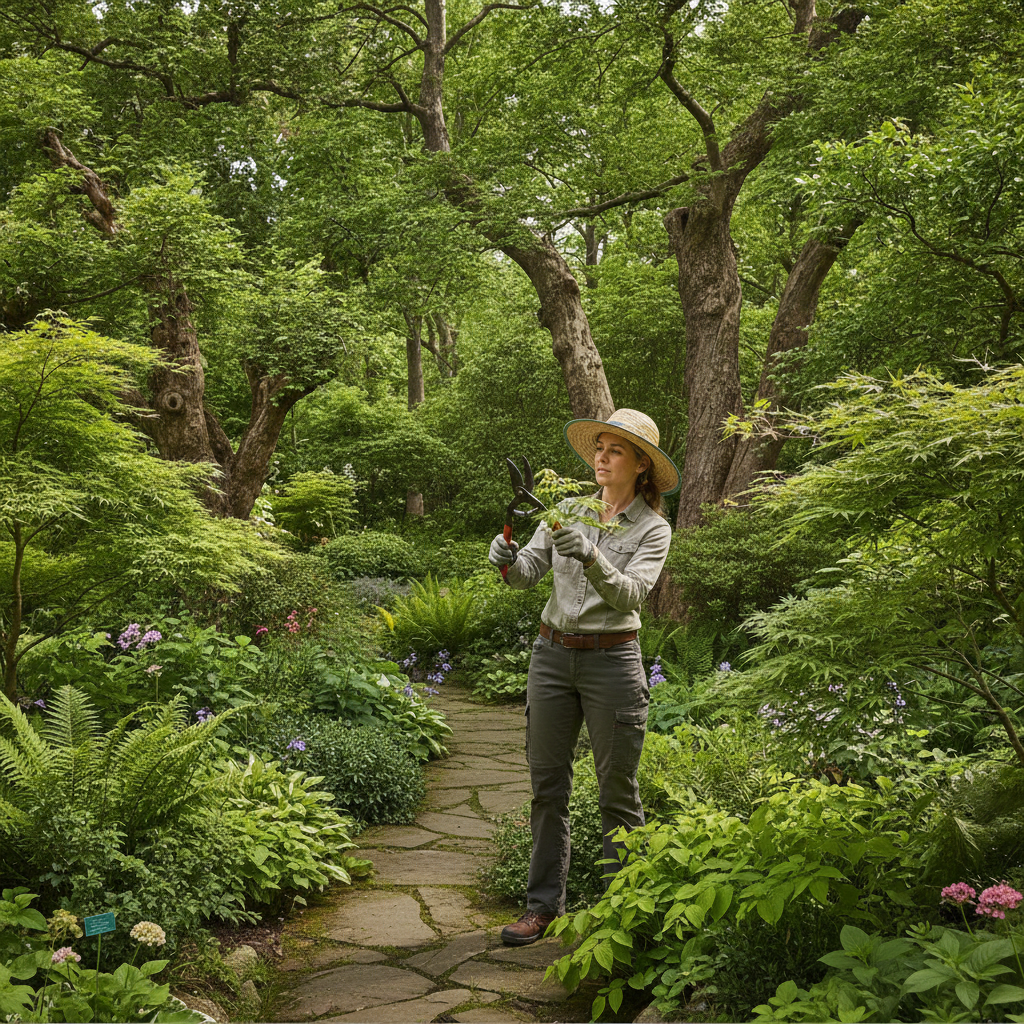
Pruning trees is both an art and a science, and knowing exactly when to prune can make a world of difference for the health and beauty of your landscape. Whether you’re a small business owner maintaining curb appeal, a developer managing multiple properties, or a homeowner passionate about your garden, understanding the timing and techniques of professional tree pruning Blue Island experts recommend is essential. Pruning at the right moment encourages robust growth, prevents disease, and enhances safety around your property. But with so much conflicting advice out there, how can you be sure you’re making the right call? This comprehensive guide draws on the expertise of local professionals to help you recognize the signs, seasons, and strategies for effective tree care. From identifying the best time to prune different species to avoiding common mistakes, you’ll gain the confidence to keep your trees thriving year after year. Let’s dive into the expert tips that will transform your approach to tree maintenance and ensure your landscape remains healthy, safe, and beautiful.
Professional Tree Pruning Blue Island: Local Insights
When it comes to professional tree pruning Blue Island residents trust, local expertise is invaluable. The unique climate and urban environment in this community mean that trees face specific challenges, from compacted soil to unpredictable weather. Local professionals understand which species thrive here and the seasonal cycles that affect their growth. They know when to prune to encourage healthy development and how to avoid stress during harsh conditions. For instance, late winter is often ideal for most deciduous trees, allowing wounds to heal before spring growth. By working with Professional Tree Pruning Blue Island specialists, you benefit from tailored advice that considers the needs of your property and the ecosystem. These pros also stay updated on city regulations regarding tree maintenance, helping you avoid fines or accidental damage. Ultimately, leveraging local knowledge ensures your trees receive care that’s both effective and sustainable for the area’s unique landscape. For related information, see Professional Tree Pruning Blue Island.
Professional Tree Pruning Blue Island, IL: Timing Matters
Understanding the timing for professional tree pruning Blue Island is crucial for optimal tree health and appearance. In Blue Island, IL, the dormant season, typically late winter to early spring, is the best time for most pruning jobs. During dormancy, trees are less susceptible to pests and diseases, and cuts heal faster as growth resumes in spring. However, there are exceptions: flowering trees may require pruning right after they bloom, while evergreens might benefit from light shaping in early summer. Weather also plays a role; avoid pruning during extreme cold or heat, as this can stress trees. If you’re unsure about the best timing for your specific species, visit our site for more detailed guidance and emergency tree service options. By aligning your pruning schedule with local seasonal patterns, you’ll promote vigorous growth, prevent disease, and maintain the beauty and safety of your landscape year-round. For additional service details and local availability, readers can visit our site.
Expert Tree Pruning Tips for Blue Island Illinois
For those seeking professional tree pruning Blue Island guidance, understanding the nuances of pruning in Illinois is key. The region’s climate requires special consideration for both native and ornamental trees. Start by inspecting trees for dead, diseased, or crossing branches, these should be removed first to prevent decay and improve structure. Use sharp, clean tools to make precise cuts, and avoid leaving stubs that can invite pests. For larger trees or those near power lines, always consult with Prime Tree Care, Inc to ensure safety and compliance with local codes. Remember, over-pruning can stress trees and reduce their lifespan, so focus on removing no more than 25% of the canopy in a single season. Following these expert tips will help your trees stay healthy, resilient, and beautiful in the Illinois climate.
Recognizing When Your Trees Need Pruning
Knowing when to prune is as important as knowing how. Look for clear signs that your trees are ready for professional tree pruning Blue Island specialists recommend. Dead or broken branches are immediate red flags, they pose safety risks and can harbor disease. Dense canopies that block sunlight or airflow may lead to fungal growth and should be thinned. If branches are rubbing together, they can cause wounds that invite pests. Trees that haven’t been pruned in several years often benefit from structural corrections. Additionally, if you notice excessive leaning, low-hanging limbs obstructing pathways, or reduced flowering and fruiting, it’s time to act. Regular inspections, especially after storms, help catch issues early. By staying vigilant and responding promptly, you’ll keep your landscape safe and thriving while minimizing costly repairs down the line.
Seasonal Tree Pruning Guide
Every season brings unique considerations for professional tree pruning Blue Island property owners should know. Late winter and early spring are optimal for most species, as trees are dormant and wounds heal quickly. Spring-flowering trees, however, should be pruned immediately after blooms fade to avoid cutting off next year’s buds. Summer is suitable for corrective pruning and removing water sprouts or suckers. Fall is generally not recommended, as pruning can stimulate new growth vulnerable to winter damage. Evergreens may be lightly shaped in early summer, but avoid heavy cuts. Monitoring seasonal changes and adjusting your approach ensures trees remain healthy and attractive. By following a seasonal guide, you’ll maximize growth, enhance flowering, and reduce the risk of disease or storm damage throughout the year.
Common Tree Species and Their Pruning Needs
Different tree species have distinct pruning requirements, and understanding these differences is essential for effective care. Maples, oaks, and elms benefit from pruning during dormancy to prevent sap loss and disease. Flowering cherries and crabapples should be pruned after blooming to preserve next year’s flowers. Evergreens like pines and spruces require minimal pruning, mainly to remove dead or damaged branches. Fruit trees demand annual maintenance to boost yield and control shape. Neglecting species-specific needs can lead to poor growth or increased vulnerability to pests. Consulting a professional tree pruning Blue Island service ensures the right approach for each tree type. By tailoring your methods, you’ll support healthy development and enjoy a vibrant, diverse landscape across your property.
Table: Best Pruning Times for Common Trees
| Tree Species | Best Pruning Time | Special Notes |
|---|---|---|
| Maple | Late winter | Avoid early spring to reduce sap bleeding |
| Oak | Dormant season | Prune to prevent oak wilt |
| Crabapple | After flowering | Preserves next year’s blooms |
| Pine | Early summer | Light shaping only |
| Apple | Late winter | Annual pruning for fruit production |
DIY vs. Hiring a Professional
Deciding between DIY and hiring a professional tree pruning Blue Island service depends on the size, type, and location of your trees. While small, accessible branches can often be managed with basic tools and safety gear, larger trees or those near structures require specialized knowledge and equipment. Professionals bring experience in identifying disease, making precise cuts, and ensuring safety for both people and property. They also carry insurance, protecting you from liability in case of accidents. Attempting complex pruning without proper training can lead to injury or lasting damage to your trees. For most property owners, especially those managing commercial spaces or multiple trees, investing in expert help delivers better results and peace of mind. Evaluate your comfort level, available time, and the specific needs of your landscape before making a choice.
Tools and Safety Tips for Tree Pruning
Proper tools and safety practices are essential for effective and safe tree pruning. Basic tools include sharp bypass pruners for small branches, loppers for medium-sized limbs, and a pruning saw for larger cuts. Always disinfect tools before and after use to prevent the spread of disease. Wear sturdy gloves, eye protection, and a hard hat if working overhead. Never use chainsaws above shoulder height or attempt to prune near power lines, these tasks should be left to professional tree pruning Blue Island specialists. Use stable ladders and have a spotter when working at height. Take your time, make clean cuts, and avoid overreaching. By prioritizing safety and using the right equipment, you’ll protect yourself and your trees, ensuring a successful pruning experience every time.
Avoiding Common Pruning Mistakes
Even well-intentioned pruning can go wrong if you’re not careful. One common mistake is topping, or cutting back large branches indiscriminately, which weakens trees and encourages weak regrowth. Over-pruning, especially removing more than 25% of the canopy at once, can stress trees and reduce their ability to photosynthesize. Cutting too close to the trunk or leaving long stubs invites disease and decay. Using dull or dirty tools can spread pathogens and cause ragged wounds. Timing errors, such as pruning during active growth or extreme weather, may hinder recovery. To avoid these pitfalls, follow expert guidelines and consider working with a professional tree pruning Blue Island service for complex jobs. Proper technique preserves tree health, structure, and beauty for years to come.
The Benefits of Regular Tree Pruning
Routine professional tree pruning Blue Island property owners schedule offers numerous benefits beyond aesthetics. Regular pruning removes hazardous limbs, reducing the risk of property damage during storms. It promotes healthy growth by eliminating diseased or overcrowded branches, allowing light and air to reach the canopy. Well-pruned trees are less susceptible to pests and fungal infections, and they recover more quickly from environmental stress. For fruit and flowering trees, proper pruning increases yield and enhances blooms. Pruning also shapes trees for structural integrity, preventing future issues as they mature. Investing in regular care not only protects your landscape investment but also contributes to the safety and beauty of the entire neighborhood. Consider setting a seasonal schedule to keep your trees in top condition year after year.
Final Thoughts
Knowing when and how to prune your trees is a critical skill for anyone invested in the health and appearance of their property. By following the expert advice shared here and understanding the importance of timing, technique, and safety, you’ll ensure your trees remain strong, beautiful, and resilient for years to come. Whether you choose to handle minor pruning yourself or rely on professional tree pruning Blue Island services, the key is to act with knowledge and care. Regular inspections, proper tools, and attention to species-specific needs make all the difference. Remember, healthy trees add value, safety, and beauty to every landscape, so make tree care a priority in your maintenance routine. If you ever feel uncertain or face a challenging situation, don’t hesitate to consult a local expert for guidance tailored to your unique environment and goals.