
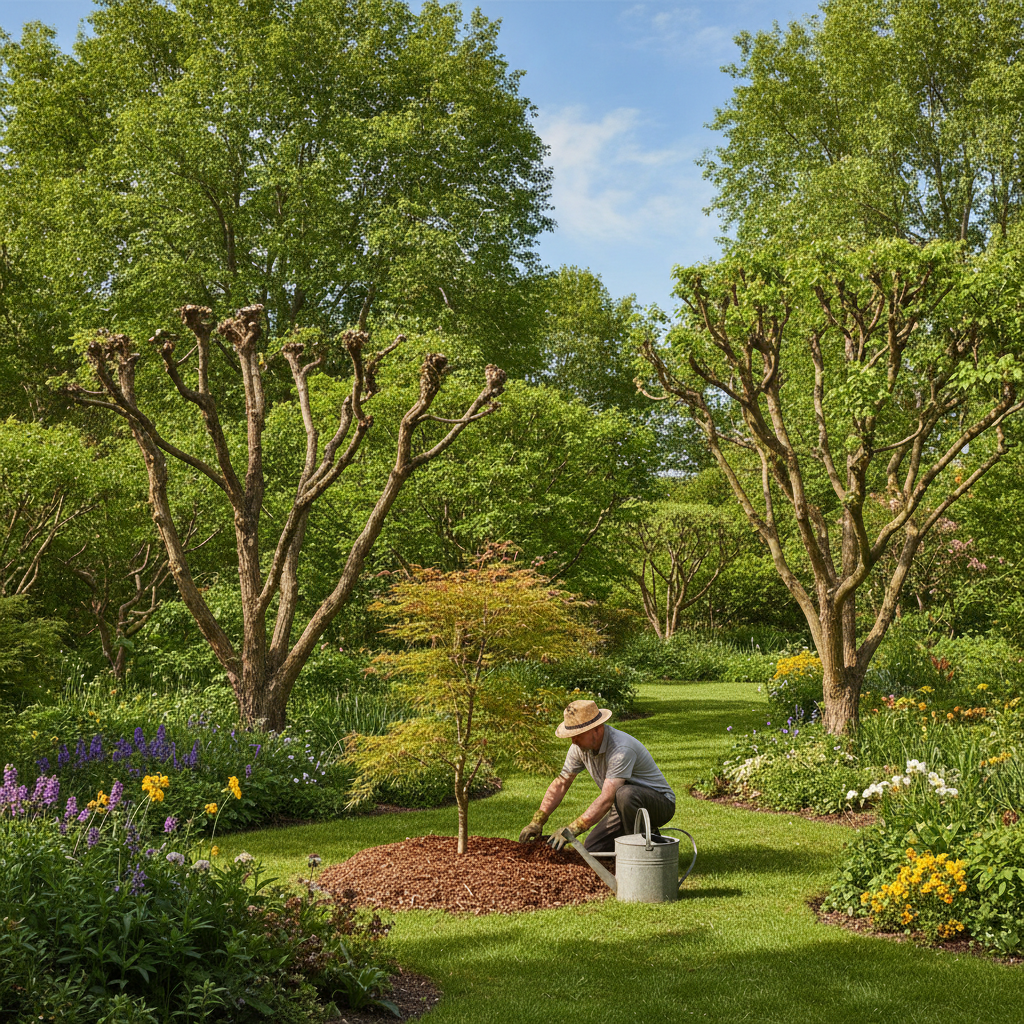
Caring for your trees after a professional tree pruning session is just as important as the pruning itself. Whether you’re a small business owner aiming to keep your storefront inviting, a developer maintaining property value, or a homeowner who loves a beautiful landscape, understanding post-pruning tree care is essential. Professional Tree Pruning Blue Island services can transform the look and health of your trees, but the steps you take afterward will determine how well your trees recover and thrive. In this guide, we’ll walk you through the best practices, common mistakes to avoid, and expert tips for ensuring your trees remain healthy, strong, and visually appealing long after the pruning is done. With the right knowledge, you’ll be prepared to nurture your trees through the healing process, prevent disease, and enjoy the benefits of a well-maintained landscape for years to come.
Professional Tree Pruning Blue Island
When it comes to maintaining healthy and attractive trees, professional tree pruning is a vital service for businesses and residents in the area. Not only does it enhance the appearance of your landscape, but it also ensures the long-term health and safety of your trees. After investing in Blue Island professional tree pruning, it’s crucial to follow up with proper care to maximize the benefits of the service. Post-pruning care helps trees recover from the stress of trimming, reduces the risk of disease, and encourages new, healthy growth.
The first few weeks after pruning are especially important. Trees are more vulnerable during this period, as fresh cuts can be entry points for pests and pathogens. By understanding what your trees need and responding promptly, you can protect your investment and ensure your landscape continues to thrive. This is particularly important for commercial properties, where curb appeal and safety are top priorities.
Some of the key aspects of post-pruning care include monitoring for signs of stress, providing adequate water, and keeping an eye out for potential pest or disease issues. These steps are not just for the benefit of the trees themselves, but also for the overall value and appearance of your property. If you’re unsure about the best practices for your specific tree species, consulting with local arborists can provide tailored advice for your landscape.
Professional Tree Pruning Blue Island, IL
After you’ve scheduled Professional Tree Pruning Blue Island, IL, it’s time to focus on the next steps that will help your trees recover and flourish. The immediate aftermath of pruning is a critical window where your actions can make a significant difference. Start by inspecting the pruned areas for clean, smooth cuts. Ragged or torn branches can slow healing and increase susceptibility to disease. If you notice any rough cuts, consider smoothing them with sanitized pruning tools to promote faster recovery.
Watering is another essential aspect of post-pruning care. Trees that have recently undergone pruning may experience some shock, and adequate hydration helps them bounce back. However, avoid overwatering, as soggy soil can lead to root rot. Instead, monitor soil moisture and water only when the top few inches feel dry. Mulching around the base of the tree can help retain moisture and regulate soil temperature, further supporting recovery.
Keep an eye out for signs of stress, such as wilting, yellowing leaves, or dieback. These symptoms may indicate that the tree needs extra attention or that environmental conditions are less than ideal. If you’re unsure about what you’re seeing, reach out to a local arborist for guidance. Remember, the goal is to create an environment where your trees can heal and thrive after their Professional Tree Pruning Blue Island session.
For more information about post-pruning care and related services, visit Professional Tree Pruning Blue Island for expert advice and support.
Professional Tree Pruning Blue Island Illinois
In the region, Professional Tree Pruning Blue Island Illinois services are trusted by property owners who want to ensure their trees remain healthy and beautiful. Once the pruning is complete, it’s important to focus on ongoing maintenance and monitoring. Trees in this community face unique challenges, including fluctuating weather conditions and urban stressors, which can impact their recovery after pruning.
One of the best ways to support your trees is by scheduling regular health checks. Inspect your trees every few weeks for signs of pests, fungal infections, or other issues that could compromise their recovery. Look for unusual growths, oozing sap, or changes in leaf color. Early detection is key to addressing problems before they become serious. If you notice anything concerning, don’t hesitate to consult with Prime Tree Care, Inc, a trusted local provider with deep experience in post-pruning care.
Fertilization can also play a role in helping trees recover. However, it’s important not to overdo it. Too much fertilizer can stress trees further, especially if they’re already coping with the effects of pruning. Use a balanced, slow-release fertilizer if recommended by a professional, and always follow the manufacturer’s instructions. This measured approach ensures your trees get the nutrients they need without overwhelming their natural recovery process.
Understanding Tree Healing After Pruning
After a tree is pruned, it begins a natural healing process that involves sealing off the wounds created by branch removal. Unlike humans, trees do not heal by regenerating lost tissue; instead, they compartmentalize the affected area to prevent the spread of disease and decay. This process is called compartmentalization of decay in trees (CODIT). The tree forms a protective barrier around the wound, which helps it resist pests and pathogens.
Understanding this process is important for anyone caring for trees after pruning. Fresh cuts can be vulnerable, so minimizing additional stress is key. Avoid unnecessary disturbances near the tree’s root zone, and refrain from applying wound dressings or paints unless specifically recommended by an arborist. Most modern research suggests that these products do not speed up healing and may even trap moisture, encouraging decay.
Monitoring the wound over time is essential. Check for callus formation, which is the tree’s way of sealing off the cut. If you notice that wounds are not closing or that there is excessive oozing or discoloration, it may be a sign of infection or decay. Promptly addressing these issues can make a significant difference in the tree’s long-term health.
Watering Strategies for Post-Pruning Trees
Water management is one of the most critical aspects of post-pruning care. After professional tree pruning, trees may experience increased water loss due to the removal of leaves and branches. Ensuring consistent and appropriate watering helps support the tree’s recovery and encourages new growth.
Start by checking the soil moisture around your trees. Use a soil probe or simply dig down a few inches to assess whether the soil is dry or moist. Water deeply but infrequently, allowing the soil to dry slightly between waterings. This approach encourages deep root growth and prevents waterlogged conditions that can lead to root rot.
Mulching is another effective strategy. Apply a 2- to 4-inch layer of organic mulch, such as wood chips or bark, around the base of the tree. Keep the mulch a few inches away from the trunk to prevent rot. Mulch helps retain soil moisture, regulate temperature, and suppress weeds, all of which support healthy recovery after pruning.
Remember, different tree species have varying water needs. Young or newly planted trees may require more frequent watering, while mature trees are often more resilient. Adjust your watering schedule based on weather conditions, soil type, and the specific needs of your landscape.
Recognizing and Addressing Tree Stress
Trees can experience stress after pruning, especially if a significant amount of foliage or large branches were removed. Common signs of stress include wilting, yellowing, leaf drop, and stunted growth. Recognizing these symptoms early allows you to take corrective action and support your tree’s recovery.
To address stress, ensure your trees are receiving adequate water and nutrients. Avoid further pruning or major landscaping changes until the tree has recovered. If you notice persistent symptoms, consider consulting a certified arborist who can assess the situation and recommend targeted interventions.
Environmental factors such as drought, heatwaves, or compacted soil can exacerbate stress. Aerating the soil around your trees and providing supplemental water during dry periods can help mitigate these effects. Additionally, avoid using herbicides or pesticides near recovering trees, as these chemicals can further stress the plant.
Patience is key when it comes to tree recovery. With proper care and attention, most trees will bounce back from pruning and continue to grow strong and healthy.
Preventing Disease and Pest Issues
Fresh pruning cuts can be attractive to insects and pathogens. To protect your trees, it’s important to monitor for signs of disease or pest infestation during the weeks following pruning. Common issues include fungal infections, borers, and aphids, which can take advantage of weakened or exposed tissue.
Inspect your trees regularly for symptoms such as cankers, unusual growths, or visible insects. If you spot any problems, act quickly to prevent them from spreading. Remove affected branches if necessary, and dispose of them away from your property to reduce the risk of reinfestation.
Maintaining good hygiene is also essential. Clean your pruning tools with a disinfectant before and after use to prevent the spread of disease. Avoid piling mulch or debris against the trunk, as this can create a moist environment that encourages fungal growth.
If you’re dealing with persistent pest or disease issues, consult a local tree care professional for advice on targeted treatments and integrated pest management strategies. Early intervention is the best way to keep your trees healthy after professional tree pruning.
Fertilization Tips for Post-Pruning Recovery
Fertilizing after pruning can support tree recovery, but it’s important to use the right products and timing. Over-fertilization can stress trees further, while under-fertilization may slow growth and healing. The best approach is to test your soil to determine nutrient levels and choose a balanced, slow-release fertilizer if needed.
Apply fertilizer in the early spring or fall, when trees are actively growing. Avoid fertilizing immediately after a major pruning, as this can encourage excessive, weak growth. Instead, wait until the tree shows signs of recovery, such as new leaves or shoots, before applying nutrients.
When applying fertilizer, spread it evenly over the root zone, avoiding direct contact with the trunk. Water thoroughly after application to help nutrients reach the roots. Monitor your trees for signs of improvement, such as increased vigor and healthy foliage.
If you’re unsure about the right fertilization strategy for your trees, consult a local arborist or tree care specialist. They can recommend products and schedules tailored to your landscape’s specific needs.
Common Post-Pruning Mistakes to Avoid
Even with the best intentions, it’s easy to make mistakes when caring for trees after pruning. One of the most common errors is overwatering, which can suffocate roots and promote disease. Stick to a consistent watering schedule and adjust based on weather and soil conditions.
Another mistake is applying wound dressings or paints to pruning cuts. While these products were once recommended, research now shows they can trap moisture and encourage decay. Allow wounds to heal naturally unless a professional advises otherwise.
Neglecting to monitor for pests and diseases is another pitfall. Regular inspections can catch problems early, preventing long-term damage. Finally, avoid fertilizing too soon or with the wrong products. Always test your soil and consult with experts before applying fertilizers.
By staying informed and attentive, you can avoid these common pitfalls and ensure your trees recover well after professional tree pruning.
Table: Post-Pruning Tree Care Checklist
| Task | Frequency | Purpose |
|---|---|---|
| Inspect pruning wounds | Weekly for 1 month | Check for proper healing and signs of disease |
| Water deeply | As needed | Support recovery and root health |
| Apply mulch | Once after pruning | Retain moisture and regulate soil temperature |
| Monitor for pests | Bi-weekly | Early detection of infestations |
| Fertilize (if needed) | Seasonally | Promote healthy regrowth |
When to Call a Professional Arborist
While many aspects of post-pruning care can be handled by property owners, there are situations where calling a professional arborist is the best choice. If you notice extensive dieback, large wounds that are not healing, or signs of serious disease or pest infestation, expert intervention is warranted. Arborists have the knowledge and tools to diagnose problems accurately and recommend effective treatments.
Professional arborists can also provide guidance on fertilization, watering schedules, and long-term tree health strategies. They can identify issues that may not be obvious to the untrained eye and help you develop a comprehensive care plan tailored to your landscape’s needs.
Investing in professional advice can save time, money, and trees in the long run. Don’t hesitate to reach out if you’re unsure about any aspect of post-pruning care or if your trees are showing signs of distress.
The Bottom Line
Caring for your trees after professional tree pruning is a vital part of maintaining a healthy, attractive landscape. By following best practices, monitoring for signs of stress or disease, and knowing when to seek expert help, you can ensure your trees continue to thrive for years to come. Proper post-pruning care protects your investment, enhances curb appeal, and contributes to the overall beauty and value of your property. Whether you’re a business owner, developer, or homeowner, these steps will help you get the most out of your professional tree pruning experience. Stay attentive, be proactive, and enjoy the many benefits that healthy, well-maintained trees bring to your community.