
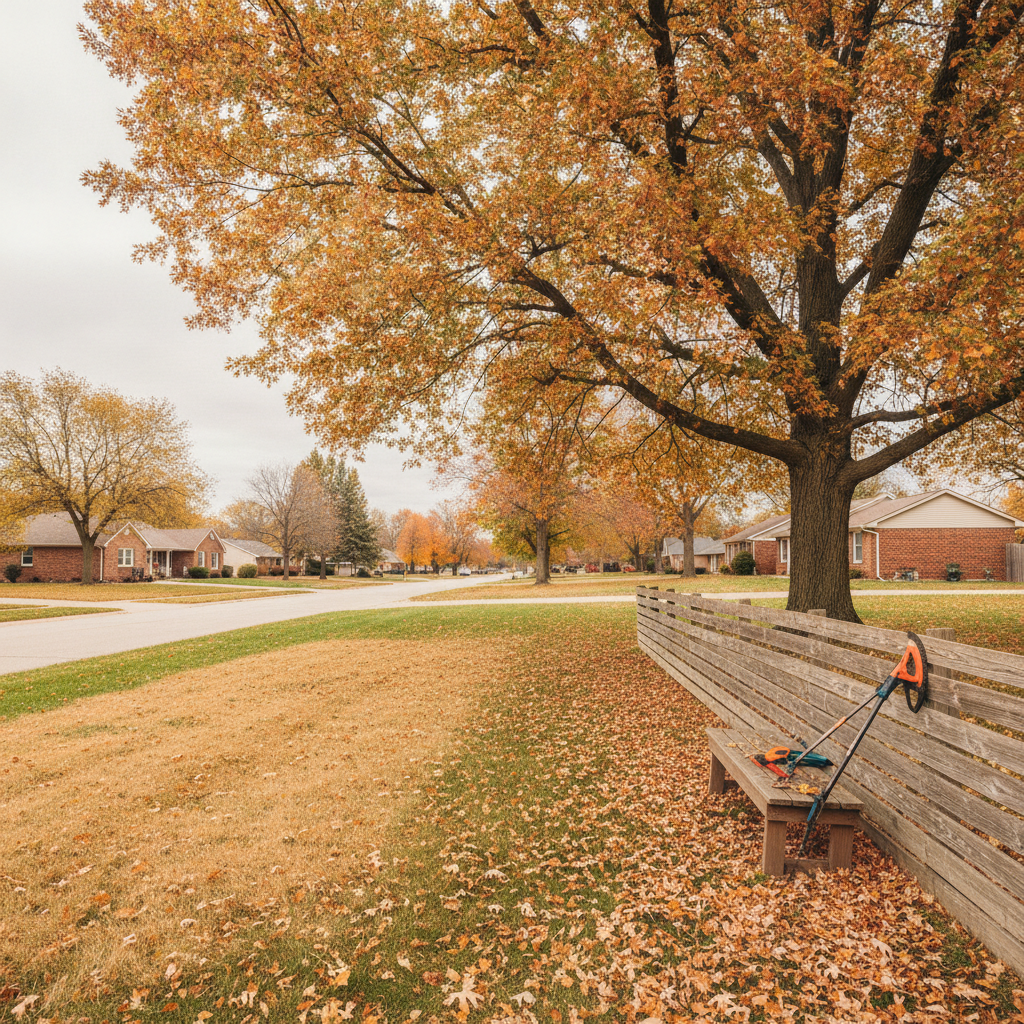
Anyone who has spent a few Chicago-area winters knows how much the weather shapes daily life, and trees feel it even more than we do. When it comes to climate and tree services Blue Island property owners rely on, the conversation always starts with the weather: freezing winters, humid summers, sudden thunderstorms, and the occasional ice storm that snaps limbs like toothpicks. Every season places a different kind of stress on the trees in our yards, along our streets, and next to our businesses.
Understanding how climate affects tree health is not just a topic for arborists. It matters to small business owners who need safe parking lots and storefronts, to developers planning new construction around mature canopies, and to homeowners who simply want to avoid a surprise tree removal bill after a storm. A tree that looks perfectly fine in July can hide weaknesses that a January ice event will expose.
In this guide, we walk through the major climate factors that influence trees in this part of northeastern Illinois, from freeze and thaw cycles to drought, wind, pests, and shifting seasonal patterns. You will learn what to watch for, when to schedule maintenance, how to budget for it, and what separates a proactive plan from a reactive scramble. Whether you manage a commercial property or a family home, the goal is the same: healthier trees, safer grounds, and fewer expensive emergencies down the road.
How Climate Affects Tree Services in Blue Island
Climate is the single biggest driver of what trees need from one season to the next. In this part of Cook County, trees deal with a true four-season cycle, and each phase demands something different. Winter brings frozen ground, heavy snow loads, and de-icing salt. Spring delivers rapid growth, saturated soil, and powerful storm fronts. Summer adds heat and humidity that encourage fungal diseases, while fall brings wind and the last chance to prune before dormancy. For additional service details and local availability, readers can visit our site.
Because of that rhythm, maintenance cannot be a one-time event. A pruning schedule that works in a mild coastal climate would fail here. Professionals plan around dormancy windows, storm seasons, and soil conditions. If you want a closer look at how local conditions shape the work, visit our site to see how seasonal trimming is approached in practice. The key idea is simple: the weather sets the calendar, and smart property owners follow it.
Climate and Tree Services Blue Island, IL: Seasonal Stress Points
Each season creates its own stress points, and knowing them helps you spot trouble early. In winter, the biggest threats are ice accumulation and heavy, wet snow that bends branches past their breaking point. Trees with included bark, narrow branch unions, or previous storm damage are the first to fail. Spring storms follow, bringing straight-line winds that exploit any weak structure. For related information, see Tree services affected by climate in Blue Island, IL.
Summer stress shows up differently. Heat waves and uneven rainfall cause drought stress, leading to early leaf drop, scorched edges, and dieback in the upper canopy. Humidity feeds leaf spot, anthracnose, and powdery mildew. Fall is the quiet season, but it is also when trees prepare for dormancy, making it an ideal time for structural pruning and health assessments. Watching for subtle signals such as thinning crowns, cracks at branch joints, or mushrooms near the base can save you from a costly failure later. A quick walk around your property each season is one of the simplest and cheapest forms of tree insurance.
Climate and Tree Services in Blue Island, Illinois: Freeze and Thaw Cycles
Few climate patterns affect trees as quietly as repeated freezing and thawing. When temperatures swing above and below freezing several times in a week, water inside bark and wood expands and contracts. This creates frost cracks, long vertical splits along the trunk that may look minor but can open the door to decay organisms and insects. For related information, see climate-related tree care services.
Freeze and thaw cycles also heave soil, damaging shallow roots and disturbing newly planted trees. Young trees are especially vulnerable because their root systems have not anchored deeply yet. Mulching a few inches deep (kept away from the trunk) helps moderate soil temperature and protect roots. Thin-barked species such as maples, cherries, and young lindens can also suffer sunscald, where winter sun warms one side of the trunk and a sudden cold snap kills the tissue. Wrapping young trunks in late fall and removing the wrap in spring is a practical defense. Many Tree services affected by climate in Blue Island, IL begin with exactly these kinds of preventive habits, because they cost little and prevent major structural problems later.
Storm Season and Emergency Tree Risks
Severe thunderstorms are a fact of life across the Midwest, and the damage they cause to trees is often dramatic. Gusts can topple entire trees, split trunks, or send heavy limbs onto roofs, vehicles, and power lines. For businesses, a fallen tree in a parking lot can mean closed doors, liability headaches, and lost revenue within hours.
Saturated soil makes the problem worse. After days of rain, roots lose grip, and even healthy trees can tip over in moderate wind. That is why having a plan before the storm arrives matters so much. Know who to call, keep a clear path to your property, and document your trees with photos for insurance purposes. When a tree is down or hanging dangerously, never attempt a DIY fix near utility lines. Professional climate-related tree care services are built for exactly these moments, with equipment and training that keep crews and property safe. After the storm passes, inspect surrounding trees too, since stress cracks and torn roots often appear on neighbors of the fallen tree.
Drought, Heat, and Water Stress
Not every climate threat is dramatic. Prolonged dry spells and summer heat quietly weaken trees, making them vulnerable to pests and disease for years afterward. Urban trees are especially exposed because pavement, buildings, and compacted soil limit how much water roots can absorb.
Signs of water stress include wilting, leaf curling, premature fall color, and branch tips that die back. The fix is usually deep, infrequent watering rather than daily sprinkling. Soaking the soil around the drip line once a week during dry periods encourages roots to grow downward and outward. Mulch helps retain moisture, and avoiding fertilizer during drought prevents forcing growth the tree cannot support. For commercial properties with irrigation systems, check that turf sprinklers are not overwatering the lawn while starving the trees growing within it. Trees and turf have different needs, and one schedule rarely serves both well. A drought-stressed tree that survives may still show decline two or three years later, so early attention matters.
Pests and Diseases Driven by Weather
Climate and pests are closely linked. Mild winters allow more insects to survive, while warm, humid summers speed up their life cycles. The emerald ash borer is the best-known example in the Chicago region, having destroyed countless ash trees across the Midwest. Fungal diseases also thrive when spring is wet and summer is muggy.
Early detection is everything. Look for D-shaped exit holes in bark, thinning canopies, sticky residue on leaves, or unusual leaf spotting. Dutch elm disease, oak wilt, and various cankers also spread more aggressively in stressed trees. Pruning oaks outside the high-risk spring and early summer window reduces the chance of oak wilt transmission. Good airflow through the canopy, proper spacing, and removing diseased material promptly all reduce outbreaks. A certified arborist can identify problems that look identical to the untrained eye, and catching an infestation early is often the difference between treatment and removal. Regular inspections once or twice a year are a small investment compared with replacing a mature tree.
Seasonal Tree Care Calendar at a Glance
Planning work around the calendar keeps trees healthier and budgets steadier. The table below summarizes what typically makes sense in each season for northeastern Illinois conditions.
| Season | Main Climate Risk | Recommended Action |
|---|---|---|
| Winter | Ice, snow load, frost cracks | Structural pruning while dormant, hazard checks |
| Spring | Storm winds, saturated soil | Inspect for damage, plant new trees, mulch |
| Summer | Drought, heat, fungal disease | Deep watering, pest scouting, light cleanup |
| Fall | Wind, early freezes | Health assessments, trunk wrap, root care |
Choosing the Right Trees for Local Conditions
Species selection is one of the most powerful climate decisions you can make. Trees that match local conditions thrive with less intervention, while poorly matched species struggle year after year. Native oaks, hackberries, and certain maples tolerate the region’s swings well, while some ornamental species suffer in cold snaps or compacted urban soil.
Developers and business owners should consider mature size, root behavior, and salt tolerance, especially near roads and parking areas where de-icing salt accumulates. Diversity matters too. Planting a mix of species protects a property from losing its entire canopy to a single pest, as many communities learned when ash trees were lost en masse. Before planting, check overhead utilities, building setbacks, and soil drainage. A tree that is right for the site will need less pruning, less watering, and fewer emergency calls over its lifetime. Thoughtful planting today is far cheaper than removal and replacement in twenty years.
Pruning Timing and Technique
When and how you prune matters as much as whether you prune. Dormant-season pruning, typically late winter, lets crews see branch structure clearly and reduces stress on the tree. It also avoids the peak activity of many insects and fungal pathogens. Summer pruning is better reserved for light corrective work or removing dead wood.
Technique is critical. Proper cuts happen just outside the branch collar, never flush with the trunk and never as a stub. Topping, the practice of cutting main leaders to stubs, creates weak regrowth that is far more likely to fail in wind. The general rule is to remove no more than a quarter of the canopy in one year. Thinning to improve airflow, raising the crown for clearance, and reducing end weight on long limbs all make trees more resilient to storms. Hiring certified professionals protects both the tree and your liability, since poor cuts can shorten a tree’s life by decades.
Budgeting and Risk Management for Property Owners
Climate-driven tree problems are far less expensive when handled proactively. A routine inspection and pruning cycle costs a fraction of an emergency removal, crane work, or repair of a damaged roof or vehicle. For small business owners, the hidden costs of a tree failure also include lost sales, customer safety concerns, and potential liability claims.
Build tree care into your annual maintenance budget the same way you plan for roofing or parking lot upkeep. Keep records of inspections, photos, and invoices, which can support insurance claims and demonstrate due diligence. Prioritize trees near buildings, walkways, power lines, and play areas first, since those carry the highest consequence if something fails. Ask for written assessments that rank risk levels so you can spread work across budget cycles. When you work with a reputable provider such as Prime Tree Care, Inc, you also gain a partner who understands local weather patterns and can anticipate seasonal needs before they become emergencies.
Long-Term Climate Shifts and What They Mean
Beyond seasonal swings, longer-term climate trends are changing what trees face. Warmer average temperatures, more intense rainfall events, and shifting frost dates alter growing seasons and pest ranges. Trees that once sat comfortably within their hardiness zone may now face new stresses, while insects that were once held back by cold winters are expanding northward.
For property owners and developers, this means planning with flexibility. Choose resilient species, protect root zones during construction, and avoid grade changes that suffocate roots. Improve soil with organic matter and mulch to buffer against both flooding and drought. Stay informed about regional pest alerts and quarantine rules, since they can affect pruning timing and wood movement. Adaptive management, meaning inspecting often and adjusting practices as conditions change, is far more effective than following a fixed routine. The trees that will define local streetscapes in thirty years are being planted and cared for right now, and the choices made today will determine how well they weather what comes next.
Your Next Steps
Climate shapes every decision about tree health, from which species to plant to when to prune and how to prepare for storms. Freeze and thaw cycles crack bark, summer heat stresses roots, wet springs invite disease, and severe weather turns weak branches into hazards. The good news is that most of these problems are predictable, and predictable problems can be managed with a smart plan.
Start with a simple routine. Walk your property each season and note anything unusual, such as cracks, dead branches, fungal growth, or leaning trunks. Schedule professional inspections at least once a year, ideally before storm season. Mulch properly, water deeply during dry stretches, and choose species suited to local conditions whenever you plant. Document your trees, keep records, and prioritize the ones closest to buildings, parking areas, and people.
For small business owners, developers, and homeowners alike, the real savings come from acting early. A modest investment in preventive care protects your property value, your customers, and your peace of mind. By understanding climate and tree services Blue Island residents depend on, you can move from reacting to every storm to staying a step ahead of it. Healthy trees add shade, curb appeal, and lasting value, and with the right approach they will keep doing so through every season the weather throws at them. Take one action this week, whether that is an inspection, a mulch refresh, or a call to a qualified arborist, and your trees will thank you for years to come.