
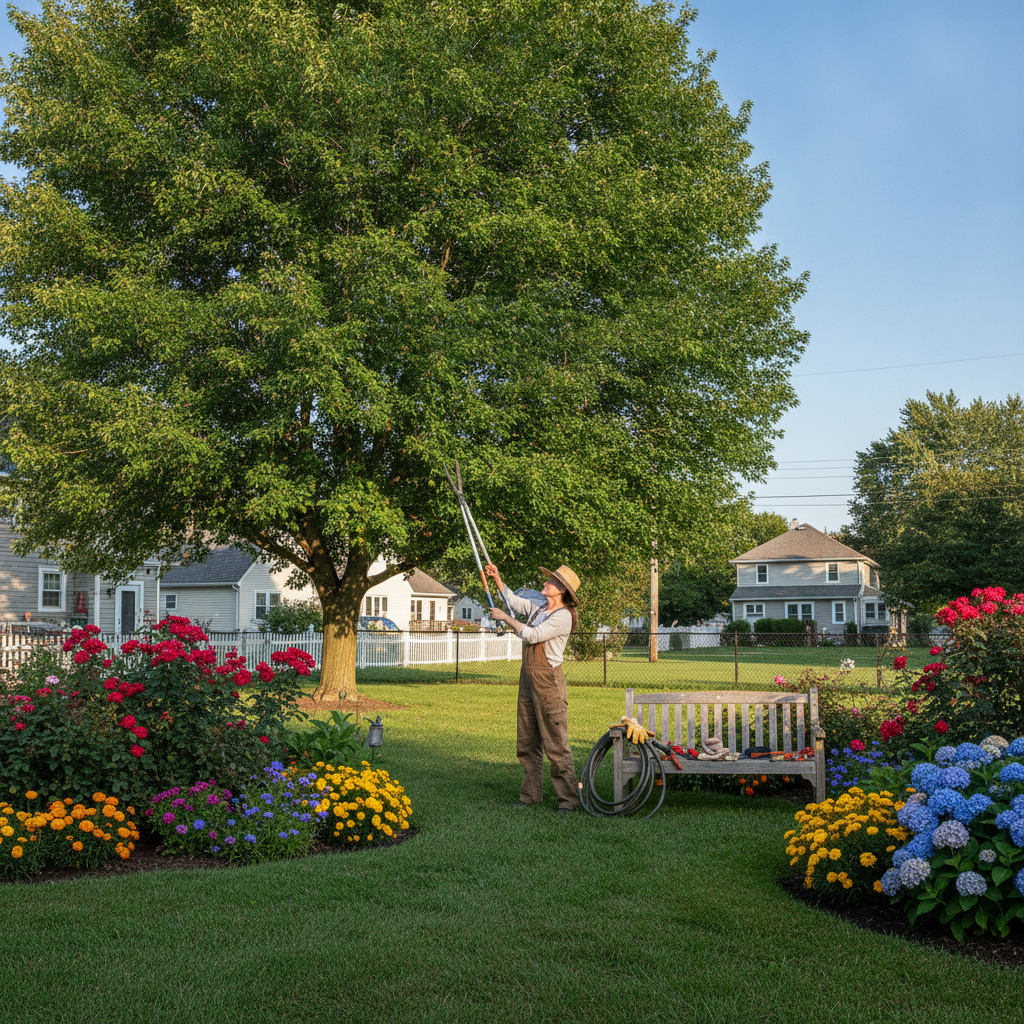
When it comes to maintaining healthy, beautiful trees in your landscape, professional tree pruning Blue Island is one of the most important tasks you can undertake. Whether you own a small business, manage properties, or simply take pride in your home’s curb appeal, understanding the art and science of tree pruning can make all the difference. Proper pruning not only enhances the appearance of your trees but also promotes their long-term health and safety. In this comprehensive guide, we’ll share expert tips and proven techniques to help you achieve the best results, no matter your level of experience. From knowing when and how to prune to recognizing the unique needs of different species, you’ll learn everything you need to keep your trees thriving in this community. Let’s explore the essentials of professional tree pruning and discover how you can transform your landscape with confidence and care.
Professional Tree Pruning Tips for Blue Island
Professional tree pruning Blue Island is more than just cutting branches, it’s a blend of science, timing, and skill. The region’s climate presents unique challenges, from icy winters to humid summers, making it essential to approach pruning with local expertise. The first step is to assess the tree’s overall health and structure. Look for dead, diseased, or crossing branches, as these can hinder growth and pose safety risks. Removing them not only improves the tree’s appearance but also prevents the spread of disease.
Timing is crucial. Late winter or early spring is often the best period for most species, as trees are dormant and wounds heal quickly. However, some flowering varieties may require pruning right after blooming to preserve next year’s buds. Always use sharp, clean tools to make precise cuts, jagged edges can invite pests and pathogens. For larger limbs, employ the three-cut method to avoid bark tearing: make an undercut, a top cut a few inches beyond, and then remove the stub cleanly at the branch collar.
Safety is paramount. Wear gloves, eye protection, and sturdy footwear. If a branch is near power lines or too large to handle safely, it’s wise to call in specialists. For those seeking expert guidance or full-service care, expert tree pruning services Blue Island can provide professional solutions tailored to the area’s needs. By following these foundational tips, you’ll set your trees up for a healthy, vibrant future.
Tree Pruning Best Practices in Blue Island, IL
When considering professional tree pruning Blue Island, it’s important to follow best practices that align with the local environment. Start by identifying the specific needs of each tree species on your property. Oaks, maples, and evergreens all have different growth habits and respond uniquely to pruning. For example, oaks should only be pruned during dormancy to avoid oak wilt, while maples may bleed sap if pruned in early spring but will not suffer long-term harm.
Pruning objectives should be clear: are you aiming to improve safety, aesthetics, or tree health? For safety, remove weak or overhanging limbs that could fall during storms. For aesthetics, shape the canopy to enhance symmetry and allow more light to reach grass or garden beds below. To promote health, thin crowded branches to increase air circulation, which reduces the risk of fungal diseases.
Avoid over-pruning, as removing too much foliage can stress the tree and reduce its ability to photosynthesize. A general rule is to never remove more than 25% of the canopy in a single season. For property owners interested in more extensive tree care or removal, visit our site for additional resources and professional support. By adhering to these best practices, you can maintain healthy, attractive trees that add value to your property and the neighborhood.
Expert Tree Pruning Guidance for Blue Island, Illinois
Expert tree pruning guidance is essential for property managers, business owners, and residents who want to ensure the longevity and beauty of their trees. In Blue Island, Illinois, trees are a vital part of the landscape, providing shade, privacy, and environmental benefits. However, improper pruning can lead to long-term damage or even tree loss. That’s why it’s important to understand the principles of professional tree pruning Blue Island and seek qualified help when needed.
Consulting with certified arborists can help you develop a customized pruning plan for your trees. These professionals assess tree health, identify potential hazards, and recommend the best timing and techniques for each species. They also have specialized equipment to handle large or complex jobs safely. For those seeking reputable local experts, Prime Tree Care, Inc is a trusted provider in the region, known for their expertise and customer service.
Remember, every pruning cut matters. Removing a branch incorrectly can create wounds that invite decay or pests. Always cut just outside the branch collar and avoid leaving stubs. If you’re unsure about a particular tree or situation, don’t hesitate to seek expert advice. With the right guidance, you can keep your landscape healthy and thriving for years to come.
Why Proper Tree Pruning Matters
Proper tree pruning is more than a cosmetic task, it’s a vital practice for ensuring the health, safety, and longevity of your trees. When performed correctly, pruning removes hazardous branches, encourages strong structure, and reduces the risk of disease. Trees that are regularly pruned are less likely to suffer storm damage, as weak or dead limbs are removed before they can cause harm. This proactive approach protects not only your property but also the safety of pedestrians and vehicles nearby.
Additionally, professional tree pruning Blue Island helps trees direct their energy into healthy growth, resulting in a fuller canopy and more vibrant foliage. By thinning crowded branches, sunlight and air can penetrate the interior, reducing the likelihood of fungal infections and pest infestations. For fruit trees, pruning can increase yield and improve fruit quality by allowing better light distribution and air flow.
Neglecting proper pruning can lead to a host of problems, including weak branch attachments, overgrowth, and increased susceptibility to disease. Over time, these issues can compromise the structural integrity of the tree and even necessitate costly removal. By investing in regular, professional pruning, you’re making a commitment to the long-term health and beauty of your landscape.
When Is the Best Time to Prune Trees?
Timing is everything when it comes to professional tree pruning Blue Island. The ideal time to prune most trees is during their dormant season, typically late winter to early spring before new growth begins. Pruning during dormancy minimizes stress on the tree and allows wounds to heal quickly as growth resumes in spring. This timing also makes it easier to see the tree’s structure without leaves obscuring your view.
However, there are exceptions. Flowering trees that bloom in early spring, such as magnolias and dogwoods, should be pruned immediately after flowering to avoid removing next year’s buds. Summer pruning can be beneficial for slowing growth or correcting minor issues, but avoid heavy pruning in late summer or fall, as this can stimulate new growth that may not harden off before winter.
Always avoid pruning during periods of extreme heat or drought, as trees are already under stress and may not recover well. If you notice dead, diseased, or damaged branches, these can be removed at any time of year to prevent further harm. Consulting with a professional can help you determine the best schedule for your specific trees and ensure optimal results.
Essential Tools for Professional Tree Pruning
Having the right tools is crucial for effective and safe tree pruning. Professional tree pruning Blue Island requires equipment that is both sharp and well-maintained to ensure clean cuts and minimize damage to the tree. Here are some essential tools every property owner or landscaper should have:
- Hand pruners: Ideal for small branches and precision work.
- Loppers: Provide extra leverage for cutting thicker branches up to 2 inches in diameter.
- Pruning saws: Used for larger limbs that hand tools can’t handle.
- Pole pruners: Allow you to reach high branches safely from the ground.
- Protective gear: Gloves, safety glasses, and sturdy footwear are essential for personal safety.
Keep all cutting tools sharp and clean to prevent the spread of disease. Disinfect blades between trees, especially if you suspect any infection. For large-scale or high-risk jobs, specialized equipment such as chainsaws or aerial lifts may be necessary. In such cases, it’s best to hire professionals who are trained and insured to handle complex pruning tasks safely.
Common Tree Pruning Mistakes to Avoid
Even with the best intentions, it’s easy to make mistakes when pruning trees. One of the most common errors is topping, or cutting back large branches to stubs. This practice can severely weaken the tree, encourage the growth of weak shoots, and leave the tree vulnerable to disease. Instead, always prune back to a lateral branch or the main trunk, maintaining the tree’s natural shape.
Another frequent mistake is over-pruning. Removing too much foliage at once can stress the tree and reduce its ability to produce energy through photosynthesis. Stick to the guideline of removing no more than 25% of the canopy in a single season. Cutting too close to the trunk or leaving long stubs can also cause problems. Always make cuts just outside the branch collar to promote proper healing.
Using dull or dirty tools increases the risk of tearing bark and spreading disease. Take time to sharpen and disinfect your equipment regularly. Finally, avoid pruning during the wrong season, as this can disrupt the tree’s growth cycle and expose it to unnecessary stress. If you’re unsure about a particular cut or technique, consult with a professional who specializes in professional tree pruning Blue Island for peace of mind and optimal results.
Tree Pruning Techniques for Different Species
Different tree species require tailored pruning techniques to thrive. For example, shade trees like maples and elms benefit from thinning cuts that open up the canopy and reduce wind resistance. Flowering trees, such as crabapples and cherries, should be pruned to enhance their natural form and encourage abundant blooms. Fruit trees often require more aggressive pruning to stimulate new growth and maximize fruit production.
Evergreens, including pines and spruces, need minimal pruning, usually just the removal of dead or damaged branches. Avoid cutting into old wood, as many evergreens do not regenerate from bare branches. For young trees, formative pruning is essential to establish a strong structure and prevent future problems. Remove competing leaders and poorly attached limbs while the tree is still small.
Professional tree pruning Blue Island takes into account the unique growth patterns and vulnerabilities of each species. By understanding these differences, you can apply the right techniques and ensure your trees remain healthy, attractive, and resilient for years to come.
Table: Tree Pruning Schedule by Species
| Tree Species | Best Pruning Time | Special Notes |
|---|---|---|
| Oak | Late winter | Avoid pruning in spring/summer to prevent oak wilt |
| Maple | Late winter/early spring | May bleed sap if pruned early, but not harmful |
| Fruit Trees | Late winter | Encourages new growth and fruit production |
| Flowering Trees | After flowering | Prevents removal of next year’s buds |
| Evergreens | Late winter/early spring | Minimal pruning needed; avoid cutting old wood |
Refer to this schedule when planning your professional tree pruning Blue Island. Adhering to the right timing for each species helps ensure healthy growth and reduces the risk of disease or stress.
Safety Tips for Effective Tree Pruning
Safety should always be a top priority when performing professional tree pruning Blue Island. Before starting any pruning task, inspect the area for hazards such as power lines, unstable branches, or uneven ground. Never attempt to prune branches near electrical wires, always contact your local utility company or a certified arborist for assistance.
Wear appropriate personal protective equipment, including gloves, safety glasses, and sturdy boots. Use ladders with care, ensuring they are stable and positioned on level ground. For high or hard-to-reach branches, consider using a pole pruner or hiring a professional with the proper equipment.
Keep bystanders, pets, and vehicles clear of the work area to prevent accidents. Be mindful of falling branches and always plan your cuts so that limbs fall away from people and property. If you’re unsure about the safety of a particular job, it’s better to call in experienced professionals who specialize in professional tree pruning Blue Island. Your safety and the health of your trees are worth the investment.
Benefits of Hiring Professional Tree Pruning Services
While many property owners enjoy tackling yard work themselves, there are significant advantages to hiring professional tree pruning Blue Island services. Certified arborists bring a wealth of knowledge and experience, ensuring that each cut is made with the tree’s health and safety in mind. They can identify potential problems early, such as pest infestations or structural weaknesses, and address them before they become costly issues.
Professionals also have access to specialized equipment that allows them to handle large or hazardous trees safely. This is especially important for trees near buildings, power lines, or busy streets. By entrusting your trees to experts, you reduce the risk of injury and property damage.
Additionally, professional tree pruning Blue Island services are often insured, providing peace of mind in the event of an accident. They can also offer ongoing maintenance plans to keep your trees healthy year-round. Investing in professional care not only protects your landscape but also enhances the value and beauty of your property for years to come.
Key Takeaways
Caring for your trees with professional tree pruning Blue Island ensures they remain healthy, safe, and beautiful for years to come. By following expert tips, using the right tools, and understanding the unique needs of each species, you can avoid common mistakes and promote vigorous growth. Remember to prune at the right time, prioritize safety, and seek help from certified professionals for complex or high-risk jobs. Whether you manage a business, develop properties, or simply want the best for your landscape, investing in proper tree care is a decision that pays off in beauty, value, and peace of mind. Let your trees thrive and become a lasting asset to your property and the wider community.