
Tree pruning is more than just trimming branches, it’s an essential practice for maintaining the health, safety, and appearance of both residential and commercial landscapes. For small business owners, developers, and general readers interested in professional tree pruning Blue Island, understanding the right tools and techniques is vital. The right equipment not only ensures a clean, precise cut but also protects the tree from unnecessary damage, reduces the risk of accidents, and saves time and effort. In this guide, we’ll take a deep dive into the essential tools used by professionals, explore best practices, and offer insights tailored to the needs of this community. Whether you’re a property manager, a local business owner, or simply someone who values the beauty and safety of your outdoor space, mastering the basics of professional tree pruning Blue Island can make all the difference. Let’s explore what sets expert tree care apart and how you can achieve the best results for your property.
Professional Tree Pruning in Blue Island: The Essential Toolkit
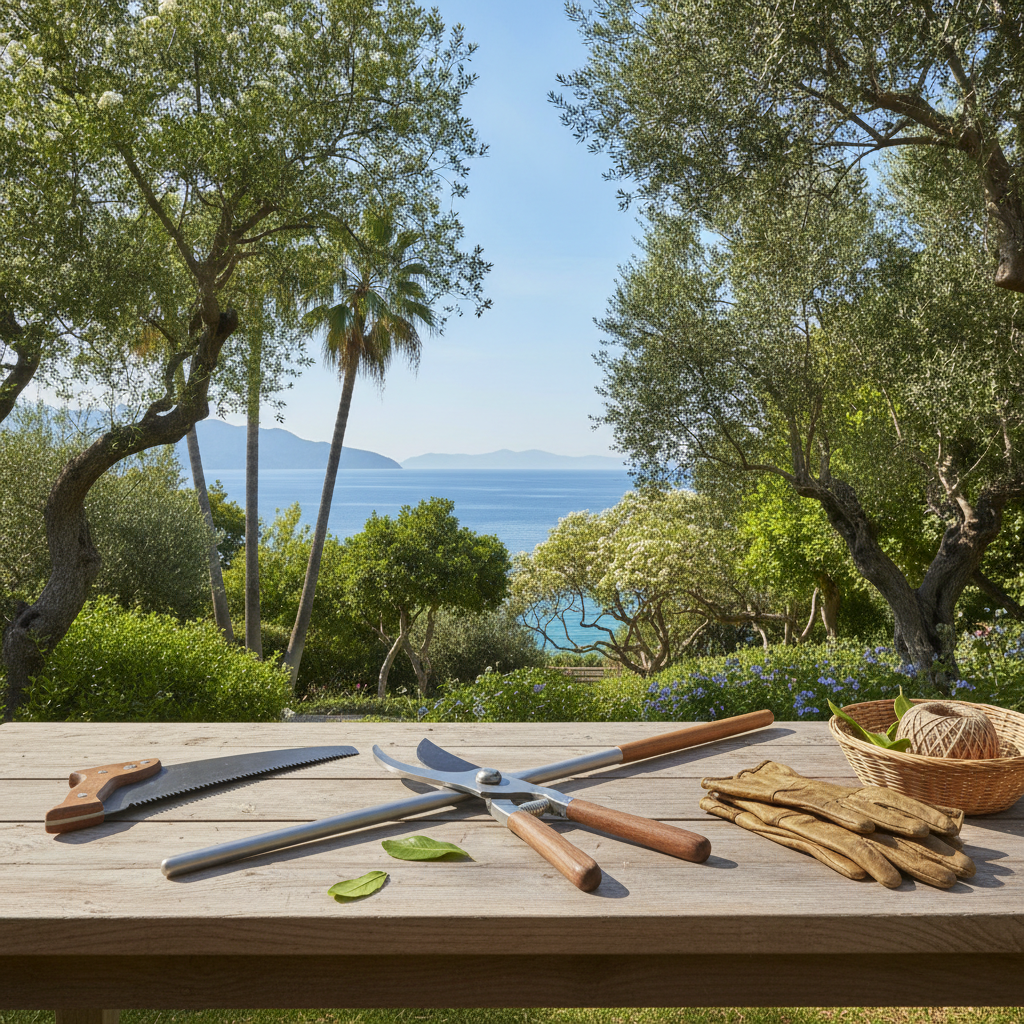
When it comes to professional tree pruning Blue Island, having the right toolkit is the difference between a job well done and a potential hazard. The region’s diverse tree species, from mature oaks to ornamental maples, require a thoughtful approach to pruning. Professional arborists and experienced landscapers rely on a set of specialized tools designed for precision, safety, and efficiency. Let’s break down the essentials:
- Bypass Pruners: Ideal for clean cuts on young branches and stems up to ¾ inch thick. Their scissor-like action ensures minimal damage to living tissue.
- Loppers: With longer handles and greater leverage, loppers tackle thicker branches (up to 2 inches) and help reach higher sections without a ladder.
- Pruning Saws: For branches larger than 2 inches, a sharp pruning saw is a must. Curved blades are perfect for tight spaces, while straight blades offer control for larger limbs.
- Pole Pruners: Essential for reaching high branches safely from the ground, reducing the need for risky climbs.
- Chainsaws: Reserved for heavy-duty work, chainsaws make quick work of large limbs but require training and proper safety gear.
- Personal Protective Equipment (PPE): Helmets, gloves, safety glasses, and sturdy boots are non-negotiable for safe operations.
Each of these tools serves a unique purpose, allowing professionals to tailor their approach to the specific needs of each tree and site. For urgent situations, such as storm damage or hazardous limbs, it’s crucial to act quickly and with the right equipment. If you ever find yourself facing an emergency, consider contacting a trusted service for tree pruning to ensure the safety of your property and those around you.
Professional Tree Pruning in Blue Island, IL: Safety and Technique
Safety is paramount when performing professional tree pruning Blue Island. The combination of sharp tools, heavy branches, and elevated work areas creates potential hazards that must be addressed with proper technique and planning. Here’s how professionals in this city approach safety and technique:
- Site Assessment: Before making a single cut, experts assess the tree’s health, structure, and surrounding environment. This includes checking for power lines, property boundaries, and signs of disease or decay.
- Tool Inspection: Ensuring all equipment is sharp, clean, and in good working order reduces the risk of accidents and promotes cleaner cuts.
- Proper Cutting Techniques: Professionals use the three-cut method for large limbs to prevent bark tearing and ensure a smooth wound that heals quickly. Angled cuts help water run off, minimizing rot.
- Safe Work Practices: Using ladders with stabilizers, harnesses, and spotters when necessary keeps everyone safe. Never prune alone or during adverse weather conditions.
- Debris Management: Clearing away cut branches and sawdust promptly prevents tripping hazards and keeps the worksite organized.
For larger projects, such as lot clearing or preparing a site for development, it’s wise to partner with a reputable company like Prime Tree Care, Inc who brings specialized equipment and expertise to the table. Their knowledge ensures that every step, from initial assessment to final cleanup, is handled with professionalism and care.
Professional Tree Pruning in Blue Island, Illinois: Choosing the Right Service
Selecting the right provider for professional tree pruning Blue Island, Illinois, is a crucial decision for property owners and managers. The area is home to many tree care companies, but not all offer the same level of expertise or commitment to safety and sustainability. Here’s what to look for when choosing a service:
- Certification and Insurance: Ensure the company employs certified arborists and carries adequate insurance to protect against accidents and property damage.
- Local Experience: Providers familiar with the region’s tree species, climate, and regulations are better equipped to deliver effective and compliant services.
- Transparent Pricing: A reputable company will offer clear, upfront estimates and explain any additional charges before work begins.
- References and Reviews: Check online reviews and ask for references from past clients to gauge reliability and customer satisfaction.
- Sustainable Practices: Look for companies that prioritize tree health, use eco-friendly disposal methods, and avoid unnecessary removals.
A trusted local provider such as Prime Tree Care, Inc can help you navigate the unique challenges of tree care in this city, ensuring your landscape remains healthy and beautiful year-round.
Understanding the Science Behind Pruning
Professional tree pruning Blue Island is not just about aesthetics, it’s deeply rooted in the science of arboriculture. Trees respond to pruning in specific ways, and understanding these biological processes is key to promoting long-term health and growth. When branches are removed strategically, it stimulates new growth, improves air circulation, and reduces the risk of disease. Conversely, improper cuts or excessive pruning can stress the tree, making it susceptible to pests and environmental stressors.
Timing is also critical. Most deciduous trees benefit from pruning during the dormant season (late winter to early spring), which minimizes sap loss and the risk of disease transmission. Flowering trees, on the other hand, should be pruned after blooming to preserve next year’s buds. Understanding the growth habits and natural shape of each species ensures that pruning enhances, rather than detracts from, the tree’s vitality. By applying this scientific knowledge, professionals help trees thrive for generations to come.
Table: Essential Tree Pruning Tools and Their Uses
| Tool | Best For | Key Features |
|---|---|---|
| Bypass Pruners | Small branches, precision cuts | Scissor action, clean cuts |
| Loppers | Medium branches, extra reach | Long handles, increased leverage |
| Pruning Saw | Thick branches, tight spaces | Curved/straight blades, sharp teeth |
| Pole Pruner | High branches, safety from ground | Extendable, saw/pruner combo |
| Chainsaw | Large limbs, heavy-duty work | Motorized, requires training |
| PPE | All pruning tasks | Helmets, gloves, safety glasses |
This table provides a quick reference for anyone looking to assemble a professional-grade toolkit for tree care. Each tool is designed for specific tasks, and using the right one ensures both safety and optimal results.
Seasonal Considerations for Tree Pruning
The timing of professional tree pruning Blue Island is just as important as the tools and techniques used. Seasonal considerations play a significant role in determining when and how to prune for the best results. During late winter or early spring, most trees are dormant, which means less stress and a lower risk of disease transmission. This is typically the best time for structural pruning and removing dead or damaged wood.
However, certain species, such as flowering trees, may require pruning immediately after they bloom to avoid cutting off next year’s buds. Summer pruning can help control growth or remove hazardous limbs, but should be done sparingly to avoid heat stress. Fall is generally not recommended, as pruning wounds heal more slowly and can invite disease. By aligning pruning schedules with the tree’s natural growth cycles, professionals ensure healthier, longer-lived trees in the region.
The Role of Technology in Modern Tree Pruning
Advancements in technology have transformed the way professional tree pruning Blue Island is performed. From high-performance battery-powered tools to aerial lift equipment, today’s arborists have access to resources that improve safety, efficiency, and precision. Drones are increasingly used for site assessments, providing a bird’s-eye view of tree canopies and identifying problem areas without the need for risky climbs.
Laser rangefinders and digital mapping tools help professionals plan cuts with greater accuracy, ensuring that each branch is removed with minimal impact on the tree’s structure. Even simple innovations, like ergonomic tool handles and anti-vibration technology, reduce fatigue and the risk of injury. Embracing these modern solutions allows tree care experts to deliver superior results while maintaining the highest safety standards.
Common Mistakes to Avoid in Tree Pruning
Even with the best intentions, improper pruning can harm trees and create long-term problems for property owners in the area. Common mistakes include topping (removing the upper portion of the tree), making flush cuts that damage the trunk, and removing too much foliage at once. These errors can lead to weak regrowth, increased vulnerability to pests and disease, and even tree death.
Another frequent issue is using dull or inappropriate tools, which result in jagged cuts and slow healing. Over-pruning during the wrong season can also stress the tree and disrupt its natural growth patterns. To avoid these pitfalls, it’s essential to follow established best practices and consult with professionals who understand the nuances of tree care in this community.
DIY vs. Professional Tree Pruning: Making the Right Choice
While some property owners may be tempted to tackle tree pruning themselves, it’s important to weigh the risks and benefits. DIY pruning can be suitable for small, low branches on young trees, provided the right tools and techniques are used. However, larger jobs, especially those involving mature trees, high branches, or potential hazards, are best left to professionals.
Professionals bring not only specialized equipment but also the knowledge to make decisions that promote tree health and safety. They are trained to spot signs of disease, structural weakness, and pest infestations that might go unnoticed by the untrained eye. For business owners and developers, hiring a professional ensures compliance with local regulations and reduces liability. Ultimately, investing in professional tree pruning Blue Island is a smart choice for protecting both your landscape and your peace of mind.
Maintaining Your Tools for Longevity and Safety
Proper maintenance of pruning tools is often overlooked but is essential for effective and safe tree care. Clean, sharp tools make cleaner cuts, reduce the risk of disease transmission, and require less physical effort. After each use, tools should be wiped clean of sap and debris, sharpened as needed, and stored in a dry place to prevent rust.
Regular inspection for damage, such as cracked handles or loose bolts, ensures that tools remain reliable and safe. Disinfecting blades between trees can prevent the spread of pathogens, a critical step when working with diseased or stressed trees. By investing a little time in tool care, both DIYers and professionals can extend the life of their equipment and achieve better results with every pruning job.
Final Thoughts
Professional tree pruning Blue Island is a blend of science, skill, and the right equipment. Whether you’re a business owner, developer, or homeowner, understanding the essential tools and techniques is key to maintaining healthy, beautiful trees that enhance your property’s value and safety. By following best practices, choosing reputable local services, and investing in quality equipment, you can ensure that your landscape thrives for years to come. Remember, proper tree care is an investment in the future of your property and the well-being of your community. Stay informed, stay safe, and enjoy the many benefits that expert tree pruning brings to the region.