
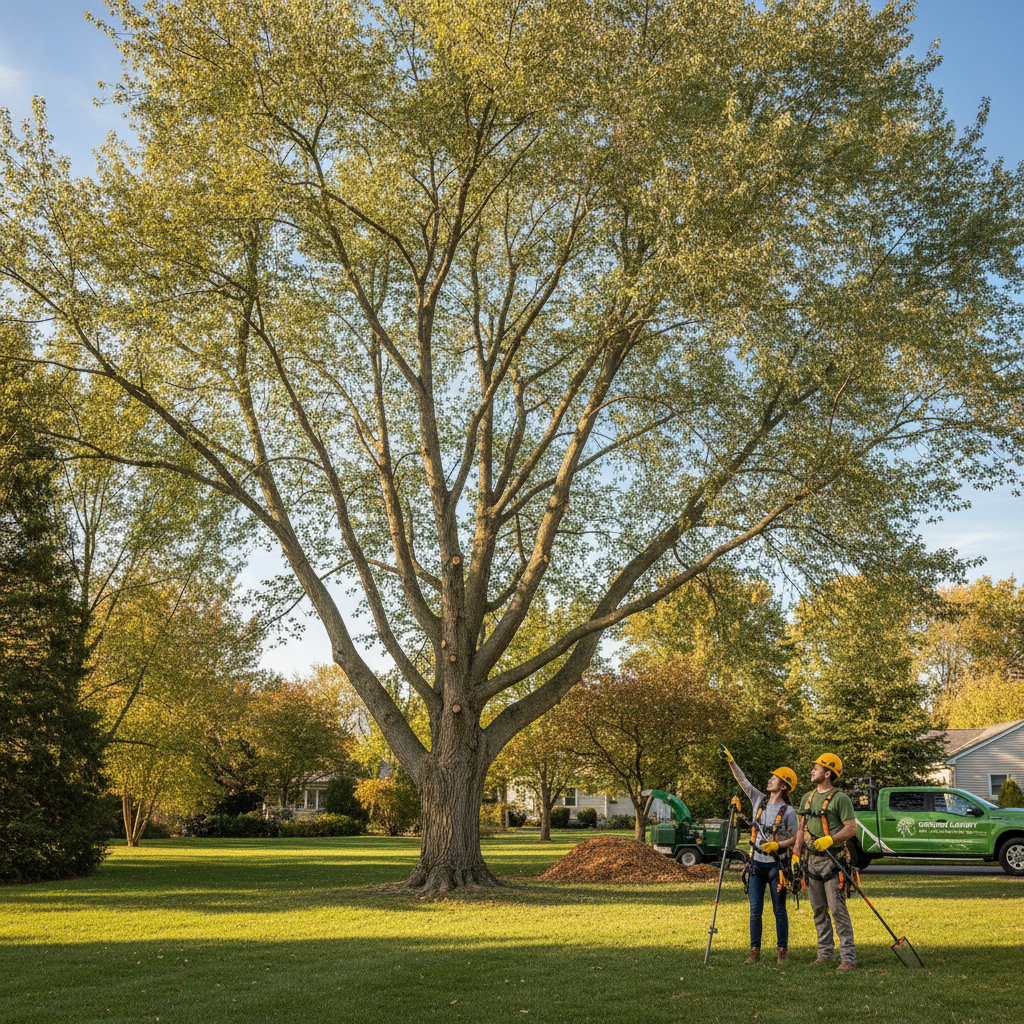
Effective communication with your tree pruning expert is the key to achieving beautiful, healthy trees and a safe environment for your property. Whether you are a small business owner, a developer, or a homeowner in need of professional tree pruning Blue Island services, knowing how to convey your expectations and understand your arborist’s recommendations can make all the difference. This article will walk you through the essential steps, best practices, and expert tips for collaborating with your tree care provider. We’ll explore how to prepare for consultations, ask the right questions, interpret technical advice, and ensure your goals are clearly understood. By the end, you’ll feel confident managing your next tree pruning project, fostering trust, and getting the most value from your investment in professional tree pruning Blue Island. Let’s dig into the details of building a strong partnership with your tree care specialist so your landscape thrives for years to come.
Professional Tree Pruning Blue Island
When searching for professional tree pruning Blue Island, it’s important to recognize what sets true experts apart from the rest. Local businesses, developers, and residents want the best for their landscapes, and that means hiring certified arborists with a proven track record. The right professional will not only enhance the beauty of your property but also ensure the health and safety of your trees. Communication is essential from the very first contact. Be prepared to share your goals, such as improving curb appeal, clearing branches from power lines, or addressing storm damage. The more details you provide, the better your tree care provider can tailor their approach.
Before making a decision, do your research. Look for companies with strong local reputations, proper insurance, and certifications. Ask for references and review their portfolio of completed work. This ensures you are entrusting your trees to professionals who understand the unique challenges of this community. Remember, effective communication is a two-way street. Ask your arborist about their process, expected timelines, and any potential risks or disruptions. This will help you set realistic expectations and avoid surprises.
If you want to learn more about the tree removal process or see examples of successful projects, visit our site for detailed information and resources.
Professional Tree Pruning Blue Island, IL
Choosing a professional tree pruning Blue Island provider in IL means working with experts who understand the local climate, tree species, and regional regulations. Communication starts with a clear consultation. During your initial meeting, describe your property’s unique needs. Are you managing a commercial space with high foot traffic or a residential yard with mature oaks? Each scenario requires a tailored approach. Share any concerns about tree health, pest issues, or previous storm damage. The more context you provide, the more accurate and helpful your arborist’s recommendations will be.
Don’t hesitate to ask questions about pruning techniques, equipment used, and safety protocols. A true professional will welcome your curiosity and explain their methods in plain language. This transparency builds trust and ensures you are comfortable with the proposed work. It’s also wise to discuss scheduling and access. Make sure your provider knows about any site restrictions, parking limitations, or hours of operation that could impact the job.
For personalized advice or to connect with tree care experts who can answer your specific questions, reach out for a consultation and see how clear communication can transform your tree care experience.
Professional Tree Pruning Blue Island Illinois
Professional tree pruning Blue Island is an investment in both aesthetics and safety. In Illinois, weather patterns and seasonal changes can impact tree health, making regular maintenance essential. When working with a local expert, it’s crucial to communicate your priorities. Are you focused on preventing property damage, enhancing shade, or improving the overall look of your landscape? Clarifying your objectives helps your arborist recommend the right pruning schedule and techniques.
During your discussions, ask about the timing of pruning. Certain species benefit from pruning at specific times of year to minimize stress and promote healthy growth. Your provider should explain why they recommend a particular schedule and how it aligns with your goals. Discuss any concerns about debris removal, noise, or disruptions to your daily routine. Addressing these topics up front ensures a smooth project and a positive experience for everyone involved.
If you’d like to understand more about specialized tree pruning services, including stump removal and aftercare, explore available options to keep your property looking its best.
Building Trust with Your Arborist
Trust is the foundation of any successful relationship with a tree pruning expert. When you hire a professional, you’re relying on their knowledge and experience to protect your investment. Open communication fosters trust and ensures you’re both on the same page. Start by verifying credentials and certifications. Ask about their experience with similar projects and their understanding of local tree species. A reputable company will be happy to provide proof of insurance and share references from satisfied customers.
Discuss your expectations for the project, including timelines, cleanup procedures, and follow-up care. Clear agreements prevent misunderstandings and help both parties feel confident moving forward. If you’re unsure about any aspect of the job, ask for clarification. A good arborist will explain their recommendations and address your concerns without hesitation.
To see where trusted providers are located and read reviews, check out Prime Tree Care, Inc and discover why so many residents rely on their expertise for professional tree pruning Blue Island and beyond.
Preparing for Your Consultation
A successful tree pruning project starts with a well-prepared consultation. Before your arborist arrives, take time to assess your property. Make a list of trees that need attention and note any specific issues, such as dead branches, leaning trunks, or signs of disease. Gather relevant documents, like previous maintenance records or landscaping plans, to provide context. Consider taking photos to highlight areas of concern.
During the consultation, walk the site with your expert and point out your priorities. Be honest about your budget and any time constraints. This transparency helps your provider develop a plan that meets your needs without unnecessary upsells. Ask about the scope of work, including which trees will be pruned, the extent of trimming, and how debris will be handled. Clarify whether permits are required and who is responsible for obtaining them.
Take notes during the discussion and request a written estimate that outlines all agreed-upon services. This documentation will serve as a reference and help prevent misunderstandings later on. Remember, the more information you share, the better equipped your arborist will be to deliver results that exceed your expectations.
Essential Questions to Ask Your Tree Pruning Expert
Asking the right questions during your consultation is crucial for ensuring a successful outcome. Here are some key topics to cover:
- What certifications and insurance do you carry?
- Can you provide references from similar projects?
- What pruning techniques will you use and why?
- How will you protect nearby structures, landscaping, and utilities?
- What is the expected timeline for completion?
- How will debris and waste be managed?
- Are there any potential risks or hazards I should be aware of?
- What follow-up care do you recommend after pruning?
By covering these questions, you demonstrate your commitment to safety and quality. It also helps you compare providers and select the best fit for your needs. Keep a written record of responses for reference as the project progresses.
Understanding Pruning Recommendations
Your arborist may use technical terms when discussing pruning techniques. It’s important to understand what these mean so you can make informed decisions. Common methods include crown thinning, crown raising, and crown reduction. Each technique serves a specific purpose, such as improving light penetration, clearing space for vehicles, or reducing the risk of storm damage.
Ask your expert to explain their recommendations in simple terms. For example, crown thinning involves selectively removing branches to reduce density, while crown raising removes lower limbs to increase clearance. Crown reduction shortens the overall height or spread of a tree to minimize risk. Understanding these options helps you align the work with your goals and ensures you’re comfortable with the proposed plan.
If you have concerns about the impact on tree health or appearance, discuss alternatives and ask for visual examples. A reputable provider will be happy to walk you through the pros and cons of each approach, ensuring you feel confident in your decision.
The Importance of Timely Communication
Timely and proactive communication is essential for a smooth tree pruning project. Delays or misunderstandings can lead to frustration, unexpected costs, and even safety risks. Set clear expectations for how and when updates will be provided. Will you receive phone calls, emails, or text messages? Who is your primary point of contact?
If changes arise during the project, such as weather delays or unforeseen issues, expect your provider to notify you promptly. Likewise, keep your arborist informed of any changes on your end, such as access restrictions or schedule adjustments. This two-way communication ensures everyone stays on track and that your needs are always prioritized.
After the work is completed, follow up with your provider to review the results and address any concerns. This final check-in is an opportunity to reinforce your satisfaction and discuss future maintenance needs.
Table: Key Elements of Effective Communication with Your Tree Pruning Expert
| Communication Element | Why It Matters | Best Practice |
|---|---|---|
| Clear Goals | Ensures your needs are understood | Share priorities and expectations |
| Active Listening | Builds trust and rapport | Ask questions and confirm understanding |
| Documentation | Reduces risk of misunderstandings | Request written estimates and agreements |
| Timely Updates | Keeps project on track | Agree on communication methods and frequency |
| Feedback | Improves future outcomes | Provide honest input after project completion |
Refer to this table as a quick guide to maintaining effective communication throughout your tree pruning project. Keeping these elements in mind will help you achieve the best possible results.
Common Communication Pitfalls and How to Avoid Them
Even with the best intentions, communication breakdowns can occur. Common pitfalls include vague instructions, assumptions about responsibilities, and lack of follow-up. To avoid these issues, always document agreements in writing and review them with your provider before work begins. If you’re uncertain about any aspect of the project, speak up early rather than waiting until problems arise.
Another frequent issue is failing to clarify who is responsible for permits, debris removal, or post-project cleanup. Address these topics during your initial discussions to prevent misunderstandings. If you notice a change in the scope of work or unexpected challenges, communicate promptly and adjust your plan as needed. Regular check-ins throughout the project help ensure everyone stays aligned and that your goals are met.
Remember, your arborist is a partner in maintaining the health and beauty of your landscape. Open, honest communication is the best way to build a lasting relationship and achieve outstanding results.
Aftercare and Ongoing Communication
Once your tree pruning project is complete, ongoing communication remains important. Ask your expert for aftercare instructions, such as watering schedules, fertilization, and monitoring for signs of stress or disease. Schedule follow-up visits as needed to assess tree health and address any emerging issues. Keep a record of maintenance activities and share updates with your provider during future consultations.
If you notice changes in your trees, such as wilting leaves, unusual growth, or pest infestations, reach out promptly. Early intervention can prevent minor problems from becoming major concerns. Maintaining a strong relationship with your tree care provider ensures you always have access to expert advice and support, helping your landscape thrive year after year.
By prioritizing communication before, during, and after your project, you set the stage for long-term success and a beautiful, healthy property.
Final Thoughts
Effective communication with your tree pruning expert is the cornerstone of a successful project. By clearly expressing your goals, asking the right questions, and maintaining open dialogue, you ensure your trees receive the best possible care. Professional tree pruning Blue Island is more than just a service, it’s a partnership built on trust, transparency, and shared commitment to your landscape’s health and beauty. Whether you’re a business owner, developer, or homeowner, following these best practices will help you achieve outstanding results and lasting value from your investment. Remember, the key to thriving trees and a stunning property is a strong relationship with your tree care provider, grounded in clear, consistent communication every step of the way.