
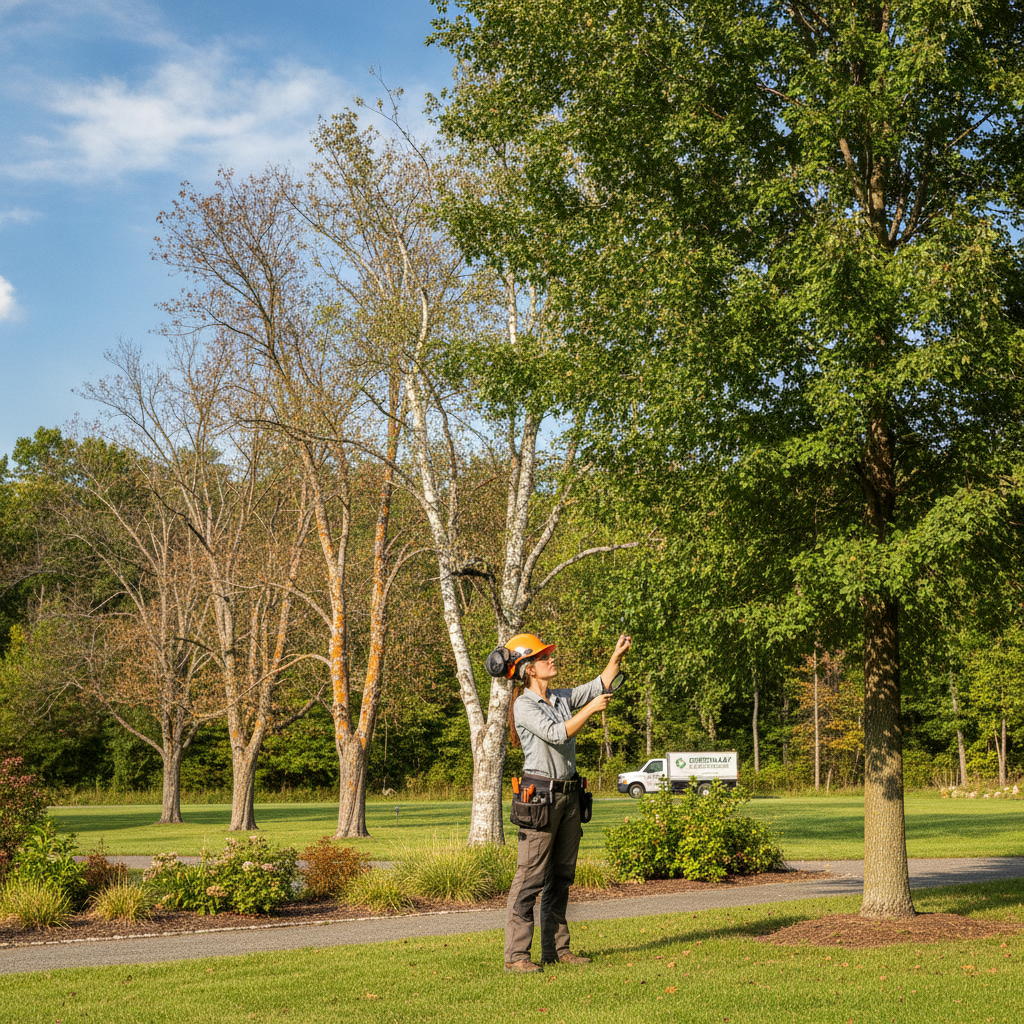
Trees are a vital part of our urban and suburban landscapes, providing shade, improving air quality, and enhancing property values. However, when trees become diseased, they can quickly turn from assets into liabilities, threatening not only their own health but also the safety and beauty of the surrounding environment. For small business owners, developers, and residents, understanding common tree diseases and knowing when to contact a professional tree removal company Blue Island is essential for maintaining a healthy landscape and protecting your investment. In this article, we’ll explore the most prevalent tree diseases in the region, how to spot early warning signs, and when it’s time to call in the experts for removal or treatment. By staying informed and proactive, you can ensure that your property remains safe, attractive, and valuable for years to come.
Common Tree Diseases in the Area
The local climate and environment create the perfect conditions for a range of tree diseases. Some of the most common culprits include Dutch elm disease, oak wilt, anthracnose, and apple scab. Each of these diseases affects different tree species and can spread rapidly if not addressed promptly. For example, Dutch elm disease is a fungal infection that attacks elm trees, causing yellowing leaves, wilting, and ultimately death. Oak wilt, another devastating disease, blocks water flow within oak trees, leading to leaf discoloration and tree decline.
Anthracnose is a group of fungal diseases that cause dark, sunken lesions on leaves, stems, flowers, and fruits. It is particularly problematic for sycamores, maples, and dogwoods. Apple scab, meanwhile, primarily affects apple and crabapple trees, resulting in olive-green to black spots on leaves and fruit. These diseases not only weaken trees but also make them more susceptible to secondary pests and environmental stressors.
Early detection and intervention are crucial. If you notice unusual leaf spots, premature leaf drop, or dieback in your trees, it may be time to consult a tree care and maintenance professional. Prompt action can sometimes save a tree, but in severe cases, removal by a professional tree removal company Blue Island may be necessary to prevent the spread of disease to other trees in the area.
Professional Tree Removal Company Blue Island, IL: When to Call
Knowing when to call a professional tree removal company Blue Island is critical for both safety and landscape health. Diseased trees can become structurally unsound, posing risks to buildings, vehicles, and people. If a tree exhibits significant dieback, large areas of missing bark, or visible fungal growth at the base, it may be beyond saving. In these cases, removal is the safest and most responsible course of action.
Other warning signs include large dead branches, sudden leaning, or root damage. Trees with these symptoms are more likely to fall during storms or high winds, which can cause extensive property damage or personal injury. Business owners and developers should be especially vigilant, as liability for fallen trees can be significant. Engaging a professional tree removal company Blue Island ensures the job is done safely, efficiently, and in compliance with local regulations.
It’s also important to consider the health of the surrounding landscape. Diseased trees can serve as reservoirs for pests and pathogens, threatening the vitality of nearby plants. Removing a compromised tree can protect the broader ecosystem and prevent costly future problems. For expert advice on tree diseases and management, don’t hesitate to reach out to local specialists who understand the unique challenges of this community.
Tree Removal Services in Blue Island, Illinois: What to Expect
Hiring a professional tree removal company Blue Island involves more than just cutting down a tree. Reputable providers follow a thorough process to ensure safety, minimize disruption, and leave your property in excellent condition. The first step is a comprehensive assessment of the tree’s health and structural integrity. Certified arborists use specialized equipment to determine whether removal is necessary or if alternative treatments might be effective.
Once removal is deemed necessary, the company will plan the safest approach, taking into account nearby structures, utility lines, and landscaping features. Advanced rigging techniques and equipment are used to control the direction of falling branches and trunks. After the tree is removed, stump grinding or removal is typically offered to prevent regrowth and eliminate trip hazards.
Cleanup is a key part of the process. Professional crews ensure that all debris is removed, leaving your property tidy and ready for future landscaping. By working with a trusted provider, you can rest assured that every aspect of the job will be handled with care and expertise. For those seeking a reliable partner, Prime Tree Care, Inc offers comprehensive solutions tailored to the needs of this city and its residents.
Choosing the Right Tree Removal Expert
Selecting the right professional tree removal company Blue Island is a decision that impacts the safety, aesthetics, and value of your property. Not all providers are created equal, so it’s essential to do your homework before making a choice. Look for companies that are fully licensed and insured, with a proven track record of quality work in the region. Ask for references and check online reviews to gauge customer satisfaction and reliability.
Experience matters, especially when dealing with large or hazardous trees. Certified arborists have the training and expertise to diagnose tree diseases accurately and recommend the best course of action. They also understand local regulations and permitting requirements, which can vary from one municipality to another. By choosing a reputable provider, you minimize the risk of property damage and ensure that all work is performed to the highest standards.
Cost is another important consideration. While it may be tempting to go with the lowest bid, remember that quality and safety should never be compromised. A professional tree removal company Blue Island will provide a detailed estimate and explain the scope of work, so there are no surprises. For those seeking a trusted local expert, consider reaching out to Prime Tree Care, Inc for a consultation and quote tailored to your unique needs.
Early Warning Signs of Tree Disease
Recognizing the early signs of tree disease can make the difference between saving a valued landscape feature and facing costly removal. Common symptoms include discolored or spotted leaves, premature leaf drop, cankers or cracks in the bark, and the presence of mushrooms or fungal growth at the base. Wilting branches, stunted growth, and unusual leaf shapes are also red flags that warrant further investigation.
Regular inspections, especially during the spring and fall, can help detect problems before they become severe. Pay close attention to any sudden changes in a tree’s appearance or vigor. If you notice multiple symptoms or rapid decline, it’s wise to consult a professional tree removal company Blue Island. Prompt action can prevent the spread of disease to other trees and protect your investment.
In some cases, early intervention with pruning, fertilization, or targeted treatments can save a tree. However, when disease is advanced or the tree poses a safety risk, removal may be the only option. By staying vigilant and acting quickly, you can maintain a healthy, attractive landscape for your business or home.
How Tree Diseases Spread in Urban Environments
Urban environments present unique challenges for tree health. High population density, compacted soils, and limited root space can stress trees and make them more susceptible to disease. Pathogens spread easily through wind, rain, insects, and even contaminated pruning tools. Infected leaves, branches, or soil can introduce diseases to healthy trees, creating a cycle of decline if not managed properly.
Construction activities, such as trenching or grading, can damage roots and create entry points for fungi and bacteria. Poor drainage and overwatering also contribute to root rot and other moisture-related diseases. In addition, the close proximity of trees in urban settings facilitates the rapid transmission of airborne spores and pests.
Community-wide efforts are essential to control the spread of tree diseases. Property owners, landscapers, and municipal authorities must work together to monitor tree health, remove infected material, and promote best practices for planting and maintenance. By understanding how diseases spread, you can take proactive steps to protect your trees and the broader urban forest.
Preventative Measures for Healthy Trees
Prevention is always better than cure when it comes to tree health. Regular maintenance, including proper watering, mulching, and pruning, strengthens trees and reduces their vulnerability to disease. Choose disease-resistant species when planting new trees, and avoid overcrowding to ensure adequate air circulation.
Sanitation is another key strategy. Remove fallen leaves, branches, and other debris that can harbor pathogens. Disinfect pruning tools between uses to prevent the accidental spread of disease. Monitor soil conditions and avoid overwatering, which can lead to root rot and other fungal issues.
Regular inspections by a professional tree removal company Blue Island can identify potential problems early and provide tailored recommendations for care. Investing in preventative measures not only protects your trees but also enhances the beauty and value of your property.
Table: Common Tree Diseases and Their Symptoms
| Disease | Affected Trees | Key Symptoms |
|---|---|---|
| Dutch Elm Disease | Elm | Yellowing leaves, wilting, branch dieback |
| Oak Wilt | Oak | Leaf discoloration, rapid leaf drop, wilting |
| Anthracnose | Sycamore, Maple, Dogwood | Dark lesions on leaves, premature leaf drop |
| Apple Scab | Apple, Crabapple | Dark spots on leaves and fruit, leaf drop |
This table summarizes some of the most common tree diseases affecting local landscapes, along with their typical symptoms. Early identification is key to effective management and, when necessary, timely removal by a professional tree removal company Blue Island.
The Importance of Timely Tree Removal
Delaying the removal of a diseased or dying tree can have serious consequences. Not only does it increase the risk of property damage and personal injury, but it also allows diseases and pests to spread to healthy trees. In commercial settings, neglected trees can create a negative impression and even expose owners to legal liability.
Timely intervention by a professional tree removal company Blue Island ensures that hazards are addressed before they escalate. Modern removal techniques minimize disruption to the surrounding landscape and allow for efficient cleanup. In many cases, removing a single diseased tree can save an entire row or grove from infection.
Don’t wait until a tree becomes a danger. Regular assessments and prompt action are the best ways to protect your property and maintain a safe, attractive environment for employees, customers, and visitors.
Working with Local Regulations and Permits
Tree removal is subject to a variety of local regulations and permitting requirements. Municipalities often have ordinances that protect certain tree species or require permits for removal, especially for large or historic trees. Failing to comply can result in fines or delays, so it’s important to work with a professional tree removal company Blue Island that understands the rules in this city and the surrounding region.
Before any work begins, your chosen provider should conduct a thorough site assessment and handle all necessary paperwork. This includes obtaining permits, notifying utility companies, and coordinating with local authorities as needed. By entrusting the process to experienced professionals, you can avoid legal complications and ensure that all work is performed according to best practices and local standards.
If you’re unsure about the regulations in your area, consult your city’s website or contact a reputable tree care provider for guidance. Staying informed and compliant protects your interests and helps preserve the urban forest for future generations.
Your Next Steps
Caring for the trees on your property is both a responsibility and an investment. By learning to recognize the signs of disease and understanding when to call a professional tree removal company Blue Island, you can protect your landscape, your assets, and your peace of mind. Whether you are a business owner, developer, or resident, proactive tree care ensures the long-term health and beauty of your surroundings.
Remember, early detection and timely intervention are key. Regular inspections, preventative maintenance, and prompt removal of hazardous trees can save you time, money, and stress in the long run. If you suspect a problem or simply want expert advice, reach out to a trusted local provider for a comprehensive assessment. With the right approach, your property will remain safe, attractive, and thriving for years to come.