
You can boost your tree’s health by 75% with smart pruning. Focus on the specific needs of your tree species, and prune during its dormant season to minimize stress. Use quality, sharp tools for clean cuts and avoid over-pruning to prevent vulnerability. By removing dead or crowded branches, you’ll enhance airflow and sunlight exposure, leading to better growth and resilience. Discover more tips to transform your trees into thriving, healthy specimens.
Key Takeaways
- Smart pruning enhances tree health by removing dead or diseased branches, promoting better air circulation and sunlight exposure.
- Timing is crucial; prune during the dormant season to minimize stress and encourage robust regrowth.
- Use quality, sharp tools to make clean cuts that reduce the risk of disease and promote healing.
- Tailor pruning techniques to specific tree species to maximize growth potential and structural integrity.
- Implementing smart pruning can increase fruit yield and overall vitality, fostering a healthier ecosystem.
Essential Techniques for Smart Pruning Success
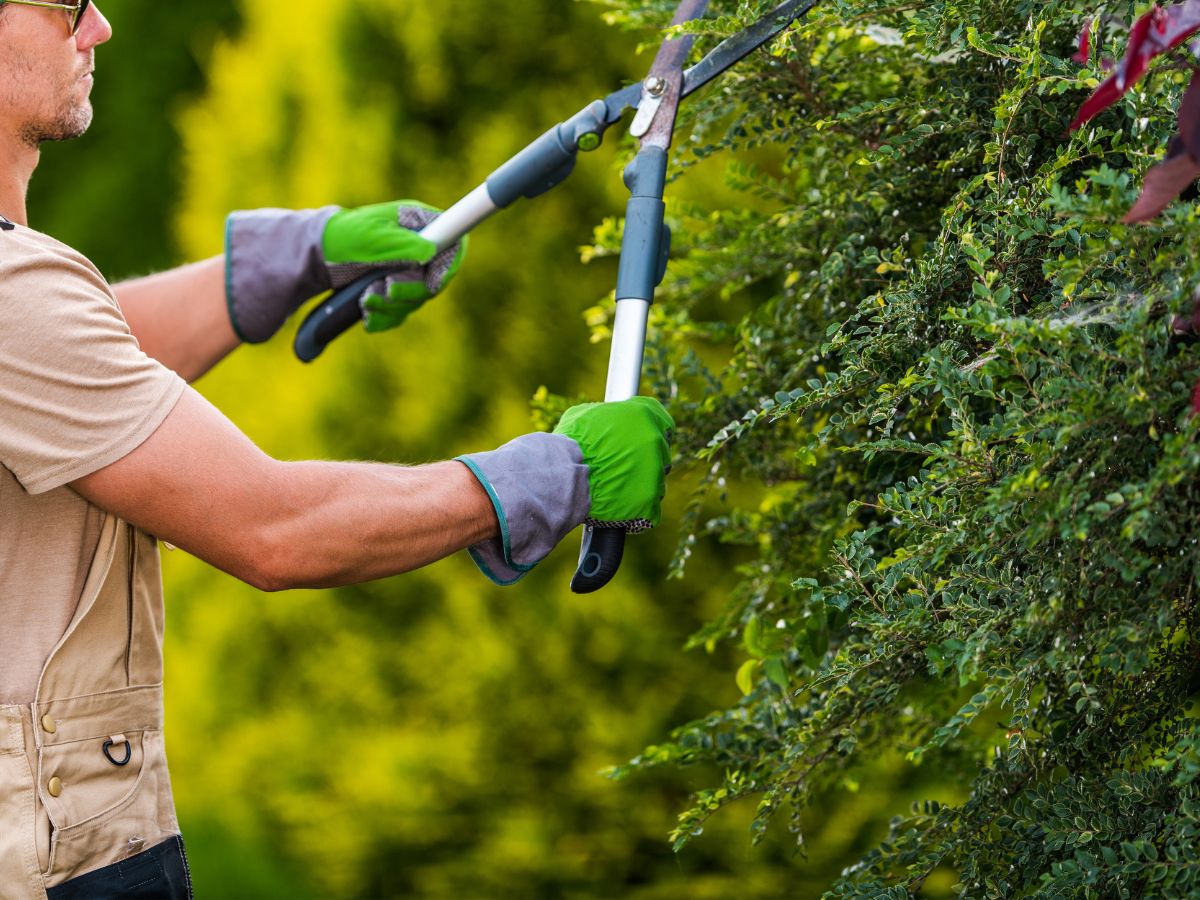
When you approach smart pruning, understanding essential techniques is important for ensuring your trees thrive.
First, familiarize yourself with the specific needs of different tree species. Each species has unique growth patterns, so knowing these will guide your cuts effectively.
Familiarize yourself with each tree species’ unique growth patterns to make informed and effective pruning cuts.
Next, invest in quality pruning tools; sharp, clean shears and saws make a significant difference. Dull tools can harm the tree and lead to infections.
Timing is also critical. Prune during the tree’s dormant season for most species, as this reduces stress and encourages healthy regrowth.
Focus on removing dead or diseased branches and thinning out crowded areas to improve air circulation and sunlight exposure.
Lastly, always make clean cuts at a slight angle, ensuring you don’t damage the bark.
What Is Smart Pruning and Why It Matters?
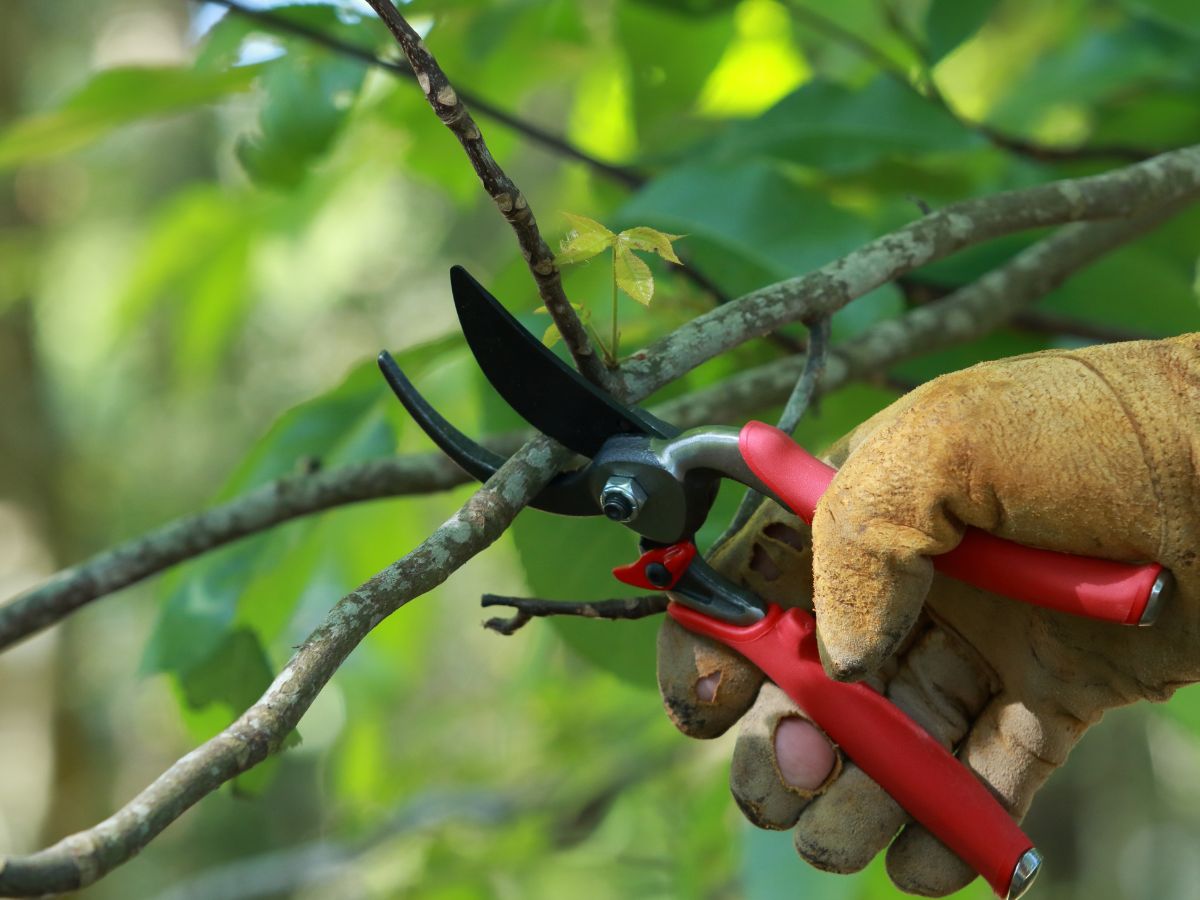
Smart pruning is all about using specific techniques to enhance your tree’s health and growth.
By understanding when and how to prune, you can reap significant benefits for your trees.
Timing and frequency play vital roles in ensuring your trees thrive, so let’s explore what makes smart pruning essential.
Understanding Smart Pruning Techniques
Pruning is essential for maintaining healthy trees, and understanding smart pruning techniques can make all the difference.
Smart pruning focuses on using the right pruning tools and techniques tailored to specific tree species, ensuring ideal growth and health. Here’s what you should know:
- Timing is Key: Prune during the right season for your tree species to avoid stress.
- Focus on Structure: Remove dead or crossed branches to improve airflow and sunlight penetration.
- Use Proper Tools: Invest in sharp, clean pruning tools to make precise cuts, reducing the risk of disease.
Benefits for Tree Health
Understanding smart pruning techniques lays the groundwork for appreciating its numerous benefits for tree health.
By focusing on tree vitality, you’ll see significant health improvement and growth enhancement. Smart pruning promotes nutrient allocation, ensuring your tree gets the resources it needs to thrive.
Additionally, it plays an essential role in disease prevention, reducing the risk of infections by improving airflow and sunlight exposure. This practice also maintains structural integrity, helping your tree withstand environmental stressors.
As you reduce stress on your trees, you contribute to their overall resilience and longevity.
Ultimately, smart pruning positively impacts not just individual trees, but the entire ecosystem balance, fostering a healthier environment for all living organisms.
Timing and Frequency Matters
Timing is essential when it comes to effective tree care. To maximize plant health, you need to take into account seasonal factors and align your pruning schedules with the tree’s growth cycles.
Understanding tree dormancy is vital; pruning during the wrong season can stress your trees and hinder their recovery.
- Seasonal factors: Prune in late winter or early spring for ideal growth.
- Weather impacts: Avoid pruning during wet or windy conditions to prevent damage.
- Timing strategies: Monitor your trees closely to determine the best times for cutting.
Best Times to Prune for Maximum Tree Health?
When you want to guarantee your trees stay healthy, knowing the best times to prune is essential. Seasonal considerations play a crucial role, as different tree species have specific pruning windows. Generally, late winter to early spring is ideal for most deciduous trees, while late summer is better for others.
Here’s a handy table to help you keep track:
| Season | Best for Tree Species | Pruning Purpose |
| Late Winter | Oak, Maple, Birch | Shape and remove dead limbs |
| Early Spring | Cherry, Dogwood | Encourage new growth |
| Late Summer | Ash, Elm | Control size and health |
| Fall | Some Evergreens | Minimal pruning for health |
Boosting Tree Growth and Resilience Through Smart Pruning
Pruning isn’t just about maintaining shape; it’s a powerful tool for boosting tree growth and resilience. By understanding how smart pruning works, you can considerably enhance your tree’s health.
Pruning goes beyond aesthetics; it’s a vital strategy for enhancing tree growth and overall health.
- Growth Stimulation: Removing dead or crowded branches accelerates growth by directing energy toward healthy shoots.
- Nutrient Allocation: Pruning improves nutrient distribution, ensuring essential resources reach the most promising parts of the tree.
- Disease Prevention: Regular maintenance helps in identifying and eliminating diseased limbs, protecting the overall health.
With effective canopy management, you’ll enhance structural integrity, allowing your trees to withstand storms better.
This resilience enhancement aids in seasonal adaptation, helping trees thrive through changing climates.
You’ll also improve habitat for local wildlife, creating a balanced ecosystem.
Smart pruning isn’t just maintenance; it’s an investment in your tree’s future.
Avoid These Common Tree Pruning Mistakes
When it comes to pruning your trees, timing and technique matter more than you might think.
Pruning at the wrong time or overdoing it can lead to serious consequences for your tree’s health.
Let’s explore these common mistakes and how to avoid them.
Improper Timing Issues
Although many gardeners are enthusiastic to enhance their trees’ health through pruning, improper timing can lead to more harm than good. Understanding seasonal considerations is essential for effective pruning techniques.
If you prune at the wrong time, you might stress your trees or hinder their growth.
- Pruning in late fall: This can expose trees to winter damage.
- Spring pruning before blooming: It may remove blossoms, reducing your tree’s beauty.
- Ignoring tree dormancy: Pruning while trees are active can sap their energy.
Always consider when to prune based on the type of tree and its growth cycle. Proper timing not only promotes health but also guarantees that your trees thrive season after season.
Over-Pruning Consequences
Over-pruning can severely harm your trees, leading to a range of issues that affect their health and appearance. You might notice stunted growth, weakened branches, and increased vulnerability to pests and diseases.
These over-pruning risks can diminish your tree’s overall vigor and even shorten its lifespan. It’s essential to recognize the signs of over-pruning, such as excessive leaf drop or sparse foliage.
If you’ve pruned too much, consider implementing recovery strategies like limiting further cuts and ensuring proper watering and fertilization. Giving your trees time to recuperate can help restore their health.
Real-Life Smart Pruning Success Stories
Smart pruning has transformed countless landscapes, proving that with the right techniques, trees can thrive in even the most challenging conditions.
You might be surprised by the success stories emerging from communities embracing pruning innovations. These techniques not only enhance tree health but also beautify neighborhoods.
- A city park revitalized its aging oak trees, resulting in a 50% increase in leaf density.
- A local school’s playground saw its once-sickly maple trees flourish, providing shade for students and boosting air quality.
- An urban garden transformed its fruit-bearing trees, doubling their yield after implementing smart pruning practices.
These examples illustrate how smart pruning doesn’t just rejuvenate trees; it enriches entire environments.
By adopting these methods, you can join the ranks of those who’ve witnessed remarkable transformations in their landscapes.
Frequently Asked Questions
How Does Smart Pruning Differ From Traditional Pruning Methods?
Smart pruning techniques focus on tree biology, promoting natural growth patterns and health. Unlike traditional methods, which often remove excess branches indiscriminately, smart pruning targets specific areas, enhancing overall tree health and structural integrity.
Can Smart Pruning Be Applied to All Tree Species?
Smart pruning can be applied to many tree species, but effectiveness varies. You should consider each species’ unique needs when choosing pruning techniques to guarantee ideal health and growth for your trees.
What Tools Are Essential for Effective Smart Pruning?
For effective smart pruning, you’ll need essential tools like sharp pruning shears, loppers for thicker branches, a pruning saw, and gloves. Mastering these pruning techniques guarantees healthier trees and better growth overall.
How Often Should I Evaluate My Tree’s Health After Pruning?
You should evaluate your tree’s health every few weeks after pruning. Regular health monitoring helps you identify issues early. Don’t forget post pruning care, as it’s essential for your tree’s recovery and overall well-being.
Are There Any Specific Signs That Indicate a Tree Needs Pruning?
Yes, if you notice excessive tree growth, crossing branches, or deadwood, it’s time to prune. Using effective pruning techniques promotes healthy growth, improving air circulation and sunlight exposure for your tree’s overall health.
Final Thoughts
At Prime Tree Care, we know that smart pruning can make a major difference in the health, strength, and long-term growth of your trees. When done correctly, pruning helps improve structure, increase airflow and sunlight exposure, and reduce the risk of disease or storm damage, all while supporting stronger, healthier growth over time.
If you want to improve the health and appearance of your trees with expert care, our team is here to help with professional tree pruning, reliable tree trimming, safe tree removal, and complete tree care services. Contact Prime Tree Care today to schedule an assessment and let us help your trees stay healthy, resilient, and properly maintained.