
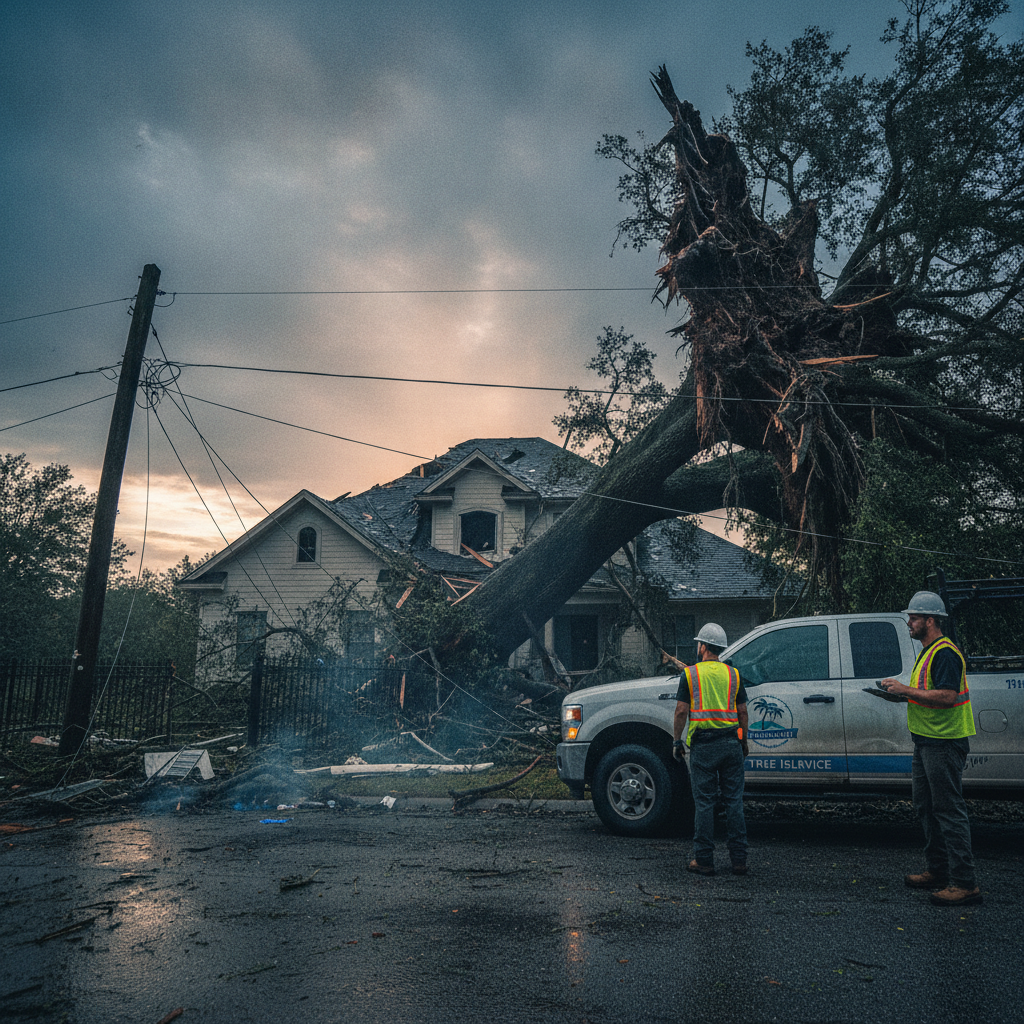
When a powerful storm sweeps through the area, the aftermath can be overwhelming for property owners. Downed branches, split trunks, and uprooted trees not only create a mess but also pose significant safety hazards. Knowing how to assess tree damage and when to call for professional help is crucial for protecting your property and ensuring everyone’s safety. Emergency Tree Service Blue Island IL is a phrase many residents search for after severe weather, looking for reliable, fast, and expert assistance. In this comprehensive guide, we’ll walk you through the steps to assess storm damage, explain the importance of prompt emergency tree service, and provide actionable tips for safeguarding your landscape and business. Whether you’re a small business owner, developer, or a local resident, understanding the right approach can save you time, money, and stress when nature strikes unexpectedly.
Emergency Tree Service and Storm Damage in the Area
Storms can wreak havoc on trees, leaving property owners with a daunting cleanup and potential hazards to address. The first step after severe weather is to carefully assess the extent of the damage. Fallen limbs, hanging branches, and partially uprooted trees are common sights, but not all damage is immediately visible. Inspect trees for cracks in the trunk, exposed roots, and leaning structures, as these may indicate deeper issues. If you notice power lines entangled with branches or trees leaning dangerously close to buildings, it’s essential to keep a safe distance and avoid touching anything until professionals arrive.
For business owners and developers, storm-damaged trees can disrupt operations, block access, and create liability concerns. Immediate action is necessary to minimize risks and restore normalcy. Emergency Tree Service Blue Island IL is a trusted solution for rapid response and expert assessment. Certified arborists can quickly evaluate the situation, identify hazardous trees, and recommend the safest course of action. Their specialized training ensures that even complex removals are handled efficiently, reducing the risk of further property damage or injury.
If you’re unsure about the severity of the damage or how to proceed, don’t hesitate to learn more about professional emergency tree services available in your community. Acting promptly can make all the difference in protecting your property and ensuring the safety of employees, customers, and residents.
Emergency Tree Service Blue Island IL: What to Expect
When you contact an emergency tree service after a storm, you can expect a swift and organized response. The first priority is always safety, both for the crew and for anyone on the property. Certified arborists arrive equipped with the latest tools and safety gear, ready to assess the situation and take immediate action. Their initial evaluation includes identifying unstable trees, broken limbs, and any branches that may pose a risk to structures or people.
The process typically begins with a thorough walk-through of the property. Arborists will look for signs of internal damage, such as cracks or splits in trunks and branches, as well as external hazards like downed power lines or debris blocking driveways. They will also assess the health of the remaining trees, determining which can be saved and which may need removal. This careful approach ensures that all potential dangers are addressed before any cleanup or removal work begins.
For business owners, emergency tree service is about more than just removing debris. It’s about restoring access, minimizing downtime, and protecting your investment. Professional crews work efficiently to clear hazards and clean up the site, allowing you to resume operations as quickly as possible. Their expertise also means they can advise on preventative measures to reduce future storm damage, such as strategic pruning or cabling of vulnerable trees. By choosing a reputable local provider, you gain peace of mind knowing that your property is in capable hands during a stressful time.
Emergency Tree Service Blue Island Illinois: Key Benefits
Choosing a professional emergency tree service in Blue Island Illinois offers several advantages over attempting to handle storm damage on your own. First and foremost, safety is paramount. Tree removal and storm cleanup can be dangerous, particularly when dealing with large limbs, unstable trees, or electrical hazards. Certified arborists have the training and equipment necessary to manage these risks effectively, ensuring that no further harm comes to people or property.
Another key benefit is efficiency. Professional crews can quickly assess the situation, prioritize tasks, and deploy the right resources to get the job done. They understand the urgency of restoring normalcy after a storm, especially for businesses that rely on clear access and safe surroundings. With their expertise, cleanup is completed faster and more thoroughly than most property owners could achieve alone.
Additionally, emergency tree services often provide follow-up care, such as tree health assessments, pruning, and recommendations for future storm preparedness. This holistic approach not only addresses immediate concerns but also helps strengthen your landscape against future weather events. For property owners in this community, partnering with a trusted emergency tree service is an investment in safety, efficiency, and long-term peace of mind.
How to Assess Tree Damage After a Storm
Assessing tree damage after a storm requires a careful and methodical approach. Start by surveying your property from a safe distance, looking for obvious hazards like fallen branches, uprooted trees, or limbs resting on power lines. Avoid walking under damaged trees or attempting to move heavy debris yourself, as hidden dangers may be present.
Next, examine the trunks and major branches for cracks, splits, or signs of decay. Trees with significant structural damage may need to be removed to prevent future accidents. Pay special attention to trees that are leaning or have exposed roots, as these are often unstable and at risk of falling. Smaller branches and leaves may also show signs of stress, such as wilting or browning, which can indicate underlying issues.
If you’re unsure about the extent of the damage or whether a tree can be saved, it’s best to consult with a certified arborist. They can provide a professional assessment and recommend the safest and most effective course of action. Remember, not all storm-damaged trees need to be removed, some can be pruned or treated to restore their health and stability. Taking the time to assess damage properly ensures that your landscape remains safe and attractive for years to come.
Common Types of Storm Damage to Trees
Storms can inflict a variety of injuries on trees, each requiring a different approach for assessment and repair. The most common types of storm damage include broken branches, split trunks, uprooted trees, and torn bark. High winds often snap limbs or cause entire trees to topple, while heavy rain can saturate the soil and weaken root systems.
Lightning strikes are another frequent cause of tree damage in severe weather. A lightning-struck tree may appear healthy at first glance but can suffer internal injuries that weaken its structure over time. Hail can strip leaves and bark, leaving trees vulnerable to pests and disease. In some cases, multiple types of damage occur simultaneously, complicating the assessment and cleanup process.
Understanding the specific type of damage your trees have sustained is essential for determining the right response. Minor injuries, such as small broken branches, can often be pruned away to promote healing. More severe damage, like a split trunk or uprooted tree, typically requires professional intervention. By recognizing the signs of different types of storm damage, property owners can make informed decisions about when to call for emergency tree service and how to prioritize repairs.
Safety Precautions During Storm Cleanup
Safety should always be the top priority when dealing with storm-damaged trees. Before beginning any cleanup, assess the area for immediate hazards such as downed power lines, unstable trees, or large hanging branches. If you encounter any of these dangers, evacuate the area and contact emergency services or a professional tree service immediately.
When removing smaller debris, wear protective gear including gloves, safety glasses, and sturdy footwear. Use caution when handling branches, as they may be under tension and could snap unexpectedly. Never attempt to operate chainsaws or other heavy equipment without proper training and experience. Even seemingly simple tasks can become dangerous in the aftermath of a storm.
For larger cleanup efforts, it’s best to rely on certified arborists and emergency tree service professionals. They have the expertise and equipment to safely remove hazardous trees, clear debris, and restore your property to a safe condition. Taking the right precautions during storm cleanup not only protects you and your family but also helps prevent further damage to your landscape and structures.
Table: Signs Your Tree Needs Emergency Service
| Sign | Description |
|---|---|
| Leaning Tree | Tree is suddenly leaning or uprooted after a storm. |
| Cracked Trunk | Visible splits or cracks in the main trunk. |
| Hanging Branches | Broken limbs suspended in the canopy, at risk of falling. |
| Power Line Contact | Branches or trees entangled with utility lines. |
| Root Exposure | Roots lifted out of the ground, indicating instability. |
If you notice any of these signs, contact an emergency tree service immediately to prevent further damage or injury. Prompt action can make a significant difference in the safety and recovery of your property.
The Role of Certified Arborists in Emergency Tree Service
Certified arborists play a vital role in emergency tree service, especially after severe weather events. Their specialized training allows them to accurately assess tree health and structural integrity, identifying hazards that may not be obvious to the untrained eye. Arborists are equipped to handle complex removals, prune damaged limbs, and provide recommendations for tree preservation whenever possible.
In emergency situations, arborists prioritize safety and efficiency. They use advanced equipment and techniques to remove hazardous trees and debris without causing further damage to your property. Their expertise also extends to post-storm recovery, offering guidance on how to care for surviving trees and prevent future issues. For business owners and residents alike, working with certified professionals ensures that storm recovery is handled with the highest standards of safety and care.
Choosing a tree service with certified arborists on staff is an investment in the long-term health and beauty of your landscape. Their knowledge and experience make them invaluable partners in maintaining a safe and resilient environment, no matter what the weather brings.
Insurance and Liability Considerations
Dealing with storm-damaged trees often involves navigating insurance claims and liability issues. Most property insurance policies cover damage caused by fallen trees, but coverage can vary depending on the circumstances and the extent of the damage. It’s important to document the scene thoroughly, taking photographs of all affected areas before any cleanup begins.
Contact your insurance provider as soon as possible to report the damage and initiate the claims process. Keep records of all communications, estimates, and receipts related to tree removal and repairs. If a tree from a neighboring property falls onto your land, liability may depend on whether the tree was previously identified as hazardous. In such cases, having a history of regular tree maintenance and inspections can be beneficial.
Professional emergency tree services are familiar with insurance requirements and can assist with documentation and reporting. Their expertise ensures that the cleanup process is handled efficiently and in compliance with policy guidelines, reducing stress and helping you recover more quickly from storm-related losses.
Preventative Steps to Minimize Future Storm Damage
While it’s impossible to control the weather, there are several proactive steps property owners can take to minimize storm damage to trees. Regular inspections by certified arborists are essential for identifying potential hazards, such as weak branches, disease, or structural defects. Pruning trees to remove dead or overhanging limbs reduces the risk of breakage during high winds.
Cabling and bracing can provide additional support for vulnerable trees, helping them withstand severe weather. Planting the right species in appropriate locations also contributes to a more resilient landscape. Avoid planting large trees too close to buildings or utility lines, and consider wind-resistant varieties for exposed areas.
Developing a storm preparedness plan is another valuable strategy. This includes maintaining an updated list of emergency contacts, reviewing insurance coverage, and establishing clear protocols for post-storm assessment and cleanup. By taking these preventative measures, property owners can reduce the likelihood of severe damage and ensure a faster recovery when storms do occur.
Final Thoughts
Storms are an inevitable part of life in this region, but their impact on trees and properties can be managed with the right approach. Prompt assessment, professional emergency tree service, and ongoing preventative care are the keys to protecting your investment and ensuring the safety of your community. By understanding the signs of storm damage and knowing when to call in certified experts, you can navigate the aftermath with confidence and peace of mind. Remember, a healthy and resilient landscape not only enhances property value but also contributes to the overall well-being of everyone who lives and works here. Stay prepared, stay safe, and trust in the expertise of local tree care professionals to guide you through every storm.