After a powerful storm sweeps through your neighborhood, the landscape can change in an instant. Downed limbs, split trunks, and uprooted trees are a common sight, but not every hazard is obvious at first glance. For homeowners and business owners alike, knowing how to spot an emergency tree risk before it turns into a costly or dangerous problem is crucial. Emergency Tree Service Blue Island IL is often needed not just after visible damage, but when hidden threats linger in the aftermath. In this guide, we’ll explore how to recognize subtle warning signs, why quick action matters, and what steps you can take to protect your property, your family, and your investment. Whether you’re a developer managing multiple lots or a resident concerned about that leaning oak in your backyard, understanding the essentials of post-storm tree assessment can make all the difference between a manageable situation and a true emergency.
Understanding the Hidden Dangers After a Storm
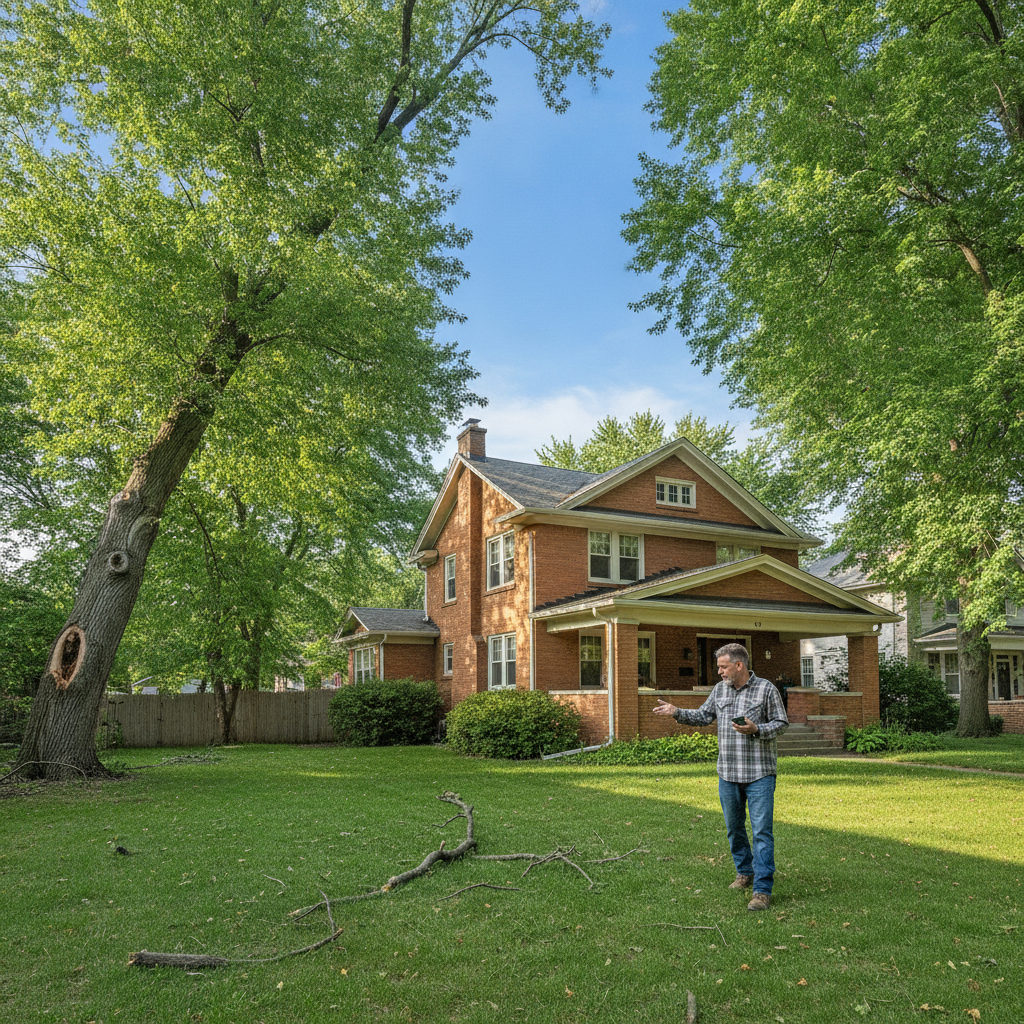
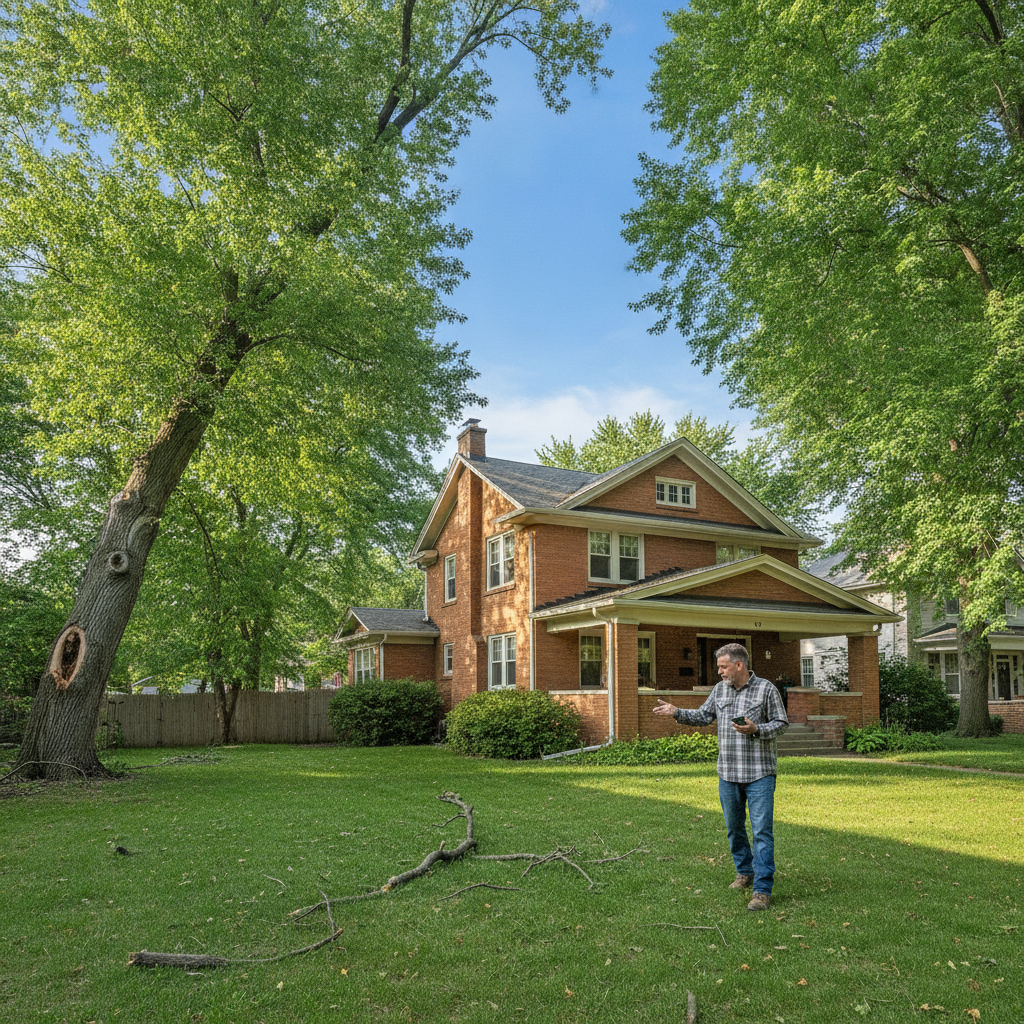
Storms can leave trees looking battered but deceptively stable. However, the real tree risk often lies beneath the surface or within the canopy, where cracks, splits, or root damage may not be immediately visible. After a storm, it’s common for branches to be partially broken or for trunks to sustain internal injuries that weaken the entire structure. These hidden dangers can cause a tree to fail days or even weeks later, especially if another weather event follows. Homeowners should be aware that not all hazards are obvious, and a tree that appears to have survived may still pose a significant threat. Recognizing these less-visible dangers is the first step toward preventing further property damage or personal injury.
Key Signs Your Tree Needs Immediate Attention
Spotting the signs of a tree in distress can help you act before a minor issue becomes a major emergency. Look for hanging or broken branches, visible cracks in the trunk, or a sudden lean that wasn’t there before. If the roots appear lifted or the soil around the base is disturbed, the tree may be unstable. Fungal growth or oozing sap can also indicate internal decay. When in doubt, it’s best to contact a Blue Island IL emergency tree service to assess the situation. Acting quickly can prevent falling limbs from damaging roofs, vehicles, or power lines, and can keep your property safe for everyone who visits or lives there.
How Storm Damage Can Affect Tree Stability
Storms can compromise a tree’s stability in several ways. High winds may twist or bend trunks, while heavy rain can saturate the soil, weakening the grip of the roots. Even if the tree remains upright, internal fibers may be torn, reducing its ability to withstand future stress. In some cases, damage to the canopy can shift the tree’s weight distribution, making it more likely to fall. If you notice a tree that seems off-balance or has lost significant branches, it’s wise to consult a professional for a Tree Service in Blue Island, IL assessment. Addressing these issues early can prevent a hazardous collapse and save you from costly repairs down the line.
The Role of Weather Patterns in Tree Emergencies
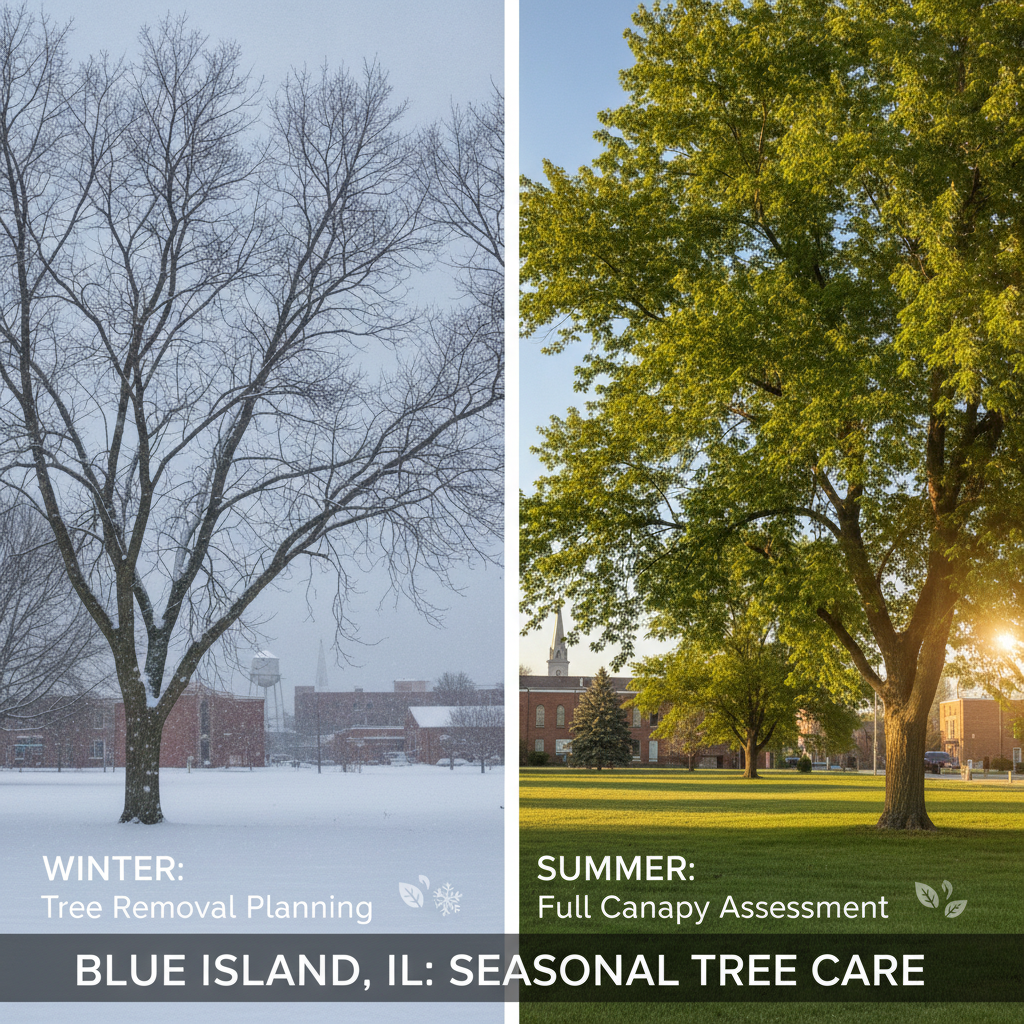
Weather patterns play a significant role in determining how and when trees become hazardous. Repeated exposure to high winds, ice, or heavy rain can weaken trees over time, even if no immediate damage is visible. In the area, seasonal shifts often bring unpredictable weather, making it essential to monitor your trees year-round. Understanding How Seasonal Weather in Blue Island IL Impacts Tree Removal Planning can help you anticipate risks and schedule preventative care before a crisis occurs. By staying proactive, you can reduce the likelihood of emergency situations and keep your landscape healthy and resilient.
Why Professional Inspections Matter After a Storm
After severe weather, it’s tempting to assume that if a tree is still standing, it’s safe. However, trained arborists can spot subtle signs of damage that untrained eyes might miss. A professional inspection evaluates the entire tree, from roots to canopy, for hidden weaknesses, disease, or structural problems. This is especially important for business owners or developers managing multiple properties, where a single overlooked hazard can have widespread consequences. Learn more about How Tree Service Inspections Help Blue Island IL Property Owners Catch Hidden Hazards Early and why scheduling a post-storm assessment is a smart investment in safety and peace of mind.
Common Tree Species and Their Storm Resilience
Not all trees respond to storms in the same way. Some species are naturally more resilient, while others are prone to splitting or uprooting. For example, oaks and maples are generally sturdy but can suffer from heavy limb loss if their canopies are dense. Willows and poplars, on the other hand, are fast-growing but often have weaker wood, making them more susceptible to breakage. Understanding the strengths and weaknesses of the trees on your property can help you anticipate which ones may need extra attention after a storm. Regular pruning and maintenance tailored to each species can enhance their ability to withstand severe weather, reducing the risk of emergency situations.
Assessing Root Damage and Soil Conditions
Roots are the foundation of any tree, and their health is critical to overall stability. After heavy rain or flooding, soil can become saturated, causing roots to lose their grip and trees to tilt or fall unexpectedly. Signs of root distress include exposed roots, heaving soil, or a sudden lean. In some cases, roots may be severed by shifting ground or debris. Homeowners should inspect the area around the base of each tree, looking for changes in soil level or standing water. If you suspect root damage, consult a certified arborist promptly. Addressing root issues early can prevent further decline and help restore the tree’s stability before it becomes a hazard.
Warning Signs That Call for Emergency Tree Service
Certain warning signs indicate that immediate action is required to prevent injury or property damage. These include large hanging branches over walkways or buildings, trees that are touching power lines, or trunks that have split or cracked significantly. If you notice a tree suddenly leaning toward a structure or if the ground around it is moving, it’s time to call a professional. In this community, emergency tree service providers are equipped to handle urgent situations safely and efficiently, minimizing disruption and protecting your investment. Don’t wait for a close call, address these red flags as soon as they appear to keep your property safe.
How to Document Tree Damage for Insurance Claims
Proper documentation is essential when filing an insurance claim for storm-related tree damage. Start by taking clear, dated photos of the affected trees, including close-ups of cracks, splits, or uprooted roots. Capture wide shots that show the tree’s proximity to structures or vehicles. Keep records of any professional assessments or removal services, as these can support your claim. It’s also helpful to note the timing of the storm and any immediate actions you took to mitigate further damage. By organizing this information, you can streamline the claims process and increase the likelihood of a favorable outcome. Remember, prompt reporting and thorough documentation are key to protecting your interests.
Preventative Steps to Reduce Future Tree Risks
Taking preventative measures can significantly reduce the likelihood of emergency tree situations in the future. Regular pruning to remove weak or dead branches, routine inspections by certified arborists, and maintaining healthy soil conditions all contribute to stronger, more resilient trees. Consider planting species that are well-suited to local weather patterns and soil types, and avoid overcrowding trees, which can lead to competition for resources and increased vulnerability. By investing in ongoing tree care, you not only protect your property but also enhance the beauty and value of your landscape for years to come.
| Tree Issue | What to Look For | Recommended Action |
|---|---|---|
| Hanging Branches | Broken limbs, especially over structures | Remove promptly to prevent falling |
| Cracked Trunk | Visible splits or deep cracks | Consult a certified arborist |
| Leaning Tree | Sudden or increasing tilt | Assess for root damage, stabilize if possible |
| Uprooted Roots | Exposed roots, heaving soil | Remove or brace as needed |
| Fungal Growth | Mushrooms or decay at base | Inspect for internal rot, prune or remove |
Final Thoughts
Storms are an inevitable part of life in this region, but the aftermath doesn’t have to be overwhelming. By learning how to spot emergency tree risks early, you can take control of your property’s safety and avoid costly surprises. Remember to look beyond the obvious, monitor your trees for subtle changes, and enlist the help of professionals when needed. Whether you’re a homeowner, business owner, or developer, proactive tree care is an investment in peace of mind. Stay vigilant, keep your landscape healthy, and you’ll be well-prepared for whatever nature brings next.