For anyone managing property, running a small business, or overseeing development projects, understanding how seasonal weather affects tree removal planning is essential. Weather in this region is known for its dramatic shifts, from icy winters to humid, storm-prone summers. Each season brings unique challenges and opportunities for tree care, especially when working with a Tree Removal Company Blue Island IL trusts for reliable results. Whether you’re dealing with aging trees near a commercial building, prepping land for construction, or simply keeping your landscape safe, factoring in the local climate can make all the difference. In this article, we’ll explore how the changing seasons shape the best times and strategies for tree removal, what risks to watch out for, and how to plan ahead to avoid costly surprises. By the end, you’ll have a clear understanding of how weather influences every step of the process, helping you make informed decisions for your property all year round.
Why Timing Matters for Tree Removal Projects
Choosing the right time of year for tree removal is more than just a matter of convenience. Seasonal weather patterns directly impact how safely and efficiently a tree can be removed. For example, frozen ground in winter may make it easier for heavy equipment to access a site without damaging lawns, while spring’s wet conditions can make soil unstable. A Tree Removal Company Blue Island IL property owners rely on will factor in these seasonal variables to recommend the best window for your project. Planning ahead means fewer delays, lower risk of property damage, and better outcomes for your landscape. Understanding the interplay between weather and tree removal helps you avoid the pitfalls of poor timing, such as equipment getting stuck, increased costs, or even safety hazards for workers and bystanders.
Understanding Local Weather Patterns and Tree Health
The region’s weather can be unpredictable, with rapid temperature swings and sudden storms. These conditions put extra stress on trees, sometimes accelerating decay or making them more vulnerable to pests and disease. When planning for removal, it’s important to assess not only the tree’s current health but also how recent weather events may have impacted its stability. If you’re considering pruning or maintenance, visit our site for tips on timing your tree care to local conditions. Recognizing the signs of weather-related stress early can help you schedule removal before a tree becomes a hazard. Local experts are familiar with how the area’s climate affects different species, so they can provide tailored advice on when and how to proceed.
How Spring Rains and Thaw Affect Tree Removal Logistics
Spring brings a burst of growth, but also soggy soil and unpredictable weather. These factors can complicate tree removal projects, especially if heavy equipment is needed. Wet ground increases the risk of rutting and damage to lawns or driveways. It can also make it harder to stabilize machinery, raising safety concerns. Planning removal during a drier spell or after the ground has firmed up can help minimize disruption. For urgent situations, understanding the seasonal impact on tree health is crucial, as spring storms can bring down weakened limbs or entire trees. Working with a local company ensures that your project is scheduled with these seasonal challenges in mind, reducing headaches and unexpected costs.
Navigating Permits and Access During Peak Seasons
Tree removal isn’t just about cutting and hauling away wood. In many cases, you’ll need to secure permits, coordinate with neighbors, and ensure safe access for crews and equipment. These steps can become more complex during peak removal seasons, when demand is high and city offices are busier than usual. Weather can also impact access, with muddy or icy conditions making it difficult for trucks and machinery to reach your site. For a comprehensive guide on the paperwork and logistics involved, check out Permits, Access, and Cleanup: Planning a Tree Removal Project in Blue Island IL. By anticipating these seasonal hurdles, you can streamline your project and avoid unnecessary delays.
Protecting Your Property from Seasonal Hazards
One of the biggest concerns during tree removal is preventing damage to lawns, fences, and nearby structures. Seasonal factors like saturated soil, high winds, or frozen ground can increase the risk of collateral damage. Experienced crews use specialized techniques and equipment to safeguard your property, adjusting their approach based on current conditions. To learn more about these protective measures, see How Tree Removal Crews in Blue Island IL Protect Lawns, Fences, and Nearby Structures. Taking proactive steps, such as laying down protective mats or scheduling work during optimal weather, can make a significant difference in the final outcome.
Winter Tree Removal: Pros, Cons, and Considerations
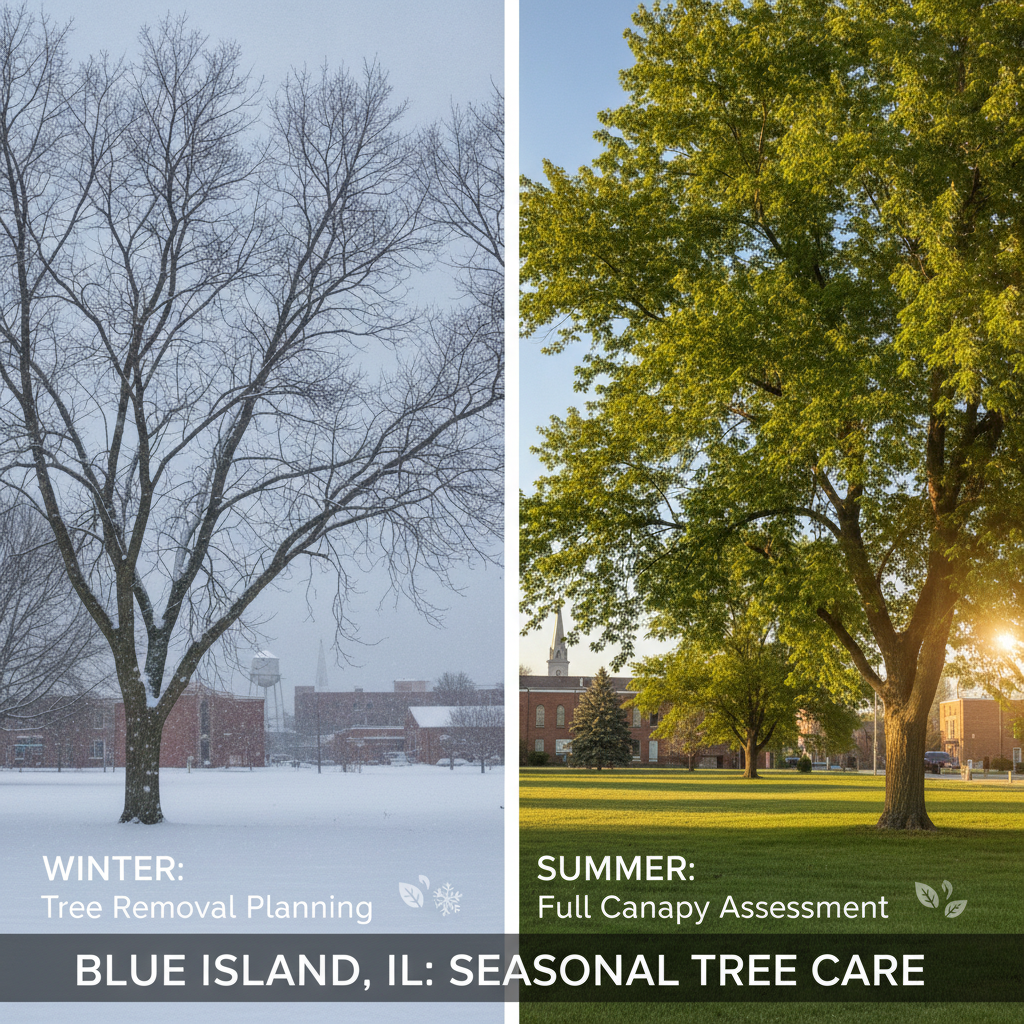
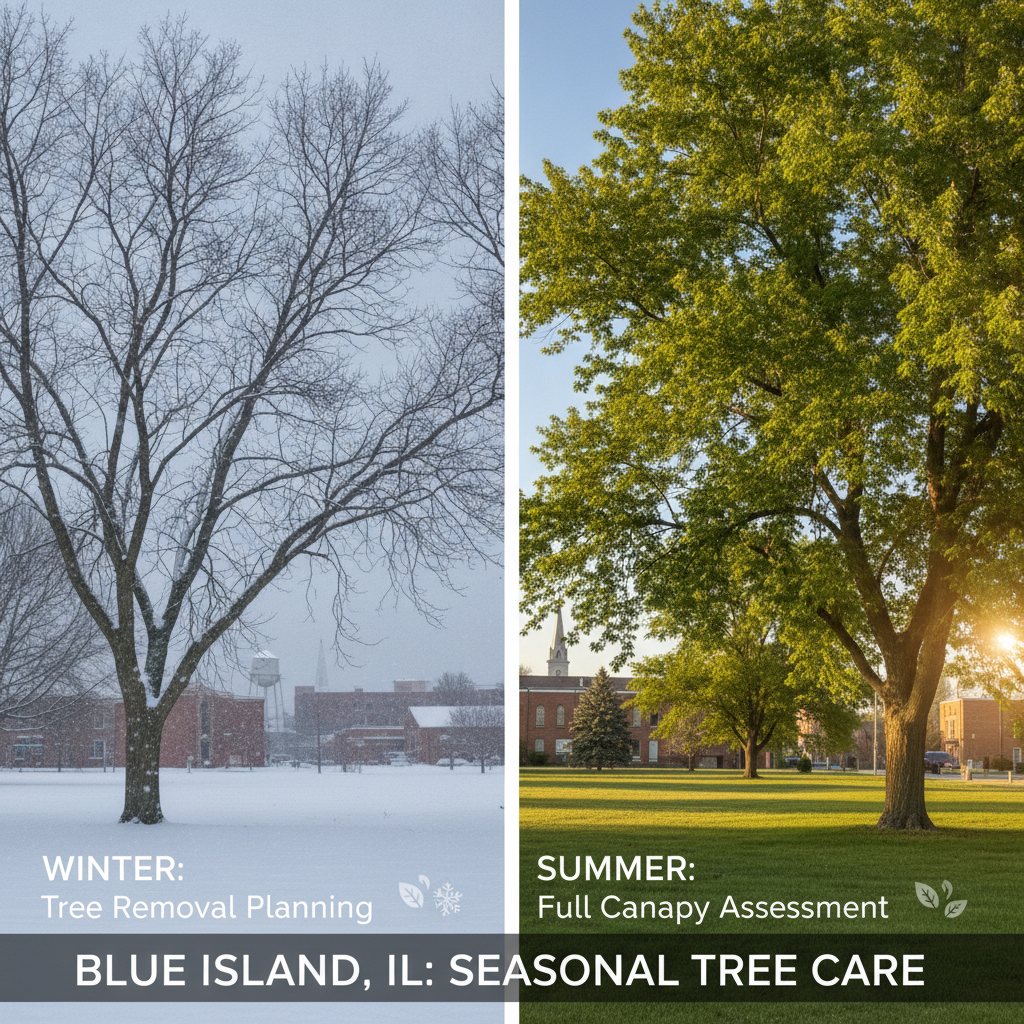
Winter can be an ideal time for tree removal in this community, especially when the ground is frozen. Frozen soil provides a stable surface for heavy equipment, reducing the risk of lawn damage. With trees dormant, it’s also easier to see the structure and assess which limbs need to go. However, winter brings its own challenges, such as icy conditions that can make work hazardous for crews. Snow and ice may also obscure hazards like stumps or rocks. Scheduling removal during a mild spell can help balance the benefits of winter work with the need for safety and accessibility. Local professionals understand how to adapt their methods to the season, ensuring projects stay on track even when temperatures drop.
Summer Storms and Emergency Tree Removal
Summer storms in the area can arrive suddenly, bringing strong winds and heavy rain that stress even healthy trees. After a major weather event, emergency removal may be necessary to clear damaged or fallen trees from roads, driveways, or power lines. Planning ahead for these possibilities can help property owners respond quickly and safely. It’s wise to have a relationship with a local tree service that offers rapid response and understands the unique risks posed by summer weather. Removing at-risk trees before storm season can prevent costly damage and keep your property safer. When emergencies do arise, experienced crews know how to navigate wet ground, downed wires, and other hazards that come with severe weather.
How Fall Leaf Drop Influences Tree Removal Planning
Autumn is a popular time for tree removal, thanks to cooler temperatures and the natural slowdown in tree growth. As leaves fall, it becomes easier to inspect the tree’s structure and spot signs of decay or instability. Drier weather in the fall can also make access easier for equipment, reducing the risk of ruts or mud. However, leaf drop can create slippery conditions on walkways and work areas, so crews must take extra precautions. For property owners, fall is the perfect time to schedule assessments and plan removal before winter storms arrive. By acting during this window, you can address potential hazards and set your landscape up for a safer, healthier spring.
Coordinating Tree Removal with Other Seasonal Projects
Tree removal often goes hand-in-hand with other seasonal property projects, such as landscaping, construction, or utility upgrades. Timing your tree work to align with these efforts can save time and money, as well as reduce disruption to your business or daily routine. For example, removing trees before a major landscaping overhaul ensures that new plantings aren’t damaged by equipment. Similarly, scheduling removal before a construction project can clear the way for crews and materials. Local professionals can help you develop a coordinated plan that takes into account the timing of all your projects, as well as the impact of seasonal weather on each phase. This holistic approach leads to smoother, more successful outcomes.
Table: Seasonal Factors Affecting Tree Removal Planning
| Season | Key Weather Factors | Impact on Tree Removal |
|---|---|---|
| Winter | Frozen ground, snow, ice | Stable ground for equipment, but icy hazards for crews |
| Spring | Rain, thawing soil, new growth | Wet, unstable soil; increased risk of rutting |
| Summer | Heat, storms, drought | Storm damage risk; urgent removals may be needed |
| Fall | Cooler temps, leaf drop, drier ground | Easier inspections and access; good time for planning |
Working with Local Experts for Year-Round Success
Partnering with professionals who understand the region’s climate and tree species is invaluable. Local experts can anticipate how upcoming weather may affect your project, recommend the safest and most efficient timing, and adapt their approach as conditions change. They’re also familiar with local regulations and can help you navigate permitting and neighborhood concerns. Whether you’re planning a large-scale removal or just need advice on a single tree, choosing a team with deep roots in the community ensures that your project is handled with care and expertise. Their knowledge of seasonal patterns helps prevent surprises and delivers better results for your property.
Final Thoughts
Seasonal weather is one of the most important factors in successful tree removal planning. By understanding how each season affects logistics, safety, and tree health, property owners and business managers can make smarter choices and avoid costly setbacks. Working with a trusted local company means you’ll benefit from their experience, tailored recommendations, and proactive approach to weather challenges. Whether you’re facing an urgent removal after a storm or planning ahead for a construction project, timing your efforts to the rhythms of the local climate leads to safer, more efficient outcomes. Take the time to assess your property’s needs, consult with professionals, and schedule work during the most favorable conditions. With the right planning and expertise, you can keep your landscape safe and attractive year-round, no matter what the forecast brings.