
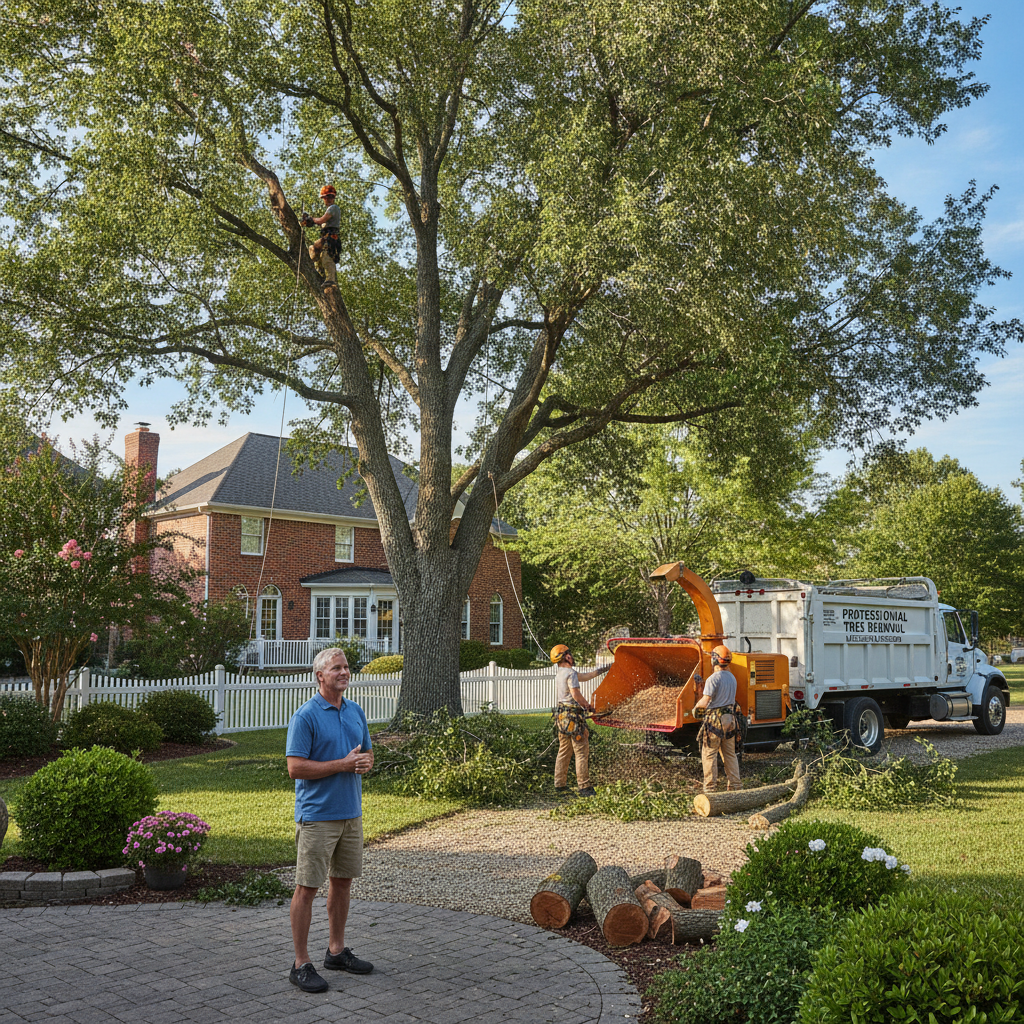
When a tree emergency strikes, quick action can make all the difference for your property and safety. Whether it’s a storm, disease, or a sudden collapse, knowing how to handle emergency tree removal is crucial for homeowners, small business owners, and developers alike. In this comprehensive guide, we’ll walk you through everything you need to know about emergency tree removal, including how to recognize a tree emergency, the steps to take, and how to choose the right 24 Hour Emergency Tree Service Blue Island Illinois. You’ll also learn about common causes of tree emergencies, safety tips, cost factors, and how to protect your landscape in the aftermath. Let’s dive in and ensure you’re prepared to handle any tree crisis that comes your way.
24 Hour Emergency Tree Service in Blue Island
Tree emergencies can happen at any time, and when they do, having access to a reliable 24 Hour Emergency Tree Service Blue Island Illinois is essential. Whether it’s a tree that has fallen during a storm, branches threatening power lines, or a hazardous leaning trunk, immediate professional intervention can prevent further damage and keep your property safe. In the area, property owners often face unpredictable weather, making it important to have a trusted service on speed dial. Emergency tree removal is not just about cutting and hauling away debris; it’s about assessing the situation, ensuring safety, and minimizing risk to people and structures.
When you contact a 24 Hour Emergency Tree Service Blue Island Illinois, you’re getting more than just rapid response. Certified arborists arrive equipped with the right tools and expertise to handle complex removals, even in the middle of the night or during severe weather. They assess the stability of the tree, potential hazards, and the safest way to remove it without causing further harm to your property. Fast action can also be critical for insurance claims, as timely removal and documentation help support your case.
If you’re dealing with a tree emergency, don’t attempt to remove large limbs or entire trees yourself. Professional teams are trained to manage dangerous situations, including working around power lines and unstable structures. For more information about emergency tree removal and related services like stump removal, check out 24 Hour Emergency Tree Service Blue Island Illinois.
24 Hour Emergency Tree Service Blue Island, IL
Understanding when to call a 24 Hour Emergency Tree Service Blue Island Illinois is vital. Not every fallen branch or leaning tree constitutes an emergency, but certain scenarios demand immediate attention. For example, if a tree is blocking a main road, threatening to fall on your home, or tangled with utility lines, it’s time to act fast. The region’s mix of mature urban trees and unpredictable storms means residents must stay vigilant, especially during high winds and heavy rains.
When you reach out to an emergency tree service, expect a prompt assessment. Professionals will evaluate the severity, determine if immediate removal is necessary, and explain the process. They’ll also discuss safety measures, such as cordoning off the area and coordinating with utility companies if power lines are involved. Many services offer 24/7 hotlines, ensuring you’re never left waiting during a crisis. It’s also wise to keep a record of the incident for insurance purposes, including photos and details of the damage.
For ongoing tree health and prevention, regular maintenance is key. Pruning, trimming, and health assessments help reduce the risk of future emergencies. If you want to learn more about preventive care and how to keep your trees in top shape, visit our site for expert advice and services.
24 Hour Emergency Tree Service Blue Island Illinois
Choosing the right 24 Hour Emergency Tree Service Blue Island Illinois provider can make all the difference in a stressful situation. Look for companies with certified arborists, proper insurance, and a track record of fast, safe responses. In this community, word-of-mouth recommendations and online reviews are valuable resources for finding reliable professionals. Always verify credentials and ask about their emergency response protocols before an incident occurs.
A reputable service will provide a clear estimate, outline the removal process, and ensure all debris is handled responsibly. They should also offer guidance on post-removal care, such as stump grinding and replanting options. Remember, emergency tree removal is not just about immediate safety, it’s also about preserving the long-term health and appearance of your landscape.
If you’re seeking a trusted local provider, consider Prime Tree Care, Inc, known for their rapid response and professional expertise in emergency situations. Having a reliable partner can give you peace of mind when storms or accidents strike.
Recognizing a Tree Emergency
Not every tree issue is an emergency, but certain signs should prompt immediate action. Recognizing these warning signals can help you respond quickly and avoid greater damage. Trees that are leaning suddenly, have large cracks in the trunk, or show signs of root upheaval are at high risk of falling. Other red flags include hanging or broken branches (especially over structures or walkways), trees that have been struck by lightning, or those with visible decay at the base.
Sometimes, the danger isn’t obvious. Trees with dense canopies may hide broken limbs or internal rot. After severe weather, inspect your property for any changes in tree posture or exposed roots. If you notice soil heaving or the tree appears to be shifting, it’s time to call in the professionals. Remember, safety comes first, never approach a tree that’s entangled with power lines or appears unstable.
Quick identification and response can prevent injuries and property loss. Keep emergency contact numbers handy and know the location of your main utilities in case you need to shut off power or water during a tree crisis. Being proactive and aware is the first step in effective emergency tree management.
Common Causes of Tree Emergencies
Tree emergencies are often the result of natural forces or underlying health issues. Severe storms, high winds, and heavy snow or ice can stress even healthy trees, causing branches to snap or entire trunks to fall. In urban areas, trees may also be weakened by construction, soil compaction, or root damage from nearby excavation. Pests and diseases, such as emerald ash borer or fungal infections, can silently compromise a tree’s structural integrity, making it more susceptible to collapse.
Vehicle impacts, accidental cuts, or improper pruning can also trigger emergencies. In some cases, trees that appear healthy may have hidden decay or hollow trunks, only revealed when a crisis occurs. Regular tree inspections by certified arborists can help detect problems early and reduce the risk of sudden failure. Understanding the most common causes of tree emergencies empowers property owners to take preventive action and respond effectively when disaster strikes.
Staying informed about local tree species and their vulnerabilities is also beneficial. Some species are more prone to storm damage or disease, so tailored care and monitoring are essential. By recognizing the root causes of tree emergencies, you can better protect your property and the surrounding community.
Step-by-Step Emergency Tree Removal Process
When a tree emergency occurs, following a structured process ensures safety and efficiency. Here’s a typical step-by-step approach professionals use for emergency tree removal:
- Initial Assessment: The area is evaluated for immediate hazards, such as downed power lines or unstable structures.
- Securing the Site: Barriers are erected to keep people and pets away from the danger zone.
- Emergency Response: Certified arborists determine the safest method for removal, considering the tree’s position and potential risks.
- Cutting and Removal: Specialized equipment is used to safely cut and remove the tree or branches, minimizing damage to surrounding property.
- Debris Management: All debris is cleared, and the site is inspected for additional hazards.
- Post-Removal Inspection: The area is checked for remaining risks, such as exposed roots or weakened nearby trees.
This process is designed to prioritize safety and restore normalcy as quickly as possible. Homeowners should avoid entering the removal zone until professionals confirm it is safe.
Safety Tips for Homeowners and Business Owners
Safety should always be the top priority during a tree emergency. Here are essential tips to keep in mind:
- Stay Clear: Do not approach or attempt to move a fallen or leaning tree, especially if it’s near power lines or structures.
- Contact Professionals: Call a 24 Hour Emergency Tree Service Blue Island Illinois for immediate help. Avoid DIY removal, as it can be extremely dangerous.
- Document the Damage: Take photos and notes for insurance claims, but only if it’s safe to do so.
- Notify Neighbors: If the tree poses a risk to nearby properties, inform your neighbors and keep everyone away from the area.
- Shut Off Utilities: If necessary, turn off electricity or water to prevent further hazards.
Following these guidelines helps ensure your safety and streamlines the emergency response process. Always trust professionals to handle the removal and cleanup.
Cost Factors in Emergency Tree Removal
The cost of emergency tree removal can vary widely depending on several factors. Understanding these can help you budget and avoid surprises when disaster strikes. Key cost drivers include:
- Tree Size and Location: Larger trees or those close to buildings, fences, or power lines require more labor and specialized equipment.
- Time of Service: Emergency calls during nights, weekends, or holidays may incur higher fees due to overtime and rapid response requirements.
- Complexity of Removal: Trees entangled with structures or utilities demand extra caution and expertise, increasing costs.
- Debris Disposal: Hauling away large volumes of wood and branches adds to the total expense.
- Stump Removal: Extracting the stump is often a separate service with its own fee.
It’s always best to request a detailed estimate before work begins. Some insurance policies may cover part or all of the cost, especially if the tree caused damage to insured structures. Keep all receipts and documentation for your records.
Table: Emergency Tree Removal Checklist
| Step | Action | Why It Matters |
|---|---|---|
| 1 | Assess the Situation | Identifies immediate risks and determines urgency |
| 2 | Contact Emergency Service | Ensures professional, safe removal |
| 3 | Document Damage | Supports insurance claims |
| 4 | Clear the Area | Prevents injuries and further damage |
| 5 | Follow Up | Addresses lingering hazards and plans for restoration |
Use this checklist to stay organized and ensure nothing is overlooked during a tree emergency. Preparation and clear steps can make the process less stressful and more effective.
Insurance and Liability Considerations
Dealing with insurance and liability after a tree emergency can be complex. Most homeowners’ policies cover damage caused by fallen trees if the cause was a covered peril, such as wind or lightning. However, if the tree was neglected or diseased and you failed to maintain it, coverage may be denied. It’s important to document the incident thoroughly, including photos, receipts, and communication with your emergency tree service provider.
If a tree from your property damages a neighbor’s home, liability may depend on whether you took reasonable care to maintain the tree. Regular inspections and prompt removal of hazardous trees can protect you from potential claims. Always consult your insurance agent to clarify your policy’s terms and ensure you’re adequately protected. Keeping detailed records and working with reputable professionals streamlines the claims process and helps you recover faster.
Restoring Your Landscape After Emergency Removal
Once the immediate danger has passed and the tree has been removed, it’s time to focus on restoring your landscape. Emergency removal can leave behind damaged lawns, exposed roots, and empty spaces. Start by clearing any remaining debris and assessing the soil for compaction or erosion. Depending on the extent of the damage, you may need to regrade the area or add fresh topsoil.
Consider replanting with native species that are well-suited to the local climate and less prone to storm damage. Stump removal or grinding is often necessary to prevent tripping hazards and allow for new plantings. Consult with a certified arborist for recommendations on tree replacement and ongoing care. With the right approach, you can restore beauty and value to your property while reducing the risk of future emergencies.
Regular maintenance, such as mulching, watering, and pruning, will help your new trees thrive. Take this opportunity to review your overall landscape plan and make improvements that enhance safety and curb appeal.
Bringing It Together
Emergencies involving trees are unpredictable, but being prepared makes all the difference. By understanding the signs of a tree emergency, knowing when to call a 24 Hour Emergency Tree Service Blue Island Illinois, and following best practices for safety and restoration, you can protect your property, your family, and your community. Remember to keep important contact numbers handy, maintain your trees regularly, and work with trusted professionals when disaster strikes. With the right knowledge and resources, you’ll be ready to handle any tree crisis quickly and confidently, ensuring your landscape remains safe and beautiful for years to come.