
Maintaining healthy, beautiful trees is essential for any property owner, whether you run a small business, develop real estate, or simply care about your home’s curb appeal. Professional Tree Pruning Blue Island is one of the most effective ways to ensure your trees thrive year after year. Pruning isn’t just about looks; it’s about safety, longevity, and maximizing the value of your landscape. In this guide, you’ll discover five essential tips for effective tree pruning, tailored for this community’s unique climate and tree varieties. We’ll break down the basics, share expert techniques, and help you avoid common mistakes that can harm your trees. By the end, you’ll feel confident in making informed decisions, whether you’re doing the work yourself or hiring a professional. Let’s get started on the path to healthier, safer, and more attractive trees for your property.
Professional Tree Pruning Blue Island: Local Expertise Matters
When it comes to professional tree pruning Blue Island, understanding the local environment is crucial. The region’s weather patterns, soil types, and native tree species all play a role in how and when pruning should be performed. Local expertise ensures that your trees are pruned at the right time of year, using techniques that promote healthy growth and minimize stress. For example, harsh winters in the area can make trees more susceptible to damage if pruned incorrectly. That’s why working with a company like Prime Tree Care, Inc can make all the difference. Their knowledge of the neighborhood’s unique tree challenges means your landscape gets the specialized care it deserves.
Local professionals also understand the importance of timing. Pruning at the wrong time can expose trees to disease or stunt their growth. Spring and late winter are often best for most species, but some trees benefit from summer or fall pruning. A professional will assess your specific trees and recommend the optimal schedule. This tailored approach prevents unnecessary stress and maximizes the health and beauty of your landscape.
Another advantage of choosing local experts for professional tree pruning Blue Island is their familiarity with city ordinances and neighborhood guidelines. Many communities have rules about when and how trees can be trimmed, especially if they are near power lines or public walkways. A reputable company will ensure compliance, protecting you from fines or liabilities. In summary, investing in local expertise means healthier trees, fewer headaches, and a more attractive property that stands out in the region.
Professional Tree Pruning Blue Island, IL: Timing and Techniques
Timing is everything when it comes to professional tree pruning Blue Island. IL’s changing seasons impact when and how you should approach pruning. The best time for most pruning is late winter or early spring, before new growth begins. This timing minimizes sap loss and reduces the risk of disease transmission. However, certain species may require adjustments; for example, flowering trees should be pruned after they bloom to avoid cutting off next season’s buds.
Proper technique is equally important. The goal is to remove dead, diseased, or crossing branches without compromising the tree’s structure. Start by identifying the main trunk and major limbs. Remove any branches that are rubbing together or growing inward. Always make clean cuts just outside the branch collar to encourage quick healing. Avoid leaving stubs, as these can attract pests and disease. For larger branches, use the three-cut method to prevent bark tearing: make an undercut, then a top cut, and finally remove the stub.
If you’re unsure about the right approach, consider consulting with a professional. Many property owners in the area rely on expert tree pruning services to ensure their trees remain healthy and safe. Professionals use specialized tools and techniques to minimize damage and promote vigorous regrowth. They also know how to identify structural issues that may not be obvious to the untrained eye. With the right timing and technique, you’ll enjoy stronger, more resilient trees that enhance your property’s value.
Professional Tree Pruning Blue Island Illinois: Safety First
Safety should be your top priority when performing professional tree pruning Blue Island Illinois. Pruning can be hazardous, especially when working with large trees, tall ladders, or power tools. Before you start, inspect the area for potential hazards such as overhead wires, unstable branches, or uneven ground. Always wear appropriate safety gear, including gloves, safety glasses, and a hard hat. For higher branches, use a sturdy ladder and have a spotter nearby for added security.
If the job involves branches near power lines or requires climbing, it’s best to leave it to the professionals. Local experts are trained to handle these risks safely and efficiently. They carry insurance and follow industry best practices to protect both people and property. For those who want peace of mind, contacting Prime Tree Care, Inc ensures the job is done right and safely.
In addition to personal safety, proper pruning techniques prevent damage to the tree and surrounding property. Incorrect cuts can weaken branches or cause them to fall unpredictably. Always use sharp, clean tools and follow recommended guidelines for each tree species. If you’re unsure, seek advice from a certified arborist. Remember, safety isn’t just about avoiding injury, it’s about preserving the health of your trees and the integrity of your landscape for years to come.
Understanding Tree Biology for Better Results
Effective tree pruning starts with a basic understanding of tree biology. Every cut you make affects how the tree grows, heals, and resists disease. Trees rely on their leaves to produce energy through photosynthesis, so excessive pruning can stress them by reducing their energy reserves. It’s important to maintain a balance between removing unwanted growth and preserving enough foliage for the tree’s health.
The branch collar, where a branch meets the trunk, is a critical area. Making cuts just outside the collar allows the tree to seal wounds naturally, minimizing the risk of disease and decay. Avoid cutting into the collar or leaving stubs, as these can hinder healing and attract pests. Understanding the tree’s natural growth patterns also helps you shape it more effectively, whether you’re encouraging upward growth, controlling size, or enhancing its form.
Different species respond differently to pruning. Some, like maples and birches, bleed sap if pruned in spring, while others, like oaks, are prone to disease if cut during certain times of the year. Research your tree species or consult a professional to determine the best approach. By respecting the biology of your trees, you’ll achieve healthier, more attractive results that last for years.
Common Tree Pruning Mistakes to Avoid
Even with the best intentions, it’s easy to make mistakes when pruning trees. One of the most common errors is over-pruning, which removes too much foliage and weakens the tree. This can lead to sunburned bark, reduced growth, and increased vulnerability to pests. Another frequent mistake is topping, where the main branches are cut back drastically. Topping can cause rapid, weak regrowth and permanently damage the tree’s structure.
Improper cuts are another issue. Cutting too close to the trunk or leaving long stubs prevents the tree from healing properly. Always cut just outside the branch collar and use sharp, clean tools to minimize damage. Avoid pruning during wet weather, as this increases the risk of spreading disease. It’s also important to recognize when a branch is too large or dangerous to remove on your own. In such cases, call a professional to handle the job safely and effectively.
By learning from these common mistakes, you can ensure your trees remain healthy, attractive, and safe. When in doubt, consult with a certified arborist or a reputable tree care company in the region. Their expertise can help you avoid costly errors and achieve the best results for your landscape.
Essential Tools for Effective Tree Pruning
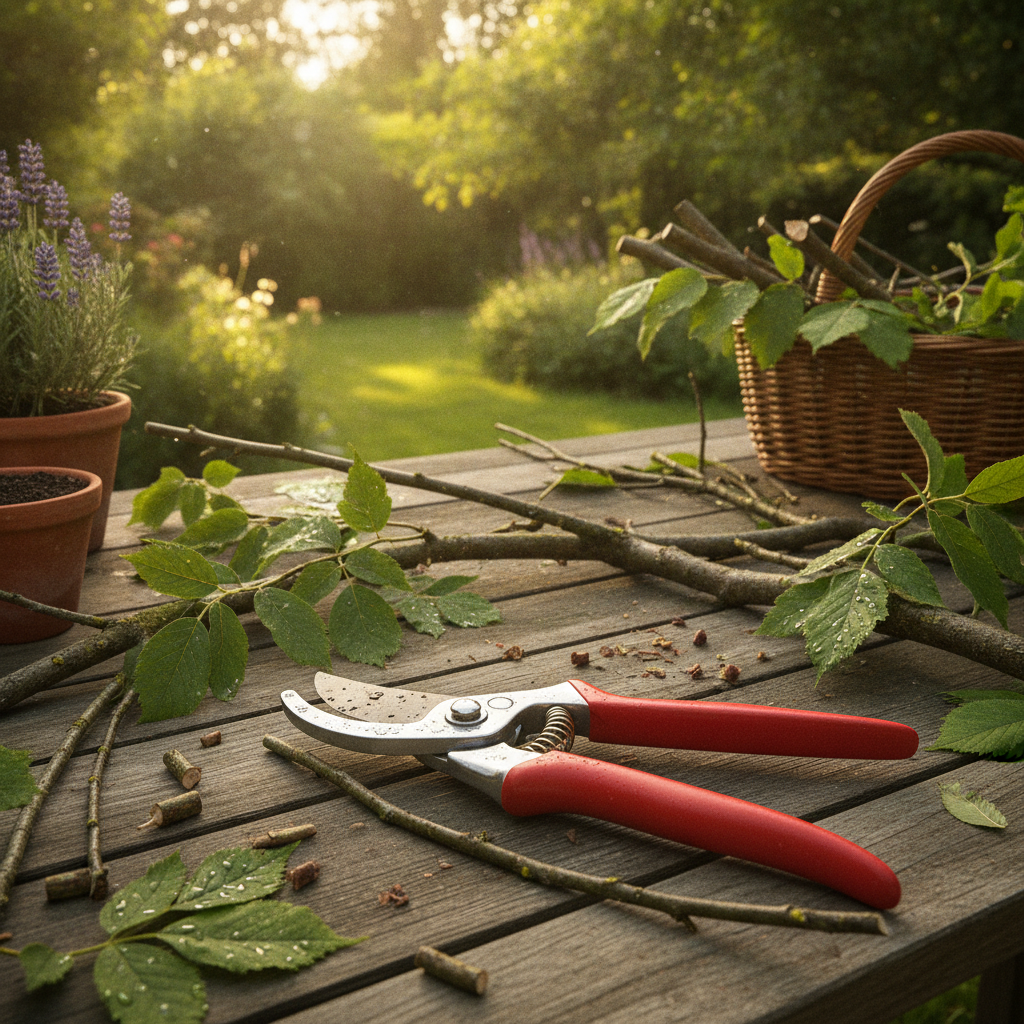
Having the right tools makes all the difference in professional tree pruning Blue Island. Quality equipment ensures clean cuts, reduces the risk of injury, and helps you work more efficiently. The most commonly used tools include hand pruners for small branches, loppers for medium-sized limbs, and pruning saws for larger branches. For tall trees, a pole pruner extends your reach without the need for ladders.
It’s important to keep your tools sharp and clean. Dull blades can crush branches, causing ragged wounds that are slow to heal. Cleaning your tools between uses helps prevent the spread of disease from one tree to another. For safety, always wear gloves and protective eyewear, and store your tools in a secure place when not in use.
Investing in high-quality tools pays off in the long run. If you’re unsure which tools are best for your needs, consult with a local garden center or tree care professional. They can recommend the right equipment for the types of trees on your property and demonstrate proper use. With the right tools in hand, you’ll be well-equipped to maintain healthy, beautiful trees throughout the year.
Table: Tree Pruning Best Practices
| Best Practice | Description | Benefit |
|---|---|---|
| Prune in Dormant Season | Most trees respond best to pruning in late winter or early spring. | Reduces stress and risk of disease. |
| Use Sharp Tools | Keep blades clean and sharp for smooth cuts. | Promotes faster healing. |
| Cut Outside Branch Collar | Avoid cutting into the collar or leaving stubs. | Minimizes risk of decay. |
| Remove Dead or Diseased Wood | Prioritize removing unhealthy branches first. | Improves tree health and safety. |
| Avoid Over-Pruning | Never remove more than 25% of a tree’s canopy at once. | Prevents stress and supports growth. |
Recognizing When to Call a Professional
While many property owners are comfortable handling minor pruning tasks, there are times when it’s best to call in the experts. Large trees, branches near power lines, or trees showing signs of disease or structural weakness require professional attention. Certified arborists have the training, equipment, and insurance to handle complex jobs safely and effectively.
Attempting to prune large or hazardous trees on your own can lead to injury or property damage. Professionals can assess the health of your trees, recommend the best course of action, and perform the work with minimal risk. They also stay up to date on local regulations, ensuring your pruning activities are compliant with community standards. If you’re ever in doubt, don’t hesitate to reach out to a trusted tree care company in the area for guidance.
Investing in professional tree pruning Blue Island services not only protects your property but also enhances the long-term health and beauty of your landscape. The peace of mind that comes from expert care is well worth the investment, especially for business owners and developers looking to maintain a polished, professional appearance.
Benefits of Regular Tree Pruning
Regular tree pruning offers a host of benefits for property owners. First and foremost, it promotes healthy growth by removing dead, diseased, or overcrowded branches. This allows more sunlight and air to reach the inner canopy, reducing the risk of fungal infections and encouraging robust development. Well-pruned trees are also less likely to suffer storm damage, as weak or overextended branches are removed before they become a hazard.
Aesthetically, pruning shapes trees to enhance your property’s curb appeal. Symmetrical, well-maintained trees create a welcoming environment for customers, tenants, or visitors. For businesses, this can translate into increased foot traffic and a more professional image. Pruning can also improve visibility, making signage and storefronts more noticeable from the street.
Finally, regular professional tree pruning Blue Island services can increase the lifespan of your trees. By addressing issues early and maintaining a healthy structure, you’ll enjoy the benefits of mature, beautiful trees for decades. Whether you’re a homeowner, business owner, or developer, the investment in regular pruning pays off in safety, value, and long-term satisfaction.
DIY Tree Pruning Tips for Property Owners
If you’re considering tackling tree pruning yourself, preparation is key. Start by assessing your trees and identifying branches that are dead, diseased, or crossing. Use sharp, clean tools and make cuts just outside the branch collar. Work slowly and step back frequently to evaluate your progress. Remember, it’s better to make several small cuts than one large, drastic cut.
Always prioritize safety. Wear gloves, safety glasses, and a hard hat, and never attempt to prune branches that are too large or high for your equipment. If you encounter any uncertainty, consult a professional. Many local companies offer consultations or can handle the more challenging aspects of the job while you focus on basic maintenance.
By following these tips and respecting the natural growth patterns of your trees, you can maintain a healthy, attractive landscape. Remember, professional tree pruning Blue Island services are always available if you need extra help or want to ensure the best possible results for your property.
Final Thoughts
Caring for your trees is an investment in the value, safety, and beauty of your property. By following these five essential tips for effective tree pruning, you’ll foster healthier trees that thrive in the local climate. Whether you choose to handle the work yourself or rely on professional tree pruning Blue Island services, the key is to approach pruning with knowledge, care, and respect for your landscape. Remember to prioritize safety, use the right tools, and seek expert guidance when needed. With a little effort and the right support, your trees will reward you with years of shade, beauty, and enjoyment.