
Regular local maintenance of your trees is essential for keeping them healthy and visually appealing. It enhances their vigor, promoting strong root systems and lush foliage, while preventing common issues like pest infestations and diseases. Well-maintained trees can boost your property value and provide important environmental benefits, such as improved air quality. Plus, seasonal care practices guarantee your trees withstand weather impacts better. Stick around to discover more about the best practices for maintaining your trees effectively.
Key Takeaways
- Regular maintenance enhances tree health, promoting strong root systems and vibrant foliage for lasting beauty and longevity.
- Well-maintained trees increase property value and curb appeal, attracting potential buyers and reducing replacement costs.
- Seasonal care practices, like pruning and soil testing, support tree resilience against pests and environmental stresses.
- Healthy trees improve air quality, support local wildlife, and contribute positively to the ecosystem and community well-being.
- Engaging local tree care services ensures professional expertise, timely interventions, and tailored care for specific regional challenges.
The Essential Benefits of Regular Tree Maintenance
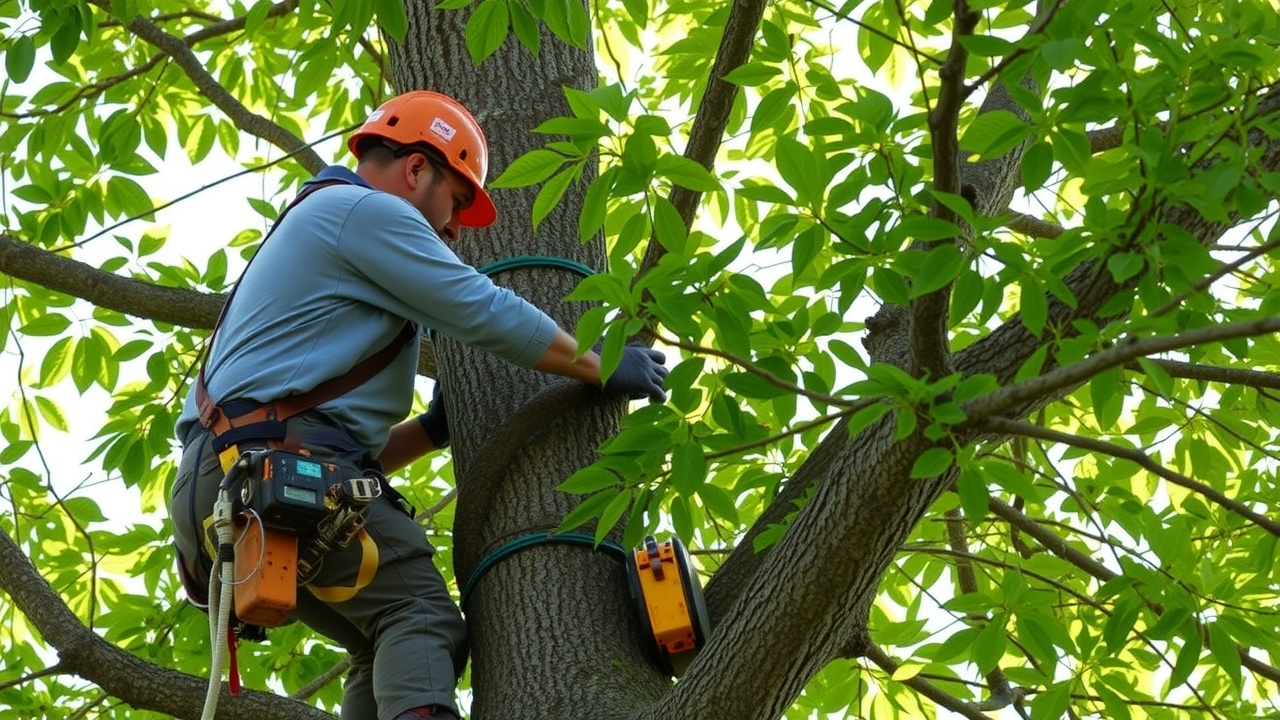
When you prioritize regular tree maintenance, you not only enhance your landscape’s beauty but also guarantee the health and longevity of your trees. Proper care guarantees that your trees receive the essential tree nutrition they need to thrive.
By understanding their growth patterns, you can identify the best times for pruning and fertilizing, which promotes stronger root systems and lush foliage. Regular maintenance helps you spot potential issues before they escalate, maintaining the significance of your trees.
Understanding tree growth patterns allows for timely pruning and fertilizing, fostering robust roots and vibrant foliage while preventing potential issues.
You’ll also encourage proper air circulation and sunlight exposure, which are essential for ideal growth. As you invest time in this care, you’ll notice how your trees adapt and flourish, contributing to a vibrant ecosystem.
Plus, well-maintained trees can increase your property’s value, making it a win-win situation. Prioritizing tree maintenance today will pay off for years to come, ensuring your outdoor space remains inviting and healthy.
Common Tree Health Issues to Watch

While caring for your trees, it’s important to stay alert for common health issues that can threaten their well-being.
Tree discoloration causes, like nutrient deficiencies or environmental stress, can be early signs of trouble. Watch for leaf drop reasons, which might indicate root system issues or improper watering effects.
Bark damage signs, such as cracks or peeling, often signal a deeper problem, potentially linked to fungal infections types that can compromise your tree’s health.
Understanding seasonal growth patterns helps you identify when something’s off. If your tree isn’t thriving during its active growth season, it could be suffering from hidden problems.
Regularly inspecting your trees for these signs allows you to take action before minor issues escalate into serious threats. Staying vigilant guarantees your trees remain healthy and beautiful, enhancing your landscape for years to come.
How Regular Tree Maintenance Impacts Property Value
Regular tree maintenance greatly boosts your property value, especially since well-cared-for trees enhance curb appeal. When you invest time and effort into maintaining your trees, you improve property aesthetics, making your home more inviting to potential buyers.
Healthy trees not only look great but also signal that the property is well taken care of, which can lead to higher offers.
Moreover, regular maintenance promotes tree longevity, ensuring that your trees thrive for years to come. This long-term investment means fewer replacement costs and a more stable environment for your home.
Buyers are often willing to pay a premium for properties with mature, healthy trees, as they provide shade, reduce energy costs, and enhance outdoor spaces.
In short, keeping your trees in top shape is a smart move that positively impacts your property’s market value and overall appeal.
Don’t overlook the importance of regular tree care!
Top Seasonal Tree Care Practices to Ensure Health
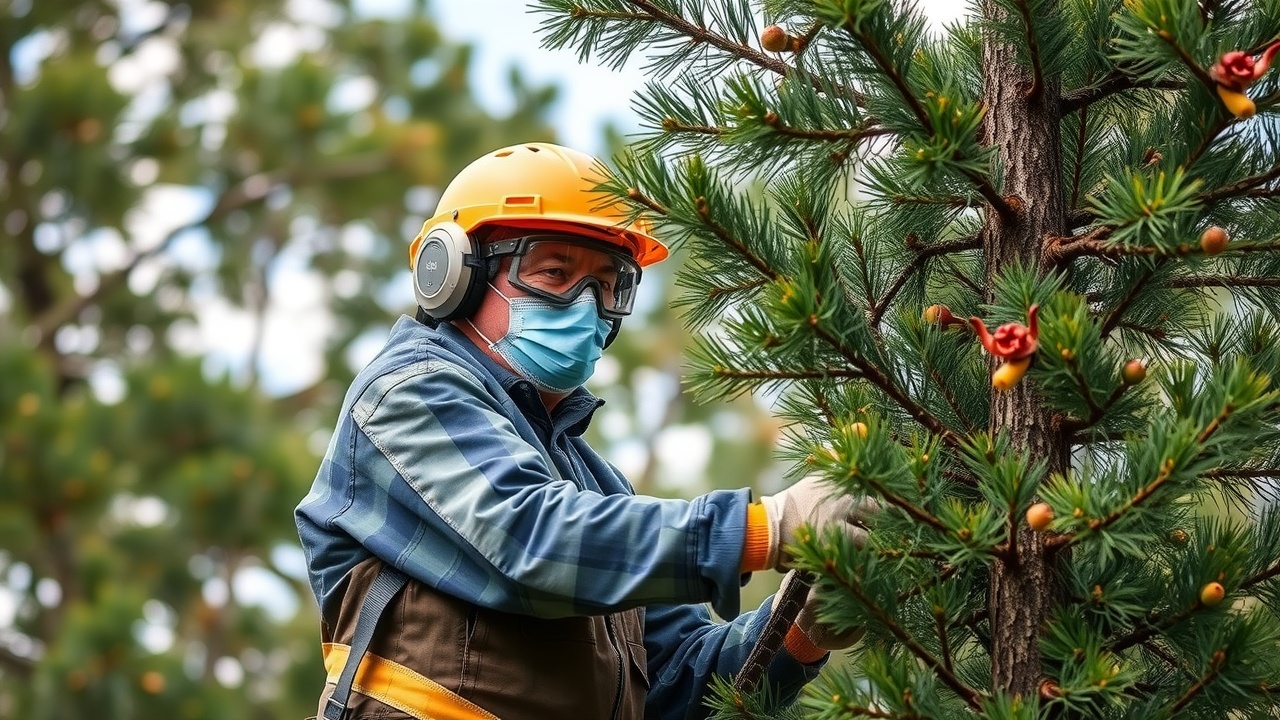
Four key seasonal tree care practices can keep your trees healthy and thriving year-round. Implementing these practices guarantees effective nutrient management and disease prevention.
| Season | Practices |
| Spring | Seasonal pruning, soil testing |
| Summer | Watering techniques, pest monitoring |
| Fall | Mulch application, leaf analysis |
| Winter | Fertilization schedules, growth assessment |
In spring, start with seasonal pruning and soil testing to promote healthy growth. Summer calls for effective watering techniques and vigilant pest monitoring. As fall approaches, apply mulch to retain moisture and conduct a leaf analysis to assess nutrient needs. Finally, winter’s the time for solid fertilization schedules and a growth assessment to prepare your trees for the next cycle. By following these practices, you’ll not only support your trees’ health but also enhance their resilience against potential threats.
Spotting Tree Pests and Diseases Early
When it comes to tree care, spotting pests and diseases early can make all the difference.
You’ll want to familiarize yourself with common tree pests and the symptoms of diseases that could harm your trees.
Keeping a close eye on your trees helps guarantee they stay healthy and vibrant.
Common Tree Pests
Although trees can enhance your landscape, they’re susceptible to various pests and diseases that can threaten their health.
Common issues include tree borers, which tunnel through trunks, weakening your tree. Aphid infestations can sap energy, leading to poor growth.
You might notice leaf spot, a fungal condition that discolors leaves, while scale insects cling to branches, sucking sap. Bark beetles can cause serious damage, and caterpillar damage often results in defoliation.
Watch for spider mites, tiny pests that create webbing and drain energy. Finally, root rot can silently undermine a tree’s foundation.
Identifying Disease Symptoms
Pest infestations often lead to serious tree diseases, making it essential to recognize symptoms early. To protect your trees, focus on effective disease identification techniques.
Start by examining leaves for discoloration; yellowing or browning can indicate stress or disease. Look for unusual spots or lesions, which might signal fungal infections or pests. Additionally, check for wilting or curling leaves, as these changes often hint at underlying issues.
Don’t forget to inspect the bark for cracks or sap oozing, both signs of potential problems. Regularly monitoring your trees allows you to catch these symptoms before they escalate, ensuring your trees remain healthy and vibrant.
Stay vigilant, and your trees will thank you for it!
The Role of Tree Pruning for Health and Safety
Tree pruning plays an essential role in maintaining your trees’ health and safety.
By removing dead or overgrown branches, you not only prevent hazards but also enhance the overall appearance of your landscape.
Let’s explore how proper pruning techniques can benefit both you and your trees.
Enhancing Tree Health
When it comes to maintaining the vigor of your landscape, pruning plays an essential role in enhancing tree health and ensuring safety. Proper pruning techniques help promote strong growth patterns and improve canopy management.
By removing dead or diseased branches, you not only boost tree nutrition but also enhance pest resistance and disease prevention. Additionally, pruning encourages better soil aeration and root health, allowing trees to absorb water and nutrients more effectively.
Combine this with seasonal watering and mulch application to maintain moisture levels and protect roots. Regular pruning supports a tree’s overall robustness, ensuring it thrives in your landscape while minimizing risks associated with overgrown branches.
Prioritize your trees’ health through thoughtful, consistent care.
Preventing Hazards Effectively
Proper pruning not only enhances tree health but also plays a significant role in preventing hazards.
Regular tree maintenance helps you identify potential dangers during a tree risk assessment, ensuring safety for you and your property.
Here are four key benefits of effective pruning for hazard identification:
- Removing Dead Branches – This prevents them from falling and causing injury or damage.
- Thinning Canopy – A well-managed canopy reduces wind resistance, minimizing the chance of uprooting.
- Improving Visibility – Clear sightlines around trees help spot hazards early.
- Encouraging Strong Growth – Healthy trees are less likely to develop structural issues, reducing potential risks.
Promoting Aesthetic Appeal
While you might think of tree pruning solely as a safety measure, it also plays an important role in enhancing the aesthetic appeal of your landscape.
Aesthetic pruning can dramatically improve tree color and foliage texture, contributing to visual impact. By selectively removing branches, you allow seasonal blooms to flourish, adding vibrancy and life to your yard. This not only creates landscape harmony but also maximizes shade benefits, making your outdoor space more enjoyable.
In urban settings, well-maintained trees can elevate urban beautification efforts, transforming streetscapes and parks. Regular pruning guarantees your trees look their best, fostering a welcoming environment and enhancing your property’s overall charm.
Why Healthy Soil Matters for Your Trees
Healthy soil is essential for your trees’ growth and health. The right soil composition promotes a balanced nutrient supply, ensuring your trees thrive. Here’s why healthy soil matters:
Healthy soil is vital for your trees, providing essential nutrients and promoting robust growth for thriving ecosystems.
- Nutrient Balance: It provides essential nutrients, supporting root health and overall vigor.
- Moisture Retention: Good soil retains moisture, preventing drought stress while avoiding drainage issues.
- Microbial Activity: Active microbes break down organic matter, enhancing nutrient availability and improving soil acidity.
- Aeration Techniques: Proper aeration allows roots to breathe, fostering a healthy environment for growth.
Regular soil testing helps you understand its composition and nutrient balance.
How Weather Affects Tree Vulnerability?
Weather plays an essential role in your tree’s health and vulnerability.
Seasonal changes can stress trees, making them more susceptible to damage during storms. Understanding these impacts helps you prepare and protect your trees effectively.
Seasonal Weather Impacts
As storms roll in and temperatures shift, trees can become vulnerable to a variety of seasonal weather impacts. To help your trees thrive, consider these factors:
- Temperature fluctuations can stress trees, making them susceptible to frost damage and affecting their drought resistance.
- Moisture retention is vital; dry spells can lead to climatic stress if roots aren’t well-protected.
- Wind resilience is essential during storms; trees need proper seasonal pruning to strengthen their structure.
- Implementing seasonal fertilization helps enhance weather adaptation, ensuring trees are better equipped to handle extremes.
Storm Damage Risks
Trees face heightened vulnerability during storms, especially when they’ve already endured seasonal stresses. High winds, heavy rain, and snow can weaken branches and roots, increasing the risk of damage.
To protect your trees, implement storm preparedness strategies like regular pruning and health assessments. These steps can help strengthen tree structures and improve resilience.
Additionally, consider exploring tree insurance options. This can provide financial peace of mind in case your trees suffer severe damage or need removal after a storm.
Environmental Benefits of Well-Maintained Trees
While you might think of trees primarily as aesthetic additions to your landscape, their environmental benefits are truly remarkable.
Well-maintained trees play a significant role in enhancing your local ecosystem and overall quality of life. Here are some key benefits:
- Carbon Sequestration: Trees absorb carbon dioxide, helping to combat climate change.
- Wildlife Habitat: They provide shelter and food for birds, insects, and other wildlife, enriching biodiversity.
- Air Quality: Trees filter pollutants, improving the air you breathe and promoting better health.
- Urban Cooling: Their shade reduces heat in urban areas, lowering energy costs and enhancing comfort.
Choosing the Right Local Tree Care Services
How do you choose the right local tree care services? Start by checking tree service qualifications. Look for certified arborists or professionals with a solid background in tree care. This guarantees they’ve the expertise to handle your trees properly.
Next, read local service reviews. These can give you insight into other customers’ experiences and the quality of work provided. Pay attention to feedback about their reliability, professionalism, and safety practices.
Don’t hesitate to ask for references or examples of past work. A reputable service should be happy to share this information.
Finally, get multiple quotes to compare prices and services offered. While cost is important, don’t sacrifice quality for a lower price.
DIY Tree Care Tips for Homeowners
Maintaining your trees can be straightforward with a few essential DIY tips. By regularly caring for your trees, you can guarantee their health and beauty for years to come.
Regular tree care is simple and essential for ensuring their lasting health and beauty.
Here are four key practices to take into account:
- Tree Watering: Deep-water your trees during dry spells to promote root health. Aim for a slow soak to encourage growth.
- Soil Testing: Test your soil to determine nutrient needs. This helps in choosing the right seasonal feeding for best growth.
- Pest Control: Regularly inspect for pests. Use natural methods or targeted treatments to keep your trees healthy without harmful chemicals.
- Mulching Techniques: Apply mulch around the base to retain moisture and regulate temperature, aiding in canopy management.
Frequently Asked Questions
How Often Should Trees Be Inspected for Maintenance Needs?
You should inspect your trees at least once a year for maintenance needs. Regular check-ups help guarantee tree health and effective pest management, allowing you to address issues before they become serious problems.
Can Tree Maintenance Be Done Year-Round?
Yes, you can maintain trees year-round, but seasonal considerations matter. In your local climate, timing affects growth patterns and health, so plan maintenance activities according to seasonal changes for best results and tree health.
What Equipment Is Used for Tree Maintenance?
You’ll need pruning shears, saws, and chippers for tree maintenance. Incorporating pest management tools, soil health testers, and safety gear guarantees effective seasonal care, promoting tree growth while managing maintenance costs and addressing tree diseases.
Are There Specific Trees That Require More Frequent Care?
Yes, some tree species, like fruit trees or fast-growing varieties, require more frequent care. You should prioritize maintenance based on their specific needs, ensuring they stay healthy and thrive in your landscape.
How Can I Tell if My Tree Maintenance Is Effective?
You can tell your tree maintenance is effective by observing signs like vibrant leaves, strong growth, and minimal pests. Healthy trees reflect proper care, so regularly check for these maintenance signs to guarantee tree health.
Final Thoughts
Regular local tree maintenance is an investment in both safety and long-term value. Healthy, well-maintained trees are more resilient to pests, disease, and severe weather, while also enhancing curb appeal and supporting the local environment. Staying proactive with pruning, soil care, and seasonal inspections helps prevent small issues from turning into costly problems—and ensures your trees remain an asset, not a liability.
If you want dependable, professional support, Prime Tree Care, Inc offers trusted local solutions tailored to your area. From precision tree pruning and routine tree trimming to full tree removal and responsive emergency tree service, our experienced team is equipped to keep your trees healthy and your property protected. You can also explore our complete range of tree care services to find the right solution for your needs.
Take the next step toward healthier trees and peace of mind—connect with Prime Tree Care, Inc today through our Contact Us page to schedule a local tree maintenance consultation.