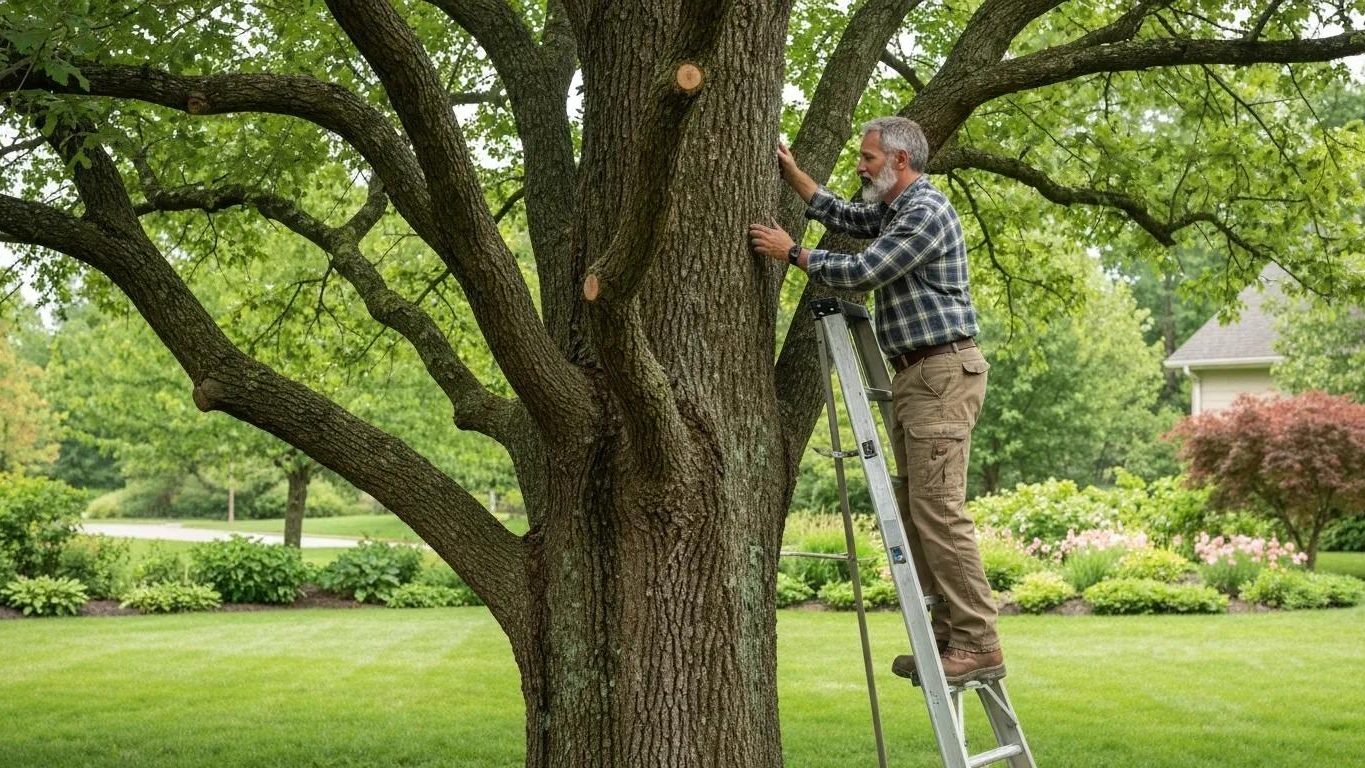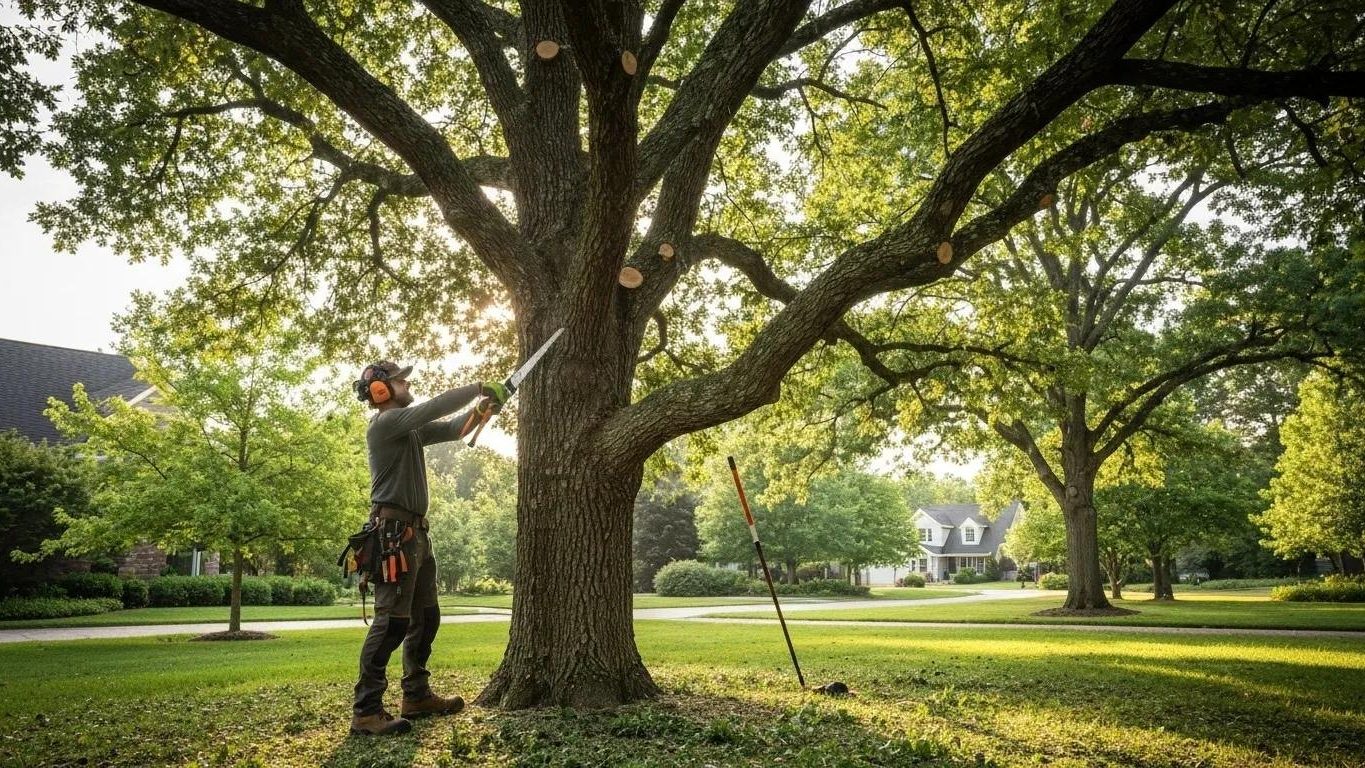
Most property owners walk past their trees every day without thinking twice, until a storm snaps a limb or a diseased trunk starts leaning toward the house. Understanding Tree Care Importance Blue Island residents can rely on starts with a simple idea: trees are living assets that need regular attention, just like a roof, a furnace, or a vehicle. When they are maintained well, they raise property values, cut cooling costs, clean the air, and create the kind of curb appeal that makes a street feel welcoming. When they are ignored, they become liabilities that can damage buildings, injure people, and trigger expensive emergency calls.
This guide is written for small business owners who manage commercial lots, developers planning new sites, and everyday homeowners who simply want a healthier yard. We will walk through why proper care matters, what warning signs to watch for, how seasons change the work, what pruning and removal involve, and how to choose a qualified professional. Along the way you will find practical checklists, a quick-reference table, and straightforward advice you can put to use right away.
Whether you manage one oak or two hundred trees across a property portfolio, the principles are the same. Consistent, informed care protects people, protects investments, and protects the green character that makes a neighborhood worth living in.
Why Tree Care Matters in Blue Island
Every tree on your property is growing, aging, and responding to its environment whether you pay attention or not. The question is whether that growth is guided or left to chance. Guided growth means strong structure, balanced canopies, and healthy roots. Unguided growth often means weak branch unions, crowded crowns, and hidden decay that only becomes obvious after something fails. For related information, see Blue Island tree care significance.
In an established urban setting, trees share space with sidewalks, driveways, power lines, and buildings. That tight footprint leaves little margin for error. A single overextended limb can scrape a roof, and a compacted root zone can slowly starve a tree that looks fine from the street. Understanding the Blue Island tree care significance helps owners see that maintenance is not cosmetic. It is risk management, value protection, and environmental stewardship rolled into one routine that pays off for decades.
Healthy trees also quietly reduce stress on public infrastructure by absorbing stormwater, shading pavement, and moderating summer heat across the whole block.
Tree Care Importance Blue Island, IL Owners Should Know
Property owners often treat trees as a background feature until a problem forces a decision. Shifting that mindset is the single most valuable step you can take. A proactive plan means scheduled inspections, planned pruning cycles, and a budget line that anticipates maintenance instead of reacting to crises. Reactive work is almost always more expensive, more disruptive, and more dangerous. For additional service details and local availability, readers can visit our site.
For commercial owners, the stakes include liability. A falling branch in a parking lot can lead to injury claims, vehicle damage, and lost business while the area is closed. For homeowners, the stakes include insurance disputes and repair bills. Documenting regular care shows diligence and can strengthen your position if something unexpected does happen.
Beyond risk, there is a clear financial upside. Mature, well-kept trees are consistently associated with higher property values and faster sales. Buyers and tenants respond to shade, greenery, and a sense of permanence. If you want your landscape to work for you rather than against you, a structured care program is the most reliable path, and for service details you can visit our site to see what a professional program looks like.
Tree Care Importance Blue Island, Illinois Homeowners and Businesses Face
The Midwest delivers a demanding mix of conditions: humid summers, freezing winters, ice storms, and sudden straight-line winds. Trees here must tolerate dramatic swings, and species that thrive in one decade can struggle in the next as pests and diseases move through the region. Emerald ash borer, oak wilt, and various fungal infections have reshaped local canopies, and owners who ignore early symptoms often lose specimens that could have been saved. For related information, see tree health.
Soil is another factor. Compacted clay, construction fill, and road salt runoff all stress roots. A tree can decline slowly for years before leaf color, thinning crowns, or dead tips reveal the underlying trouble. Regular evaluation of tree health catches these gradual declines while treatment is still practical.
Businesses and developers face additional challenges, including protecting trees during construction, maintaining clear sightlines for signage and safety, and complying with municipal rules on removals and replacements. Planning around existing trees from the start saves money and preserves the mature canopy that no new planting can replicate for decades.
Choosing a Qualified Local Tree Care Professional
Not every person with a chainsaw is an arborist. Climbing, rigging, and pruning near structures and power lines are skilled tasks, and mistakes can be catastrophic. Before hiring anyone, ask about certifications, insurance coverage, and workers compensation. A reputable company will provide proof without hesitation and will explain the scope of work in plain language.
Look for a team that offers written estimates, describes the pruning method they plan to use, and refuses harmful practices such as topping. Reviews from neighbors and local businesses are useful, and an established operation like Prime Tree Care, Inc can be evaluated through public feedback and a visible service history.
Finally, trust your impression of communication. A good arborist listens to your goals, explains tradeoffs honestly, and is willing to say when a tree does not need work. That candor is a stronger signal of quality than the lowest price on a quote.
Warning Signs Your Trees Need Attention
Trees communicate distress, but only if you know the language. Learning a handful of warning signs lets you act early, when solutions are simpler and cheaper. Walk your property a few times per year with fresh eyes and look for changes you did not notice before.
- Dead or hanging branches, especially over roofs, driveways, or walkways.
- Cracks, splits, or cavities in the trunk or at branch unions.
- Mushrooms or conks growing at the base, which often signal internal decay.
- Leaning that is new or worsening, particularly after storms or soil movement.
- Sparse foliage, early leaf drop, or discolored leaves out of season.
- Exposed or damaged roots, heaved soil, or lifting pavement nearby.
Any one of these signs deserves a professional look. Several together suggest a tree with elevated failure risk. Do not wait for the next windstorm to find out whether a questionable limb will hold.
Seasonal Tree Care Importance Throughout the Year
Different seasons call for different tasks, and timing influences how well a tree recovers. Winter is ideal for structural pruning on many species because the absence of leaves reveals branch architecture and dormant trees tolerate cuts well. It is also the easiest time to move equipment across frozen ground without damaging turf.
Spring is the moment to inspect for storm damage, check for early pest activity, and apply mulch correctly. Summer demands attention to watering during dry spells, particularly for young trees still establishing roots. Fall is a smart time for planting, fertilization where soil tests justify it, and a final hazard review before snow and ice arrive.
Some species have specific restrictions. Oaks, for instance, should generally not be pruned during warmer months because of disease vectors that are active then. Following a seasonal calendar tailored to your tree mix prevents costly missteps and keeps the whole canopy on a predictable, manageable rhythm.
Pruning and Trimming Done the Right Way
Pruning is both science and craft. The goal is to remove dead, diseased, or hazardous wood, improve structure, and maintain clearance without stripping the tree of the leaf area it needs to feed itself. Proper cuts are made just outside the branch collar so the tree can seal the wound naturally.
Avoid the temptation to remove too much at once. A common guideline is to take no more than a quarter of the live canopy in a single session. Heavy cuts shock the tree, trigger weak sprouting, and open the door to decay organisms. Topping, which chops major limbs to stubs, is among the most damaging practices and should be refused outright.
Good pruning also pays attention to young trees. Shaping a sapling over its first several years builds a strong central leader and well-spaced scaffold branches, preventing the expensive corrections that mature trees with poor structure require later. A little guidance early on creates a lifetime of stability.
When Removal Becomes the Safest Choice
Removal is never the first option, but it is sometimes the responsible one. A tree with extensive trunk decay, a major structural defect, or severe root failure may pose a risk that no amount of pruning can fix. Species killed by pests, such as ash trees infested beyond recovery, also become brittle and dangerous as they dry out.
A professional assessment weighs the tree’s condition, its target zone (what would be hit if it fell), and the likelihood of failure. If people, vehicles, or structures are within range, the balance tips toward removal sooner. Cutting a hazardous tree on your own schedule is far safer than a forced emergency response after it comes down.
Plan for the aftermath too. Stump grinding restores usable space, prevents regrowth, and eliminates trip hazards. Consider replanting with a species suited to the site so the canopy you lose today is replaced by something healthier for tomorrow.
Protecting Roots, Soil, and Long-Term Health
What happens underground determines what happens above. Roots need oxygen, moisture, and loose soil to function, yet they are routinely buried under pavement, compacted by vehicles, or smothered by piled mulch. Protecting the root zone is one of the most effective things an owner can do.
Apply mulch in a wide, shallow ring about two to four inches deep, keeping it pulled back from the trunk. Volcano mulching, where material is heaped against the bark, traps moisture and invites rot. Keep heavy equipment and stored materials off the root zone, and water deeply but infrequently during dry weather rather than giving shallow, frequent sprinkles.
If you are building, trenching, or repaving near a tree, consult an arborist first. Cutting major roots can destabilize a tree and cause decline years later. A simple protective fence around the critical root zone during construction is inexpensive insurance for a valuable asset.
Quick Reference: Tree Care Tasks and Timing
Use the table below as a simple planning aid. Exact timing varies by species and site conditions, so treat it as a starting point and adjust with professional guidance.
| Task | Best Timing | Primary Benefit |
|---|---|---|
| Structural pruning | Late winter | Strong branch architecture |
| Hazard inspection | Spring and fall | Early risk detection |
| Mulching | Spring | Moisture and root protection |
| Deep watering | Dry summer periods | Reduced drought stress |
| Planting new trees | Early fall or spring | Strong root establishment |
| Hazard removal | As soon as identified | Injury and damage prevention |
The Business and Community Case for Healthy Trees
For small business owners, trees are part of the brand. A shaded, tidy entrance signals care and professionalism, and customers are more likely to linger in a pleasant outdoor space. Shade also lowers cooling costs and makes parking lots more comfortable, which quietly improves the customer experience.
Developers benefit as well. Retaining mature trees on a site can raise the appeal and sale price of a project, while thoughtful species selection reduces long-term maintenance obligations for future owners. Many municipalities also encourage or require canopy preservation, so early planning reduces permitting friction.
At the community level, trees filter air, absorb stormwater, shelter wildlife, and soften the harshness of paved surfaces. Neighborhoods with strong canopies tend to feel calmer and more connected. Every well-tended tree contributes a small share of that collective benefit, which is why individual maintenance decisions matter far beyond a single property line.
Final Thoughts
Trees reward patience and punish neglect. The owners who enjoy the greatest benefits are rarely the ones who spend the most, but the ones who pay steady attention: inspecting regularly, pruning with purpose, protecting roots, and acting quickly when warning signs appear. That consistent approach is the heart of Tree Care Importance Blue Island property owners can put into practice right away, and it applies equally to a single backyard maple and a large commercial campus.
To bring it together, start with an honest walk-through of your property. Note any dead limbs, leaning trunks, or stressed canopies. Schedule a professional evaluation, build a simple seasonal calendar, and set aside a modest annual budget for upkeep. Choose a qualified, insured arborist who communicates clearly and respects the biology of the trees in your care.
Remember that every decision compounds over time. A well-timed pruning today prevents a structural failure years from now. A properly mulched root zone keeps a tree vigorous through drought and storm. A thoughtful replacement planting ensures that shade and beauty continue for the next generation. Trees are among the few assets that can grow more valuable with age when they are looked after correctly, and the effort you invest now will return itself many times over in safety, savings, and a landscape you are proud to show off.