Every homeowner eventually wonders about the trees in their yard. Are they healthy? Is that dead branch dangerous? Should you trim it yourself or call someone? If you have been searching for clear FAQs Tree Pruning Blue Island residents can trust, you are in the right place. Trees are valuable assets that add shade, curb appeal, and property value, but they also need regular, informed attention to stay safe and beautiful.
Pruning sounds simple, yet it is one of the most misunderstood parts of yard maintenance. A cut made at the wrong time, in the wrong place, or with the wrong tools can invite disease, weaken structure, and shorten a tree’s life. On the other hand, smart pruning improves airflow, encourages strong growth, reduces storm risk, and keeps branches away from roofs, wires, and walkways.
This guide answers the questions we hear most often from homeowners, property managers, and small business owners. You will learn when to prune, how much is too much, what it costs, how to spot trouble, and when it is time to bring in a certified professional. Whether you manage a commercial lot, a rental property, or a single family yard, these answers will help you make confident decisions. Let us dig into the details so your trees can thrive for decades to come.
FAQs Tree Pruning Blue Island Homeowners Ask Most
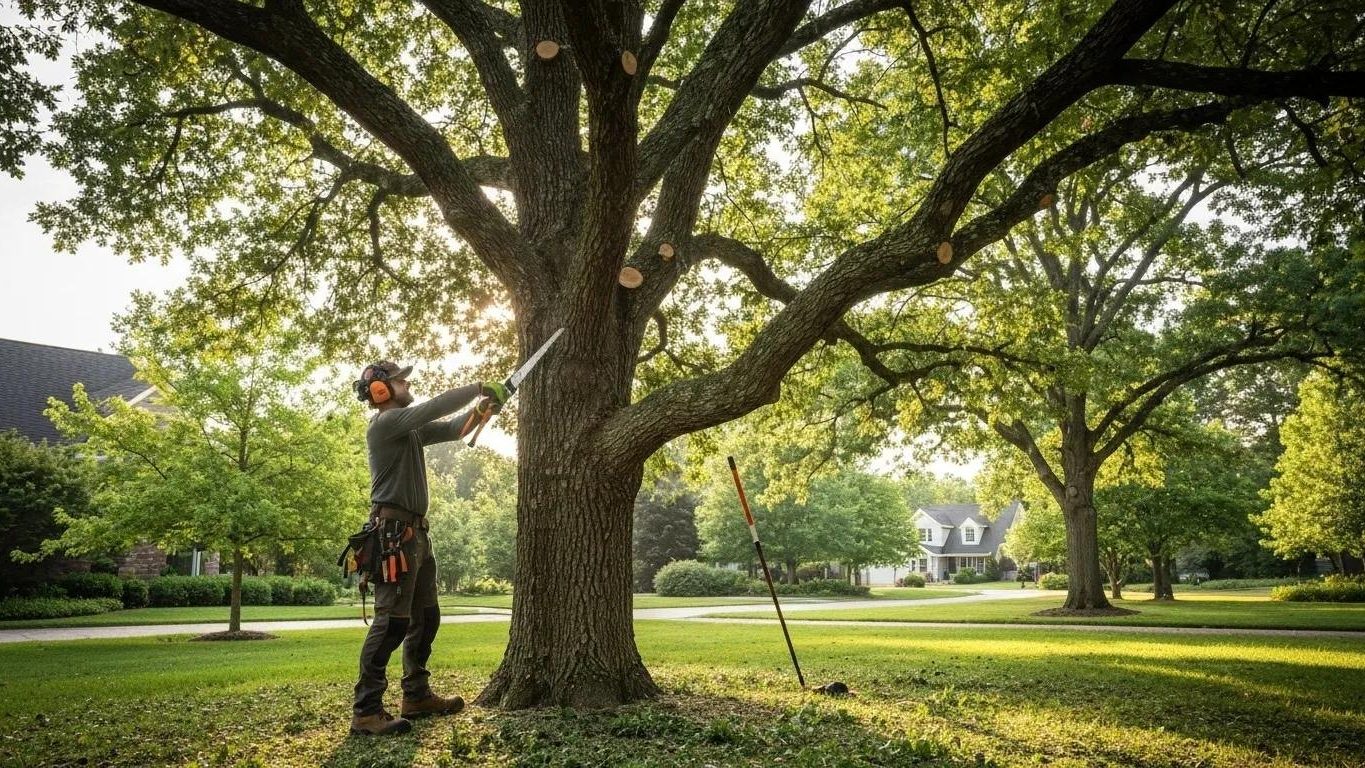
The most common question is simply, what does pruning actually accomplish? Pruning is the selective removal of branches to improve a tree’s health, safety, and appearance. It is not the same as topping, which is the harmful practice of chopping off large limbs and leaving stubs. Proper pruning follows the natural shape of the tree and removes only what is necessary. For related information, see tree care.
Homeowners also ask whether pruning is truly needed if a tree looks fine. The answer is yes, because problems often develop out of sight. Crossing branches rub together and create wounds. Dense canopies trap moisture and encourage fungus. Weak attachments can fail without warning during a windstorm. Routine pruning catches these issues early.
Another frequent question involves safety. Overgrown limbs near power lines, roofs, and driveways create real hazards. Regular professional tree care keeps those risks under control and protects your family, vehicles, and property. If a tree is beyond saving, a qualified crew can also advise on removal and replanting options so your landscape stays balanced.
Tree Pruning FAQs: When Is the Best Time to Prune in IL?
Timing matters more than most people realize. For the majority of species in this region, late winter to early spring, while the tree is still dormant, is the ideal window. Without leaves, the branch structure is easy to see, cuts heal quickly once growth resumes, and insects and diseases are less active. For additional service details and local availability, readers can visit our site.
Some trees follow different rules. Spring flowering trees such as dogwood and redbud should be pruned right after they bloom, otherwise you remove next year’s flowers. Oaks should be pruned in the cold months to avoid oak wilt, a serious disease spread by beetles during warm weather. Maples and birches tend to bleed sap when cut in early spring, so many arborists prefer to prune them in summer or fall.
Dead, broken, or hazardous branches are the exception. Those should be removed any time of year, because safety comes first. If a storm snaps a limb or you notice a hanging branch, do not wait for the perfect season. A professional can assess the damage and make clean, proper cuts that protect the tree from further harm.
Your Guide to Tree Pruning FAQs in Blue Island, Illinois
Local conditions shape how trees grow, so local knowledge makes a difference. Midwestern weather brings hot humid summers, freezing winters, heavy snow, ice, and sudden thunderstorms. Each of these puts stress on branches, especially on older trees with weak unions or hidden decay. For related information, see Prime Tree Care, Inc.
Common species in the area include silver maple, ash, oak, elm, and honey locust. Silver maples, for instance, grow fast but have brittle wood that splits in strong wind. Ash trees face the ongoing threat of emerald ash borer, which makes careful monitoring essential. Knowing the quirks of each species helps a pruner decide how aggressively to cut and which branches to keep.
Many property owners prefer working with a team that understands these regional challenges. If you want a hands-on assessment of your yard, visit our site to request an evaluation and get personalized recommendations based on your trees, your goals, and your budget.
How Often Should Trees Be Pruned?
There is no single schedule that fits every tree, but general guidelines help. Young trees benefit from light structural pruning every one to three years, which trains a strong central leader and well spaced branches. This early investment prevents costly corrections later.
Mature trees usually need attention every three to five years. Fast growing species or trees near structures may need more frequent visits. Older, established trees often require only deadwood removal and minor thinning, but they should be inspected regularly for signs of decline.
Rather than following a rigid calendar, watch your trees. Branches touching the roof, limbs growing toward utility lines, thick crowded canopies, and excessive deadwood all signal that it is time. A seasonal walk around your property takes only a few minutes and can save you from emergency calls after the next big storm.
What Does Professional Tree Pruning Cost?
Pricing depends on several factors, and reputable companies explain them openly. Tree height, trunk size, species, accessibility, and the amount of work needed all influence the final quote. A small ornamental tree may cost little, while a tall mature oak near power lines requires specialized equipment and a larger crew.
Other cost drivers include debris cleanup and hauling, stump grinding if a tree is removed, and emergency or after-hours service. Always ask for a written estimate that spells out exactly what is included. Be wary of unusually low bids, which can signal missing insurance or poor workmanship.
The table below gives a general idea of what influences price, though every property is different.
| Tree Size | Typical Work | Main Cost Factors |
|---|---|---|
| Small (under 25 ft) | Shaping and deadwood removal | Time on site, cleanup |
| Medium (25 to 50 ft) | Thinning and clearance cuts | Equipment, crew size |
| Large (over 50 ft) | Crown reduction and hazard removal | Access, risk, specialized gear |
Can I Prune Trees Myself or Should I Hire a Pro?
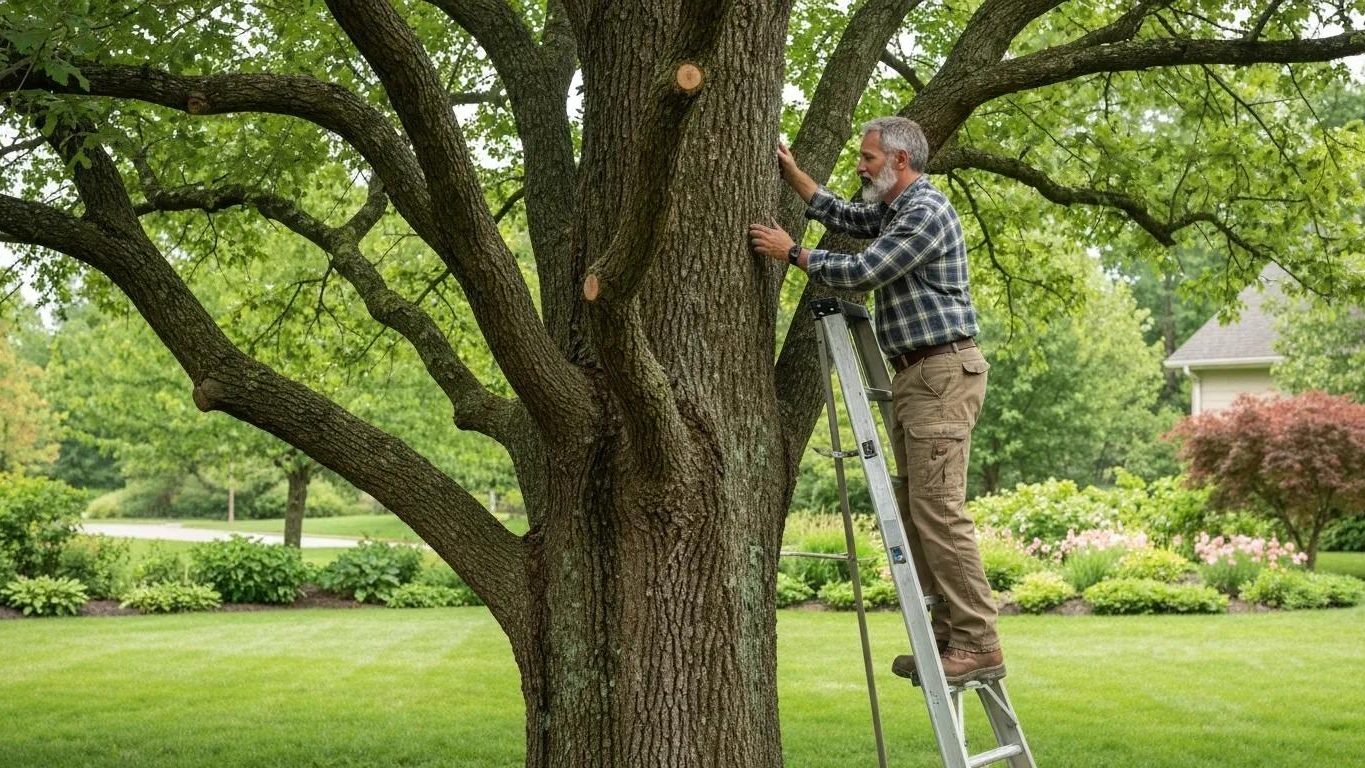
Small jobs within reach from the ground are often fine for a careful homeowner. Snipping low branches under two inches thick with sharp, clean hand pruners or loppers is reasonable. Always cut just outside the branch collar, the slightly swollen area where the branch meets the trunk, and never leave stubs.
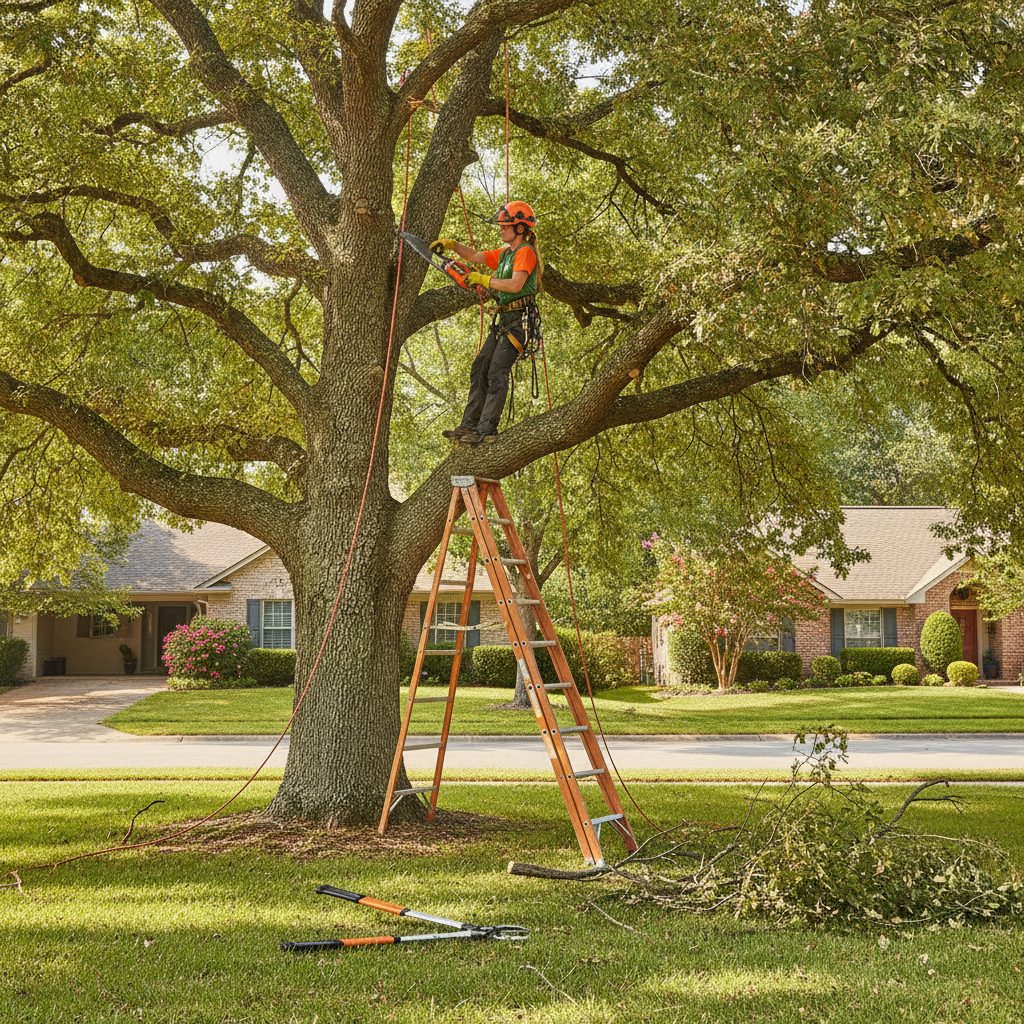
Anything involving ladders, chainsaws, high limbs, or proximity to power lines is a different story. Tree work consistently ranks among the most dangerous residential tasks, and falls and chainsaw injuries send many people to the hospital every year. A professional crew brings training, insurance, rigging, and protective equipment.
Beyond safety, there is the matter of tree health. An experienced arborist understands how each species responds to cuts and can predict how a tree will grow back. Hiring a pro is not just about avoiding injury, it is about protecting the long term value of your landscape.
How Much Can Be Safely Removed at Once?
A widely accepted rule is to remove no more than 25 percent of a tree’s live canopy in a single season. Taking more stresses the tree, reduces its ability to produce food through photosynthesis, and can trigger weak, bushy regrowth called water sprouts.
Mature trees are less tolerant of heavy cutting than young ones. If a tree needs significant correction, a good arborist will spread the work across multiple seasons. This approach respects the tree’s biology and gives it time to recover between sessions.
Avoid the temptation to remove all lower branches to create an open trunk, or to cut a tree back severely to control its size. If a tree is simply too large for its space, replacement with a better suited species is often wiser than repeated hard cutting that damages its structure.
Warning Signs Your Tree Needs Attention
Trees communicate distress if you know how to read the signals. Watch for these common red flags:
- Dead or hanging branches, especially over walkways or roofs
- Cracks, splits, or deep cavities in the trunk
- Mushrooms or fungus growing at the base
- Leaning that appears sudden or worsening
- Thin, sparse foliage or early leaf drop
- Branches rubbing against each other or touching power lines
Any one of these deserves a professional look. Some issues, such as a dead branch, are simple fixes. Others, like a cracked trunk or root decay, may indicate a tree that is no longer stable. Early detection often means a simpler, less expensive solution and can prevent property damage during the next major storm.
What Should I Look for in a Tree Service Company?
Choosing the right company protects both your trees and your wallet. Start by confirming that the company carries liability insurance and workers’ compensation. If an uninsured worker gets hurt on your property, you could be held responsible.
Ask about certifications, such as an ISA Certified Arborist on staff, and request local references. Reputable companies will happily provide written estimates, explain their methods, and walk you through the proposed work. Be cautious of anyone who knocks on your door after a storm pressuring you to decide immediately, or who recommends topping as a solution.
Read online reviews and look at the consistency of feedback. When you want a trusted local option, look up Prime Tree Care, Inc and see how past customers describe the quality of their work, their professionalism, and their cleanup. Good companies earn their reputation one satisfied property owner at a time.
Common Pruning Mistakes to Avoid
Even well meaning owners make errors that harm their trees. Topping is the most damaging, since it removes the main leader, creates large wounds that rot, and triggers weak sprouts that break easily. Flush cuts, which remove the branch collar, slow healing and invite decay. Leaving stubs does the opposite and also delays closure.
Using dull or dirty tools is another trap. Dull blades crush tissue instead of cutting cleanly, and unsanitized tools can spread disease from tree to tree. Sterilize blades with rubbing alcohol between cuts when working on diseased plants.
Finally, many people apply wound paint or sealant after cutting. Research shows this is unnecessary and can trap moisture. Trees heal themselves through a process called compartmentalization, and clean, properly placed cuts are all they need. Avoiding these mistakes keeps your trees strong and your landscape looking its best.
Your Next Steps
Healthy, well maintained trees are one of the best investments you can make in your property. By understanding the basics covered in these FAQs Tree Pruning Blue Island property owners can approach tree care with confidence rather than guesswork. Prune at the right time of year, remove only what is necessary, watch for warning signs, and never take unnecessary risks with ladders or chainsaws.
Remember the key points. Late winter is usually the best pruning season, though dead or dangerous limbs should come off anytime. Keep removal under 25 percent of the canopy. Avoid topping, flush cuts, and wound sealants. Budget for regular inspections, since small, inexpensive fixes today prevent expensive emergencies tomorrow. And when a job involves height, power lines, or large limbs, hire a licensed, insured, certified professional.
Choosing the right partner makes everything easier. A reliable crew will assess your trees honestly, explain your options clearly, and leave your yard clean when the work is done. If you are ready to get started, check out the local reviews and reach out to Prime Tree Care, Inc for a trusted team that treats your trees like their own. With the right knowledge and the right help, your trees can stay healthy, safe, and beautiful for generations.