
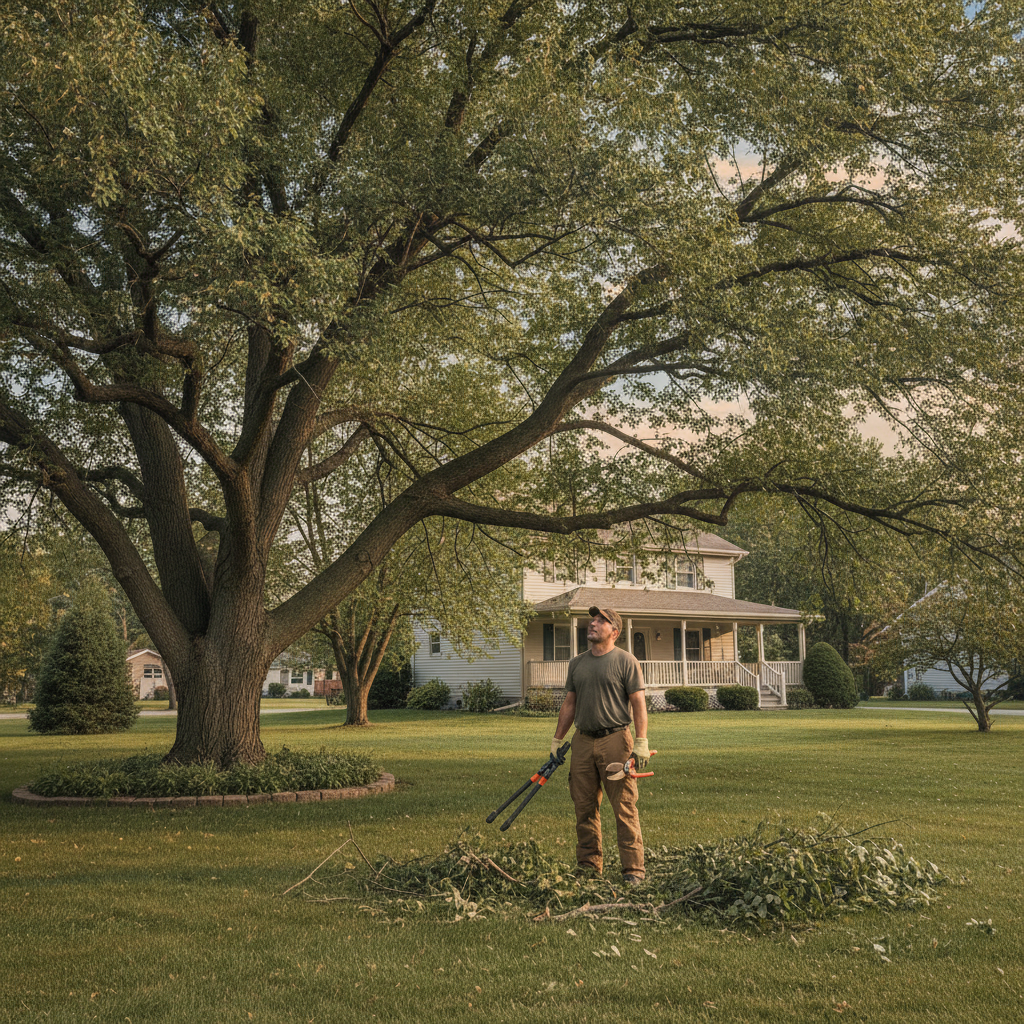
Trees are a vital part of our neighborhoods, offering beauty, shade, and environmental benefits. However, when trees become overgrown, they can pose significant risks to property, safety, and even business operations. For small business owners, developers, and residents in the area, understanding the dangers of overgrown trees is crucial. This article explores the risks associated with neglected trees, the importance of timely maintenance, and the decision between pruning and removal. We’ll also discuss the process, costs, and how to make the best choice for your property. Whether you’re managing a commercial lot, a residential property, or a development site, knowing how to handle overgrown trees Blue Island style can protect your investment and keep your surroundings safe. Let’s dive into what you need to know to make informed decisions about tree care in your community.
The Risks of Overgrown Trees in Blue Island
Overgrown trees can quickly become a hazard if left unchecked. Their sprawling branches may interfere with power lines, block signage, or even encroach on neighboring properties. For business owners, this can mean reduced visibility, potential legal disputes, and a negative impression on customers. In addition, dense canopies can obscure security cameras, making properties more vulnerable to theft or vandalism. The weight of overgrown branches also increases the risk of breakage during storms, potentially causing property damage or personal injury. If you’re unsure about the safety of your trees, visit our site to connect with local experts who can assess your property’s needs. Addressing overgrown trees proactively is essential for maintaining a safe and attractive environment, both for your business and the wider community. For additional service details and local availability, readers can visit our site.
Managing Overgrown Trees in Blue Island, IL
In this city, property owners must be vigilant about tree maintenance to avoid costly problems. Overgrown trees can block sidewalks, disrupt traffic, and even damage underground utilities with invasive roots. Local ordinances may require property owners to keep trees trimmed to ensure public safety and accessibility. Ignoring these responsibilities can lead to fines or forced removal at the owner’s expense. For those looking to prune overgrown trees Blue Island style, it’s important to work with certified professionals who understand local regulations and best practices. Regular pruning not only reduces hazards but also promotes healthy growth and extends the life of your trees. By staying proactive, you can avoid emergencies and keep your property looking its best year-round. For related information, see prune overgrown trees Blue Island.
Overgrown Trees and Property Risks in Blue Island, Illinois
When trees are left to grow unchecked in this community, the risks extend beyond simple inconvenience. Overgrown branches can scrape roofs, clog gutters, and cause foundation issues by trapping moisture against buildings. During severe weather, heavy limbs may break off, leading to expensive repairs or insurance claims. For developers and business owners, these hazards can delay projects, increase liability, and reduce property values. Consulting with a reputable company like Prime Tree Care, Inc ensures you receive expert advice tailored to your specific situation. Taking action before problems arise is the best way to protect your investment and maintain a safe, welcoming environment for employees, customers, and residents alike.
Signs Your Trees Need Attention
Recognizing when trees require pruning or removal is key to preventing issues. Common signs include branches touching power lines, dead or hanging limbs, and excessive leaf drop. If you notice roots lifting sidewalks or branches obstructing views, it’s time to act. Fungal growth, cracks in the trunk, or visible decay are also red flags. For business owners, overgrown trees that block signage or entrances can deter customers and create safety hazards. Regular inspections help catch problems early, allowing for timely intervention. If you’re unsure what to look for, consider scheduling a professional assessment. Experts can identify risks that might not be obvious and recommend the best course of action to keep your property safe and attractive.
Pruning vs. Removal: Making the Right Choice
Deciding between pruning and removing a tree depends on several factors. Pruning is ideal for healthy trees with manageable growth, as it removes hazardous branches and encourages strong structure. Removal, on the other hand, is necessary when a tree is diseased, dying, or poses an immediate threat to safety. Consider the tree’s location, health, and impact on surrounding infrastructure. Pruning can often restore a tree’s appearance and function, but removal may be the only option for trees that are too damaged or unstable. Consulting with a certified arborist ensures you make an informed decision that balances safety, aesthetics, and cost. Remember, delaying action can increase risks and expenses down the line.
The Process of Pruning Overgrown Trees
Pruning overgrown trees Blue Island style involves a careful approach to maintain health and safety. Professionals start by inspecting the tree for dead, diseased, or hazardous branches. Using specialized equipment, they remove problematic limbs while preserving the tree’s natural shape. Strategic cuts are made to promote airflow and sunlight penetration, reducing the risk of disease. Safety measures are essential, especially near power lines or structures. Proper pruning not only enhances appearance but also strengthens the tree against storms. After the job, debris is cleared, leaving the property tidy. Regular pruning schedules help prevent future overgrowth and keep trees thriving for years to come.
When Tree Removal Is the Best Option
Sometimes, removal is the safest and most practical solution for overgrown trees Blue Island property owners face. Trees that are severely diseased, structurally unsound, or causing irreparable damage to infrastructure must be taken down. Removal involves careful planning to prevent harm to nearby buildings, vehicles, or pedestrians. Professionals use cranes, ropes, and saws to dismantle the tree in sections, ensuring safety at every step. After removal, stumps can be ground down to restore the landscape. While removal is often a last resort, it can eliminate hazards and make way for new plantings or development. Always consult with experts to determine if removal is necessary and to ensure the process is handled safely and efficiently.
Costs Associated with Tree Pruning and Removal
Understanding the costs involved helps property owners budget for tree care. Pruning is generally less expensive than removal, with prices varying based on tree size, location, and complexity. Removal costs are higher due to the equipment and labor required, especially for large or hazardous trees. Additional expenses may include stump grinding, debris disposal, and site restoration. Investing in regular maintenance can reduce the likelihood of costly emergencies. Many companies offer free estimates, so it’s wise to compare options and choose a provider with experience and proper insurance. Remember, the cheapest option isn’t always the safest or most reliable, quality and safety should always come first.
Table: Comparing Pruning and Removal
| Aspect | Pruning | Removal |
|---|---|---|
| Purpose | Shape, health, safety | Eliminate hazard, clear space |
| Cost | Lower | Higher |
| Time Required | Shorter | Longer |
| Impact | Tree remains | Tree gone |
| When to Choose | Healthy, manageable trees | Diseased, dangerous, or unwanted trees |
Legal and Insurance Considerations
Property owners are responsible for maintaining trees to prevent hazards. Failure to address overgrown trees Blue Island style can result in legal liability if damage or injury occurs. Local ordinances may require prompt action, and insurance policies often exclude coverage for neglect. Keeping records of maintenance and working with licensed professionals helps protect against claims. If a neighbor’s property is affected by your trees, disputes can arise, making it even more important to stay proactive. Always check local regulations and consult your insurer to understand your obligations and coverage. Being diligent about tree care safeguards both your property and your peace of mind.
Choosing the Right Tree Care Professional
Selecting a qualified tree care provider is essential for safe and effective results. Look for companies with certified arborists, proper insurance, and strong local reputations. Ask for references and verify credentials before hiring. A reputable professional will provide a detailed estimate, explain the process, and answer your questions. Avoid door-to-door offers or unusually low bids, as these may indicate a lack of experience or insurance. Building a relationship with a trusted provider ensures your trees receive consistent, expert care. This investment pays off in healthier trees, safer properties, and fewer headaches down the road.
Preventative Tips for Healthy Trees
Regular maintenance is the best way to prevent trees from becoming overgrown hazards. Schedule annual inspections to catch issues early and address them before they escalate. Mulching, proper watering, and soil care support healthy root systems and growth. Avoid topping trees, as this weakens structure and encourages rapid, unstable regrowth. For new plantings, choose species suited to the local climate and space available. Educate staff or tenants about the importance of tree care and encourage them to report concerns promptly. By staying proactive, you can enjoy the benefits of mature trees without the risks associated with neglect.
Final Thoughts
Overgrown trees Blue Island style present unique challenges and opportunities for property owners, business leaders, and developers. By understanding the risks and taking proactive steps, you can protect your investment, enhance safety, and contribute to a more attractive community. Whether you choose to prune or remove, working with experienced professionals ensures the job is done right. Remember, regular maintenance is key to preventing costly emergencies and legal issues. Stay informed, act early, and enjoy the many benefits that healthy, well-managed trees bring to your property and neighborhood. Your commitment to responsible tree care makes a positive impact that lasts for years to come.