
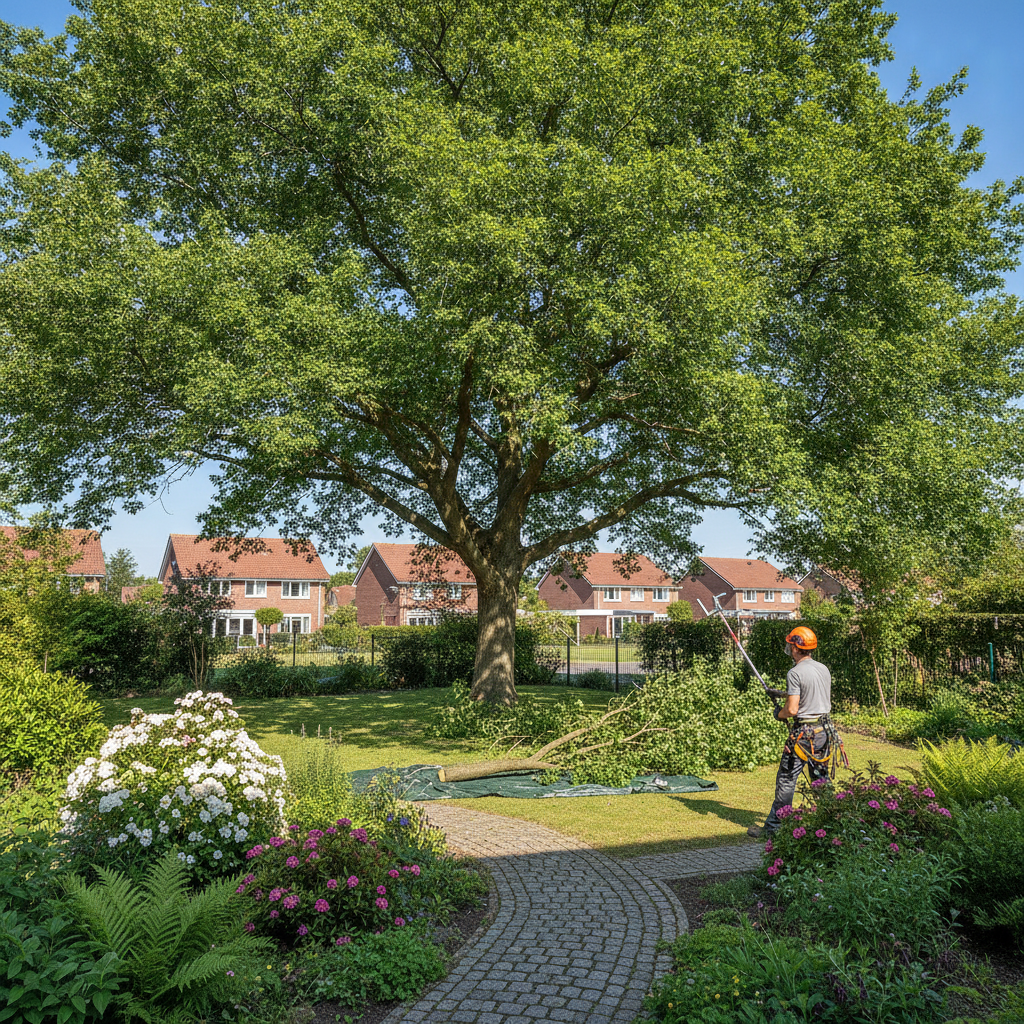
Tree pruning is a vital part of maintaining healthy, beautiful landscapes for both businesses and homeowners. Understanding the tree pruning process Blue Island is essential for anyone in this community who wants their trees to thrive. Whether you manage a small business property, oversee development projects, or simply care about your own yard, learning the right techniques can mean the difference between flourishing trees and costly problems down the road. In this article, we’ll walk you through every step of the tree pruning process, explain why timing and technique matter, and show you how local professionals approach tree care. You’ll also discover practical tips, safety considerations, and what to look for when hiring a service. By the end, you’ll feel confident about making informed decisions for your trees and ensuring your landscape remains a safe, attractive asset for years to come.
Tree Pruning Process in Blue Island
The tree pruning process Blue Island follows industry standards, but it’s tailored to the unique climate and tree species found in this area. The process typically starts with an assessment of the tree’s overall health, structure, and growth patterns. Local professionals look for signs of disease, deadwood, or hazardous limbs that could pose risks to people or property. Once the assessment is complete, skilled arborists determine the best time of year for pruning, taking into account the specific needs of each tree species and the unpredictable Midwest weather. Using sanitized, sharp tools, they remove dead, diseased, or crossing branches to promote healthy growth and reduce the risk of storm damage. The tree pruning process Blue Island also involves shaping the canopy to allow better light penetration and airflow, which helps prevent fungal issues. By following these steps, residents and business owners can ensure their trees remain healthy, safe, and visually appealing for years to come. For related information, see tree pruning process Blue Island.
Tree Pruning Process in Blue Island, IL
When considering the tree pruning process Blue Island, IL, it’s important to understand the local regulations and best practices that guide tree care. Professionals in this region are familiar with city ordinances regarding tree preservation, especially for commercial properties and public spaces. Before any pruning begins, a thorough inspection is conducted to identify limbs that may interfere with power lines, signage, or pedestrian pathways. The next step involves selecting the right pruning method, such as crown thinning, crown raising, or crown reduction, based on the tree’s age, species, and structural integrity. Timing is also crucial; most pruning is done during late winter or early spring to minimize stress and encourage strong regrowth. Safety is a top priority, with teams using proper gear and techniques to protect themselves and the surrounding property. If you’re unsure about the right approach, consulting a local tree maintenance expert ensures your trees receive the care they need without violating local codes or risking unnecessary damage. For related information, see tree maintenance.
Tree Pruning Process in Blue Island Illinois
The tree pruning process Blue Island Illinois professionals follow is rooted in both science and local experience. Pruning begins with a clear plan that addresses the specific goals for each tree, whether it’s improving structure, enhancing appearance, or removing hazards. Certified arborists in this city use precise cuts to avoid damaging bark or leaving stubs that can attract pests. They prioritize the removal of weak or rubbing branches and focus on maintaining the natural shape of the tree. Clean-up is an integral part of the process, with all debris removed to prevent the spread of disease and keep properties tidy. By working with reputable companies like Prime Tree Care, Inc, residents and businesses benefit from local expertise and a commitment to sustainable practices. This approach not only safeguards the health of trees but also contributes to the overall beauty and safety of the neighborhood.
Why Tree Pruning Matters for Local Businesses
For small business owners, maintaining healthy trees is more than just an aesthetic choice, it’s a smart investment. The tree pruning process Blue Island ensures that trees remain structurally sound, reducing the risk of falling limbs that could damage property or injure customers. Well-pruned trees also enhance curb appeal, attracting more visitors and creating a welcoming environment. In commercial districts, healthy trees can even boost property values and contribute to a positive brand image. Regular pruning prevents overgrowth that might block signage or lighting, ensuring your business remains visible and accessible. By following a professional pruning process, local businesses can avoid costly emergencies and demonstrate their commitment to safety and environmental stewardship. Investing in regular tree care is a proactive way to protect your assets and show customers you care about the community’s appearance and well-being.
Tree Pruning for Developers and Property Managers
Developers and property managers in the region face unique challenges when it comes to tree care. The tree pruning process Blue Island is especially important during site development and ongoing property maintenance. Proper pruning can help preserve mature trees during construction, minimizing root damage and stress. It also ensures that new plantings establish strong, healthy growth patterns from the start. For multi-unit properties, regular pruning keeps communal spaces safe and attractive, reducing liability risks and maintenance costs. Developers often work closely with certified arborists to create long-term tree care plans that comply with local regulations and enhance the value of their projects. By prioritizing professional pruning, property managers can maintain a landscape that appeals to tenants and visitors alike, while also supporting sustainability goals and protecting the investment in green infrastructure.
Key Steps in the Tree Pruning Process
The tree pruning process Blue Island involves several key steps that ensure optimal results. First, a comprehensive evaluation of each tree is conducted to identify its health status, structure, and specific needs. Next, a pruning plan is developed, outlining which branches will be removed and the techniques to be used. Arborists then use sanitized, sharp tools to make clean cuts that minimize stress and promote rapid healing. Throughout the process, safety protocols are strictly followed to protect workers and property. After pruning, all debris is carefully removed, and the tree is inspected for any signs of stress or disease. This systematic approach helps maintain the long-term health and beauty of trees, reduces the risk of future problems, and supports the overall landscape. By following these steps, property owners can ensure their trees remain an asset rather than a liability.
Types of Pruning Techniques Used Locally
Various pruning techniques are used by professionals in this area, each serving a specific purpose. The tree pruning process Blue Island often includes crown thinning, which removes select branches to increase light and air flow. Crown raising lifts the lower limbs to clear pathways or improve sightlines, while crown reduction shortens the overall height or spread of the tree to prevent interference with structures. Deadwooding involves removing dead or dying branches to enhance safety and tree health. Directional or structural pruning is used on young trees to encourage strong, balanced growth. Each technique requires knowledge of tree biology and local species, ensuring that cuts are made in the right place and at the right time. By choosing the appropriate method, arborists help trees recover quickly and maintain their natural beauty, benefiting both property owners and the surrounding environment.
Best Seasons for Pruning Trees
Timing is a crucial factor in the tree pruning process Blue Island. Most trees benefit from pruning during late winter or early spring, just before new growth begins. This timing minimizes stress, reduces the risk of disease transmission, and allows wounds to heal quickly as the tree enters its growing season. However, some species may require summer or fall pruning, especially if they are prone to certain pests or diseases. Local experts understand the nuances of the region’s climate and tree varieties, adjusting their approach accordingly. Emergency pruning, such as after storms or to remove hazardous limbs, can be done at any time of year. By scheduling regular inspections and pruning during the optimal season, property owners can maximize the health, safety, and appearance of their trees while minimizing potential problems down the line.
Common Mistakes in Tree Pruning
Even with the best intentions, improper pruning can harm trees and create long-term issues. One of the most common mistakes in the tree pruning process Blue Island is over-pruning, which removes too much foliage and weakens the tree. Topping, or cutting back large branches indiscriminately, can lead to decay and unstable regrowth. Using dull or unsanitized tools increases the risk of disease transmission. Cutting too close to the trunk or leaving large stubs can also cause wounds that do not heal properly. Failing to consider the tree’s natural shape or growth habits may result in structural weaknesses or an unattractive appearance. To avoid these pitfalls, it’s essential to follow best practices and consult with certified arborists who understand the needs of local trees. Proper training and experience make all the difference in achieving healthy, resilient trees.
How to Choose a Qualified Tree Pruning Service
Selecting the right professional for the tree pruning process Blue Island is key to ensuring quality results. Look for companies with certified arborists who have experience with local tree species and understand the area’s climate challenges. Ask for proof of insurance and references from satisfied customers. A reputable service will provide a detailed estimate, explain their approach, and answer any questions you have about safety and technique. It’s also important to verify that the company follows local regulations and uses proper equipment. Avoid door-to-door offers or unlicensed operators, as they may lack the expertise needed to protect your property and trees. By doing your homework and choosing a trusted provider, you can feel confident that your trees are in good hands and will continue to enhance your landscape for years to come.
Tree Pruning Process Comparison Table
| Pruning Step | Purpose | Best Practice |
|---|---|---|
| Assessment | Evaluate tree health and structure | Conduct visual inspection before pruning |
| Planning | Identify branches for removal | Develop a detailed pruning plan |
| Pruning | Remove dead, diseased, or crossing branches | Use sanitized, sharp tools for clean cuts |
| Shaping | Enhance tree appearance and structure | Maintain natural shape, avoid topping |
| Clean-Up | Remove debris and inspect for issues | Dispose of branches, check for stress or disease |
Final Thoughts
Caring for your trees is a long-term investment that pays off in beauty, safety, and property value. The tree pruning process Blue Island is designed to meet the unique needs of this community, blending science, experience, and local knowledge. By understanding each step, from assessment to clean-up, you can make informed decisions that benefit your landscape for years to come. Whether you’re a business owner seeking to enhance curb appeal, a developer protecting your investment, or a homeowner wanting healthy trees, following best practices ensures lasting results. Remember to schedule regular inspections, choose qualified professionals, and avoid common mistakes. With the right approach, your trees will continue to thrive, providing shade, beauty, and environmental benefits for generations. Take the time to invest in proper tree care, and you’ll enjoy the rewards season after season.