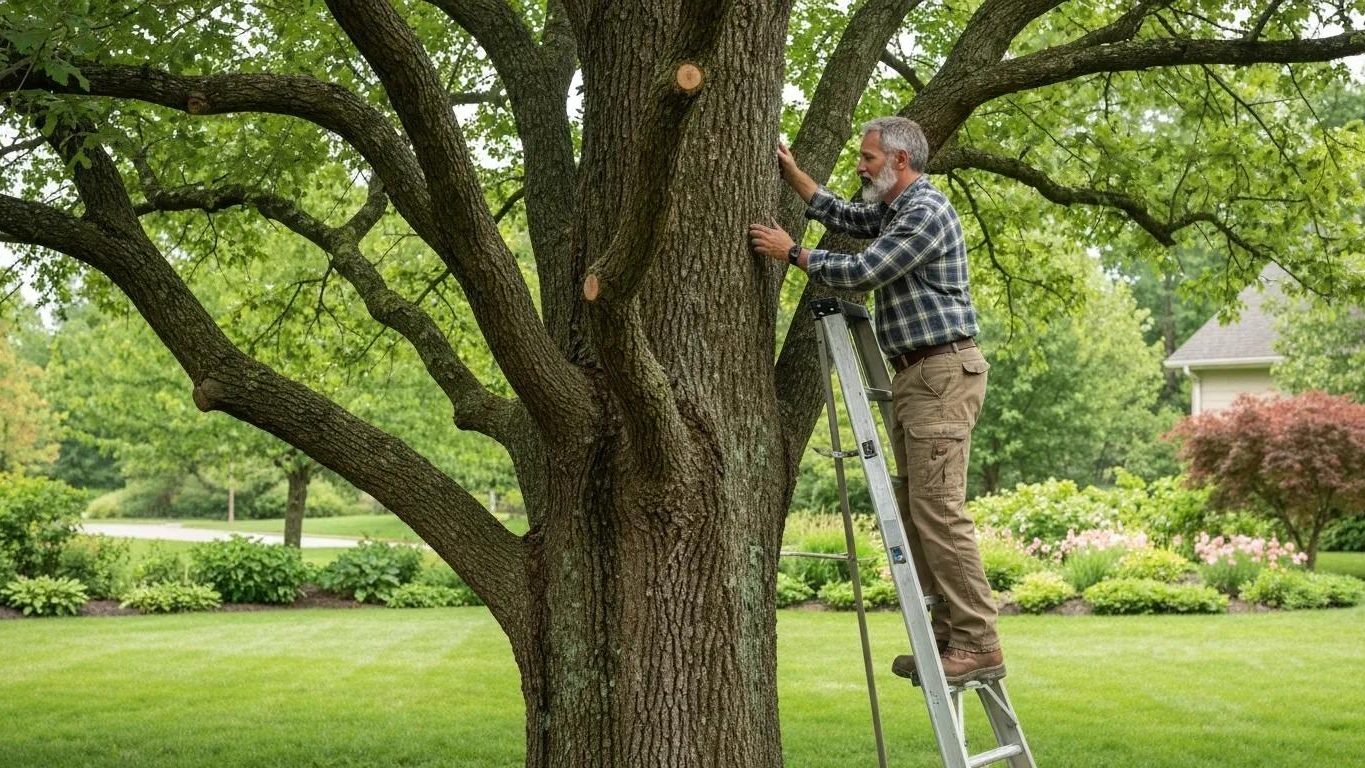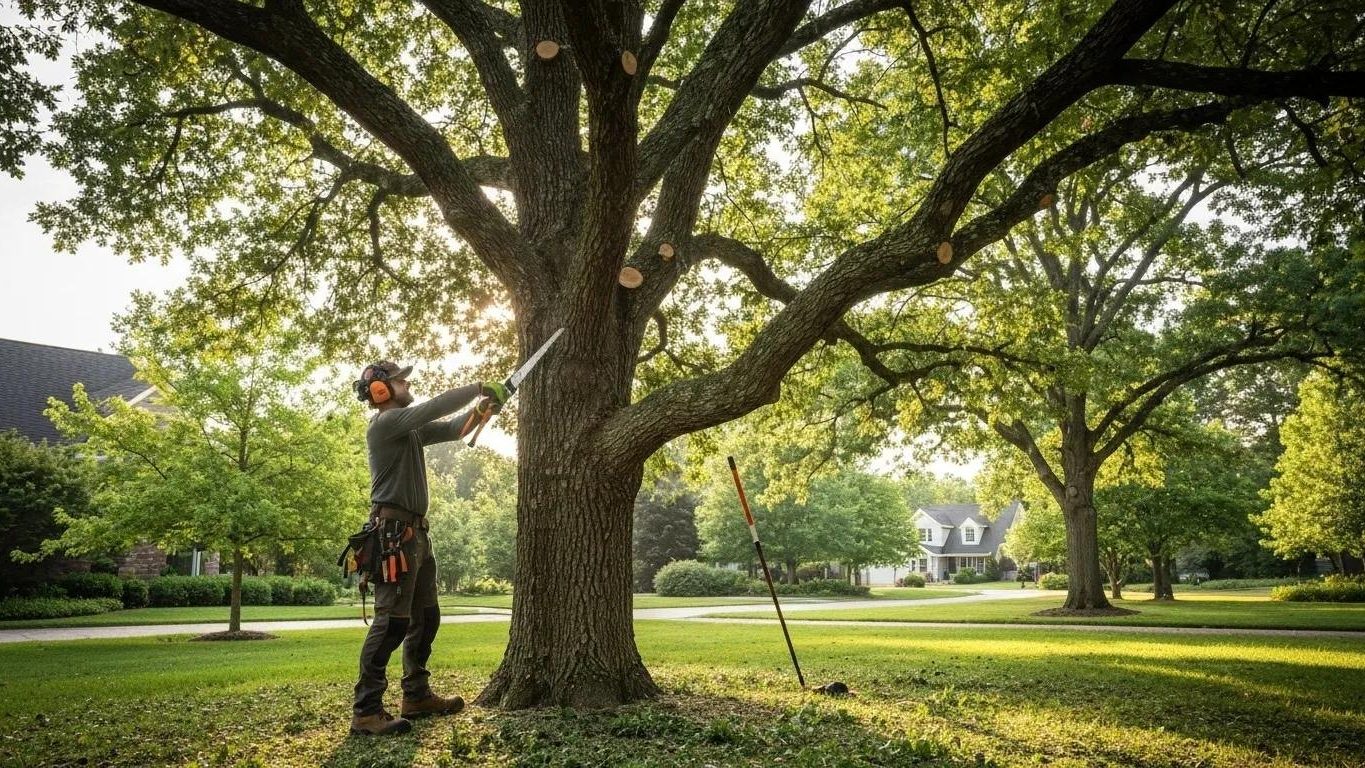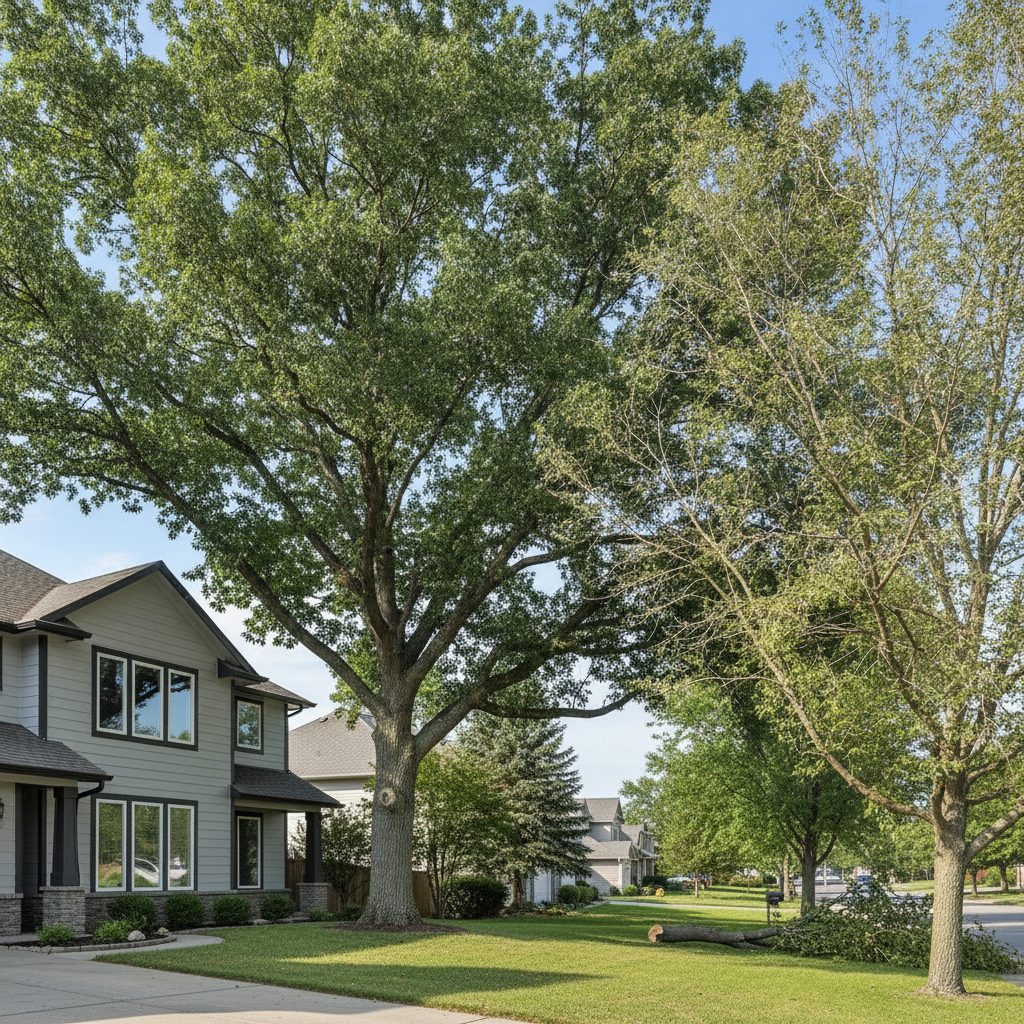
Trees are one of the most valuable assets on any parcel of land, but they are also one of the most overlooked liabilities. A towering oak can add shade, curb appeal, and measurable property value, yet that same tree can drop a limb through a roof, crack a sidewalk, or block a driveway after a single storm. For business owners, developers, and homeowners across the Chicago suburbs, understanding Tree Health and Safety Blue Island style is not a luxury. It is a basic part of protecting people, buildings, and budgets.
Here is the reality: most tree failures do not happen without warning. Dead branches, fungal growth, leaning trunks, and exposed roots are all signals that a tree is struggling. The problem is that most people never learn to read those signals until something breaks. By then, the damage may include injured visitors, insurance claims, costly cleanup, and lost business days.
This guide breaks down how tree condition connects directly to the safety of your property. You will learn what warning signs to watch for, how seasonal weather and local soil conditions affect tree stability, what developers need to consider before clearing land, and how routine maintenance can save thousands of dollars. Whether you manage a storefront, oversee a construction project, or simply want a safer yard, the practical advice here will help you make smarter decisions about the trees you already have.
Tree Health and Safety Blue Island: Why It Matters
A healthy tree is a stable tree. When a tree has a strong root system, a sound trunk, and a balanced canopy, it can withstand wind, ice, and heavy rain far better than one that is decaying or stressed. That stability is the foundation of property safety, because a failing tree does not just fall quietly. It strikes whatever happens to be beneath it, whether that is a parked car, a power line, a fence, or a person. For related information, see property safety.
Many property owners assume that a tree that looks green in summer must be fine. Unfortunately, the most dangerous defects are often hidden. Internal rot can hollow out a trunk while the leaves still look full. Root damage from past construction can quietly weaken anchoring for years. By the time visible symptoms appear, the structural risk may already be high.
Thinking about trees as living infrastructure changes how you manage them. Just as you inspect a roof or a parking lot, trees deserve scheduled attention. Treating them as a long-term asset rather than background scenery is the first step toward fewer emergencies and lower costs.
Tree Health and Safety in Blue Island, IL: Local Risks
The Chicago metropolitan region has a climate that is tough on trees. Cold winters, freeze and thaw cycles, summer thunderstorms, and occasional high wind events all put repeated stress on branches and root systems. Add compacted urban soil, road salt runoff, and limited root space beneath pavement, and many trees here face a constant uphill battle just to stay healthy. For related information, see Prime Tree Care, Inc.
Clay-heavy soils common to the area drain slowly. After heavy rain, saturated ground can loosen a tree’s grip on the earth, making uprooting more likely during a windstorm. Meanwhile, dry spells in late summer can stress shallow-rooted species, leaving them vulnerable to pests and disease.
Older neighborhoods also carry another risk. Many mature trees were planted decades ago, often too close to buildings, sidewalks, and utility lines. As those trees have grown, their roots and limbs now compete with structures for space. Recognizing these local pressures helps owners prioritize inspections where they matter most and avoid being caught off guard by predictable seasonal hazards.
Tree Health and Safety in Blue Island, Illinois: A Practical Overview
Managing trees responsibly starts with a simple mindset: prevention is cheaper than repair. Across the state, municipalities, insurers, and property managers all increasingly expect owners to maintain trees in a reasonably safe condition. If a known hazard tree causes damage, liability can fall squarely on the owner who ignored it.
For developers, the stakes are even higher. Land that is heavily wooded or overgrown needs careful evaluation before any building begins. Professional Prime Tree Care, Inc crews can assess which trees are worth preserving, which pose hazards, and how to clear a site safely without damaging neighboring properties or protected trees.
A practical overview of responsible tree management includes four habits: inspect regularly, prune on schedule, address problems early, and document everything. Keeping simple records of inspections, treatments, and removals can protect you if questions ever arise from an insurer or a neighbor. Good documentation also helps you spot patterns, such as a recurring pest issue, before they become expensive.
Warning Signs a Tree Is Becoming Dangerous
You do not need to be an arborist to notice trouble. Learning a handful of red flags can help you decide when to call a professional. The earlier you act, the more options you have, and the less likely you are to face a sudden emergency.
- Dead or hanging branches, especially in the upper canopy
- Cracks, splits, or deep cavities in the trunk
- Mushrooms or conks growing at the base, which often signal internal decay
- A noticeable new lean, particularly after a storm
- Heaving soil or exposed, damaged roots near the base
- Thinning leaves, early fall color, or bare patches in the canopy
Any one of these signs deserves attention. Several together suggest a tree that may be nearing failure. If the tree sits near a building, walkway, or parking area, treat the warning as urgent rather than waiting for the next season.
How Storms Turn Weak Trees Into Hazards
Storms rarely create tree problems from nothing. Instead, they expose weaknesses that were already there. A healthy tree flexes and recovers in strong wind, while a tree with included bark, decay, or a lopsided canopy can snap or topple.
Ice storms are especially tough. A thin coating of ice can add enormous weight to every twig and branch, and trees with brittle wood or poor branch structure often shed limbs under that load. Summer microbursts bring a different threat, delivering sudden, intense gusts that can uproot trees growing in saturated soil.
After any major weather event, walk your property carefully. Look up before you look down. Hanging limbs, cracked trunks, and leaning trees may look stable but can fall without warning. Keep people and vehicles away until a qualified professional has evaluated the situation, and never attempt to cut a tree that is under tension or touching power lines.
Common Tree Problems and Their Safety Impact
Different tree problems create different kinds of risk. The table below summarizes frequent issues and what they typically mean for the safety of your property.
| Tree Problem | Typical Cause | Safety Risk |
|---|---|---|
| Dead branches | Disease, drought, pests | Falling limbs onto people or vehicles |
| Trunk decay | Fungal infection, old wounds | Sudden trunk failure |
| Root damage | Construction, trenching, compaction | Uprooting during wind |
| Overgrown canopy | Missed pruning cycles | Contact with roofs and power lines |
| Pest infestation | Stressed or weak trees | Rapid decline and brittle wood |
Why Tree Health and Safety Matters for Businesses
If you run a business, your trees are part of your public face and your legal exposure. Customers walk beneath them, park next to them, and judge your property by how well they are kept. A neglected, overgrown lot signals carelessness, while well-maintained trees signal pride and professionalism.
The financial side is just as important. A fallen limb that damages a customer’s vehicle or injures a visitor can lead to claims, repairs, and lost reputation. Insurers often ask whether known hazards were addressed, and documented maintenance can make a real difference in how a claim is handled.
Strong Tree Health and Safety Blue Island practices also protect your operations. A storm that drops a large tree across a driveway or entrance can shut your doors for a day or more. Scheduling regular inspections and pruning reduces the odds of that disruption and keeps your business open when competitors might be dealing with cleanup.
What Developers Should Know Before Clearing Land
Land development and trees are deeply connected. Before breaking ground, developers need to understand which trees are healthy enough to keep, which present hazards, and which may be protected by local ordinances. A thorough pre-construction tree assessment can prevent delays, fines, and expensive redesigns.
Construction itself is a leading cause of long-term tree decline. Heavy equipment compacts soil, trenching severs roots, and grade changes can smother root zones. Trees that survive the project may look fine for a few seasons, then decline and become hazards after the property is occupied. Protecting root zones with fencing and limiting disturbance can preserve valuable mature trees that add instant value to a finished site.
When clearing is necessary, work with experienced crews who can remove trees safely, manage debris, and protect nearby structures and utilities. A well-planned clearing strategy keeps the project on schedule and reduces the chance of damage to neighboring properties.
Routine Maintenance That Prevents Costly Emergencies
Regular care is the most reliable way to avoid emergencies. Structural pruning removes weak, crossing, and dead branches while shaping the tree so that its weight is balanced. Done correctly and on schedule, pruning reduces the chance of limb failure and keeps trees away from buildings and utility lines.
Soil care matters just as much. Mulching around the base, avoiding soil compaction, and watering deeply during dry spells all strengthen the root system. Resist the urge to pile mulch against the trunk, since this traps moisture and invites decay.
Plan for periodic inspections, ideally once a year and after major storms. A trained arborist can spot early disease, pest activity, and structural defects that are invisible to the untrained eye. Catching a problem when it is small usually means a modest treatment or targeted pruning, while waiting until failure often means emergency removal at a much higher price.
When to Remove a Tree Instead of Saving It
Removing a tree is never anyone’s first choice, but sometimes it is the safest and most responsible decision. A tree with extensive trunk decay, severe root failure, or a major structural defect near a building or high-traffic area may simply be too risky to keep, no matter how much pruning or treatment is applied.
Consider removal when a tree is dead, when more than a third of the canopy is gone, when the trunk is leaning dramatically and the roots are lifting, or when disease is spreading to nearby healthy trees. In these cases, the cost of removal is almost always lower than the cost of damage if the tree fails on its own.
Removal near structures and power lines is dangerous work that calls for trained crews and proper equipment. Do not attempt it yourself. After removal, think about replanting a suitable species in a better location so your property continues to benefit from shade, beauty, and value without recreating the original hazard.
Choosing a Trusted Local Tree Care Professional
The quality of the contractor you hire matters enormously. Look for a company with proper insurance, trained and experienced crews, and a clear approach to safety. Ask for references, check reviews, and be cautious of anyone who offers a rock-bottom price or pushes for harmful practices like tree topping.
A reputable provider should be willing to walk the property with you, explain what they see, and lay out options rather than just pushing removal. Written estimates, clear scopes of work, and transparent communication are signs of a professional operation. You can read what neighbors say about Prime Tree Care, Inc and compare feedback before making a decision.
Finally, choose a partner who thinks long term. The best tree care relationships are ongoing, with regular check-ins that keep your trees healthy and your property safe year after year. A provider who knows your trees well can spot changes quickly and recommend small fixes before they become big problems.
Your Next Steps
The link between healthy trees and a safe property is direct and practical. Trees that are well cared for protect your buildings, your visitors, and your investment, while neglected trees quietly build risk until a storm or a heavy load brings it to the surface. The good news is that most of that risk is preventable with consistent attention and a bit of professional guidance.
Start by walking your property with fresh eyes. Look for dead branches, trunk damage, leaning trees, and roots that are lifting or exposed. Note anything near buildings, parking, walkways, or utility lines, since those areas carry the highest stakes. If something looks questionable, schedule an inspection rather than hoping it resolves itself.
For business owners, build tree care into your regular maintenance calendar alongside roofing, paving, and landscaping. For developers, make tree assessment a standard early step in site planning. For homeowners, remember that small, steady investments in pruning and inspection are far cheaper than emergency removals and repairs.
Strong Tree Health and Safety Blue Island habits come down to awareness, prevention, and timely action. Keep records, respond to warning signs early, and work with qualified professionals when the job is bigger than a simple trim. Do that consistently, and your trees can remain what they were meant to be: a lasting asset that adds beauty, comfort, and value for many years to come.