
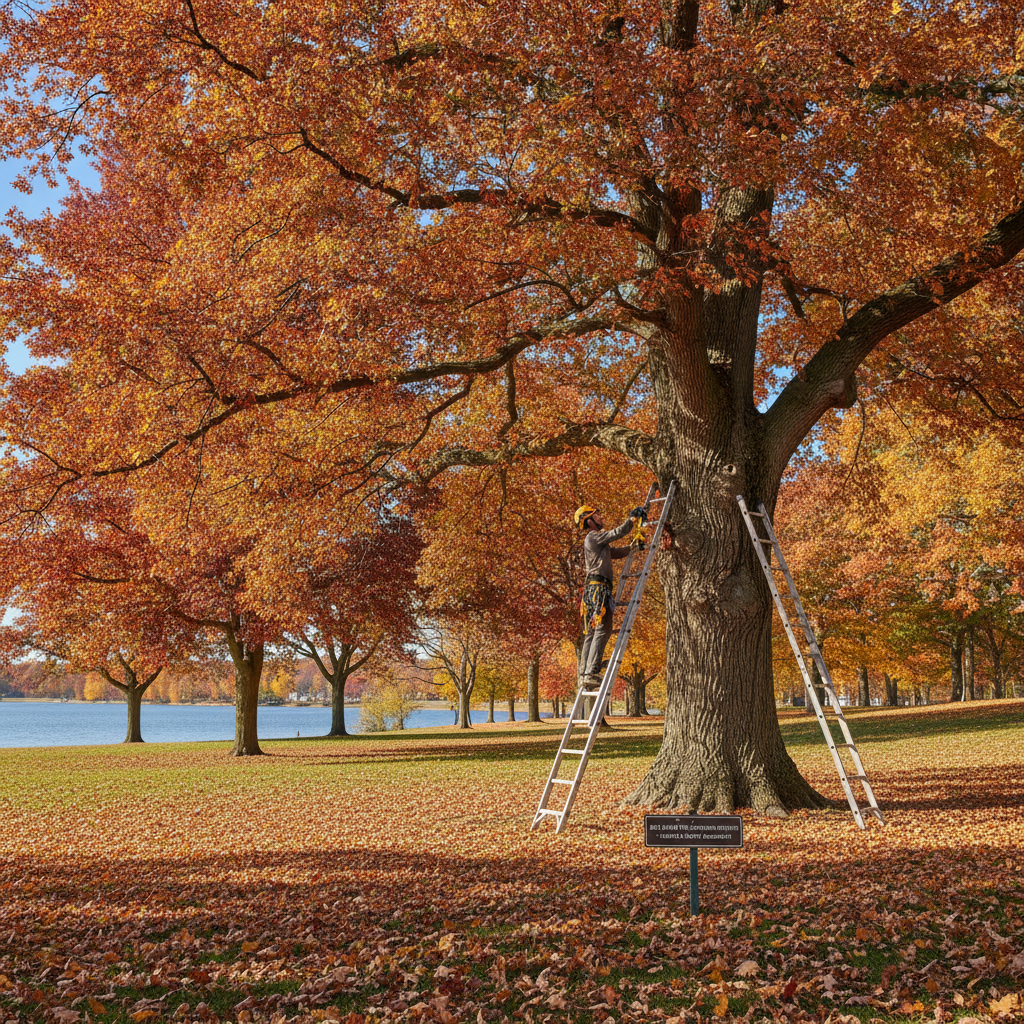
When it comes to maintaining the safety, beauty, and value of your property, knowing the best time of year for tree removal is essential. Whether you’re a small business owner, a developer planning a new project, or a resident who simply wants to keep your landscape healthy, timing can make a significant difference. Working with a Professional Tree Removal Company Blue Island ensures that your tree removal project is handled efficiently, safely, and in compliance with local regulations. In this article, we’ll explore the seasonal factors, local considerations, and expert tips that can help you decide when to schedule tree removal for optimal results. You’ll also learn why choosing the right professionals matters and how to plan your project for minimal disruption and maximum benefit. Let’s dig into the details and help you make a confident, informed decision about tree removal in this community.
Best Time for Tree Removal in Blue Island
Understanding the best time for tree removal is crucial for property owners and managers in the area. The timing impacts not only the ease and safety of the process but also the health of your landscape and the cost of the service. Most experts agree that late fall and winter are generally the most favorable times for tree removal. During these colder months, trees enter dormancy, which means they are not actively growing. This dormancy reduces the risk of disease transmission and makes it easier for professionals to access the tree without disturbing surrounding vegetation. Additionally, frozen ground can help protect your lawn and garden from heavy equipment, minimizing damage to your property.
Another key factor is visibility. With leaves off the branches, arborists can better assess the tree’s structure and identify hazards such as deadwood, disease, or structural instability. This is especially important for larger trees or those located near buildings, power lines, or other sensitive areas. A Expert Tree Removal Services in Blue Island can provide a thorough assessment and recommend the ideal timing for your specific situation.
However, emergencies such as storm damage or sudden disease outbreaks may necessitate immediate action regardless of the season. In these cases, safety takes precedence, and a professional tree removal company can respond quickly to address the risk. For planned removals, though, scheduling during the dormant season is usually best for both the tree and your property.
It’s also worth noting that some tree species have unique requirements. For example, certain hardwoods may be easier to remove when sap flow is low, while others may be less susceptible to pests in the winter. Consulting with local experts ensures that you get advice tailored to the specific trees on your property. By choosing the right time and working with professionals, you can achieve safer, more cost-effective, and environmentally responsible results.
Tree Removal Timing in Blue Island, IL
The climate in this region plays a significant role in determining the optimal window for tree removal. Winters here are cold and often snowy, while summers can be hot and humid. These seasonal variations affect both the condition of the trees and the logistics of removal. For instance, winter’s frozen ground can support heavy machinery, reducing the risk of ruts and soil compaction. In contrast, spring and summer bring increased sap flow, which can make removal messier and more challenging.
Spring is a season of growth, and while it’s tempting to schedule tree work as soon as the weather warms, this can sometimes stress the tree and surrounding landscape. Additionally, nesting birds and emerging wildlife may be disturbed by removal activities. Fall, on the other hand, offers a balance between favorable weather and reduced wildlife activity, making it another excellent choice for non-emergency removals.
Local regulations and permit requirements may also influence your timing. Some municipalities restrict tree removal during certain months to protect wildlife or manage stormwater runoff. It’s important to check with local authorities or consult a tree care solutions provider who is familiar with the area’s rules and can help you navigate the permitting process.
Ultimately, the best time for tree removal in this city depends on your goals, the species and condition of the tree, and the specific site conditions. By planning ahead and working with a reputable company, you can ensure that your project is completed safely, efficiently, and with minimal impact on your property and the environment.
Tree Removal in Blue Island Illinois: Seasonal Factors
Seasonal changes bring unique challenges and opportunities for tree removal. In the winter, trees are dormant, which means less sap and fewer pests. This makes winter the preferred season for many professional tree removal companies. The absence of leaves allows for a clear view of the tree’s structure, helping arborists identify weak branches and potential hazards. Additionally, the frozen ground can support heavy equipment, reducing the risk of property damage.
Spring and summer, while beautiful, present some complications. Trees are actively growing, sap is flowing, and wildlife is abundant. Removing a tree during these months can be more disruptive to the ecosystem and may require extra precautions to avoid harming nesting birds or other wildlife. It can also be more difficult to access the tree due to thick foliage and softer ground conditions.
Autumn offers a middle ground. As trees prepare for dormancy, sap flow decreases and leaves begin to fall, making it easier to assess the tree’s condition. Cooler temperatures and reduced wildlife activity also make this a favorable time for removal. However, unpredictable weather can sometimes delay projects, so flexibility in scheduling is important.
When considering the best season for tree removal, it’s essential to weigh the pros and cons of each period. Consulting with Prime Tree Care, Inc can help you determine the ideal timing based on your specific needs, the type of tree, and your property’s unique characteristics. Their expertise ensures that the job is done safely, efficiently, and in harmony with the local environment.
Why Work with a Professional Tree Removal Company Blue Island
Choosing a Professional Tree Removal Company Blue Island for your tree removal needs is one of the most important decisions you can make as a property owner. Tree removal is a complex, potentially hazardous task that requires specialized equipment, training, and experience. Attempting to remove a tree without the proper knowledge can lead to property damage, personal injury, or even legal liability.
Professional companies have the expertise to assess the health and stability of your trees, identify potential risks, and develop a safe and efficient removal plan. They also understand local regulations and can help you obtain any necessary permits. In addition, professionals carry insurance that protects you and your property in the event of an accident.
A reputable company will use state-of-the-art equipment and follow industry best practices to minimize disruption to your landscape. They can also provide additional services such as stump grinding, debris removal, and site restoration, ensuring that your property is left clean and ready for your next project. By working with experts like Prime Tree Care, Inc, you can have peace of mind knowing that your tree removal project is in capable hands.
Finally, a professional tree removal company can offer valuable advice on tree replacement, landscape design, and ongoing maintenance. Their knowledge of local tree species and environmental conditions can help you make informed decisions that enhance the beauty, safety, and value of your property for years to come.
Signs That Tree Removal Is Needed
Recognizing when a tree should be removed is critical for the safety and health of your property. Some signs are obvious, such as a tree that has been severely damaged in a storm, while others may be more subtle. Common indicators include large dead branches, visible decay or fungus at the base, cracks in the trunk, and significant leaning. If you notice that a tree’s leaves are sparse or discolored during the growing season, this could signal disease or root problems.
Other warning signs include heaving soil at the base of the trunk, which may indicate root instability, or the presence of pests such as carpenter ants or beetles. Trees that are too close to buildings, power lines, or other structures can pose a risk as they grow larger or become weakened by age or disease. In some cases, removing a tree may be necessary to allow for new construction or to improve sunlight and airflow for other plants.
If you’re unsure whether a tree needs to be removed, it’s best to consult with a professional arborist. They can conduct a thorough inspection and recommend the best course of action, whether that’s removal, pruning, or other treatments. Addressing potential hazards promptly can prevent costly damage and ensure the safety of everyone on your property.
Benefits of Timely Tree Removal
Scheduling tree removal at the right time offers numerous benefits for property owners. First and foremost, it enhances safety by eliminating hazardous trees before they can cause damage or injury. Timely removal also helps protect nearby trees and plants from disease or pest infestations that can spread from a compromised tree.
From a financial perspective, removing a tree before it becomes a bigger problem can save you money on emergency services, repairs, and potential legal liabilities. It also allows you to plan the project at your convenience, rather than being forced to act quickly in response to an urgent situation. Additionally, removing trees during the dormant season can be less expensive, as the process is often simpler and less disruptive.
Timely tree removal can also improve the aesthetics and functionality of your property. It opens up space for new landscaping, construction, or recreational areas, and can enhance curb appeal. By working with a Professional Tree Removal Company Blue Island, you ensure that the job is done efficiently and with minimal impact on your daily activities.
Finally, proactive tree removal supports the long-term health of your landscape. By addressing issues early, you create a safer, more attractive environment for your family, employees, or customers. Investing in professional tree care is a smart decision that pays dividends in safety, beauty, and property value.
How Weather Impacts Tree Removal
Weather conditions play a significant role in the tree removal process. Heavy rain, snow, or high winds can make removal dangerous or even impossible. Wet or muddy ground can hinder the movement of equipment and increase the risk of property damage. In contrast, dry, frozen ground provides a stable surface for machinery and reduces the likelihood of ruts or soil compaction.
Extreme temperatures can also affect the safety and efficiency of tree removal. In very cold weather, equipment may be more prone to malfunction, and workers must take precautions to prevent frostbite or hypothermia. Hot, humid conditions can lead to heat exhaustion or dehydration, making it important to schedule work during cooler parts of the day.
Professional tree removal companies monitor weather forecasts closely and may reschedule projects if conditions are unsafe. Flexibility in your timeline can help ensure that the job is completed safely and with minimal disruption. By understanding how weather impacts the removal process, you can plan ahead and avoid unnecessary delays or complications.
Ultimately, the best time for tree removal is when conditions are dry, calm, and predictable. Working with experienced professionals ensures that your project is managed efficiently, regardless of the season or weather challenges.
Tree Removal Cost Factors
Several factors influence the cost of tree removal, and understanding these can help you budget effectively for your project. The size and location of the tree are two of the most significant variables. Larger trees require more labor, equipment, and time to remove safely, while trees located near buildings, power lines, or other obstacles may require additional precautions and specialized techniques.
The condition of the tree also affects the price. Dead, diseased, or structurally compromised trees can be more hazardous to remove, increasing the complexity and cost of the job. Accessibility is another consideration; if the tree is located in a hard-to-reach area, additional equipment or manual labor may be needed.
Additional services such as stump grinding, debris removal, and site restoration can add to the overall cost but provide value by leaving your property clean and ready for future use. It’s important to get a detailed estimate from a reputable company so you understand exactly what’s included in the price.
By working with a Professional Tree Removal Company Blue Island, you can be confident that you’re receiving a fair, transparent quote and high-quality service. Investing in professional removal not only protects your property but also ensures compliance with local regulations and industry standards.
Comparing Tree Removal Seasons: At a Glance
| Season | Pros | Cons |
|---|---|---|
| Winter | Dormant trees, less sap, fewer pests, better visibility, frozen ground protects lawn | Cold temperatures, potential for snow delays |
| Spring | Mild weather, easier scheduling, new growth reveals health issues | Active growth, nesting wildlife, softer ground |
| Summer | Longer days, dry conditions, clear access | Heat stress, increased sap, active wildlife |
| Fall | Cooler weather, reduced sap, fewer pests, less wildlife activity | Unpredictable weather, leaves may obscure hazards |
This table summarizes the main advantages and disadvantages of each season for tree removal. While winter and fall are generally preferred, the best choice depends on your specific needs and circumstances. Consulting with a Professional Tree Removal Company Blue Island ensures that you receive expert guidance tailored to your property and goals.
Tree Removal and Local Regulations
Before scheduling tree removal, it’s important to understand the local regulations that may apply to your project. Many municipalities have ordinances governing the removal of trees, especially those of a certain size or species. These rules are designed to protect the environment, preserve the urban canopy, and ensure public safety.
Permitting requirements can vary widely, so it’s essential to check with your local government or consult a professional tree removal company familiar with the area’s regulations. Some permits may require an inspection by a city arborist or notification of neighboring property owners. Failing to obtain the proper permits can result in fines, delays, or even legal action.
In some cases, there may be restrictions on the timing of tree removal to protect nesting birds or manage stormwater runoff. Working with a reputable company ensures that your project is completed in compliance with all applicable laws and regulations. They can handle the paperwork and coordinate with local authorities, saving you time and hassle.
By staying informed and following the rules, you can avoid costly mistakes and ensure a smooth, successful tree removal project. Local expertise is invaluable in navigating the permitting process and achieving your goals efficiently and legally.
Tips for Planning Your Tree Removal Project
Proper planning is key to a successful tree removal project. Start by assessing your property and identifying any trees that may pose a risk or interfere with your plans. Consult with a Professional Tree Removal Company Blue Island to get a professional evaluation and recommendations tailored to your needs.
Consider the timing of your project and aim to schedule removal during the dormant season if possible. This minimizes disruption to your landscape and can reduce costs. Be sure to account for weather conditions and allow for flexibility in your timeline in case of delays.
Communicate with your neighbors and provide advance notice if the work may impact their property or access. Make arrangements for parking, equipment access, and debris removal to ensure a smooth process. If your project requires permits, start the application process early to avoid delays.
Finally, consider your long-term landscaping goals. Removing a tree can open up new possibilities for planting, construction, or outdoor living spaces. Work with your tree care provider to develop a plan that enhances the beauty, safety, and value of your property for years to come.
Final Thoughts
Choosing the best time of year for tree removal is a decision that can impact the safety, appearance, and value of your property. By understanding the seasonal factors, local regulations, and benefits of working with a Professional Tree Removal Company Blue Island, you can make informed choices that protect your investment and enhance your landscape. Whether you’re dealing with a hazardous tree, planning a new development, or simply maintaining your property, expert guidance and careful planning are essential. Take the time to consult with local professionals, consider your options, and schedule your project for the optimal season. With the right approach, you’ll enjoy a safer, more beautiful property for years to come.