A tree can look perfectly healthy for decades and then become a serious danger in a matter of minutes. A violent thunderstorm, a heavy snow load, or a hidden rot problem can turn a beautiful oak or maple into a hazard hanging over your roof, your driveway, or your business entrance. Knowing when you need emergency tree service Blue Island Illinois property owners can rely on is the difference between a manageable cleanup and a catastrophic insurance claim.
Most people wait too long. They notice a strange lean, a few cracked limbs, or fungus at the base of a trunk and assume it can wait until next month. Trees do not follow your schedule. Weather in the Chicago area is famously unpredictable, with straight-line winds, ice storms, and sudden downpours that stress even strong root systems. When a tree is already compromised, one more storm can finish the job.
This guide walks you through the clearest warning signs that a tree needs urgent professional attention. Whether you manage a storefront, own rental property, build in the region, or simply care for your family home, you will learn what to look for, what to do in the first few minutes, and how to choose a crew you can trust. Think of it as a practical checklist you can keep handy before the next storm rolls in.
Emergency Tree Service in Blue Island: Why Speed Matters
When a tree fails, the clock starts immediately. Water can pour through a punctured roof, power lines can be pulled loose, and blocked driveways can strand vehicles or prevent emergency access. Acting fast limits the damage and keeps people safe. For homeowners and business owners looking for emergency tree service Blue Island Illinois residents trust, the first rule is simple: never wait to see if a damaged tree will stabilize on its own. For related information, see emergency tree service Blue Island Illinois.
A professional crew brings the equipment and training to remove hazardous trees without creating a second disaster. Cranes, rigging systems, and climbing gear allow arborists to dismantle a leaning trunk piece by piece instead of letting it crash down unpredictably. Fast response also helps with documentation for insurers, since a prompt visit means photos and notes are captured while the damage is fresh.
Delays cost money in other ways too. Rainwater that enters through a broken roof invites mold within days. Branches resting on power lines can create outages that affect neighbors and halt business operations. Treating an urgent tree problem as a true emergency protects your property value, your income, and the people around you.
Emergency Tree Service in Blue Island, IL: Obvious Warning Signs
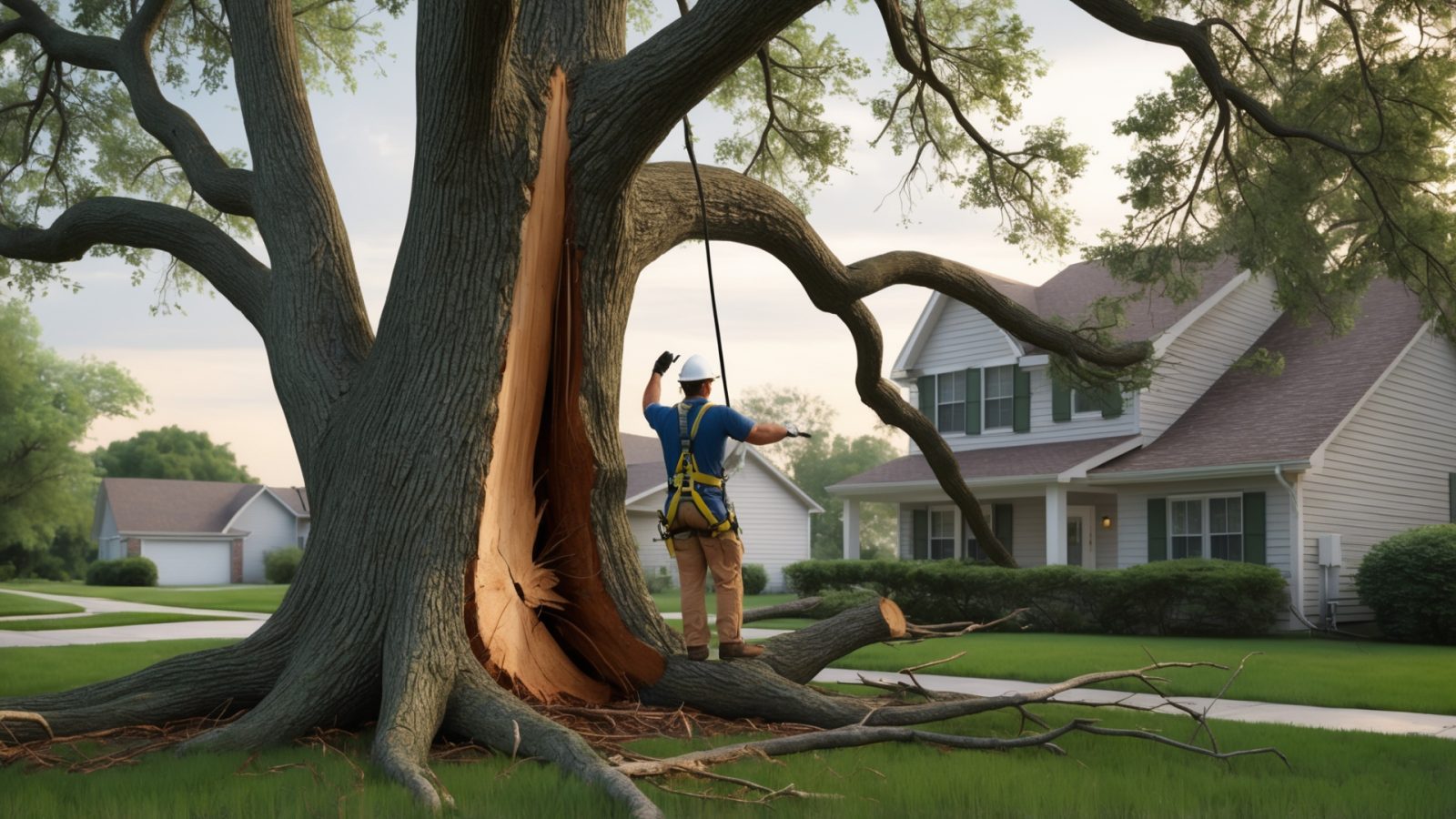
Some warning signs are impossible to miss, and they demand an immediate call. A tree that has split down the middle, a large limb hanging by a thread, or a trunk that suddenly tilts after a storm should be treated as an active hazard. If you notice any of these conditions, keep everyone away from the area and contact a qualified crew right away. Our team at visit our site explains the full range of urgent services available to property owners. For additional service details and local availability, readers can visit our site.
Other obvious red flags include roots lifting out of the soil, large cracks in the trunk, and hanging branches caught in the canopy of another tree. These hangers, sometimes called widow makers, can drop without warning. Even a moderate breeze may be enough to bring them down on a car, a fence, or a person.
- A sudden lean that was not there before
- Fresh cracks or splits in the trunk or major limbs
- Soil heaving or mounding near the base
- Broken branches suspended in the canopy
- Limbs resting on rooftops or power lines
Emergency Tree Service in Blue Island, Illinois: Storm Damage Clues
Storms are the most common trigger for urgent tree work. After high winds, heavy rain, or ice, walk your property carefully and look up as well as down. Strong gusts can loosen root systems without toppling the tree, leaving it unstable and ready to fall during the next weather event. If you need emergency tree service Blue Island Illinois homeowners and business owners can count on, storm damage is often the reason. For related information, see Prime Tree Care, Inc.
Check for stripped bark, torn branch unions, and large wounds where limbs ripped away. These injuries expose the inner wood to decay and insects, weakening the entire structure over time. Also inspect your lawn for cracks, raised soil, or pooling water near the trunk, since these can signal root failure beneath the surface.
Do not assume a tree is safe because it is still standing. Many of the most dangerous trees remain upright for days after a storm, quietly waiting to collapse. A professional assessment gives you a clear answer about whether the tree can be saved with careful pruning or must come down for safety.
Hidden Problems That Create Emergencies
Not every emergency begins with a dramatic storm. Slow, hidden problems often set the stage. Internal rot can hollow out a trunk while the outside looks fine. Fungal growth such as mushrooms or bracket shelves at the base is a strong clue that decay is already advanced. Insect infestations, including borers, quietly tunnel through wood and weaken structural strength.
Because these issues are invisible until they become severe, regular inspections matter. A trained arborist can use tools and experience to spot trouble before it turns into a crisis. When you need help from Prime Tree Care, Inc, you get a team that understands both the visible and the hidden signs of structural failure.
Dead branches, sparse leaf cover in summer, and bark that peels away in sheets can all point to a tree in decline. Catching these signals early may let you schedule planned work at a calmer pace rather than scrambling during a late-night emergency.
Trees Near Power Lines and Structures
Location can turn a minor problem into a major one. A cracked limb in an open field is an inconvenience. The same limb above a house, a parked car, or a utility line is a genuine emergency. Pay special attention to trees growing close to buildings, service drops, and walkways where people gather.
Never attempt to move branches that are touching or near power lines. Electricity can travel through wet wood, and the danger extends well beyond the visible contact point. Stay far back, keep others away, and call the utility company along with a qualified tree crew equipped to handle high-risk situations.
For business owners, a hazardous tree near a parking lot or entrance also creates liability concerns. If a customer or employee is injured by a known hazard, the consequences can include lawsuits and lost trust. Proactive attention to trees near high-traffic areas is smart risk management, not just good landscaping.
Leaning Trees and Root Failure
A lean is not always a problem. Many trees grow at a slight angle for their entire lives and remain perfectly stable. The danger comes from a new or worsening lean, especially if it appears after wet weather or high winds. A sudden shift often means the roots have lost their grip on the soil.
Look closely at the ground around the base. Cracks in the soil on the side opposite the lean, exposed roots, or a visible mound of lifted earth are all signs that the root plate is moving. At this stage, the tree can topple with little warning, so keep people, pets, and vehicles away.
Construction activity can also damage roots without anyone noticing. Trenching, grading, and heavy equipment compress soil and sever the roots that anchor the tree. If a project has recently taken place near a mature tree, watch it carefully over the following months for signs of decline or instability.
Quick Reference: Urgent or Can Wait?
Not every tree concern requires a midnight phone call. Some issues can be scheduled for the next available appointment, while others need immediate action. The table below offers a simple way to judge the urgency of common situations you might encounter around your property.
| Situation | Urgency | Recommended Action |
|---|---|---|
| Tree fallen on house or car | Immediate | Evacuate area and call emergency crew |
| Limb touching power line | Immediate | Stay back, call utility and tree crew |
| New sudden lean | Urgent | Restrict access, schedule same-day inspection |
| Hanging broken branch | Urgent | Keep clear and request prompt removal |
| Mushrooms at trunk base | Soon | Book an arborist inspection this week |
| Minor dead twigs | Routine | Plan seasonal pruning |
What To Do Before the Crew Arrives
Your actions in the first few minutes can prevent injuries and reduce damage. Start by moving everyone, including children and pets, away from the affected tree. Establish a wide safety zone, remembering that falling limbs can travel farther than you expect. Park vehicles out of reach if you can do so safely.
Take clear photos and short videos from a safe distance. Capture the tree, the surrounding damage, and any affected structures. These records help with insurance claims and give the arborist useful context before they even arrive. Write down the time the damage occurred and any weather conditions you observed.
Resist the urge to climb, cut, or pull on the tree yourself. Tension in fallen or leaning wood can release suddenly, and chainsaw kickback injures thousands of people every year. If water is entering your home, place buckets and tarps where you can, but only if it is safe to enter the space.
How To Choose a Reliable Tree Crew
Not every operator who shows up after a storm is qualified. Unfortunately, bad weather attracts unlicensed crews who go door to door offering cheap work. Ask for proof of liability insurance and workers compensation coverage before anyone touches your tree. If something goes wrong on an uninsured job, you may be held responsible.
Look for a company with a real local presence, verifiable reviews, and trained arborists on staff. You can check the business listing and customer feedback for Prime Tree Care, Inc to see how past customers describe their experience. Written estimates, clear scope of work, and a professional attitude on the phone are all good signs.
Be wary of anyone who pressures you to sign immediately, demands full payment upfront, or recommends topping a tree, a harmful practice that weakens its structure. A reputable crew explains the plan, answers questions patiently, and respects your decision.
Prevention: Reducing Future Emergencies
The best emergency is the one that never happens. Regular inspections, ideally once a year and again after major storms, help catch weak points while they are still manageable. Structural pruning removes dead wood, reduces sail effect in high winds, and improves how weight is distributed across the canopy.
Proper watering and mulching keep roots healthy, especially during dry summers. Avoid piling soil against trunks, driving heavy equipment over root zones, or planting species poorly suited to local conditions. Healthy trees resist storms far better than stressed ones.
Consider a tree risk assessment for older specimens near buildings or high-traffic areas. A written report gives you an honest picture of each tree’s condition and a prioritized plan. Investing in prevention costs a fraction of what a major emergency removal, roof repair, and insurance deductible would demand.
Insurance and Documentation Basics
Understanding how coverage works before disaster strikes saves stress later. Most homeowner and commercial policies cover tree damage to structures when a healthy tree falls because of a storm. Coverage for removal of a fallen tree that did not hit anything is often limited, so read your policy carefully or ask your agent.
Keep records of any professional inspections and maintenance. If an insurer argues that a tree was neglected, proof of regular care strengthens your claim. Save invoices, photos, and written assessments in one place so they are easy to find when you need them.
After an incident, notify your insurer promptly and ask whether they require a particular process before cleanup begins. Many carriers want photos and an adjuster visit first, so avoid hauling away debris until you have confirmed the steps. A clear paper trail makes the whole process faster and less frustrating.
Final Thoughts
Trees add beauty, shade, and value to a property, but a compromised tree is a serious liability. The warning signs covered here, including sudden leans, cracked trunks, hanging limbs, storm damage, root lifting, fungal growth, and proximity to power lines, are your cues to act rather than wait. Trusting your instincts and calling a professional early is almost always cheaper than dealing with the aftermath of a failure.
Remember the essentials. Keep people away from any suspect tree, document what you see from a safe distance, and never try to handle dangerous removal yourself. Choose an insured, experienced crew with a solid local reputation, and make prevention part of your yearly routine so that true emergencies become rare events instead of recurring headaches.
Whether you run a small business, manage properties, or simply want your family home to stay safe through every season, a little attention goes a long way. Walk your property after each storm, schedule routine inspections, and keep a trusted arborist’s number saved in your phone. When the next severe weather hits the area, you will be prepared, confident, and ready to protect what matters most.