Most homeowners think of curb appeal in terms of paint colors, new siding, or a fresh lawn. Yet one of the most overlooked ways to raise what your property is worth sits right in your yard: the trees. Smart Home Value Tree Pruning is a practical, affordable investment that can change how buyers, appraisers, and neighbors see your property. A tree that is overgrown, leaning, or full of dead limbs signals neglect, while a well-shaped canopy signals care and pride of ownership.
Whether you are a small business owner managing a commercial lot, a developer preparing land for sale, or a homeowner thinking about listing next spring, pruning deserves a spot on your improvement list. It protects roofs, siding, and power lines, opens up natural light, and reduces the odds of costly storm damage. Healthy trees can also add measurable value, and buyers often pay more for mature landscaping that looks intentional rather than wild.
In this guide, we walk through exactly how pruning affects property value, what timing works best for local conditions, how to compare options, and when to call a professional. By the end, you will know how to turn your trees into one of your strongest assets instead of a hidden liability.
Home Value Tree Pruning in Blue Island
Trees are one of the few parts of a property that appreciate over time instead of wearing out. A mature, healthy tree can add shade, privacy, and character that new construction simply cannot replicate. But the keyword there is healthy. Pruning is what keeps a mature tree looking like an asset instead of a problem waiting to happen. For additional service details and local availability, readers can visit our site.
When pruning is done correctly, the tree directs its energy toward strong branches and away from weak or dying ones. This improves the shape, extends the lifespan, and makes the whole yard appear more organized. Buyers walking up to a home form an impression within seconds, and a clean canopy frames the house instead of hiding it.
If you want a trusted local crew to evaluate your yard, you can visit our site to learn more about professional services and what a typical assessment includes.
Home Value Tree Pruning in Blue Island, IL
Real estate professionals consistently point to landscaping as a top contributor to first impressions. Studies from horticultural and appraisal groups have long suggested that well-maintained, mature landscaping can raise a home’s perceived value by several percentage points. Pruning is the maintenance step that makes those trees count in the eyes of buyers. For related information, see Prime Tree Care, Inc.
Think about the difference between two similar houses on the same street. One has trees with branches scraping the roofline, tangled limbs, and bare dead patches. The other has evenly spaced canopies, clear sightlines to the front door, and clean trunks. Even buyers who cannot explain why will describe the second house as better cared for, and that perception often translates into stronger offers.
For sudden hazards like storm breakage or hanging limbs, a company such as Prime Tree Care, Inc can respond quickly so a small problem does not become a deal-breaking repair before you list.
Home Value Tree Pruning in Blue Island, Illinois
Seasonal swings across the Chicago area put real stress on trees. Heavy snow, ice, summer thunderstorms, and gusty lake-effect winds can snap weak limbs and strain poorly structured canopies. Pruning ahead of these events removes the branches most likely to fail, which protects your roof, vehicles, fences, and neighbors’ property. For related information, see Home Value Tree Pruning Blue Island.
Insurance and liability matter too. A dead limb that falls on a neighbor’s garage can become a legal and financial headache. Regular pruning documents that you have taken reasonable care, and it lowers the odds of a claim. Appraisers and inspectors also notice limbs touching a roof or crowding utility lines, and those findings can slow a sale or trigger repair requests.
If you are working with a larger parcel, such as a vacant lot or a development site, planning is different. Selective pruning and removal, sometimes paired with Home Value Tree Pruning Blue Island style lot clearing, can reveal usable space and boost the appeal of the land.
Why Curb Appeal Drives Property Value
Curb appeal is the first filter buyers apply. Before they read a listing description or step inside, they judge the exterior from the street or from photos online. Overgrown trees can hide architectural details, block windows, and make a house look smaller and darker than it is.
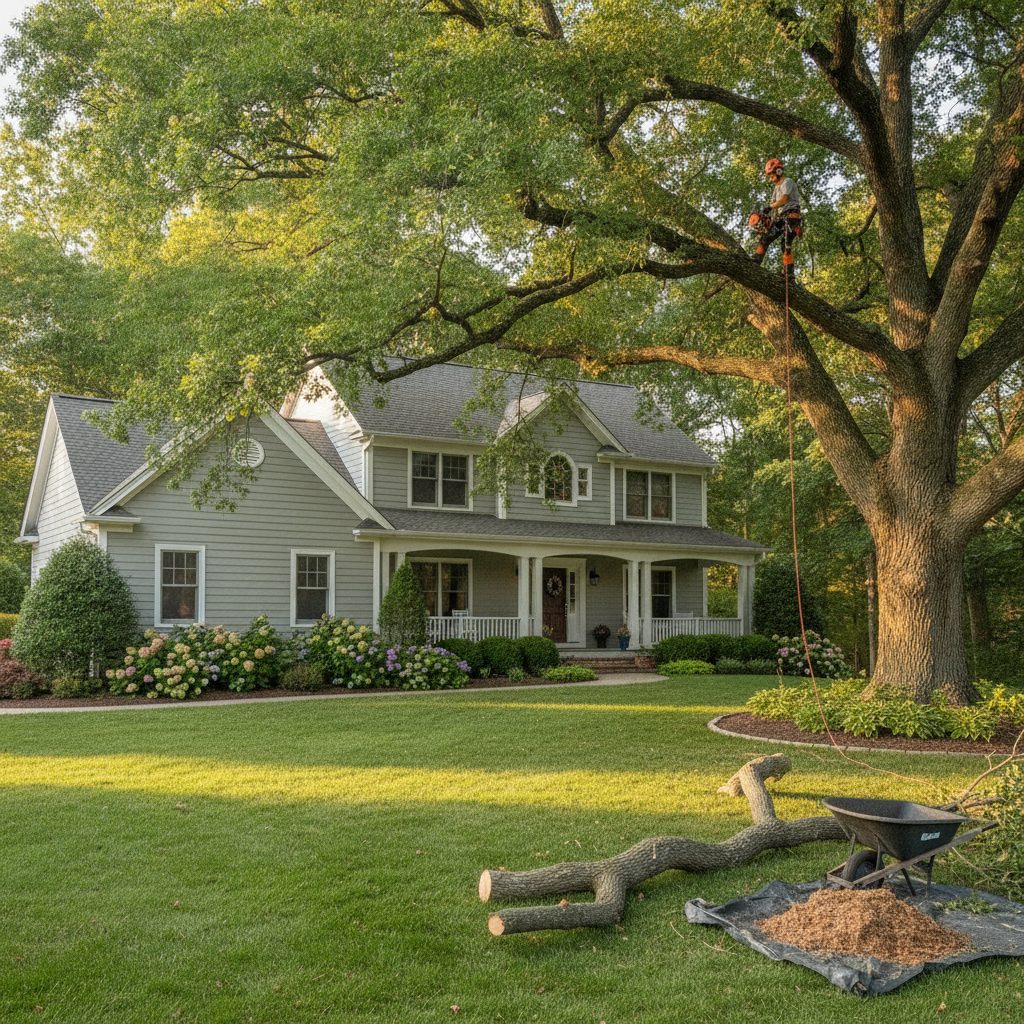
Pruning lifts low branches, thins crowded crowns, and restores the lines of the home. Suddenly the roof, entryway, and landscaping beds are visible and inviting. Listing photos taken after a proper trim also tend to look brighter and cleaner, which helps your property stand out in a crowded online feed.
There is also a psychological effect. Buyers associate tidy trees with a diligent owner, and they assume the rest of the home has been maintained with the same care. That assumption can reduce negotiation pressure and shorten time on the market, both of which protect your final sale price.
Safety Benefits That Protect Your Investment
A property is only worth what it can safely hold. Trees with dead, cracked, or crossing branches become hazards, especially in storm season. Falling limbs can damage roofs, gutters, windows, cars, and play areas, and the repair bills can quickly exceed the cost of regular pruning.
Pruning also keeps branches away from power lines and service drops, reducing outage risk and fire danger. Clearing limbs from the roofline prevents moisture buildup, pest access, and shingle abrasion. Inspectors flag these issues, and unresolved ones can lead to price reductions or failed contingencies during a sale.
Safety work is not just about the tree itself. It is about everything beneath and around it. A small investment in professional crown cleaning, deadwood removal, and clearance trimming protects structures, people, and pets, and it preserves the equity you have built over the years.
Tree Health and Long-Term Growth
Healthy trees command respect and often carry real monetary value. Arborists use formal methods to estimate the worth of mature specimens, and large, well-shaped trees can be worth thousands of dollars on their own. Pruning is central to protecting that value.
Removing diseased or infested limbs stops problems from spreading. Thinning the canopy improves airflow and light penetration, which reduces fungal issues and encourages stronger growth. Structural pruning on younger trees sets up good branch architecture early, preventing weak unions that fail decades later.
Poor pruning does the opposite. Topping, flush cuts, and heavy over-trimming wound the tree, invite decay, and often trigger weak, fast-growing sprouts. That is why technique matters as much as timing. A trained eye knows how much to remove, where to cut, and when to leave a tree alone for a season.
Best Seasons for Pruning in the Midwest
Timing affects both the health of the tree and the cost of the job. In general, late winter and early spring, while trees are dormant, are ideal for most species. Cuts heal cleanly, structure is easy to see without leaves, and pests are less active.
Some species follow different rules. Oaks, for example, are best pruned in cold months to avoid attracting beetles that spread oak wilt. Spring-flowering trees like dogwoods and redbuds should be trimmed right after they bloom so you do not remove next year’s flowers. Dead or dangerous branches can come off at any time of year.
If you plan to sell, work backward from your listing date. Scheduling a trim a few weeks before photos and showings gives the tree time to look fresh and gives you room to correct anything an inspection might flag. Planning ahead also helps you avoid the spring rush when crews are busiest.
Pruning Types and What They Cost
Not every trim is the same, and understanding the options helps you budget and ask the right questions. The table below summarizes common pruning types, what they accomplish, and how they typically affect value. Prices vary by tree size, access, and condition, so treat the ranges as general guidance.
| Pruning Type | Main Purpose | Typical Cost Range | Value Impact |
|---|---|---|---|
| Crown Cleaning | Remove dead and diseased limbs | $200 to $700 | Safety and health |
| Crown Thinning | Improve light and airflow | $300 to $900 | Appearance and growth |
| Crown Raising | Clear low branches | $250 to $800 | Curb appeal and access |
| Structural Pruning | Shape young trees | $150 to $500 | Long-term strength |
Hiring a Professional Versus DIY Trimming
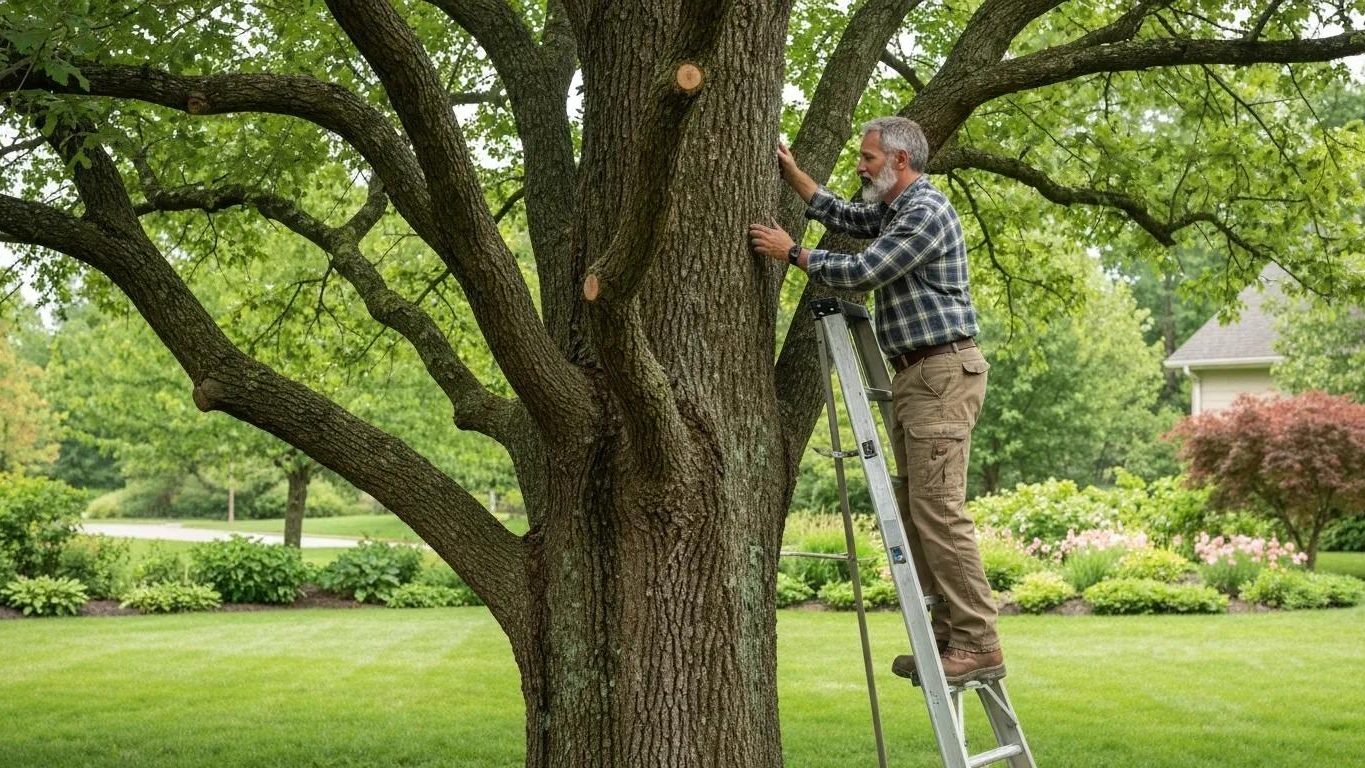
Small shrubs and low branches within easy reach are fine for a careful homeowner with the right tools. Anything involving ladders, chainsaws, or limbs above head height is a different story. Tree work consistently ranks among the more dangerous home maintenance tasks, and mistakes can injure people or damage property.
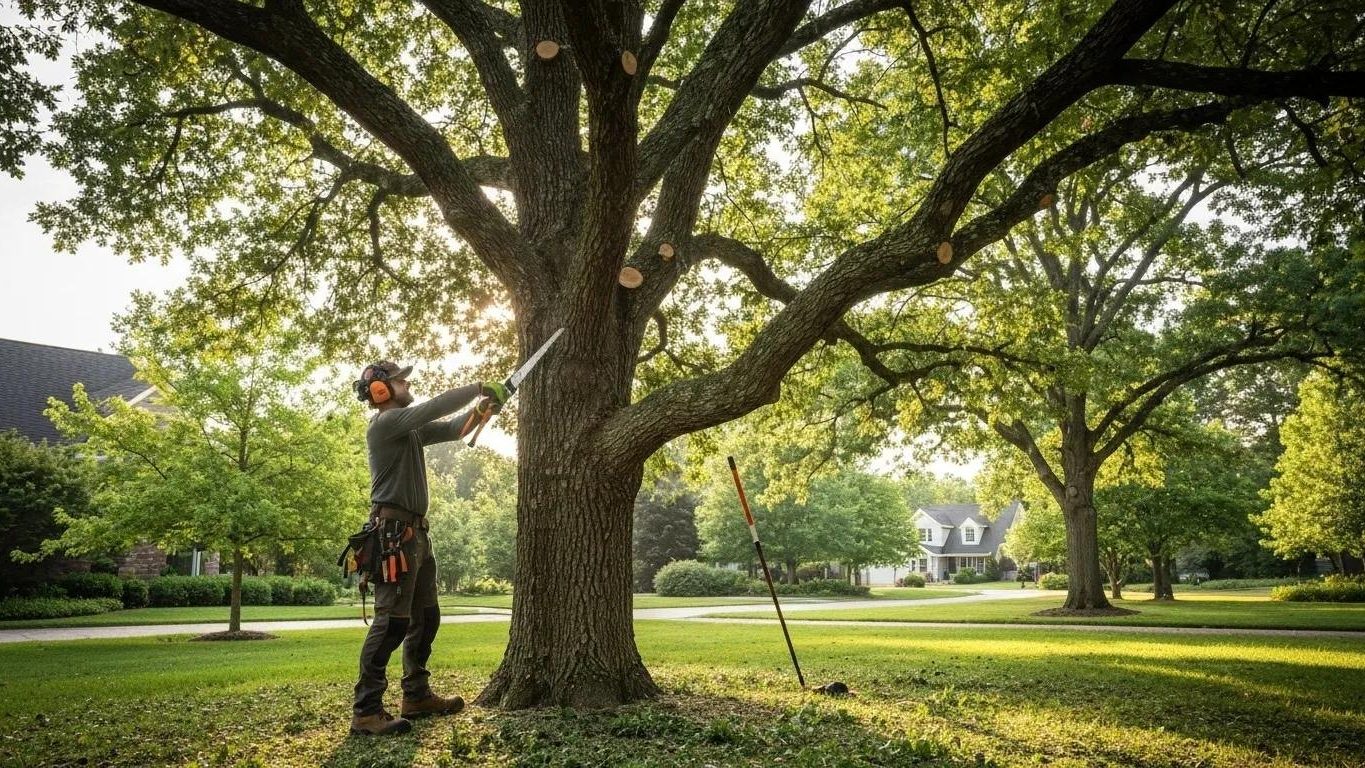
Professionals bring training, insurance, and equipment such as lifts, ropes, and chippers. They also know how to make correct cuts that heal well and how to spot early signs of disease or structural defects. That expertise protects the tree and your wallet, since a poor cut can shorten a tree’s life by years.
When comparing providers, ask about certifications, liability and workers’ compensation coverage, written estimates, and cleanup practices. Reading reviews helps too, and you can check feedback for Prime Tree Care, Inc to see how past customers describe the experience. A reputable crew will explain what they plan to cut and why.
Pruning Before You Sell Your Property
If a sale is on the horizon, pruning is one of the highest-return prep tasks available. It costs far less than a kitchen update and delivers visible results in a single day. Focus first on trees near the front entry, along walkways, and over the roof, since those shape the first impression.
Next, address anything an inspector is likely to mention: limbs touching the house, dead branches over driveways, and trees crowding utility lines or foundations. Resolving these items before listing prevents last-minute negotiation and keeps your timeline on track.
Do not forget the backyard. Opening up a view of the patio or garden makes outdoor spaces feel larger and more usable. Pair pruning with fresh mulch and a tidy lawn, and your landscaping photos will look polished without a major renovation budget. Small, targeted efforts like these often return more than they cost.
Common Pruning Mistakes to Avoid
The most damaging error is topping, which means chopping off the upper portion of a tree to reduce its height. It creates large wounds, stimulates weak regrowth, and ruins the natural form. Another frequent mistake is over-pruning, removing more than roughly a quarter of the canopy in one season, which stresses the tree.
- Making flush cuts that remove the branch collar and slow healing.
- Pruning at the wrong time of year for the species.
- Leaving stubs that invite decay and pests.
- Using dull or dirty tools that spread disease.
- Ignoring warning signs such as cracks, fungus, or leaning trunks.
Avoiding these pitfalls keeps your trees healthy and your property attractive. When in doubt, a quick consultation with a certified arborist can save you from an expensive error and help you build a smarter maintenance schedule.
Your Next Steps
Trees can be your property’s greatest strength or its quietest liability, and pruning is the difference. Regular, correct trimming improves curb appeal, protects your roof and neighbors, supports tree health, and gives buyers confidence that the home has been well cared for. Those benefits add up to a stronger first impression, fewer inspection surprises, and a better shot at the price you want.
Start by walking your property with fresh eyes. Look for dead limbs, branches touching the house, crowded canopies, and anything that blocks the view of your entry or windows. Make a short list, then decide which items are safe to handle yourself and which call for a professional crew with proper equipment and insurance.
Plan the timing around the seasons and, if you intend to sell, around your listing date. A modest investment now can prevent large repair bills later and help your property show at its best. Whether you own a single home, manage a commercial lot, or are preparing land for development, thoughtful pruning is one of the most cost-effective upgrades available. Take the first step this season, and let your trees work for your property value instead of against it.