
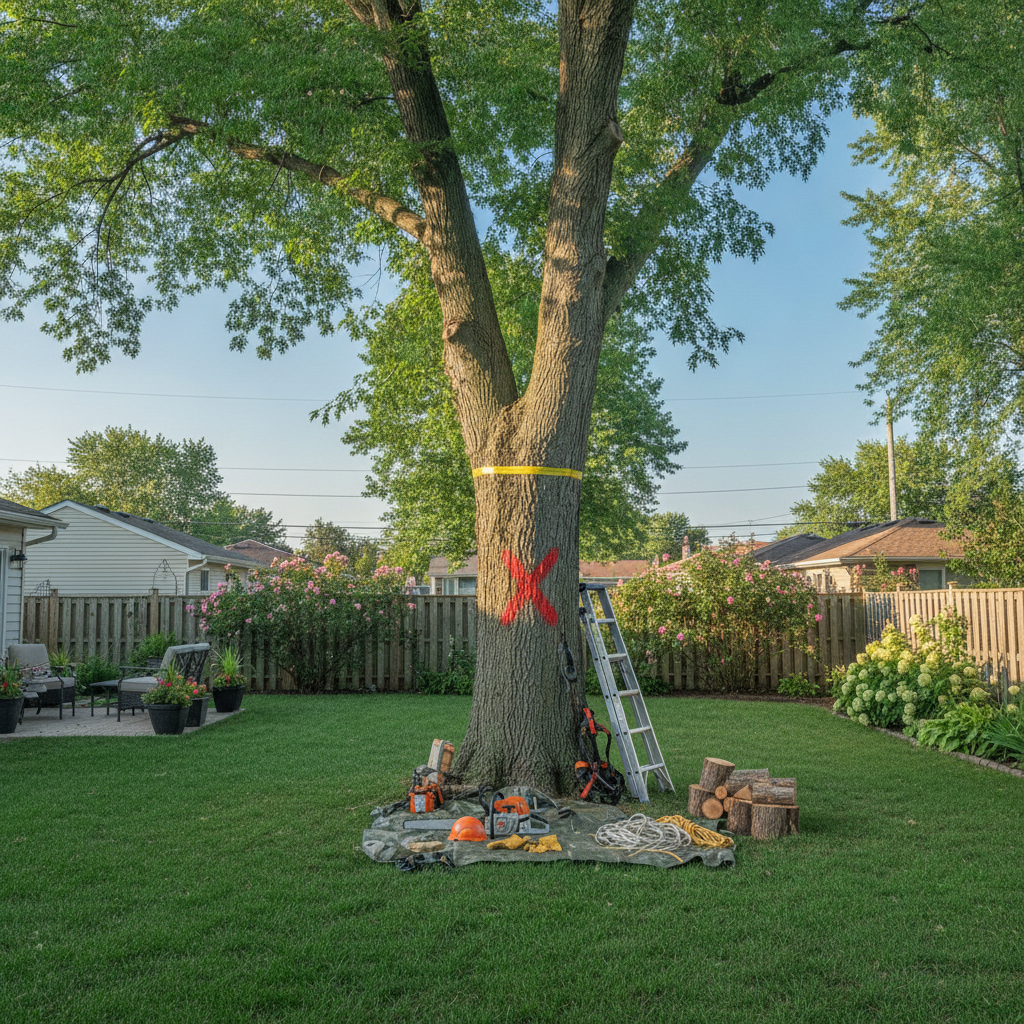
Preparing for tree removal is a significant step for property owners, whether you’re a small business, developer, or resident in this community. The process involves more than just scheduling a crew; it requires thoughtful planning to ensure safety, minimize disruption, and protect your investment. If you want to prepare for tree removal Blue Island, understanding the right steps can save you time, money, and headaches. From checking local regulations to coordinating with neighbors and clearing the work area, preparation is key for a smooth experience. In this comprehensive guide, we’ll walk you through everything you need to know about getting your property ready for tree removal. We’ll cover legal requirements, safety precautions, site preparation, and post-removal considerations. Whether you’re dealing with a hazardous tree or clearing land for development, following these expert tips will help you avoid common pitfalls and ensure the process goes off without a hitch. Let’s dive into what it takes to prepare for tree removal Blue Island and set your project up for success.
How to Prepare for Tree Removal in Blue Island
When you decide to prepare for tree removal Blue Island, the first step is to assess your property’s unique needs. Begin by identifying the specific tree or trees that need to be removed and consider their proximity to structures, power lines, and public spaces. It’s important to document the tree’s condition with photos, especially if removal is due to disease or storm damage. Next, check if your property falls within any protected zones or if the tree is subject to local ordinances. Consulting with a professional, such as Prime Tree Care, Inc, can help you navigate these requirements and avoid costly fines. Make a checklist of items to move or secure in the work area, including vehicles, outdoor furniture, and landscaping features. Notify any tenants or employees about the scheduled work to minimize disruptions. By taking these preparatory steps, you’ll ensure a safer, more efficient removal process and protect both your property and those working on it. For related information, see Prime Tree Care, Inc.
Preparing Your Property for Tree Removal in Blue Island, IL
To properly prepare for tree removal Blue Island, start by understanding the local regulations in Blue Island, IL. Many municipalities require permits for tree removal, especially for larger or heritage trees. Contact your local city office or visit their website to review any ordinances that may apply. Once you have the necessary permissions, inform your neighbors about the upcoming work, particularly if the tree is near shared property lines. Clear the area around the tree by moving vehicles, equipment, and valuables to a safe distance. Mark any underground utilities to prevent accidental damage during the removal process. For businesses, consider posting signs or sending notifications to customers and employees to ensure safety and minimize inconvenience. If you’re hiring professionals, provide them with easy access to the site and discuss any special concerns in advance. For more detailed tree removal tips, consult local experts who are familiar with the region’s specific requirements. For related information, see tree removal tips.
Essential Steps to Prepare for Tree Removal in Blue Island, Illinois
Taking the right steps to prepare for tree removal Blue Island ensures that the process is safe and efficient. Begin by scheduling a site visit with a certified arborist who can assess the tree’s health and recommend the best removal method. Secure all necessary permits and keep documentation on hand for the crew. Next, create a clear path from the street to the tree, removing obstacles such as lawn ornaments, garden hoses, and children’s toys. If the tree is near power lines, coordinate with the utility company to temporarily shut off electricity if needed. Protect surrounding landscaping by covering delicate plants or marking areas to avoid. On removal day, keep pets and children indoors and restrict access to the work zone. After the job, inspect the site for any debris or damage. For local expertise and a reliable team, consider reaching out to Prime Tree Care, Inc for assistance in this city.
Understanding Local Tree Removal Regulations
One of the most important aspects when you prepare for tree removal Blue Island is understanding the regulations that govern tree work in the area. Local ordinances may require you to obtain a permit, especially if the tree is of a certain size, species, or located in a historic district. Failure to comply can result in fines or delays. It’s wise to consult your city’s website or contact the local planning department early in your planning process. Some neighborhoods may have homeowner association rules that add further requirements. If your property is near public land or utilities, additional permissions might be needed. Keeping documentation organized and accessible will streamline the process for both you and your contractor. By staying informed and proactive, you can avoid legal complications and ensure your project moves forward smoothly while remaining in compliance with local guidelines.
Site Preparation and Safety Precautions
Safety is paramount when you prepare for tree removal Blue Island. Begin by surveying the work area for hazards such as uneven ground, loose branches, or overhead wires. Clear all non-essential items from the vicinity, including vehicles, patio furniture, and garden tools. Mark boundaries using cones or tape to keep bystanders at a safe distance. If you have pets or children, arrange for them to stay indoors during the operation. Communicate clearly with your removal team about any site-specific risks or concerns. It’s also a good idea to have a first-aid kit on hand and emergency contact numbers easily accessible. For larger projects, consider hiring a professional safety inspector to review the site. Taking these precautions not only protects workers but also minimizes the risk of property damage and ensures a smooth, incident-free removal process.
Coordinating with Neighbors and Local Services
When you prepare for tree removal Blue Island, effective communication with neighbors and local services is crucial. Notify adjacent property owners about your plans, especially if the tree is close to property lines or could impact their land. This courtesy helps prevent misunderstandings and fosters good relationships within the neighborhood. If your project may temporarily block streets or sidewalks, coordinate with local authorities to arrange for proper signage or permits. Contact utility companies if there’s any chance that power, water, or gas lines could be affected by the removal. For businesses, inform staff and customers about potential disruptions and provide alternative access routes if necessary. Keeping everyone informed reduces stress and ensures that the removal process is as smooth and efficient as possible for all parties involved.
Protecting Surrounding Property and Landscaping
Protecting your property’s landscaping and structures is a key component as you prepare for tree removal Blue Island. Start by identifying vulnerable areas such as flower beds, shrubs, fences, and garden paths. Use tarps or plywood to shield delicate plants and surfaces from falling debris. Move potted plants and outdoor decorations away from the work zone. If there are sprinkler systems or underground utilities nearby, clearly mark their locations to prevent accidental damage. For larger trees, discuss with your removal team how they plan to lower heavy branches and trunks safely. Taking these precautions will help preserve your landscaping investment and minimize the need for repairs after the tree is gone. A well-protected site ensures that the removal process leaves your property looking tidy and undisturbed.
What to Expect on Tree Removal Day
On the day you prepare for tree removal Blue Island, expect a team of professionals to arrive with specialized equipment such as chainsaws, cranes, and wood chippers. The crew will review the site, confirm safety protocols, and set up barriers to keep people and pets out of the work area. The removal typically begins with trimming smaller branches, followed by cutting larger limbs and finally the main trunk. Depending on the tree’s size and location, the process can take several hours or most of the day. Noise and dust are common, so plan accordingly if you have sensitive neighbors or business operations nearby. After the tree is removed, the team will clean up debris and may offer stump grinding services. Having a clear understanding of the day’s schedule and activities helps everything run smoothly and keeps you informed throughout the process.
Post-Removal Cleanup and Restoration
After you prepare for tree removal Blue Island and the work is complete, attention shifts to cleanup and restoration. The removal crew will typically haul away large branches, logs, and debris, leaving the site as tidy as possible. If you opted for stump grinding, the area will be leveled and filled with wood chips or soil. Inspect your property for any accidental damage and address repairs promptly. Consider reseeding grass or replanting landscaping where the tree once stood. For commercial properties, ensure walkways and parking areas are clear and safe for customers. Proper cleanup not only maintains curb appeal but also prevents hazards such as tripping or pest infestations. Planning for restoration in advance will help your property recover quickly and look its best after the tree is gone.
Cost Factors and Budgeting for Tree Removal
Budgeting is an important part of how you prepare for tree removal Blue Island. Costs can vary based on tree size, location, accessibility, and additional services like stump grinding or debris hauling. Obtain multiple quotes from reputable local companies to compare pricing and services. Be sure to ask about what is included in the estimate, such as permits, cleanup, and disposal fees. Some companies may offer discounts for removing multiple trees or scheduling during off-peak times. Factor in potential costs for repairs to landscaping or structures if needed. Setting a realistic budget and understanding the breakdown of expenses will help you avoid surprises and ensure you get the best value for your investment.
Comparing Tree Removal Services: What to Look For
Choosing the right company is essential when you prepare for tree removal Blue Island. Look for licensed and insured professionals with strong local reputations. Ask for references and check online reviews to gauge reliability and customer satisfaction. Confirm that the company uses modern equipment and follows industry safety standards. Request a written estimate that details the scope of work, timeline, and any guarantees. It’s also helpful to ask about their experience with similar projects in the area. A reputable service will be transparent about their process and willing to answer your questions. Taking the time to compare providers ensures you select a team that will handle your tree removal efficiently and safely, giving you peace of mind throughout the project.
| Preparation Step | Why It Matters |
|---|---|
| Obtain Permits | Ensures compliance with local regulations and avoids fines |
| Notify Neighbors | Promotes good relations and prevents disputes |
| Clear Work Area | Protects property and allows efficient access for crews |
| Mark Utilities | Prevents accidental damage to underground lines |
| Protect Landscaping | Minimizes impact on gardens and lawns |
Final Thoughts
Successfully preparing for tree removal Blue Island is about more than just scheduling a service. It’s a process that requires careful planning, clear communication, and attention to detail. By understanding local regulations, coordinating with neighbors and services, and protecting your property, you set the stage for a safe and efficient removal. Remember to budget appropriately, choose reputable professionals, and plan for post-removal restoration to ensure your property remains attractive and functional. Whether you’re a business owner, developer, or resident, taking these steps will help you navigate tree removal confidently and avoid common pitfalls. With the right preparation, you’ll protect your investment and keep your property looking its best for years to come.