
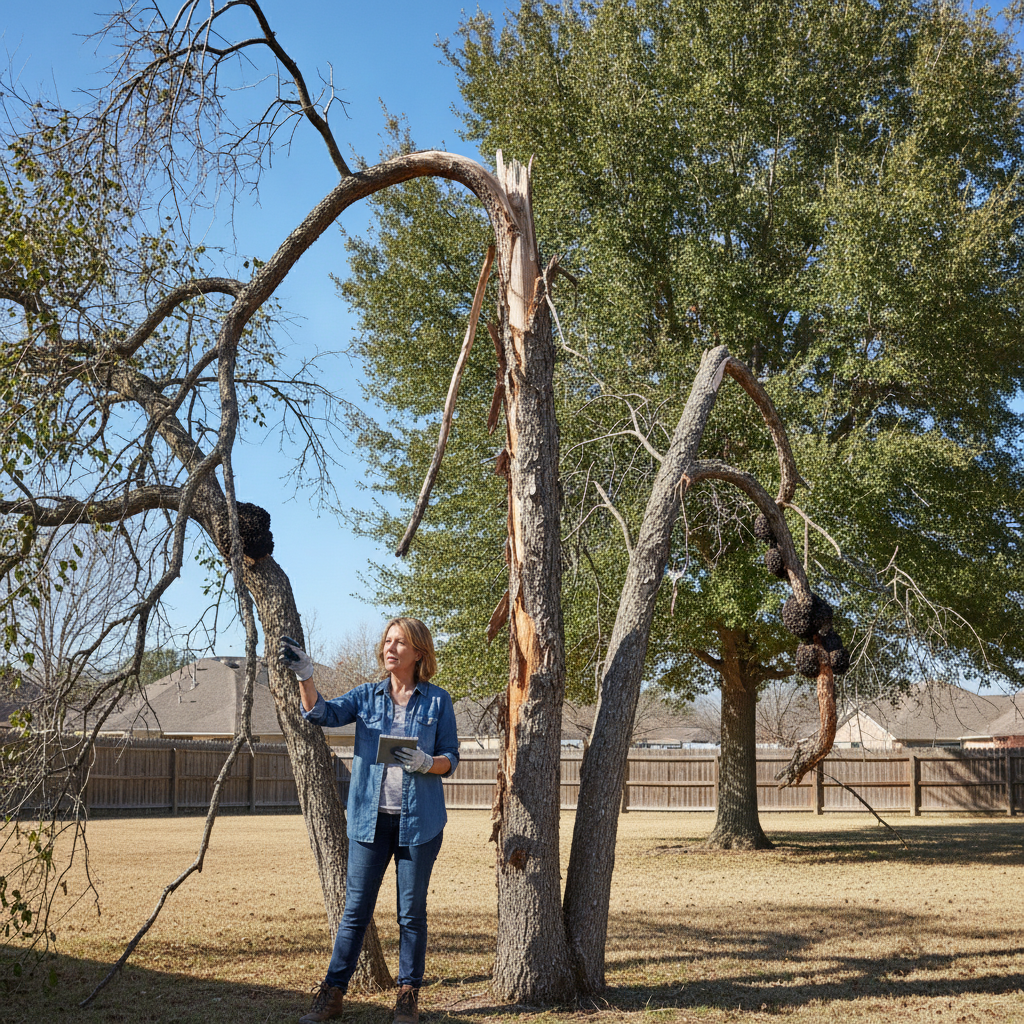
Trees add beauty and value to any property, but they can also pose serious risks if they become unstable or diseased. Understanding how to identify dangerous trees on your property is essential for small business owners, developers, and homeowners alike. Not only does this knowledge protect your investment, but it also helps ensure the safety of everyone who visits or works on your land. In this comprehensive guide, we’ll explore the key signs of hazardous trees, why early detection matters, and what steps you can take to address potential dangers. If you ever need urgent help, knowing about 24 Hour Emergency Tree Service Blue Island Illinois can make all the difference. Let’s dive into the world of tree safety and learn how to keep your property safe, attractive, and thriving.
How to Identify Dangerous Trees in Blue Island
When it comes to property maintenance, recognizing the warning signs of a hazardous tree is a skill every property owner should develop. In the area, unpredictable weather and changing seasons can put extra stress on trees, making regular inspections crucial. Dangerous trees can cause property damage, injury, or even legal issues if they fall or drop large branches. Here’s what to look for when assessing tree safety on your land:
- Visible cracks or splits in the trunk or major limbs
- Leaning trees, especially those with exposed roots
- Large, dead branches or hanging limbs (also known as widowmakers)
- Fungal growth, such as mushrooms, at the base of the tree
- Sudden loss of leaves or thinning canopy
It’s important to remember that not all risks are visible from the ground. Underground root damage or internal decay can also compromise a tree’s stability. If you notice any of these signs, it’s best to consult a professional for a thorough evaluation. For more information on tree safety, consider reaching out to local experts who can help you assess and manage potential hazards before they become emergencies.
Spotting Hazardous Trees in Blue Island, IL
Spotting hazardous trees is about more than just glancing at your landscape. In Blue Island, IL, it’s vital to be proactive, especially after storms or during seasonal changes. Trees that have suffered storm damage, disease, or pest infestations can quickly become dangerous. Here are some additional red flags to watch for:
- Excessive leaning with disturbed soil or heaving roots
- Unusual swelling or bulging in the trunk
- Bark falling off in large sections
- Multiple trunks with weak connections
- Evidence of insect activity, such as sawdust or exit holes
Don’t ignore these warning signs. Even a healthy-looking tree can harbor hidden dangers. If you’re unsure about a tree’s condition, visit our site for resources or to schedule an inspection. Professional arborists use specialized tools and knowledge to detect issues that may not be obvious, ensuring your property remains safe and compliant with local regulations.
Recognizing Dangerous Trees in Blue Island Illinois
Recognizing dangerous trees in Blue Island Illinois is critical for anyone responsible for property management. Trees that are structurally unsound or diseased can fall without warning, leading to costly repairs or injuries. Here’s a closer look at some of the most common causes of tree failure in this city:
- Root Rot: Caused by overwatering, poor drainage, or fungal infections
- Cankers: Sunken or discolored areas on branches or trunks, often a sign of disease
- Cavities: Hollowed-out sections that weaken structural integrity
- Deadwood: Large sections of dead branches or limbs
- Lightning Damage: Splintered trunks or scorched bark after storms
Prompt action is essential when you spot these issues. In urgent situations, knowing about 24 Hour Emergency Tree Service Blue Island Illinois can help you address immediate threats and prevent further damage. Remember, regular tree assessments can save you time, money, and stress in the long run.
When to Call Prime Tree Care, Inc
Sometimes, the risks posed by a tree are too great for DIY solutions. If you notice a tree leaning dangerously, large dead branches hanging over structures, or signs of disease spreading rapidly, it’s time to call in the professionals. Prime Tree Care, Inc offers expert assessment and removal services for hazardous trees. Their team is trained to handle emergency situations, minimizing risks to your property and those nearby. Don’t wait until a tree falls to take action. Early intervention can prevent accidents and save you from costly repairs or liability issues.
Professional arborists have the experience and equipment needed to safely remove dangerous trees, even in tight or challenging locations. They can also provide advice on maintaining the health of your remaining trees, helping you create a safer and more attractive landscape for years to come.
Common Signs of Tree Instability
Tree instability is often subtle at first, but certain signs can indicate a tree is at risk of falling. Look for these indicators during your regular property walkthroughs:
- Soil heaving or mounding near the base of the tree
- Cracks in the soil around roots, especially after heavy rain
- Sudden tilting or movement after storms
- Visible decay or rot at the base
If you spot any of these issues, it’s best to seek a professional opinion. Instability can develop quickly, particularly after severe weather. Regular monitoring and prompt action are the best ways to protect your property and those who use it.
Diseases and Pests That Cause Tree Hazards
Many dangerous trees are the result of disease or pest infestations. Common culprits include fungal infections, borers, and beetles that weaken the tree from the inside out. Here are some of the most frequent threats in the region:
- Emerald Ash Borer: Causes rapid dieback in ash trees
- Dutch Elm Disease: Spreads quickly, killing entire branches
- Oak Wilt: Blocks water transport, leading to leaf loss and death
- Root Rot Fungi: Attacks roots, destabilizing the tree
Early detection is key to managing these threats. Look for signs such as discolored leaves, wilting, or unusual bark patterns. If you suspect a disease or pest problem, contact a certified arborist for diagnosis and treatment options. Quick intervention can sometimes save the tree and prevent the issue from spreading to others nearby.
Table: Quick Reference for Dangerous Tree Signs
| Sign | Description | Action |
|---|---|---|
| Leaning Tree | Tree is tilting more than 15 degrees | Call a professional for assessment |
| Cracked Trunk | Visible splits or cracks in the trunk | Schedule immediate inspection |
| Dead Branches | Large dead limbs, especially overhead | Remove promptly to prevent accidents |
| Fungal Growth | Mushrooms or conks at the base | Check for root or trunk decay |
| Cavities | Hollow sections in trunk or limbs | Professional evaluation recommended |
Use this table as a quick reference during your property inspections. If you encounter any of these signs, don’t delay in seeking professional advice to ensure the safety of your property and those around you.
DIY Tree Inspection Tips
While a professional assessment is always best for questionable trees, regular DIY inspections can help you catch early warning signs. Walk your property at least once a season, especially after storms or high winds. Here’s how to conduct a basic tree inspection:
- Stand back and look for leaning trees or uneven canopies
- Check for dead or broken branches
- Examine the base for mushrooms, cracks, or exposed roots
- Look for peeling bark, holes, or sawdust
- Listen for creaking or cracking sounds in windy conditions
If you notice anything unusual, document it with photos and notes. This information will be helpful if you need to consult a tree care professional. Remember, safety comes first, never attempt to remove large limbs or unstable trees on your own.
Legal and Liability Considerations
Property owners have a legal responsibility to maintain safe conditions, including managing hazardous trees. Failing to address known risks can result in liability if a tree causes injury or damage. Insurance companies may also deny claims if negligence is proven. Here are some key points to keep in mind:
- Document all inspections and maintenance activities
- Act promptly when hazards are identified
- Consult professionals for high-risk situations
- Review your insurance policy for tree-related coverage
Being proactive not only protects people and property but also shields you from potential legal and financial consequences. Make tree safety a regular part of your property management plan.
Preventative Maintenance for Tree Safety
Preventative maintenance is the best way to reduce the risk of dangerous trees. Regular pruning, mulching, and soil care help trees grow strong and resilient. Here are some tips for maintaining healthy trees:
- Prune dead or weak branches annually
- Mulch around the base to retain moisture and regulate temperature
- Water deeply during dry periods
- Fertilize as needed to promote healthy growth
- Monitor for pests and diseases regularly
Consistent care not only prevents hazards but also enhances the beauty and value of your property. If you’re unsure about the best maintenance practices for your trees, consult with a certified arborist who can provide tailored advice for your landscape.
Emergency Response and 24 Hour Services
Even with the best care, emergencies can happen. Storms, high winds, or unforeseen events may cause trees to become immediate hazards. That’s why having access to 24 Hour Emergency Tree Service Blue Island Illinois is so important. Quick response can prevent further damage and keep your property safe. Here’s what to do if you face a tree emergency:
- Stay clear of the area and keep others away
- Contact a professional emergency tree service
- Document the situation with photos for insurance purposes
- Do not attempt to remove large limbs or trees yourself
Having a reliable emergency contact can make all the difference when time is of the essence. Save the number of a local 24 hour service in your phone so you’re prepared for any situation.
Key Takeaways
Identifying dangerous trees on your property is a vital responsibility for every property owner, business, and developer. By learning the signs of instability, disease, and damage, you can act quickly to prevent accidents and protect your investment. Remember to conduct regular inspections, document your findings, and seek professional help when needed. If you ever face an urgent situation, 24 Hour Emergency Tree Service Blue Island Illinois is available to provide immediate assistance. Prioritizing tree safety not only keeps your property beautiful but also ensures the well-being of everyone in this community. Stay vigilant, stay informed, and make tree care a regular part of your property management routine.