
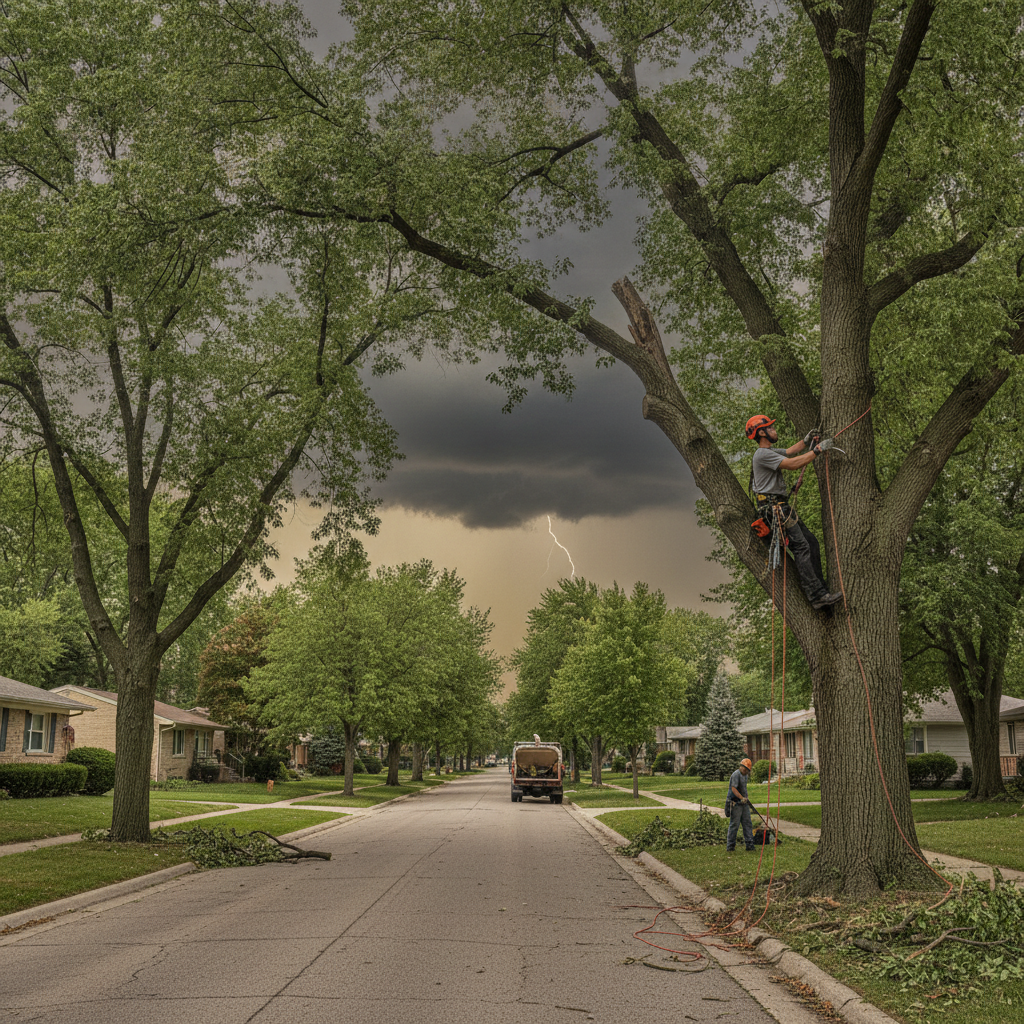
When severe weather strikes, the safety of your property and those around you can depend on how well you have prepared for storms and emergencies. For residents, small business owners, and developers, understanding the importance of emergency tree services and storm preparedness is crucial. Storms can cause significant damage to trees, leading to blocked roads, power outages, and dangerous conditions. By prioritizing storm preparedness Blue Island, you can minimize risks, protect your assets, and ensure a faster recovery after severe weather. This article provides practical guidance, expert tips, and real-world examples to help you navigate the challenges of storm season. Whether you own a local shop, manage a development, or simply want to keep your neighborhood safe, these insights will empower you to take action before, during, and after the storm. Let’s explore the best strategies for safeguarding your property and community.
Storm Preparedness for Businesses and Residents
Storm preparedness Blue Island is essential for anyone who owns property in the area. Local weather can be unpredictable, and storms often bring high winds, heavy rain, and even hail. These conditions can quickly turn healthy trees into hazards, threatening buildings, vehicles, and pedestrians. To reduce risks, it’s important to develop a comprehensive storm preparedness plan that includes regular tree inspections, pruning, and removal of dead or weak branches. Businesses should also create emergency contact lists and establish communication protocols with employees and tenants. By working with professionals who specialize in emergency tree services Blue Island, you gain access to expert advice and rapid response when it matters most. Don’t wait until a storm is on the horizon, proactive measures can make all the difference in protecting your property and ensuring the safety of your community. For related information, see emergency tree services Blue Island.
Storm Preparedness Blue Island, IL: Key Steps for Safety
Preparing for storms in this region requires a strategic approach that addresses both immediate and long-term risks. Begin by evaluating the trees on your property for signs of disease, instability, or overgrowth. Hiring a certified arborist can help identify potential hazards that might otherwise go unnoticed. It’s also wise to secure outdoor furniture, signage, and equipment to prevent them from becoming projectiles during strong winds. For business owners, reviewing insurance coverage and ensuring documentation is up-to-date can speed up recovery after a storm. In addition, having a relationship with a trusted local provider allows you to learn more about available emergency tree services and response times. These steps not only protect your property but also contribute to the overall resilience of the community during severe weather events. For additional service details and local availability, readers can learn more.
Storm Preparedness Blue Island Illinois: Local Resources
Access to reliable emergency tree services and storm preparedness resources is vital for everyone in this city. Local professionals offer a range of services, from urgent tree removal to preventative maintenance, ensuring that both residential and commercial properties remain safe. It’s important to know who to call when disaster strikes. Companies like Prime Tree Care, Inc have established reputations for quick response and expert care. In addition to professional help, local government agencies often provide storm alerts and emergency updates, so staying informed through official channels is critical. By leveraging these resources, residents and business owners can act swiftly, minimize damage, and restore normalcy after a storm. Remember, preparation and local partnerships are key to weathering any storm safely.
Recognizing Tree Hazards Before Storms
Identifying hazardous trees before a storm is one of the most effective ways to prevent property damage and injury. Look for signs such as cracked or leaning trunks, dead limbs, and exposed roots. Trees with dense canopies or those growing too close to power lines are particularly vulnerable during high winds. Regular inspections, especially after heavy rainfall or drought, can reveal hidden weaknesses. Property owners should keep an eye out for mushrooms or fungus at the base of trees, as these may indicate internal decay. Consulting a certified arborist for a professional assessment ensures that potential risks are addressed before they escalate. Early detection and intervention are crucial components of storm preparedness Blue Island, helping to safeguard your home, business, and community from preventable disasters.
Benefits of Professional Emergency Tree Services
Relying on professional emergency tree services offers numerous advantages over attempting DIY solutions. Experts are trained to handle hazardous situations safely and efficiently, reducing the risk of injury and further damage. They have the equipment and knowledge to remove fallen trees, clear debris, and assess the stability of remaining trees. Working with professionals also means you receive guidance on preventative care, such as strategic pruning and cabling. These services are especially valuable for business owners who need to minimize downtime and maintain a safe environment for customers and employees. Additionally, professional tree care providers are familiar with local regulations and can assist with insurance claims when necessary. Investing in expert help is a smart move for anyone serious about storm preparedness Blue Island and long-term property protection.
Common Storm Damage to Trees and Property
Storms can inflict a wide range of damage on trees and surrounding property. High winds may snap branches or uproot entire trees, while heavy rain can saturate the soil, weakening root systems. Hail and lightning strikes can strip bark and cause internal injuries to trees, making them unstable. These events often lead to blocked driveways, damaged roofs, and broken fences. For businesses, storm-related debris can disrupt operations and pose safety hazards for staff and customers. Understanding the types of damage that commonly occur helps property owners prioritize inspections and repairs. Prompt action, such as removing hazardous limbs or stabilizing leaning trees, can prevent further harm. Keeping a detailed record of damages and repairs also supports insurance claims and future storm preparedness Blue Island efforts.
Essential Tools and Supplies for Storm Readiness
Being prepared for storms means having the right tools and supplies on hand. Every property owner should maintain a basic emergency kit that includes flashlights, batteries, first aid supplies, and bottled water. For tree-related emergencies, items like chainsaws, pruning shears, and sturdy gloves are invaluable. It’s also wise to invest in tarps and rope for temporary repairs and to secure loose items outdoors. Businesses may require additional resources, such as backup generators and communication devices, to maintain operations during power outages. Regularly checking and updating your supplies ensures readiness when storms approach. Collaborating with local emergency tree services can help you identify specialized equipment needs based on your property’s unique risks. Proper preparation saves time, reduces stress, and protects lives and assets during severe weather.
Developing a Storm Preparedness Plan
A comprehensive storm preparedness plan is essential for minimizing the impact of severe weather on your property and business. Start by identifying potential hazards, such as vulnerable trees, loose structures, and areas prone to flooding. Assign roles and responsibilities to family members or staff, ensuring everyone knows what to do before, during, and after a storm. Establish communication protocols to keep everyone informed and safe. Keep important documents, such as insurance policies and emergency contacts, in a secure and accessible location. Regularly review and update your plan to reflect changes in your property or business operations. Including emergency tree services as part of your plan ensures you have expert support when needed. A well-crafted plan provides peace of mind and a clear course of action during stressful situations.
Table: Storm Preparedness Checklist
| Task | Frequency | Responsible Party |
|---|---|---|
| Inspect trees for hazards | Twice yearly | Property owner / Arborist |
| Prune dead or weak branches | Annually | Tree service |
| Secure outdoor items | Before storms | Property owner |
| Update emergency contacts | Quarterly | Business manager |
| Review insurance policies | Annually | Property owner |
Use this checklist as a guide to stay organized and ensure nothing is overlooked as you prepare for storm season. Consistency and attention to detail are key to effective storm preparedness Blue Island and reducing the risk of costly damage.
Insurance and Documentation After Storms
After a storm, documenting damage and filing insurance claims are critical steps in the recovery process. Take clear photographs of all affected areas, including trees, buildings, and vehicles. Keep records of any emergency tree services performed, as these may be required by your insurance provider. Contact your agent as soon as possible to begin the claims process and provide all necessary documentation. For business owners, maintaining up-to-date records of assets and repairs streamlines recovery and ensures you receive appropriate compensation. It’s also helpful to keep receipts for any temporary repairs or cleanup costs. By staying organized and proactive, you can navigate the post-storm process more efficiently and get your property back to normal sooner. Storm preparedness Blue Island doesn’t end when the storm passes, it continues through every stage of recovery.
Community Collaboration for Storm Resilience
Building a resilient community requires collaboration among residents, businesses, and local authorities. Sharing resources, information, and best practices strengthens the region’s ability to respond to and recover from storms. Neighborhood groups can organize tree inspection days, coordinate emergency plans, and assist vulnerable members during severe weather. Businesses can support preparedness efforts by offering supplies or expertise. Local government agencies play a vital role by providing timely updates and coordinating emergency services. By working together, the community can reduce risks, speed up recovery, and foster a culture of preparedness. Remember, storm preparedness Blue Island is most effective when everyone participates and supports one another. Investing in relationships and communication before disaster strikes pays dividends when challenges arise.
Final Thoughts
Storm preparedness Blue Island is more than a checklist, it’s a mindset that protects lives, property, and the fabric of the community. By understanding local risks, investing in professional emergency tree services, and building strong relationships with neighbors and experts, you can face storm season with confidence. Remember to inspect your trees regularly, maintain essential supplies, and keep your emergency plans up-to-date. When everyone plays a role in preparedness, the region becomes safer and more resilient. Don’t wait for the next storm to take action. Start today, and ensure your property and community are ready for whatever nature brings. With the right preparation and support, you can weather any storm and recover quickly, keeping your neighborhood thriving year-round.