Trees are one of the best investments a property owner can make. They cool your yard in summer, block harsh winter wind, raise curb appeal, and quietly add value to your home or business. But trees are living things, and when they are cared for the wrong way, they can turn from an asset into an expensive liability almost overnight. Tree care mistakes in Blue Island are more common than most people realize, and many of them start with good intentions: a little extra trimming here, a bit of mulch there, a hope that a struggling tree will simply recover on its own.
The trouble is that trees rarely complain right away. Damage from poor pruning, overwatering, or ignored warning signs can take months or even years to show up, and by then the fix is costly or the tree is beyond saving. Whether you own a small shop with a few street trees, manage a commercial property, or simply love the big maples and oaks in your backyard, understanding what not to do is just as important as knowing what to do.
In this guide, we walk through the most frequent errors property owners make, explain why they hurt your trees, and share practical steps you can take today. We keep things simple, skip the jargon, and focus on advice you can actually use. By the end, you will know how to spot trouble early, protect your investment, and decide when it is time to call a professional.
Tree Care Mistakes in Blue Island Start With Neglect
The single biggest error is doing nothing at all. Many owners assume a mature tree can look after itself because it has survived this long. In reality, urban and suburban trees face stresses that forest trees never do: compacted soil, salt runoff from winter roads, limited root space, and heavy foot traffic. Without regular attention, small problems quietly grow into major ones. For related information, see Prime Tree Care, Inc.
A simple seasonal walk-around makes a huge difference. Look for dead branches, peeling bark, fungus growth at the base, leaves that change color early, or limbs that rub together. Each of these is a signal that something needs attention. Catching an issue in spring is far cheaper than dealing with a fallen limb after a summer storm.
Neglect also includes skipping professional inspections. A certified arborist can spot internal decay, pest activity, and structural weakness that are invisible from the ground. Think of it like a yearly checkup for your landscape. For a modest fee, you gain peace of mind and a clear plan for keeping your trees healthy and safe.
Tree Care Mistakes in Blue Island, IL: Improper Pruning
Pruning is where well-meaning homeowners do the most harm. Cutting too much, cutting at the wrong time, or making cuts in the wrong place can permanently weaken a tree. Proper technique matters, and that is why many owners turn to experienced crews such as Prime Tree Care, Inc when a tree needs more than a light trim. For related information, see Tree Care Mistakes Blue Island.
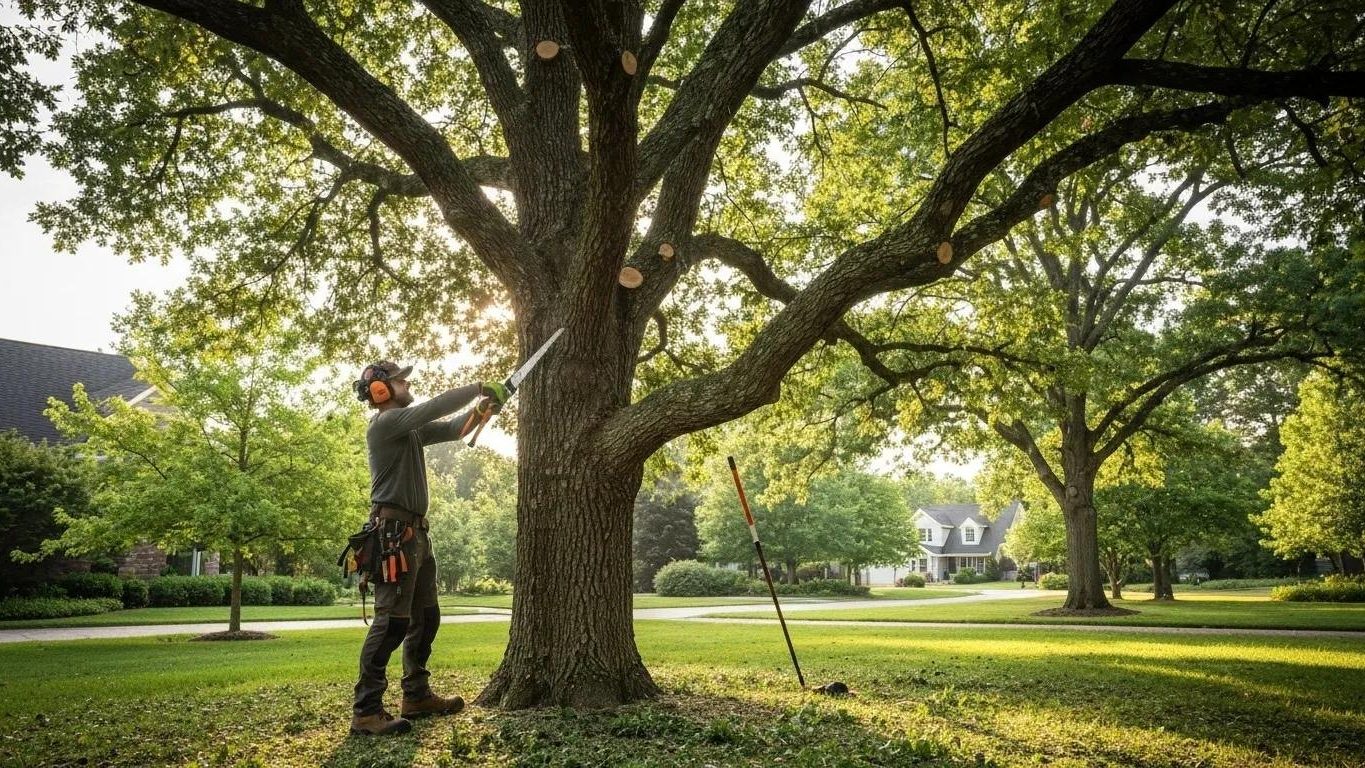
The most common pruning errors include leaving stubs, cutting flush against the trunk, and removing more than a quarter of the canopy in a single season. Stubs invite decay, flush cuts damage the branch collar that helps wounds heal, and heavy canopy removal starves the tree of the leaves it needs to produce energy.
Good pruning has a clear purpose: remove dead or diseased wood, improve structure, reduce hazards, or open up light and airflow. If you cannot name the reason for a cut, it probably should not be made. When in doubt, small, thoughtful cuts always beat dramatic ones.
Tree Care Mistakes Blue Island Residents Should Know
Few practices are as widespread, or as damaging, as topping. Topping means chopping the main branches of a tree back to stubs, usually to reduce height. It may look like a quick fix, but it triggers a flood of weak, fast-growing shoots that are poorly attached and break easily. The tree also loses most of its food-producing foliage, leaving it stressed and open to disease. For related information, see avoid tree care mistakes in Blue Island.
Learning about Tree Care Mistakes Blue Island property owners commonly make can save you from costly regrets. Topped trees often need to be removed within a few years because the decay spreads through the exposed cuts and the new growth becomes a falling hazard.
If a tree has outgrown its space, the better answer is selective crown reduction performed by a trained professional. This method shortens branches back to healthy side growth, preserving the natural shape and the tree’s long-term strength. It costs a bit more up front but protects your property for decades.
How to Avoid Tree Care Mistakes in Blue Island
The good news is that most problems are preventable with a little planning. The goal is to build simple habits and know your limits. Start by learning what species you have, since a maple, an ash, and a pine all have different needs for water, sun, and pruning schedules.
If you want to avoid tree care mistakes in Blue Island, the smartest step is to ask an expert before you pick up a saw. A short consultation can reveal hidden risks, suggest the right timing, and prevent damage that cannot be undone. Many owners are surprised how much they learn from a single site visit.
Keep a simple record of what you do and when. Note pruning dates, fertilizer applications, and any pest or disease sightings. Over time, this log helps you see patterns, make better decisions, and give any professional you hire a clear history of the tree’s health.
Overwatering and Underwatering Problems
Water seems like the easiest thing to get right, yet it is one of the most misunderstood. Young trees need consistent moisture while their roots establish, but mature trees prefer deep, infrequent soaking over daily sprinkles. Shallow watering encourages roots to stay near the surface, making the tree less stable and more vulnerable to drought.
Overwatering is just as harmful. Soggy soil suffocates roots by pushing out oxygen, and the symptoms can look just like drought: yellowing leaves, wilting, and leaf drop. Many owners respond to these signs by adding even more water, which speeds the decline.
A simple test is to push a screwdriver into the soil near the drip line. If it slides in easily to about six inches, the moisture is probably fine. If it is hard to push, water slowly and deeply. If the soil feels soggy, hold off and check drainage.
The Volcano Mulching Mistake
Mulch is a wonderful tool. It holds moisture, moderates soil temperature, and suppresses weeds. But piling it high against the trunk in a cone shape, often called volcano mulching, does real harm. The constant moisture against the bark invites rot, pests, and fungal disease, and it can encourage roots to circle the trunk and strangle the tree over time.
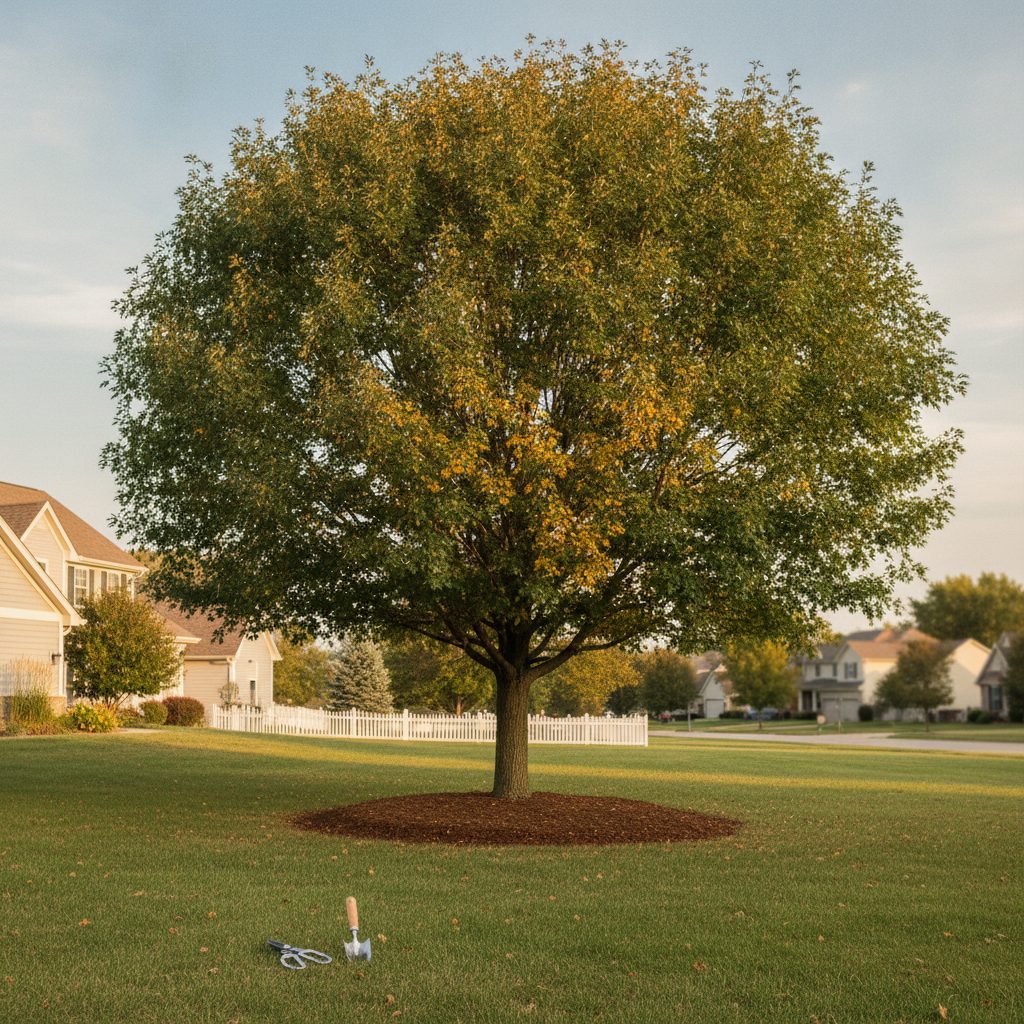
The correct approach is simple. Spread mulch two to three inches deep in a wide, flat ring, and keep it pulled back a few inches from the trunk so the root flare stays visible. Extend the ring as far out as practical, ideally to the drip line.
Choose organic materials like shredded hardwood or bark chips, and refresh the layer rather than adding new mulch on top of old. Avoid dyed or heavily processed products that may contain unwanted chemicals. A tidy, correctly applied mulch ring looks neat and keeps roots healthy.
Ignoring Warning Signs of Disease and Pests
Trees send signals when they are in trouble, but those signals are easy to miss. Thinning canopies, unusual spots on leaves, oozing sap, small exit holes in bark, and mushrooms at the base can all point to disease or insect activity. The earlier you act, the better the chance of saving the tree.
One of the most serious threats in the region is the emerald ash borer, which has devastated ash trees across the Midwest. Infested trees often show woodpecker damage, D-shaped exit holes, and dieback in the upper crown. Treatment is possible if started early, but untreated trees become brittle and dangerous.
Do not rely on guesswork or random sprays from the garden center. Misdiagnosis wastes money and can harm beneficial insects. A professional can identify the actual cause, recommend targeted treatment, and tell you honestly whether the tree is worth saving or needs to come down.
Quick Reference: Mistakes and Better Alternatives
Sometimes a side-by-side comparison makes the right choice obvious. The table below summarizes the most common errors and what to do instead, so you can use it as a handy checklist during your seasonal walk-around.
| Common Mistake | Why It Hurts | Better Approach |
|---|---|---|
| Topping the tree | Creates weak growth and decay | Selective crown reduction |
| Volcano mulching | Traps moisture against bark | Flat ring, pulled back from trunk |
| Shallow daily watering | Encourages weak surface roots | Deep, infrequent soaking |
| Flush-cut pruning | Damages the branch collar | Cut just outside the collar |
| Ignoring symptoms | Small issues become fatal | Seasonal checks and inspections |
Planting the Wrong Tree in the Wrong Place
Many long-term problems begin the day a tree goes into the ground. A species that grows eighty feet tall does not belong ten feet from a house or under power lines. Roots can lift sidewalks, crack foundations, and clog pipes, while overhead branches can interfere with utilities and roofs.
Before planting, think about mature size, not the size of the sapling in the container. Check the sunlight, soil type, drainage, and available space above and below ground. Choose species suited to the local climate and soil, and consider native options that support birds and pollinators while needing less maintenance.
Planting depth matters too. Setting a tree too deep buries the root flare and invites rot, while planting too shallow exposes roots to drying. Dig a wide, shallow hole, keep the flare at ground level, and water thoroughly. A few minutes of planning at planting time can prevent decades of headaches.
DIY Risks and Storm Damage Hazards
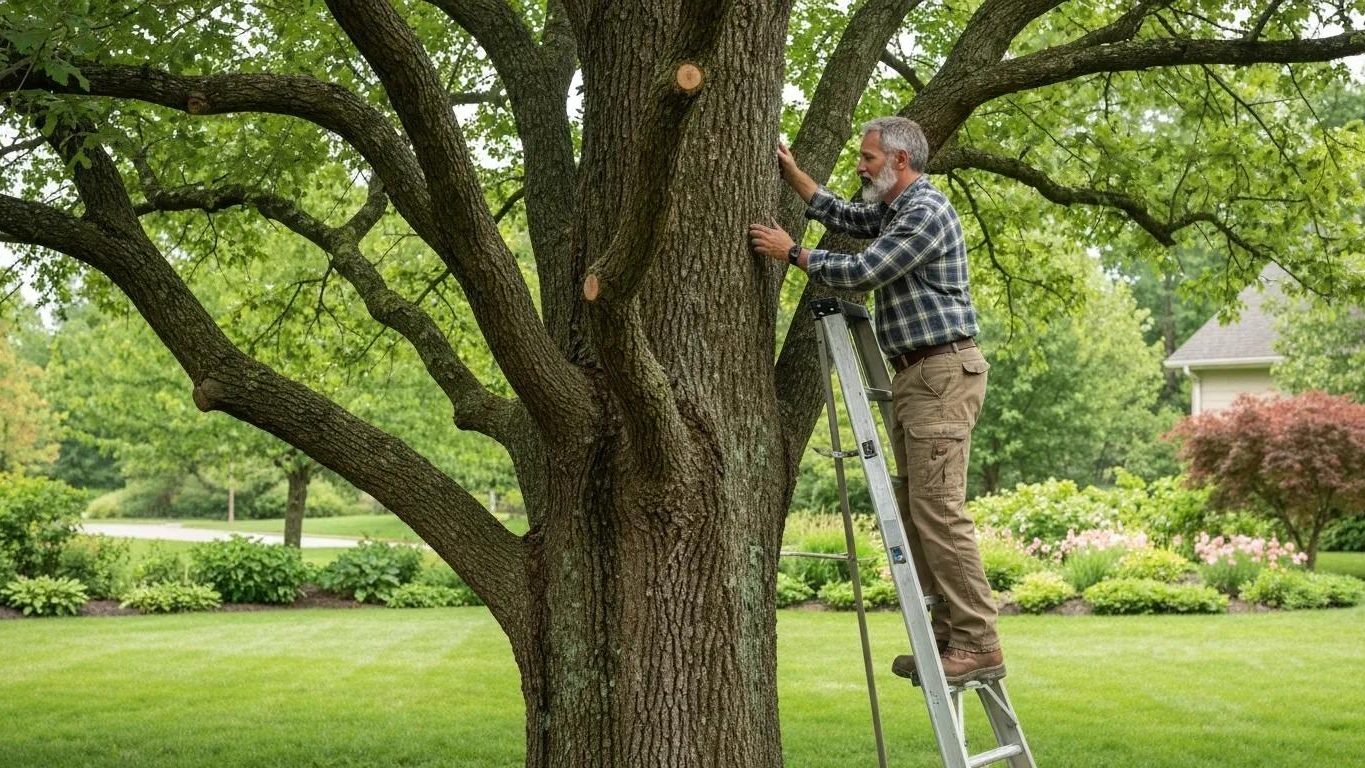
Tree work looks simple on video, but it is among the most dangerous jobs around a property. Falling limbs, unpredictable tension in branches, and contact with power lines cause serious injuries every year. Ladders and chainsaws are a risky combination, especially for anyone without proper training and safety gear.
After a storm, the temptation to clean up quickly is strong. Resist it if limbs are hanging, leaning, or tangled near wires. Hanging branches, often called widow makers, can drop without warning. Stay clear, keep others away, and call a licensed, insured crew who can handle the job safely.
Insurance and credentials matter. Always ask for proof of liability coverage and workers’ compensation before hiring anyone. An uninsured worker who gets hurt on your property can become your legal and financial responsibility. A reputable company will happily provide documentation and explain exactly what work they plan to do.
Choosing a Trusted Local Tree Care Partner
Finding the right professional takes a little homework. Look for certified arborists, clear written estimates, and a willingness to explain the reasoning behind each recommendation. Be cautious of anyone who pushes topping, demands cash up front, or shows up uninvited after a storm offering a bargain price.
Reviews and local reputation are valuable. Established companies like Prime Tree Care, Inc build their name on repeat customers and honest advice, so checking public feedback and photos of completed work can give you confidence before you commit.
Ask questions freely. How will the work be done? What cleanup is included? How will the tree respond after the service? A good provider welcomes these questions and treats your property with the same care they would give their own. The right partner becomes a long-term resource, not just a one-time vendor.
Your Next Steps
Healthy trees do not happen by accident. They are the result of steady attention, smart choices, and knowing when to ask for help. The mistakes covered here, from neglect and topping to volcano mulching, poor watering, ignored warning signs, bad planting decisions, and risky DIY work, are all avoidable once you know what to look for.
Start small. Walk your property this week and look at each tree with fresh eyes. Check for dead wood, odd growth, and mulch piled against trunks. Fix what you can safely handle, like pulling mulch back and adjusting your watering routine. Write down anything that worries you so you can share it with a professional.
For anything involving large limbs, unusual symptoms, or work above ground level, bring in qualified help. The cost of a proper inspection or careful pruning is tiny compared with the expense of emergency removal, property damage, or an injury. Protecting your trees also protects your home, your business, and the neighborhood that benefits from their shade and beauty.
Trees reward patience and good care with decades of value. Make a plan, stay consistent, and treat them as the long-term assets they are. Your future self, and everyone who enjoys the shade, will thank you for it.